
Dressing Up: A Joy or a Jest?
The world of pet fashion is a curious one, isn’t it? On one paw, you have the undeniable cuteness factor – a tiny dog in a raincoat, a cat sporting a bow tie. It’s social media catnip, guaranteed to garner likes and shares aplenty. But on the other, a shadow lurks. A whisper of discomfort, a question of ethics. Where do we draw the line between harmless fun and imposing our human desires onto creatures who simply don’t understand?
We, as humans, have a deep-seated need to express ourselves. We do this through clothing, hairstyles, and even the way we decorate our homes. We project our identities outward, creating a visual narrative of who we are, or who we aspire to be. It’s natural, therefore, that we extend this impulse to our beloved pets. They become extensions of ourselves, furry avatars in our carefully curated lives. But is this fair to them? Are we prioritizing our own aesthetic desires over their well-being?
The answer, as with most things, is rarely black and white. A well-fitted sweater on a short-haired dog shivering in the winter wind is a far cry from a sequined jumpsuit restricting a cat’s movements. It’s about discernment, about understanding the difference between providing genuine comfort and turning our pets into living dolls.
The Allure of the Adorable
Let’s be honest, the primary driver behind most pet fashion is the undeniable “aww” factor. Those tiny sweaters, the miniature hats, the ridiculously cute costumes – they tug at our heartstrings. We see these images online and instantly envision our own pets in similar attire. The desire to replicate that cuteness, to share that joy with the world, is a powerful motivator. Social media has amplified this effect, creating a constant stream of adorable pet photos that fuel our consumer desires.
But is that fleeting moment of online validation worth potentially compromising our pet’s comfort or well-being? Consider the viral video of the cat “dancing” in a costume. While the internet collectively cooed, the cat’s body language – the flattened ears, the dilated pupils, the frantic tail movements – clearly indicated distress. We were so focused on the performative cuteness that we completely missed the animal’s plea for help.
This highlights a crucial point: we must be mindful of interpreting animal behavior. What we perceive as “cute” might actually be a sign of discomfort or anxiety. It’s our responsibility, as pet owners, to prioritize their needs above our own desire for online attention.
The Comfort Quotient: Function vs. Fashion
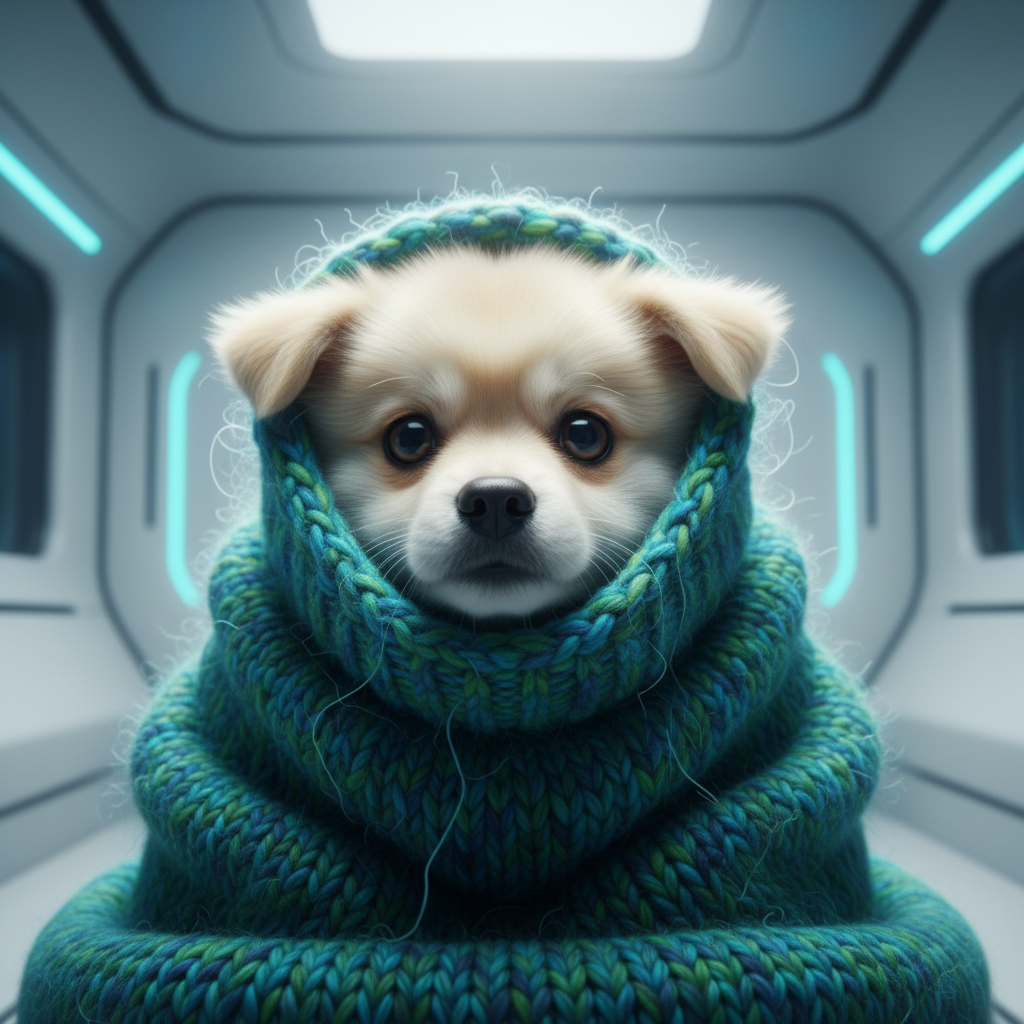
The line between style and suffering often blurs when we fail to consider the practical implications of pet clothing. A dog coat designed to protect against the elements is fundamentally different from a decorative outfit. Functionality should always be the primary consideration. Is the garment breathable? Does it allow for a full range of motion? Is it made from materials that are safe and non-toxic?
Imagine yourself wearing clothing that restricts your movement or irritates your skin. You’d be miserable, wouldn’t you? Our pets deserve the same consideration. Avoid clothing with tight elastic bands, scratchy fabrics, or embellishments that could pose a choking hazard. Choose natural, breathable materials like cotton or fleece. And always, always supervise your pet when they’re wearing clothing, especially if it’s new or unfamiliar.
When Clothing Becomes a Constraint
Beyond the physical discomfort, there’s also the potential for psychological stress. Animals communicate through body language, and clothing can interfere with their ability to do so. A dog wearing a bulky costume might have difficulty signaling its intentions to other dogs, leading to misunderstandings and potential conflicts. Similarly, a cat wearing a restrictive outfit might feel trapped and vulnerable, leading to anxiety and defensive behavior.
Consider the case of a dog named Buster, who was dressed in a superhero costume for a local pet parade. Initially, Buster seemed excited, wagging his tail and barking enthusiastically. However, as the parade progressed, he became increasingly agitated. The costume, while visually appealing, restricted his movement and muffled his hearing. He couldn’t properly communicate with the other dogs, and he felt overwhelmed by the noise and the crowds. By the end of the parade, Buster was trembling and panting heavily. His owner, focused on the accolades they were receiving, failed to recognize the signs of distress. The experience, while intended to be fun, left Buster traumatized and fearful of wearing clothing.
Buster’s story serves as a cautionary tale. We must be attuned to our pets’ body language and be willing to remove clothing if they show any signs of discomfort or distress. Their well-being should always trump our desire for a cute photo opportunity.
The Ethical Considerations: Agency and Autonomy
At the heart of the debate surrounding pet fashion lies a fundamental ethical question: do we have the right to impose our aesthetic preferences on animals? Our pets are sentient beings with their own needs, desires, and preferences. They deserve to have a say in how they live their lives, even if that means forgoing the latest trends in pet fashion.
Think about it: we wouldn’t force a child to wear clothing they found uncomfortable or embarrassing, would we? So why do we often treat our pets differently? Is it because they can’t verbally express their objections? Or is it because we view them as objects, rather than as individuals with their own agency?
Providing choices is a great way to respect your pet’s autonomy. Instead of forcing them into a specific outfit, offer them a selection of comfortable options and let them choose what they prefer. If they consistently reject clothing altogether, respect their decision. Their comfort and happiness should always be the priority.
Respecting the Animal’s Perspective
Understanding your pet’s individual personality and preferences is crucial. Some animals genuinely enjoy wearing clothing, while others find it deeply unsettling. A confident, outgoing dog might relish the attention they receive while wearing a stylish outfit, while a shy, sensitive cat might feel overwhelmed and anxious. Pay attention to their body language and behavior. Are they relaxed and comfortable, or are they showing signs of stress?
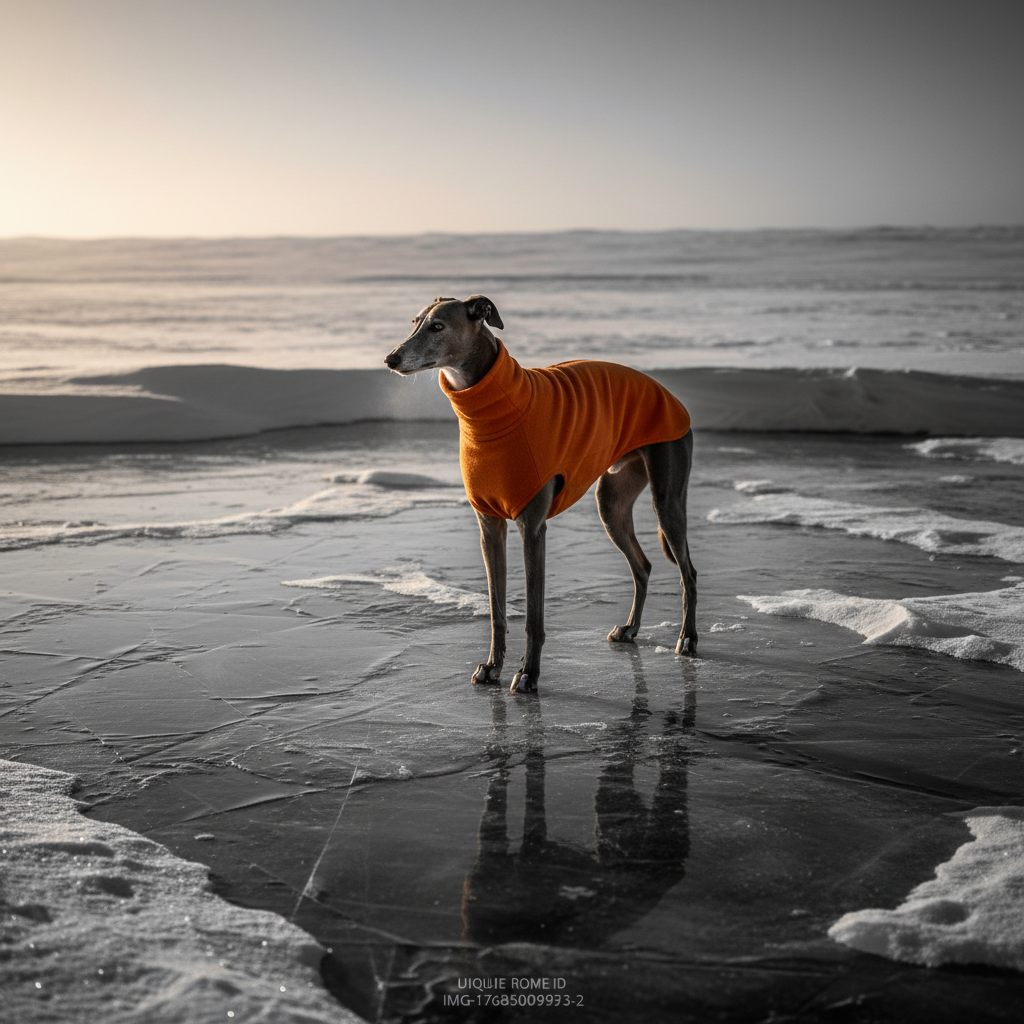
Consider the case of Luna, a rescued greyhound who had spent her early life in racing kennels. Luna was initially terrified of clothing, associating it with the restrictive muzzles and racing blankets she had been forced to wear. Her new owner, recognizing her trauma, took a slow and patient approach. She started by simply draping a soft blanket over Luna’s back while she was relaxing. Gradually, she introduced her to lightweight sweaters, always allowing her to remove them if she felt uncomfortable. Over time, Luna learned to associate clothing with warmth and comfort, and eventually came to enjoy wearing sweaters on cold days. But it was a process built on trust and respect for Luna’s individual needs.
The Psychology of Pet Owners: Why We Dress Up Our Furry Friends
To truly understand the phenomenon of pet fashion, we must delve into the psychology of pet owners. Why are we so drawn to dressing up our furry companions? What needs are we fulfilling through this practice?
For some, it’s about expressing their creativity and personal style. They see their pets as blank canvases, opportunities to showcase their artistic flair. For others, it’s about creating a sense of connection and belonging. Dressing up their pets can be a way of strengthening the bond between them, creating shared experiences and memories. And for some, it’s simply about the joy of making their pets look cute and adorable.
The Role of Social Media
Social media has undoubtedly played a significant role in the rise of pet fashion. Platforms like Instagram and TikTok are awash with photos and videos of pets in elaborate outfits, generating likes, shares, and comments. This online validation can be highly addictive, driving pet owners to constantly seek out new and creative ways to dress up their furry friends.
However, it’s important to remember that social media often presents a distorted view of reality. The perfectly posed photos and carefully curated videos rarely capture the full picture. Behind the adorable facade, there might be a pet who is uncomfortable, stressed, or even suffering. We must be mindful of the pressures of social media and avoid prioritizing online validation over our pets’ well-being.
It’s crucial to ask ourselves: are we dressing up our pets for our own gratification, or for their enjoyment? Are we prioritizing their comfort and well-being, or are we simply seeking online attention? The answers to these questions can help us determine whether our pet fashion choices are ethical and responsible.
Practical Guidelines: Dressing Your Pet Responsibly
If you choose to dress up your pet, it’s essential to do so responsibly. Here are some practical guidelines to keep in mind:
- Prioritize Comfort: Choose clothing that is made from soft, breathable materials and allows for a full range of motion. Avoid tight elastic bands, scratchy fabrics, and embellishments that could pose a choking hazard.
- Ensure Proper Fit: Make sure the clothing fits properly. It should be snug enough to stay in place, but not so tight that it restricts movement or circulation.
- Introduce Clothing Gradually: Don’t force your pet to wear clothing if they’re uncomfortable. Introduce it gradually, starting with short periods of time and rewarding them with treats and praise.
- Supervise Your Pet: Always supervise your pet when they’re wearing clothing, especially if it’s new or unfamiliar. Watch for signs of discomfort or distress and remove the clothing immediately if necessary.
- Consider the Weather: Choose clothing that is appropriate for the weather conditions. A lightweight sweater might be suitable for a cool day, but a heavy coat might be necessary for a frigid winter day.
- Avoid Costumes for Extended Periods: While costumes can be fun for a short photo opportunity, avoid making your pet wear them for extended periods of time. They can be restrictive and uncomfortable, and can interfere with their ability to communicate.
- Respect Your Pet’s Preferences: Pay attention to your pet’s body language and behavior. If they consistently reject clothing, respect their decision. Their comfort and happiness should always be the priority.
Remember, the goal is to enhance your pet’s life, not to make them a fashion accessory. Choose clothing that is functional, comfortable, and safe, and always prioritize their well-being above your own aesthetic desires.
Beyond the Clothes: Alternative Ways to Express Your Pet’s Personality
If you’re hesitant about dressing up your pet, there are plenty of other ways to express their personality and style. Consider investing in high-quality grooming products that enhance their natural beauty. A well-groomed dog with a shiny coat is just as stylish as one wearing a designer outfit.
You can also choose accessories that are both functional and fashionable. A stylish collar with a personalized tag can be a great way to showcase your pet’s individuality. Or, consider investing in a comfortable and attractive bed that complements your home decor.
The Power of Enrichment
Ultimately, the best way to enhance your pet’s life is to provide them with enrichment opportunities. This could include interactive toys, puzzle feeders, or even just spending quality time playing and cuddling with them. A happy, stimulated pet is a stylish pet, regardless of what they’re wearing (or not wearing).
Think about creating a stimulating environment for your pet. A cat tree with multiple levels and scratching posts can provide hours of entertainment. A dog park visit can allow your dog to socialize and exercise. These experiences are far more valuable than any designer outfit.
Instead of focusing on outward appearances, prioritize your pet’s inner well-being. A healthy diet, regular exercise, and plenty of love and attention will do far more to enhance their personality and style than any amount of clothing.
The Final Stitch: A Call for Conscious Pet Ownership
The world of pet fashion is a complex and often contradictory one. While there’s nothing inherently wrong with dressing up your pet, it’s crucial to do so responsibly and ethically. Prioritize their comfort, safety, and well-being above your own aesthetic desires. Be mindful of the pressures of social media and avoid prioritizing online validation over their happiness.
Remember, our pets are not accessories. They are sentient beings with their own needs, desires, and preferences. They deserve to be treated with respect and dignity. By making conscious and informed choices, we can ensure that our pet fashion choices are a source of joy, not a source of suffering.
Ultimately, the most stylish pet is a happy and healthy pet. Focus on providing them with a loving home, a stimulating environment, and plenty of opportunities for enrichment. And if you choose to dress them up, do so with compassion and respect. After all, the line between style and suffering is thinner than it seems, and it’s our responsibility to ensure that we stay on the right side of it.

Hi, my name is Robert Max, I live in the United States and I’m the creator of InTechNews. I started this blog with the goal of sharing reliable and practical information about pet care, helping pet owners provide a healthier and happier life for their animals. I’m passionate about animal well-being and believe that good information makes all the difference in responsible pet ownership.