
The Unspoken Language of Treats: Are We Really Showing Love?
We shower our pets with affection, toys, and often, an abundance of food. But have you ever stopped to wonder if you might be confusing love with… well, too many kibbles? It’s a question that cuts to the core of our relationship with our furry companions, challenging us to examine our motivations and the potential consequences of our well-intentioned actions. Is that extra biscuit really a sign of affection, or could it be masking a deeper need for connection, activity, or even just plain boredom?
The human-animal bond is a powerful force, built on mutual trust, companionship, and a whole lot of adorable moments. We want to make our pets happy, and in our minds, happiness often translates to satisfying their desires. And what’s a more immediate and universally understood desire than the craving for a tasty treat? But this is where the lines can get blurred, and the potential for misinterpreting our pet’s needs arises. Are we truly meeting their emotional and physical needs, or are we simply substituting love with an endless buffet?
The Guilt-Free Guilt Trip
Let’s face it: sometimes we feel guilty. Maybe we worked late and couldn’t take our dog for a proper walk. Maybe we had a busy weekend and didn’t dedicate as much playtime as we’d hoped. In these moments, it’s easy to assuage our guilt with a handful of treats, thinking we’re making up for lost time. But are we really addressing the underlying issue? Are we teaching our pets that food is a substitute for genuine interaction and attention?
Think about it: you come home from a long day, exhausted and emotionally drained. Your dog greets you with unbridled enthusiasm, tail wagging furiously. You reach for the treat jar, tossing a few to your eager companion. Instant happiness, right? But what if, instead, you took five minutes to engage in a gentle petting session, a quick game of fetch, or even just a quiet conversation? You might find that the connection is far more rewarding for both of you, and the treats become less of a crutch and more of an occasional indulgence.
The Dangers of “Food = Love”
The “food equals love” mentality can have far-reaching consequences for our pets’ health and well-being. Obesity is a growing epidemic in the pet population, leading to a cascade of health problems, including diabetes, arthritis, heart disease, and a decreased lifespan. While a treat here and there might seem harmless, the cumulative effect of constant overfeeding can be devastating.
Beyond the physical dangers, there are also behavioral implications. Pets who are constantly rewarded with food may develop demanding or even aggressive behaviors around meal times. They might learn to associate certain actions (like begging or whining) with getting a treat, reinforcing those behaviors in the future. This can lead to a frustrating cycle of giving in to their demands, further solidifying the unhealthy association between food and affection.
Beyond the Bowl: Finding Alternative Ways to Show Affection
So, how do we break free from the “food equals love” trap and find healthier ways to express our affection? The key is to focus on activities that stimulate your pet’s mind and body, strengthen your bond, and provide genuine enrichment. This requires a bit more effort than simply reaching for the treat jar, but the rewards are well worth it.
Consider these alternatives:
- Playtime: Engage in interactive games like fetch, tug-of-war, or hide-and-seek. These activities provide physical exercise, mental stimulation, and a chance to bond with your pet.
- Training: Teaching your pet new tricks or reinforcing basic obedience commands is a great way to challenge their mind and strengthen your communication. Positive reinforcement (using treats sparingly!) can be an effective training tool.
- Grooming: Many pets enjoy being brushed or massaged. This can be a relaxing and bonding experience, as well as a way to keep their coat healthy.
- Walks and Adventures: Explore new places with your pet, whether it’s a walk in the park, a hike in the woods, or a visit to a pet-friendly store. The change of scenery and the opportunity to sniff new smells can be incredibly stimulating.
- Quality Time: Sometimes, the best thing you can do is simply spend quiet time with your pet, cuddling on the couch, reading a book in their presence, or just talking to them in a soothing voice.

The Importance of Reading Your Pet’s Signals
Understanding your pet’s body language and behavior is crucial for determining their true needs and avoiding the pitfalls of overfeeding. Are they truly hungry, or are they simply seeking attention? Are they bored, anxious, or stressed? Learning to differentiate between these signals will help you respond appropriately and provide the right kind of support.
For example, if your dog starts barking incessantly at the treat jar, it might be tempting to give in just to quiet them down. But instead of reaching for the treats, try to identify the underlying cause of their behavior. Are they bored? Do they need to go outside? Are they feeling anxious? Once you’ve identified the root cause, you can address it directly, providing a more effective and sustainable solution than simply masking the problem with food.
Case Study: The Anxious Eater
Let’s consider a hypothetical case study: Meet Bella, a sweet but anxious Labrador retriever. Bella’s owner, Sarah, works long hours and often feels guilty about leaving Bella alone. To compensate, Sarah tends to overfeed Bella, showering her with treats and letting her graze freely on kibble throughout the day. As a result, Bella has become overweight and increasingly anxious when Sarah leaves for work.
Sarah initially believed she was showing Bella love by providing her with an abundance of food. However, she soon realized that she was inadvertently exacerbating Bella’s anxiety. The constant overfeeding was making Bella sluggish and lethargic, further reducing her activity levels. Moreover, the anticipation of food was becoming a major source of anxiety for Bella, who would whine and bark incessantly whenever Sarah prepared a meal or reached for a treat.
To address the problem, Sarah consulted with a veterinarian and a professional dog trainer. They helped her develop a structured feeding schedule, reduce Bella’s treat intake, and incorporate more exercise and mental stimulation into her daily routine. Sarah started taking Bella for longer walks, playing interactive games, and enrolling her in obedience classes. She also learned to recognize Bella’s anxiety cues and provide her with comfort and reassurance in other ways, such as gentle petting, calming music, and a safe, comfortable space to retreat to.
Over time, Bella’s anxiety levels decreased significantly, and she began to lose weight. Her relationship with Sarah also improved, as they started to engage in more meaningful activities together. Sarah realized that true love wasn’t about providing Bella with an endless supply of food, but about understanding her needs, providing her with genuine care and attention, and helping her live a happy and healthy life.

The Myth of the “Clean Plate Club”
Many of us were raised with the “clean plate club” mentality, taught to finish every last morsel on our plates. This ingrained habit can easily transfer to our pets, leading us to overfill their bowls or feel guilty about throwing away uneaten food. However, it’s important to remember that pets, like humans, have varying appetites and should be allowed to eat until they’re satisfied, not until their bowls are empty.
Instead of forcing your pet to finish their food, pay attention to their cues. Do they stop eating when they’re full? Do they leave a small amount of food in their bowl? If so, respect their decision and don’t pressure them to eat more. You can always reduce the portion size at the next meal if you’re concerned about wasting food.
Treats as Training Tools, Not Just Tokens of Affection
Treats can be a valuable tool for training and reinforcing positive behaviors, but they should be used strategically and in moderation. Instead of handing out treats indiscriminately, reserve them for specific training sessions or when your pet exhibits desired behaviors. This will help them associate the treats with those behaviors, making them more likely to repeat them in the future.
When using treats for training, choose healthy, low-calorie options and break them into small pieces. You can also use positive reinforcement techniques that don’t involve food, such as verbal praise, petting, or a favorite toy. The goal is to create a positive association with the desired behavior, not to bribe your pet into compliance.
The Power of Routine and Consistency
Establishing a consistent routine for feeding, exercise, and playtime can go a long way in preventing overeating and promoting overall well-being. Pets thrive on predictability and structure, and knowing when to expect their next meal or walk can help reduce anxiety and prevent them from constantly begging for food.
Set regular mealtimes and stick to them as closely as possible. Avoid leaving food out all day, as this can lead to overeating and weight gain. Provide your pet with plenty of opportunities for exercise and playtime, and make sure they have access to fresh water at all times.

Navigating the Human-Pet Food Divide
It’s tempting to share our own food with our pets, especially when they give us those pleading puppy-dog eyes. However, many human foods are toxic or unhealthy for pets, and even small amounts can cause digestive upset, allergic reactions, or other health problems. It’s important to be aware of the foods that are dangerous for pets and avoid giving them any scraps from your plate.
Some common foods that are toxic to pets include chocolate, onions, garlic, grapes, raisins, avocado, and alcohol. Even seemingly harmless foods like bread and dairy products can cause digestive problems for some pets. When in doubt, it’s always best to err on the side of caution and stick to pet-specific food and treats.
Re-evaluating Our Definition of Love
Ultimately, breaking the “food equals love” cycle requires a fundamental shift in our understanding of what it means to show affection to our pets. It’s about moving beyond the superficial gestures of handing out treats and focusing on the deeper, more meaningful ways we can connect with our furry companions. It’s about understanding their needs, providing them with genuine care and attention, and helping them live happy, healthy, and fulfilling lives.
Think about the moments when you feel most connected to your pet. Is it when you’re giving them a treat, or is it when you’re playing fetch in the park, cuddling on the couch, or simply gazing into their eyes? Chances are, it’s the latter. These are the moments that truly define the human-animal bond, and they’re the moments that will leave a lasting impression on both you and your pet.
The Long-Term Benefits of a Balanced Approach
Adopting a balanced approach to feeding and affection offers numerous long-term benefits for both you and your pet. Your pet will be healthier, happier, and more well-behaved. You’ll enjoy a stronger, more fulfilling relationship with your furry companion. And you’ll have the peace of mind knowing that you’re providing them with the best possible care.
It’s a journey that requires patience, understanding, and a willingness to re-evaluate your own beliefs and behaviors. But the rewards are well worth the effort. By breaking free from the “food equals love” trap, you can unlock a deeper, more meaningful connection with your pet and create a bond that will last a lifetime.
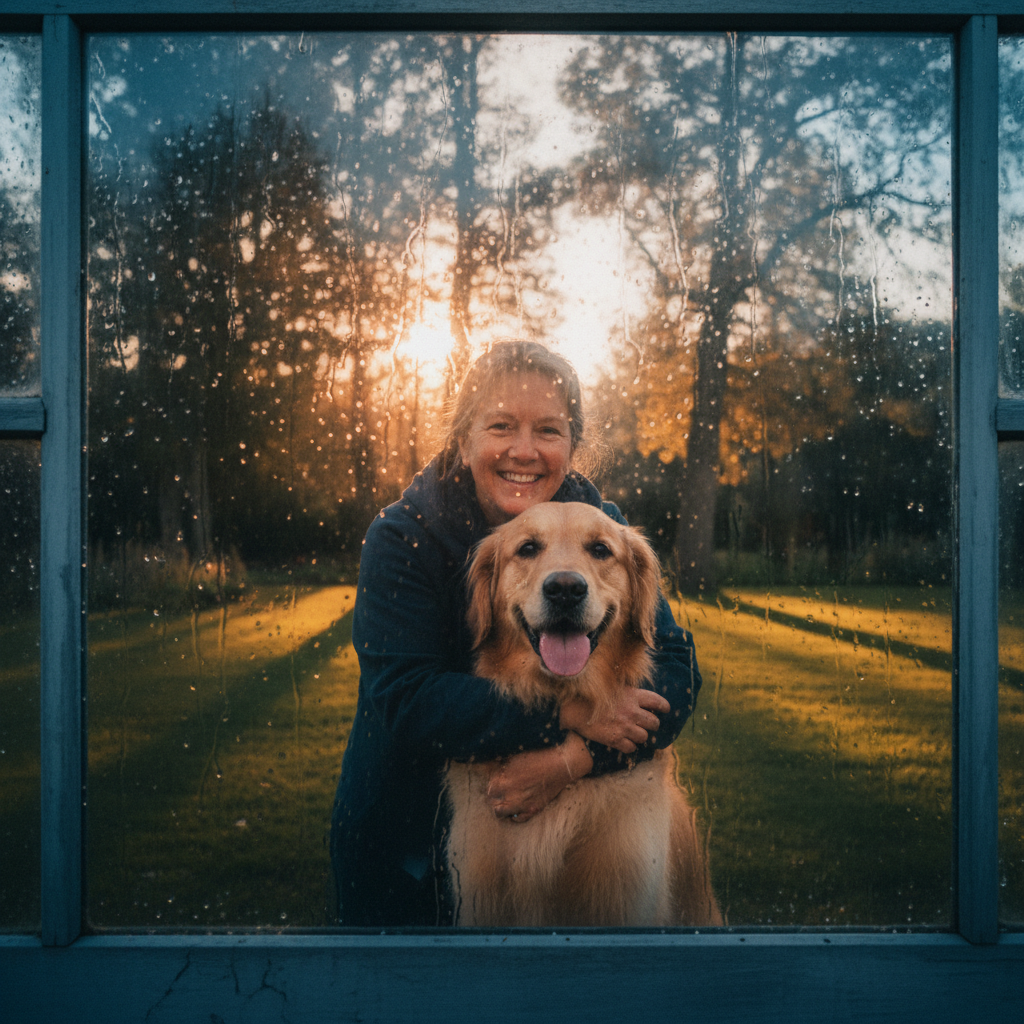
So, the next time you reach for the treat jar, ask yourself: Am I truly showing love, or am I simply confusing affection with an easy fix? The answer might surprise you, and it might just change the way you interact with your pet forever. The most profound expression of love is not found in the bottom of a food bowl, but in the depths of a shared experience, a knowing glance, and the unwavering commitment to their well-being, both physical and emotional.

Hi, my name is Robert Max, I live in the United States and I’m the creator of InTechNews. I started this blog with the goal of sharing reliable and practical information about pet care, helping pet owners provide a healthier and happier life for their animals. I’m passionate about animal well-being and believe that good information makes all the difference in responsible pet ownership.