
Beyond the Bowl: Nourishing a Holistic Life for Your Pet
We often equate “eating well” with simply filling a bowl with the right kind of kibble or preparing a balanced raw food diet. And while nutrition is undeniably a cornerstone of a healthy life for our beloved pets, it’s only one piece of a much larger, more intricate puzzle. Are we truly addressing their needs if we focus solely on what goes into their stomachs, neglecting the emotional, mental, and physical aspects that contribute to their overall well-being?
The reality is that a truly thriving pet experiences life on multiple levels. They need more than just the right balance of protein, fats, and carbohydrates. They need purpose, connection, stimulation, and the freedom to express their innate behaviors. Think of it like a finely tuned instrument; if even one string is out of tune, the entire melody suffers.
The Interconnectedness of Well-being
Imagine a dog confined to a small apartment, fed the most premium organic food available, but spends its days alone, devoid of companionship or opportunities for exploration. Is that dog truly living a “good life,” even if its nutritional needs are being met? Similarly, a cat might have a constant supply of gourmet wet food, but if it’s constantly stressed by a chaotic household or lacks opportunities to engage in natural hunting behaviors, its overall health will inevitably suffer.
This interconnectedness is crucial to understand. Physical health, mental stimulation, and emotional well-being are inextricably linked, each influencing and impacting the others. A deficiency in one area can create a ripple effect, leading to imbalances in others. For example, a lack of mental stimulation can lead to boredom and anxiety, which can, in turn, manifest as destructive behaviors, decreased appetite, and even physical ailments. Conversely, a physical ailment can impact a pet’s mood and willingness to engage in activities they once enjoyed.
Mental Enrichment: Keeping Their Minds Sharp
Just as we humans need intellectual stimulation to thrive, our pets require mental enrichment to keep their minds sharp and prevent boredom. This is especially true for highly intelligent breeds like Border Collies, Poodles, and German Shepherds, but all animals benefit from opportunities to learn, problem-solve, and engage their natural instincts.
So, what does mental enrichment look like in practice? It can take many forms, depending on the species and individual personality of your pet.
Interactive Games and Puzzles
Interactive toys and puzzle feeders are excellent ways to challenge your pet’s mind and provide a sense of accomplishment. These toys often require the animal to manipulate the toy in some way to access a treat, encouraging problem-solving skills and keeping them engaged. For dogs, consider toys that dispense treats when rolled or shaken, or puzzles that require them to slide panels or lift cups to find hidden rewards. For cats, try puzzle feeders that mimic hunting scenarios, requiring them to “hunt” for their food.
Training and Learning New Skills
Training isn’t just about teaching obedience; it’s also a fantastic form of mental stimulation. Whether you’re teaching your dog basic commands like “sit” and “stay” or more complex tricks, the process of learning and working together strengthens the bond between you and your pet while providing them with a sense of purpose. Even senior pets can benefit from gentle training exercises, which can help maintain their cognitive function and prevent age-related decline.
Environmental Enrichment
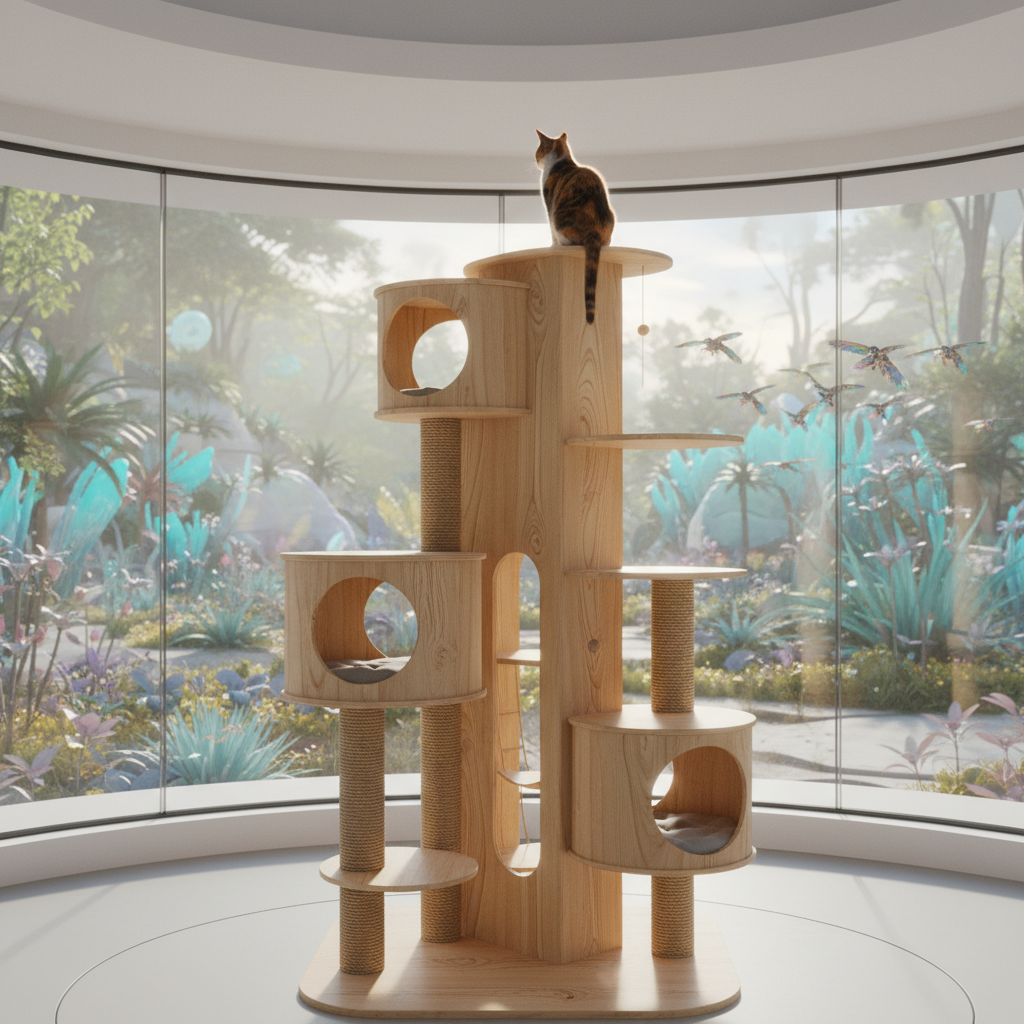
Creating a stimulating environment is another key aspect of mental enrichment. For cats, this might involve providing climbing opportunities, scratching posts, and multiple perches to satisfy their natural urge to explore and survey their surroundings from a high vantage point. For dogs, regular walks in different environments, opportunities to sniff and explore new scents, and social interactions with other dogs can provide valuable mental stimulation. Rotating toys regularly can also help keep things fresh and interesting.
The Power of Connection: Nurturing the Human-Animal Bond
Beyond physical and mental well-being, the emotional bond we share with our pets plays a vital role in their overall health and happiness. The human-animal bond is a powerful and multifaceted relationship, built on trust, affection, and mutual understanding. It provides companionship, reduces stress, and offers a sense of unconditional love.
Quality Time and Affection
Spending quality time with your pet, whether it’s cuddling on the couch, playing fetch in the park, or simply engaging in gentle grooming, strengthens the bond and provides them with a sense of security and belonging. Pay attention to your pet’s body language and learn to recognize their cues for affection. Some animals may enjoy physical touch like petting and scratching, while others may prefer simply being in your presence.
Communication and Understanding
Effective communication is essential for building a strong relationship with your pet. Learn to understand their body language, vocalizations, and behavioral patterns to better interpret their needs and emotions. This will allow you to respond appropriately to their cues and create a more harmonious and fulfilling relationship. For example, understanding that a dog’s tail wagging doesn’t always indicate happiness, but can also signal excitement or anxiety, can help you better interpret their emotional state.
Addressing Anxiety and Stress
Just like humans, pets can experience anxiety and stress, which can negatively impact their overall well-being. Identifying and addressing the sources of stress in your pet’s life is crucial. This might involve making changes to their environment, providing them with a safe and secure space, or consulting with a veterinarian or certified animal behaviorist to develop a behavior modification plan. Calming aids, such as pheromone diffusers or calming chews, can also be helpful in reducing anxiety.

Physical Activity: Moving Their Bodies, Boosting Their Spirits
Regular physical activity is not only essential for maintaining a healthy weight and preventing obesity-related diseases, but it also plays a crucial role in your pet’s mental and emotional well-being. Exercise releases endorphins, which have mood-boosting effects, and provides an outlet for pent-up energy.
Tailoring Exercise to Your Pet’s Needs
The type and amount of exercise your pet needs will depend on their species, breed, age, and overall health. High-energy breeds like Border Collies and Huskies require significantly more exercise than less active breeds like Bulldogs and Persian cats. Senior pets may benefit from shorter, more frequent walks or gentle exercises to maintain their mobility and prevent muscle loss.
Beyond the Walk: Creative Ways to Get Active
While walks are a great way to get your dog moving, there are many other creative ways to incorporate physical activity into their daily routine. Consider activities like playing fetch, going for a swim, or enrolling in a dog agility class. For cats, interactive play sessions with toys like laser pointers or feather wands can provide valuable exercise. Creating an indoor obstacle course with boxes and tunnels can also be a fun way to encourage them to move around and explore their environment.
Recognizing Limitations and Preventing Injury
It’s important to be mindful of your pet’s limitations and avoid pushing them beyond their physical capabilities. Start slowly and gradually increase the intensity and duration of exercise. Be especially cautious during hot weather, as pets are susceptible to heatstroke. Always provide plenty of fresh water and monitor your pet for signs of fatigue or discomfort. Consult with your veterinarian if you have any concerns about your pet’s ability to exercise.
The Importance of Routine and Predictability
Animals thrive on routine and predictability. Knowing what to expect each day provides them with a sense of security and reduces anxiety. A consistent feeding schedule, regular walks, and predictable playtime routines can all contribute to a more relaxed and well-adjusted pet.
Creating a Daily Structure
Establish a consistent daily schedule that includes feeding times, exercise sessions, playtime, and rest periods. Stick to this schedule as much as possible, even on weekends and holidays. This will help your pet feel more secure and confident, knowing what to expect throughout the day.
Minimizing Stressful Situations
Identify and minimize potential stressors in your pet’s environment. This might involve avoiding crowded or noisy places, providing them with a safe and quiet space to retreat to when they feel overwhelmed, or gradually acclimating them to new situations or stimuli.
Preparing for Changes
When changes to your pet’s routine are unavoidable, such as moving to a new home or introducing a new family member, try to prepare them in advance. Gradually introduce them to the new environment or person, and maintain as much of their existing routine as possible. Pheromone diffusers or calming aids can also be helpful in easing their anxiety during these transitions.
The Role of Preventative Care: Investing in Their Long-Term Health
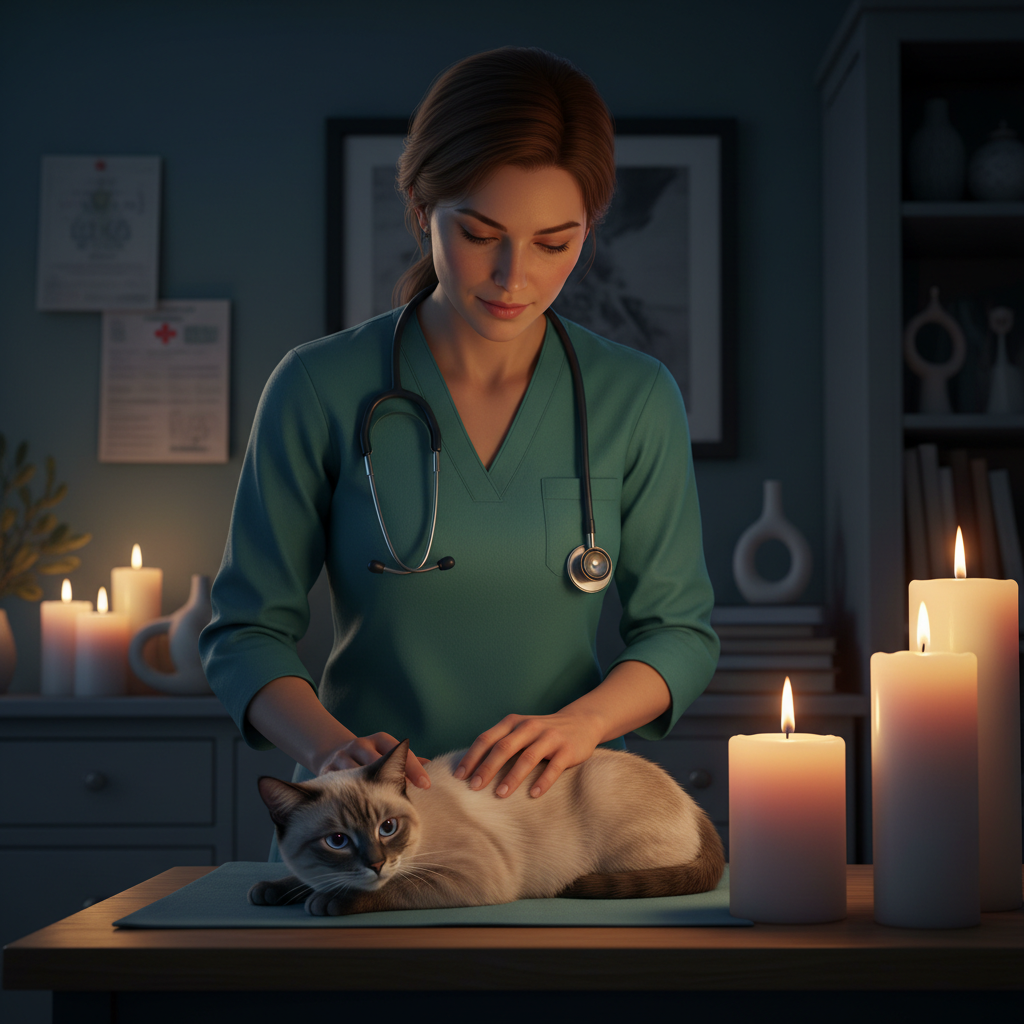
While nutrition, mental enrichment, and emotional well-being are all crucial aspects of a healthy life, preventative veterinary care is equally important. Regular check-ups, vaccinations, and parasite prevention can help detect and prevent health problems before they become serious.
Annual Wellness Exams
Schedule annual wellness exams with your veterinarian to monitor your pet’s overall health and identify any potential issues early on. During these exams, your veterinarian will perform a physical examination, check your pet’s vital signs, and discuss any concerns you may have. They may also recommend blood tests or other diagnostic procedures to screen for underlying health conditions.
Vaccinations and Parasite Prevention
Follow your veterinarian’s recommendations for vaccinations and parasite prevention. Vaccinations protect your pet from potentially life-threatening infectious diseases, while parasite prevention helps prevent infestations of fleas, ticks, heartworms, and other parasites.
Dental Care
Dental health is often overlooked, but it’s an essential aspect of your pet’s overall well-being. Poor dental hygiene can lead to periodontal disease, which can cause pain, inflammation, and even damage to internal organs. Brush your pet’s teeth regularly, and schedule professional dental cleanings with your veterinarian as needed.
The Importance of Adaptability: Meeting Their Evolving Needs
Just as our own needs change throughout our lives, so too do the needs of our pets. A puppy’s nutritional requirements are vastly different from those of a senior dog, and a kitten’s play style will evolve as it matures into an adult cat. Being attentive to these changes and adapting our approach accordingly is crucial for ensuring their continued well-being.
Recognizing Age-Related Changes
As pets age, they may experience a decline in cognitive function, mobility, and sensory abilities. Be mindful of these changes and adjust their environment and routine to accommodate their needs. For example, you may need to provide a ramp to help a senior dog access the couch, or switch to a softer food for a cat with dental problems.
Adjusting to Health Conditions
If your pet develops a health condition, such as diabetes or arthritis, you may need to make significant changes to their diet, exercise routine, and overall care. Work closely with your veterinarian to develop a comprehensive management plan that addresses their specific needs.
Continuous Learning and Adaptation
The field of veterinary medicine and animal behavior is constantly evolving, with new research and advancements emerging regularly. Stay informed about the latest recommendations for pet care and be willing to adapt your approach as needed. This might involve attending workshops or seminars, reading reputable pet care publications, or consulting with experts in the field.

Ultimately, providing a truly fulfilling life for our pets goes far beyond simply filling their bowls with food. It requires a holistic approach that addresses their physical, mental, and emotional needs. By focusing on mental enrichment, nurturing the human-animal bond, providing ample opportunities for physical activity, establishing a consistent routine, prioritizing preventative care, and adapting to their evolving needs, we can help our pets thrive and live their best lives. Are we not obligated, as their guardians and companions, to provide them with not just sustenance, but with a life rich in joy, connection, and purpose? The answer, for anyone who has truly known the unconditional love of an animal, is a resounding yes.

Hi, my name is Robert Max, I live in the United States and I’m the creator of InTechNews. I started this blog with the goal of sharing reliable and practical information about pet care, helping pet owners provide a healthier and happier life for their animals. I’m passionate about animal well-being and believe that good information makes all the difference in responsible pet ownership.