
The Unseen Drain: How Nutrition Impacts Your Pet’s Vitality
We all want our furry companions to be bursting with energy, ready to play fetch in the park or chase after their favorite toys. But what happens when that spark fades, when your once-vibrant pet seems sluggish and uninterested? While many factors can contribute to lethargy, one of the most overlooked is the silent impact of poor nutrition. It’s not always about the quantity of food; often, it’s about the quality and the balance of nutrients that fuel their bodies.
Think of it like this: you can fill a car with gasoline, but if that gasoline is contaminated or of low quality, the engine won’t run smoothly. It might sputter, stall, or simply lack the power it should have. Similarly, providing your pet with a diet lacking essential vitamins, minerals, and high-quality protein can lead to a decline in their energy levels, affecting their overall health and well-being. Are you truly giving your pet the fuel they need to thrive, or are you unknowingly contributing to their fatigue?
The Building Blocks of Energy: Understanding Essential Nutrients
To understand how poor nutrition can sap your pet’s energy, it’s crucial to grasp the role of essential nutrients. These are the vitamins, minerals, proteins, fats, and carbohydrates that your pet’s body needs to function optimally. Each nutrient plays a specific role in energy production, and a deficiency in any one of them can lead to a noticeable decline in vitality.
- Protein: Often touted as the most important macronutrient, protein provides the building blocks for muscles, tissues, and enzymes. High-quality protein sources are essential for maintaining lean muscle mass, which directly impacts energy expenditure. A diet lacking in sufficient protein can lead to muscle loss, weakness, and decreased activity levels. Consider the difference between feeding your dog a steak (high quality protein) and a hot dog (processed, low quality protein). The steak provides the amino acids needed for building and repairing muscle, while the hot dog offers little nutritional value.
- Fats: Healthy fats are a concentrated source of energy, providing more than twice the calories per gram compared to protein or carbohydrates. They also play a vital role in hormone production, cell function, and the absorption of fat-soluble vitamins. Deficiencies in essential fatty acids like omega-3 and omega-6 can lead to fatigue, skin problems, and a weakened immune system. Think of healthy fats as the long-lasting fuel that keeps your pet going throughout the day, unlike the quick burst of energy from simple carbohydrates that quickly fades.
- Carbohydrates: While often demonized in human diets, carbohydrates provide a quick source of energy. However, the type of carbohydrate matters. Complex carbohydrates like whole grains and vegetables provide a sustained release of energy, while simple carbohydrates like sugars and refined grains can lead to energy crashes. Imagine the difference between eating a bowl of oatmeal versus a candy bar. The oatmeal provides a slow and steady release of energy, while the candy bar causes a rapid spike and subsequent crash.
- Vitamins and Minerals: These micronutrients are essential for countless metabolic processes, including energy production. Deficiencies in vitamins like B vitamins (crucial for converting food into energy) and minerals like iron (necessary for oxygen transport) can lead to fatigue, weakness, and a compromised immune system. Think of vitamins and minerals as the spark plugs in your pet’s engine – without them, the engine won’t run properly, no matter how much fuel you provide.
Consider this scenario: a cat is fed a diet primarily consisting of dry food that is low in protein and high in carbohydrates. Over time, this cat may become overweight, lethargic, and prone to developing health problems like diabetes. The lack of high-quality protein prevents the cat from maintaining lean muscle mass, while the excess carbohydrates lead to weight gain and insulin resistance. This is a clear example of how poor nutrition can directly impact a pet’s energy levels and overall health.
Spotting the Signs: Recognizing Nutritional Deficiencies in Your Pet
Recognizing the signs of nutritional deficiencies is crucial for addressing the issue before it leads to serious health problems. While lethargy is a common symptom, other signs can indicate that your pet’s diet is lacking essential nutrients. Early detection and intervention can make a significant difference in restoring your pet’s energy and vitality.
- Dull Coat and Skin Problems: A healthy coat is a reflection of a healthy diet. A dull, dry coat, excessive shedding, or skin problems like itching and inflammation can indicate a deficiency in essential fatty acids or other nutrients. Think of your pet’s coat as a barometer of their overall health – when it’s shiny and healthy, it’s a good sign that they’re getting the nutrients they need.
- Weight Loss or Gain: Unexplained weight loss or gain, despite a normal appetite, can be a sign of malabsorption or metabolic imbalances caused by nutritional deficiencies. Weight loss can indicate that your pet isn’t absorbing nutrients properly, while weight gain can suggest that they’re consuming too many calories without receiving adequate nutrition.
- Digestive Issues: Frequent digestive problems like diarrhea, vomiting, or constipation can be a sign of food intolerances, allergies, or a lack of fiber in the diet. A healthy gut is essential for nutrient absorption, and digestive issues can prevent your pet from properly utilizing the nutrients they consume.
- Weakness and Muscle Loss: A lack of protein or essential amino acids can lead to muscle loss and weakness, making it difficult for your pet to engage in normal activities. If your pet seems weaker than usual or has difficulty climbing stairs or jumping, it could be a sign of protein deficiency.
- Changes in Appetite: A sudden decrease or increase in appetite can indicate an underlying health problem, including nutritional deficiencies. While a picky eater may simply have preferences, a significant change in appetite should be investigated.
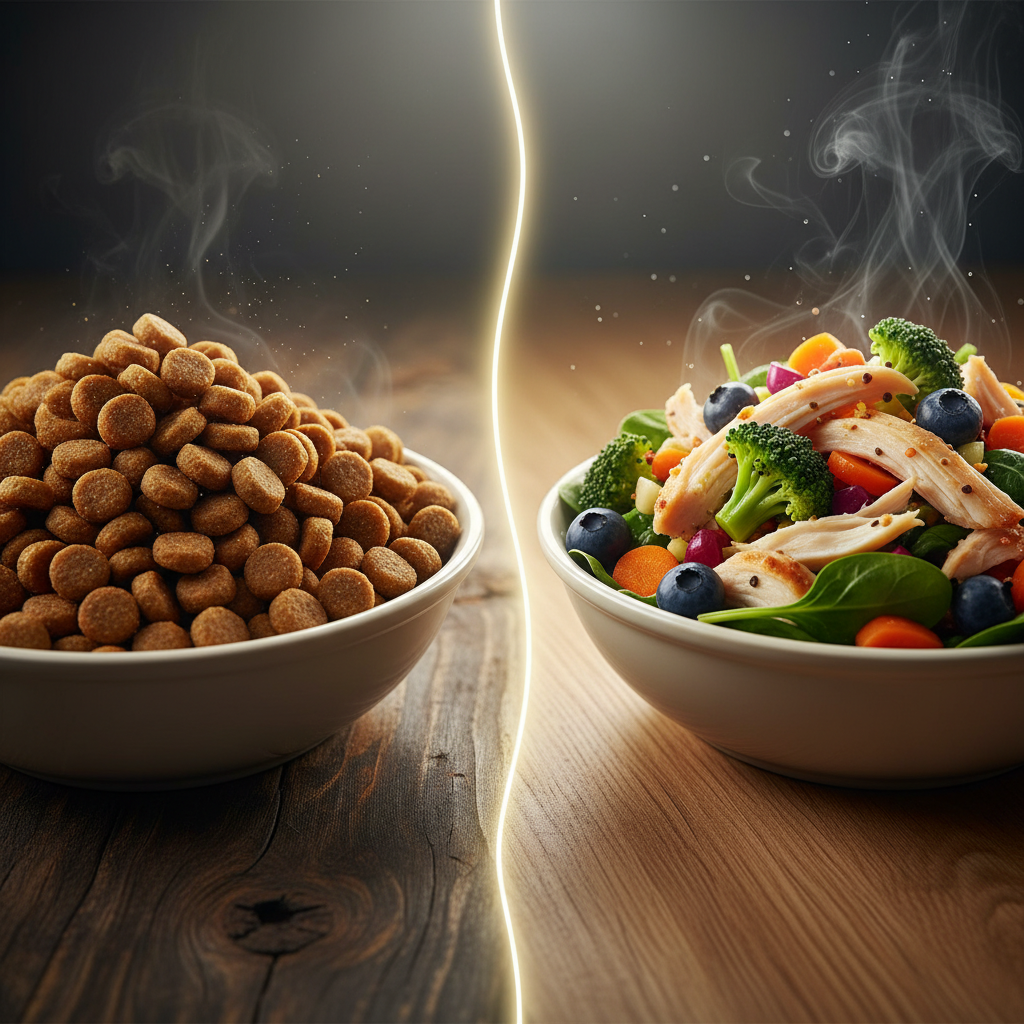
Let’s say you notice your dog, who used to love going for walks, now seems reluctant to leave the house. He’s also been shedding more than usual, and his coat looks dull. These symptoms, coupled with a history of feeding him a low-quality kibble, could indicate a nutritional deficiency. By switching to a higher-quality food with a better balance of protein, fats, and essential nutrients, you may see a significant improvement in his energy levels and overall health.
Beyond the Label: Decoding Pet Food Ingredients and Nutritional Claims
Navigating the world of pet food can be overwhelming. With so many brands and formulas on the market, it’s difficult to know which one is truly the best for your pet. Learning to decode pet food labels and understand nutritional claims is essential for making informed decisions about your pet’s diet.
The ingredient list is a crucial starting point. Look for whole, recognizable ingredients like meat, vegetables, and fruits listed at the top. Be wary of vague terms like “meat by-products” or “animal digest,” which can indicate lower-quality ingredients. The order of ingredients reflects their proportion in the food, so the first few ingredients are the most important.
Pay attention to the guaranteed analysis, which provides information on the protein, fat, fiber, and moisture content of the food. However, keep in mind that the guaranteed analysis only provides minimum or maximum values, not the actual amounts of each nutrient. For example, a food might claim to contain “minimum 30% protein,” but the actual protein content could be higher.
Be skeptical of marketing claims like “grain-free” or “natural.” Grain-free doesn’t necessarily mean healthier, as these foods may contain other carbohydrates like potatoes or peas, which can still affect blood sugar levels. The term “natural” is also loosely regulated and can be misleading. Focus on the ingredient list and the overall nutritional profile of the food, rather than relying solely on marketing claims.
Imagine you are choosing between two bags of dog food. One bag boasts “natural ingredients” but lists “corn gluten meal” as the first ingredient. The other bag lists “deboned chicken” as the first ingredient and contains a variety of vegetables and fruits. Even though the first bag claims to be “natural,” the second bag is likely a healthier option due to the higher-quality protein source and the inclusion of nutrient-rich ingredients.
Boosting Your Pet’s Energy: Practical Tips for Nutritional Optimization
Optimizing your pet’s nutrition doesn’t have to be complicated. By following a few simple guidelines, you can significantly improve their energy levels and overall health. It’s about making conscious choices and being proactive in ensuring that your pet receives the nutrients they need to thrive.
- Choose High-Quality Food: Select a pet food that is formulated for your pet’s age, breed, and activity level. Look for foods with whole, recognizable ingredients and a balanced nutritional profile. Consider consulting with your veterinarian for recommendations.
- Consider Fresh Food Options: Fresh food diets, whether homemade or commercially prepared, can provide a higher concentration of nutrients and are often more palatable than processed kibble. If you’re considering a fresh food diet, be sure to work with a veterinary nutritionist to ensure that it’s properly balanced.
- Supplement Wisely: Supplements can be beneficial for addressing specific nutritional deficiencies or supporting overall health. However, it’s essential to use them cautiously and under the guidance of your veterinarian. Over-supplementation can be harmful.
- Monitor Food Intake: Feed your pet the appropriate amount of food based on their weight, age, and activity level. Avoid overfeeding, which can lead to weight gain and other health problems. Use a measuring cup to ensure accurate portion control.
- Provide Fresh Water: Access to fresh, clean water is crucial for hydration and overall health. Make sure your pet always has a readily available water source.
- Limit Processed Treats: Processed treats are often high in calories and low in nutrients. Opt for healthy treats like fruits, vegetables, or lean meat. Be mindful of the portion size and avoid giving too many treats.
Consider the case of a senior dog who is starting to slow down. By switching to a senior-specific food that is lower in calories and higher in antioxidants, you can help support their joint health and maintain their energy levels. Adding a glucosamine and chondroitin supplement, under the guidance of your veterinarian, can further support their joint health and improve their mobility.

The Veterinary Connection: Partnering for Optimal Nutritional Health
Your veterinarian is your best resource for ensuring your pet’s nutritional needs are met. They can assess your pet’s individual needs, identify potential deficiencies, and recommend the best course of action. Regular check-ups and consultations with your veterinarian are essential for maintaining your pet’s overall health and well-being.
Don’t hesitate to discuss your pet’s diet with your veterinarian. Bring a list of the foods you feed your pet, including treats and supplements. Your veterinarian can help you evaluate the nutritional content of these foods and identify any potential deficiencies or imbalances. They can also perform blood tests to assess your pet’s overall health and identify any underlying medical conditions that may be affecting their energy levels.
Your veterinarian can also help you develop a personalized feeding plan for your pet based on their individual needs. This plan may include recommendations for specific foods, supplements, and feeding schedules. It’s important to follow your veterinarian’s recommendations carefully and to monitor your pet’s response to the new diet.
Imagine you are concerned about your cat’s recent weight loss and decreased appetite. After a thorough examination, your veterinarian discovers that your cat has a dental problem that is making it difficult for them to eat. By addressing the dental problem and recommending a soft food diet, your veterinarian can help restore your cat’s appetite and energy levels.
Real-Life Transformations: Stories of Pets Revitalized Through Nutrition
The impact of proper nutrition on a pet’s energy levels can be truly transformative. Countless stories illustrate how a change in diet can revitalize pets and significantly improve their quality of life. These real-life examples serve as powerful reminders of the importance of providing our furry companions with the nutrients they need to thrive.
Take the case of Bella, a senior Labrador Retriever who had become increasingly lethargic and withdrawn. Her owner, concerned about her declining health, consulted with a veterinary nutritionist who recommended a diet specifically formulated for senior dogs with joint problems. The new diet was higher in protein and antioxidants and contained added glucosamine and chondroitin to support her joint health. Within a few weeks, Bella’s energy levels began to improve, and she started to enjoy her walks again. Her owner was amazed by the transformation and grateful for the positive impact of the dietary change.
Another example is Max, a young Border Collie who had always been a picky eater. His owner struggled to find a food that he would consistently eat, and he often seemed tired and listless. After trying several different brands of kibble, his owner decided to switch to a fresh food diet. The fresh food was more palatable to Max, and he started eating with gusto. Within a few weeks, his energy levels soared, and he became more playful and engaged. His owner was thrilled to see him thriving on the new diet.
These are just two examples of the countless pets who have been revitalized through proper nutrition. By providing our furry companions with the nutrients they need, we can help them live longer, healthier, and more energetic lives. It’s a commitment that pays dividends in terms of their well-being and our own enjoyment of their companionship.

The Long-Term Investment: Sustaining Energy and Vitality for Years to Come
Optimizing your pet’s nutrition is not just about addressing immediate energy concerns; it’s about investing in their long-term health and well-being. By providing them with a balanced and nutritious diet throughout their lives, you can help prevent chronic diseases, maintain their energy levels, and extend their lifespan. It’s a commitment that will pay off in years of companionship and joy.
Think of nutrition as the foundation of your pet’s health. A strong foundation will support a healthy and energetic life, while a weak foundation will lead to problems down the road. By prioritizing your pet’s nutritional needs, you are setting them up for a lifetime of vitality and well-being.
As your pet ages, their nutritional needs will change. Senior pets may require fewer calories and more antioxidants to support their aging bodies. Working with your veterinarian to adjust their diet as they age is essential for maintaining their energy levels and preventing age-related health problems.
By making informed choices about your pet’s nutrition, you are not only improving their energy levels but also enhancing their overall quality of life. You are giving them the gift of a healthy and vibrant life, filled with joy, companionship, and endless possibilities. And isn’t that what every pet owner wants for their furry friend?

Beyond Food: The Holistic Approach to Pet Energy
While nutrition is undoubtedly a cornerstone of your pet’s energy levels, it’s important to remember that it’s just one piece of the puzzle. A holistic approach to pet wellness considers all aspects of their life, including exercise, mental stimulation, and social interaction. By addressing all of these factors, you can create a synergistic effect that maximizes your pet’s energy and overall well-being.
Regular exercise is crucial for maintaining a healthy weight, building muscle mass, and boosting energy levels. Daily walks, playtime, and other forms of physical activity can help keep your pet physically and mentally stimulated. The amount of exercise your pet needs will vary depending on their breed, age, and health status.
Mental stimulation is also essential for preventing boredom and maintaining cognitive function. Puzzle toys, training sessions, and interactive games can help keep your pet’s mind sharp and engaged. A bored pet is more likely to become lethargic and withdrawn.
Social interaction is important for pets who enjoy the company of other animals or people. Playdates with other dogs, visits to the dog park, or simply spending time with their human family can help improve their mood and energy levels.
Think of your pet’s energy as a reflection of their overall well-being. By addressing their nutritional needs, providing them with regular exercise and mental stimulation, and fostering positive social interactions, you can create a thriving environment that supports their energy and vitality. It’s a holistic approach that benefits both your pet and your relationship with them.
Ultimately, understanding the silent impact of poor nutrition on your pet’s energy is the first step towards creating a healthier and happier life for your furry friend. By prioritizing their nutritional needs and adopting a holistic approach to their well-being, you can help them thrive and enjoy a life filled with energy, vitality, and boundless joy. It’s an investment that will enrich your life as much as it enriches theirs.

Hi, my name is Robert Max, I live in the United States and I’m the creator of InTechNews. I started this blog with the goal of sharing reliable and practical information about pet care, helping pet owners provide a healthier and happier life for their animals. I’m passionate about animal well-being and believe that good information makes all the difference in responsible pet ownership.