
The Illusion of the Perfect Bowl: Unmasking Pet Nutrition
We’re bombarded with images of glistening kibble, promises of shinier coats, and declarations of optimal health, all conveniently packaged in bags emblazoned with scientific-sounding names. Pet nutrition, as marketed to us, often focuses solely on what goes into the bowl. But what if the secret to a truly healthy pet lies not just in the ingredients, but in the entire tapestry of their daily life? What if, despite all the best intentions and expensive food, your furry friend is still missing a vital piece of the puzzle?
This article delves into the counterintuitive truth: that even the most meticulously formulated diet can fall short if it’s not supported by a balanced and enriching lifestyle. We’ll explore the critical, often overlooked, components that transform mere sustenance into vibrant well-being for our beloved companions.
Beyond the Label: A Holistic View of Pet Health
The pet food industry is a behemoth, fueled by our deep love for our animals and our desire to provide them with the best possible care. However, this industry often oversimplifies the concept of nutrition, focusing on macronutrient ratios and “superfood” ingredients. While these elements are undoubtedly important, they represent only a fraction of the equation. To truly understand pet nutrition, we must adopt a holistic perspective, recognizing the intricate interplay between diet, exercise, mental stimulation, social interaction, and environmental factors.
Consider a high-performance sports car. You could fill it with the most premium fuel available, meticulously maintaining its engine, but if you leave it parked in the garage, it will never reach its full potential. Similarly, a perfectly balanced diet can only unlock its benefits when combined with an active and engaging lifestyle. A sedentary dog, confined to a small apartment and fed a “premium” kibble, is unlikely to thrive, regardless of the food’s nutritional profile. Conversely, a dog who enjoys daily runs, stimulating play sessions, and plenty of social interaction, can often tolerate a less-than-perfect diet while still maintaining good health.

The Pillars of a Balanced Pet Lifestyle
So, what constitutes a balanced lifestyle for our furry friends? It extends far beyond simply providing food and shelter. It encompasses a range of interconnected elements that contribute to their physical, mental, and emotional well-being.
Movement: The Engine of Health
Exercise is not merely about burning calories; it’s fundamental to a pet’s overall health. Regular physical activity strengthens muscles and bones, improves cardiovascular function, aids digestion, and helps maintain a healthy weight. But more importantly, it provides mental stimulation and reduces stress. Think about a dog cooped up all day – the pent-up energy can manifest as destructive behavior, anxiety, and even aggression. A daily walk, a vigorous play session, or even a challenging puzzle toy can make a world of difference.
The type and amount of exercise will vary depending on the breed, age, and health of your pet. A senior dog with arthritis will have different needs than a young, energetic puppy. Consult with your veterinarian to determine the appropriate level of activity for your individual pet.
Furthermore, consider the quality of the exercise. A monotonous walk on a leash may provide some physical benefit, but it lacks the mental stimulation of exploring a new environment, interacting with other dogs, or engaging in a challenging activity like agility training. Variety is key to keeping your pet engaged and motivated.
Mental Stimulation: The Food for Thought
Just like humans, pets need mental stimulation to thrive. Boredom can lead to a host of behavioral problems, including excessive barking, chewing, digging, and even depression. Providing opportunities for mental enrichment is crucial for their overall well-being.
Mental stimulation can take many forms. Puzzle toys that dispense treats, training sessions that teach new commands, and interactive games like hide-and-seek can all provide valuable mental exercise. Even simply rotating your pet’s toys regularly can help keep them engaged.
Consider your pet’s natural instincts and provide opportunities for them to express these behaviors in a safe and controlled manner. For example, a herding breed may enjoy chasing a ball or participating in agility training. A terrier may enjoy digging in a designated area of the yard. By understanding your pet’s inherent needs, you can tailor their environment and activities to provide optimal mental stimulation.
Socialization: The Power of Connection
Social interaction is essential for the emotional well-being of many pets, particularly dogs. Early socialization helps puppies develop into well-adjusted adults, reducing the likelihood of fearfulness and aggression. Ongoing social interaction throughout their lives helps maintain their mental and emotional health.
Socialization doesn’t necessarily mean constant interaction with other animals. It can also involve positive interactions with people, exposure to different environments, and participation in activities that promote confidence and independence. Supervised playdates with other dogs, visits to dog-friendly parks, and even simply walking in a busy neighborhood can all provide valuable socialization opportunities.
It’s important to remember that not all pets enjoy the same level of social interaction. Some dogs are naturally more reserved and prefer the company of their human family. Pay attention to your pet’s body language and respect their individual preferences. Forced interaction can be counterproductive and can actually increase anxiety.
Environment: The Foundation of Well-being
The environment in which a pet lives plays a significant role in their overall health and well-being. A safe, comfortable, and stimulating environment can reduce stress, promote relaxation, and encourage natural behaviors.
Consider the physical aspects of your pet’s environment. Do they have a comfortable place to sleep? Is their living space clean and free from hazards? Do they have access to fresh water and appropriate food bowls? These basic needs are essential for their physical comfort and safety.
But also consider the psychological aspects of their environment. Is it stimulating and enriching? Do they have access to toys and opportunities for play? Is it free from stressors such as loud noises, aggressive animals, or unpredictable routines? Creating a calm and predictable environment can help reduce anxiety and promote a sense of security.

The Interconnectedness of It All: A Case Study
Let’s consider a hypothetical case study to illustrate the interconnectedness of these lifestyle factors. Imagine a middle-aged Labrador Retriever named Buddy. He’s fed a high-quality kibble, specifically formulated for senior dogs, but he’s overweight and lethargic. His owner, concerned about his health, focuses solely on adjusting his diet, reducing his portion sizes and switching to a “weight management” formula. However, Buddy’s condition doesn’t improve significantly.
What’s missing? Buddy’s lifestyle. He spends most of his days lying around the house, with only a short, leashed walk each evening. He has few opportunities for mental stimulation and rarely interacts with other dogs. His environment is stable but uninspiring.
To truly improve Buddy’s health, his owner needs to address his lifestyle as a whole. This could involve:
- Increasing his daily exercise, gradually increasing the duration and intensity of his walks, and incorporating activities like swimming or fetch.
- Providing mental stimulation through puzzle toys, training sessions, and interactive games.
- Arranging supervised playdates with other dogs or enrolling him in a doggy daycare program.
- Creating a more stimulating environment by adding new toys, rotating his existing toys, and providing opportunities for him to explore different areas of the yard.
By addressing these lifestyle factors, Buddy’s owner can unlock the full potential of his diet and significantly improve his overall health and well-being. It’s not just about what he eats; it’s about how he lives.
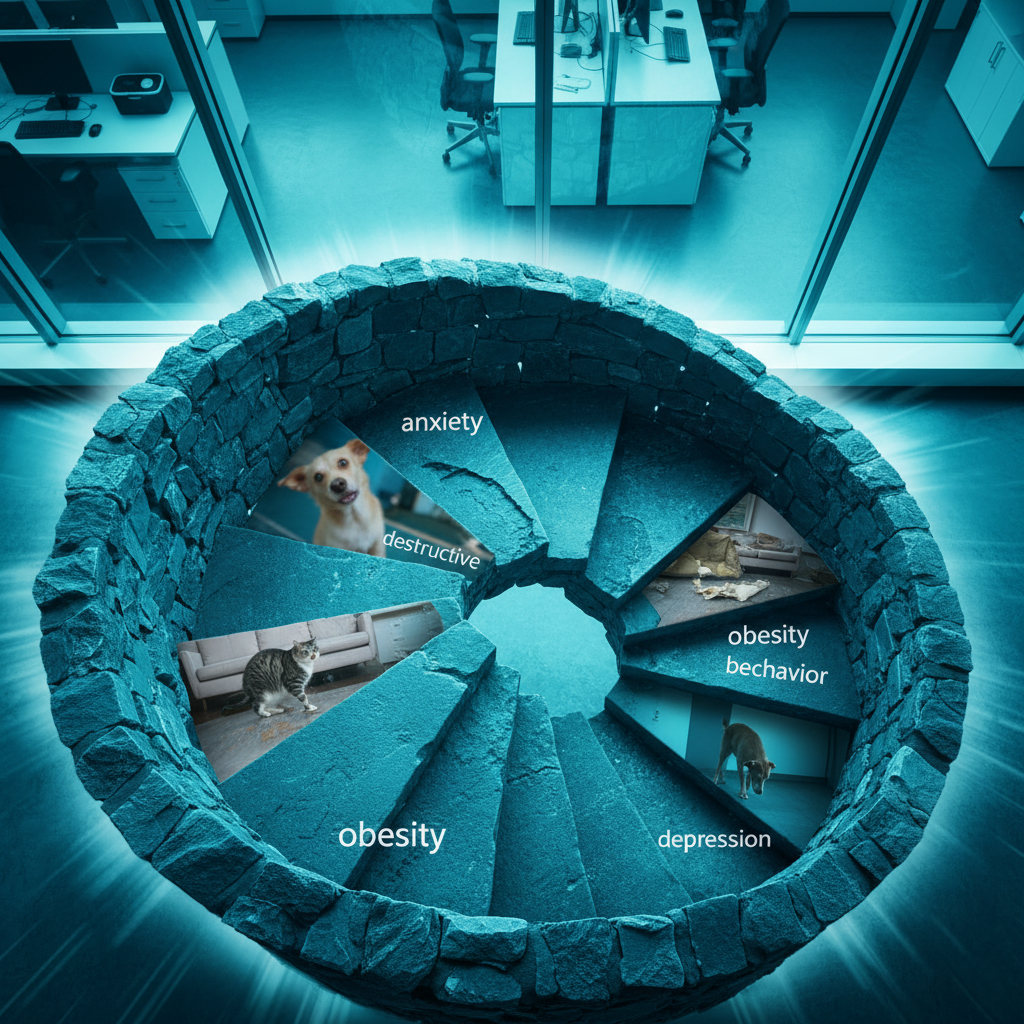
The Downward Spiral: When Imbalance Takes Hold
The absence of a balanced lifestyle doesn’t just hinder optimal health; it can actively contribute to a downward spiral of negative consequences. Consider the following scenario:
A young, intelligent Border Collie named Skye is adopted into a family with good intentions. They feed her a nutritious diet, but they work long hours and have little time to provide her with the exercise and mental stimulation she craves. Skye, left alone for extended periods, becomes increasingly bored and anxious. She starts chewing furniture, barking incessantly, and digging holes in the yard.
The family, frustrated by Skye’s destructive behavior, scolds her and further restricts her freedom. This only exacerbates her anxiety and reinforces her negative behaviors. The lack of exercise and mental stimulation leads to weight gain and physical inactivity. Skye’s health deteriorates, both physically and mentally. She becomes withdrawn, depressed, and increasingly difficult to manage.
This scenario highlights the devastating consequences of neglecting a pet’s lifestyle needs. The absence of exercise, mental stimulation, and social interaction can trigger a cascade of negative effects, leading to behavioral problems, health issues, and a diminished quality of life.
Reclaiming the Balance: Practical Steps for a Healthier Pet
So, how can you ensure that your pet is living a balanced and fulfilling life? Here are some practical steps you can take:
Assess Your Pet’s Needs
Start by assessing your pet’s individual needs based on their breed, age, health, and personality. Research the specific requirements of your pet’s breed, taking into account their energy levels, exercise needs, and mental stimulation requirements. Consult with your veterinarian to determine the appropriate diet and exercise plan for your pet’s age and health condition. Observe your pet’s behavior and identify any signs of boredom, anxiety, or stress. Tailor your approach to meet their unique needs and preferences.
Prioritize Daily Exercise
Make daily exercise a priority, even if it’s just a short walk around the block. Aim for at least 30 minutes of moderate-intensity exercise each day. Incorporate variety into your pet’s exercise routine to keep them engaged and motivated. Consider activities like hiking, swimming, fetch, or agility training. Remember to adjust the intensity and duration of exercise based on your pet’s age and health condition.
Provide Mental Stimulation
Offer a variety of mental stimulation opportunities throughout the day. Use puzzle toys that dispense treats, teach your pet new commands, and engage in interactive games like hide-and-seek. Rotate your pet’s toys regularly to keep them interested. Provide opportunities for them to explore new environments and interact with different people and animals.
Foster Social Interaction
If your pet enjoys social interaction, provide opportunities for them to interact with other animals and people. Arrange supervised playdates with other dogs, visit dog-friendly parks, and enroll your pet in group training classes. Ensure that all interactions are positive and safe. Respect your pet’s individual preferences and avoid forcing them into situations that make them uncomfortable.
Create a Stimulating Environment
Create a safe, comfortable, and stimulating environment for your pet. Provide them with a comfortable place to sleep, access to fresh water, and appropriate food bowls. Ensure that their living space is clean and free from hazards. Add toys, scratching posts, and climbing structures to encourage natural behaviors. Rotate their toys regularly to keep them interested. Provide them with access to a window where they can observe the outside world.
Monitor and Adjust
Regularly monitor your pet’s health and behavior and adjust their lifestyle accordingly. Pay attention to any changes in their appetite, energy levels, or mood. Consult with your veterinarian if you notice any signs of illness or distress. Be prepared to adapt your approach as your pet’s needs change over time. Remember that a balanced lifestyle is an ongoing process, not a one-time fix.
The Long-Term Rewards: A Life of Vibrant Well-being
Investing in a balanced lifestyle for your pet is not just about preventing problems; it’s about fostering a life of vibrant well-being. A pet who enjoys regular exercise, mental stimulation, social interaction, and a stimulating environment is more likely to be happy, healthy, and well-adjusted. They’ll be less prone to behavioral problems, less susceptible to illness, and more likely to live a long and fulfilling life.
The rewards extend beyond your pet’s individual well-being. A balanced lifestyle strengthens the bond between you and your pet, creating a deeper connection and a more fulfilling relationship. It transforms your pet from a mere companion into a cherished member of the family.

In conclusion, while proper nutrition is undoubtedly a cornerstone of pet health, it’s just one piece of a much larger puzzle. By embracing a holistic approach that prioritizes exercise, mental stimulation, social interaction, and a stimulating environment, we can unlock the true potential of nutrition and create a life of vibrant well-being for our beloved companions. It’s not just about feeding them the right food; it’s about feeding their souls.

Hi, my name is Robert Max, I live in the United States and I’m the creator of InTechNews. I started this blog with the goal of sharing reliable and practical information about pet care, helping pet owners provide a healthier and happier life for their animals. I’m passionate about animal well-being and believe that good information makes all the difference in responsible pet ownership.