
Is Your Furry Friend Trapped in a Rut? The Hidden Dangers of Pet Boredom
We shower our pets with love, provide them with food and shelter, and ensure they have the necessary veterinary care. But are we truly meeting all their needs? Often overlooked is the crucial aspect of mental and physical stimulation. A bored pet isn’t just a nuisance; it’s a pet whose well-being is silently eroding, impacting everything from their behavior to their digestion. But how can we tell if our beloved companions are simply relaxing or genuinely suffering from boredom? And, more importantly, what can we do to reignite their zest for life?
The Subtle Signs of a Bored Pet
Boredom in pets isn’t always as obvious as destructive chewing or excessive barking. Often, it manifests in more subtle ways that can easily be mistaken for other issues. Are you noticing any of these telltale signs?
- Excessive Sleeping or Lethargy: While pets naturally sleep a good portion of the day, a consistently low energy level, even when you’re offering playtime, can indicate boredom.
- Overeating or Begging for Food: Just like humans, pets may turn to food for comfort or distraction when they lack mental stimulation.
- Repetitive Behaviors: Pacing, licking paws excessively, or chasing their tail can be signs of pent-up energy and frustration.
- Changes in Appetite: Boredom can sometimes lead to a decreased appetite as the pet loses interest in their surroundings and activities.
- Increased Vocalization: Whining, howling, or barking without a clear trigger can be an attempt to gain attention and alleviate boredom.
- Destructive Behavior: Chewing furniture, digging, or scratching are common outlets for bored pets seeking stimulation.
These signs can sometimes be attributed to medical conditions, so it’s always best to consult with your veterinarian to rule out any underlying health issues. However, if your vet gives your pet a clean bill of health, boredom should definitely be considered.
The Gut-Brain Connection: How Boredom Impacts Digestion
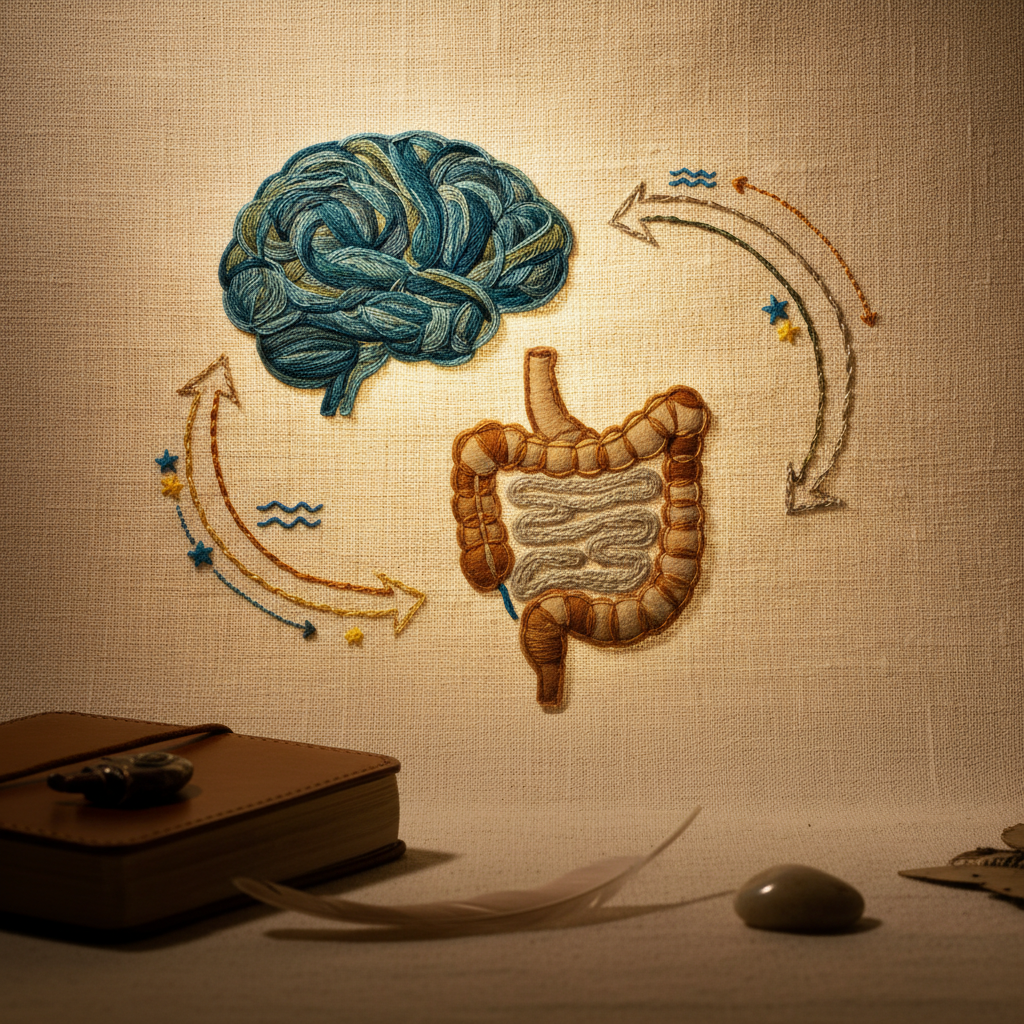
The connection between the brain and the gut, often referred to as the “gut-brain axis,” is a complex and fascinating area of research. Stress, anxiety, and, yes, even boredom, can significantly impact the delicate balance of the gut microbiome and digestive processes. Think about it: when you’re stressed, do you sometimes experience stomach problems? The same principle applies to our pets.
The Science Behind the Connection
When a pet is bored, their body experiences a cascade of hormonal changes, including an increase in cortisol, the stress hormone. Elevated cortisol levels can disrupt the gut’s natural balance, leading to several digestive issues:
- Reduced Gut Motility: Stress can slow down the movement of food through the digestive tract, leading to constipation or bloating.
- Changes in Gut Microbiome: The gut microbiome is a complex ecosystem of bacteria, fungi, and other microorganisms that play a crucial role in digestion and overall health. Stress can disrupt this balance, leading to an overgrowth of harmful bacteria and a decrease in beneficial bacteria.
- Increased Intestinal Permeability: Also known as “leaky gut,” increased intestinal permeability allows undigested food particles and toxins to leak into the bloodstream, triggering inflammation and immune responses.
- Reduced Nutrient Absorption: A compromised gut environment can hinder the absorption of essential nutrients, leading to deficiencies and impacting overall health.
These digestive issues can manifest in various ways, including vomiting, diarrhea, changes in appetite, weight loss, and abdominal discomfort. Chronic digestive problems can also weaken the immune system, making your pet more susceptible to illness.
Enrichment is Key: Unleashing Your Pet’s Inner Spark
The good news is that boredom is often easily remedied with a healthy dose of enrichment. Enrichment refers to providing your pet with opportunities to engage in natural behaviors, stimulating their mind and body. The specific types of enrichment that will be most effective will depend on your pet’s species, breed, age, and individual personality.
Enrichment Strategies for Dogs
Dogs are intelligent and active animals who thrive on mental and physical challenges. Here are some enrichment ideas to keep your canine companion happy and engaged:
- Interactive Toys: Puzzle toys, treat-dispensing toys, and snuffle mats can provide hours of entertainment and mental stimulation.
- Training Sessions: Regular training sessions, even just for a few minutes each day, can help keep your dog’s mind sharp and strengthen your bond. Teach them new tricks, practice obedience commands, or enroll in agility classes.
- Outdoor Adventures: Daily walks are essential, but consider adding variety to your routine. Explore new trails, visit dog parks, or take your dog on a hike.
- Socialization: Arrange playdates with other dogs or take your dog to dog-friendly events. Socialization is crucial for their mental and emotional well-being.
- Food Enrichment: Instead of simply putting food in a bowl, try hiding it around the house or using a slow feeder to make mealtimes more challenging and engaging.
Case Study: A client’s Labrador Retriever, Max, was constantly chewing furniture despite having plenty of toys. After implementing a daily routine of puzzle toys, short training sessions, and longer, more stimulating walks, Max’s destructive behavior completely ceased. The key was providing him with consistent mental and physical challenges.
Enrichment Strategies for Cats
Cats are often perceived as independent and low-maintenance, but they still require mental and physical stimulation to thrive. Here are some enrichment ideas to keep your feline friend entertained:
- Climbing Structures: Cats love to climb and explore vertical spaces. Provide them with cat trees, shelves, or window perches to satisfy their natural instincts.
- Scratching Posts: Scratching is a natural behavior for cats, and providing them with appropriate scratching surfaces can prevent them from scratching furniture.
- Interactive Toys: Wand toys, laser pointers, and puzzle toys can provide hours of entertainment and exercise.
- Hunting Simulations: Hide small toys or treats around the house to encourage your cat to hunt and explore.
- Window Watching: Cats enjoy watching birds and other wildlife from windows. Provide them with a comfortable perch where they can observe the outside world.
Example: My own cat, Luna, used to spend most of her day sleeping. After adding a cat tree near a window and introducing interactive play sessions with a feather wand, she became much more active and playful. Her overall mood improved dramatically, and she even started eating more regularly.
Enrichment Beyond Toys: Thinking Outside the Box
Enrichment doesn’t always have to involve expensive toys or elaborate setups. Sometimes, the simplest changes can make a big difference. Consider these creative enrichment ideas:
- Rotating Toys: Instead of leaving all your pet’s toys out at once, rotate them regularly to keep things fresh and exciting.
- Creating Sensory Experiences: Introduce new smells, textures, and sounds to your pet’s environment. For example, you could bring in a box filled with leaves or let them explore a cardboard box.
- Changing the Environment: Rearrange furniture, add new plants, or create a cozy den for your pet to explore.
- Involving Your Pet in Daily Activities: Let your dog “help” with chores like bringing in the newspaper or carrying groceries. Allow your cat to supervise you while you cook or work on the computer.
The key is to be creative and observant. Pay attention to your pet’s individual preferences and tailor your enrichment strategies to their specific needs. What truly sparks their interest? What makes them feel excited and engaged?
The Power of a Nutritious Diet: Fueling Body and Mind
While enrichment plays a crucial role in combating boredom and promoting overall well-being, it’s equally important to provide your pet with a nutritious diet that supports both their physical and mental health. A balanced diet provides the essential nutrients needed for optimal brain function, energy levels, and gut health.
The Importance of High-Quality Ingredients
Choose a pet food that is made with high-quality, whole-food ingredients. Look for foods that are rich in protein, healthy fats, and complex carbohydrates. Avoid foods that contain artificial colors, flavors, and preservatives.
Specific Nutrients for Brain Health
Certain nutrients are particularly important for brain health and cognitive function. These include:
- Omega-3 Fatty Acids: Found in fish oil and flaxseed, omega-3 fatty acids support brain cell function and reduce inflammation.
- Antioxidants: Found in fruits and vegetables, antioxidants protect brain cells from damage caused by free radicals.
- B Vitamins: B vitamins play a crucial role in energy production and nerve function.
Consider adding supplements to your pet’s diet to ensure they are getting enough of these essential nutrients. Always consult with your veterinarian before adding any new supplements to your pet’s diet.
Fiber and Gut Health
As we’ve discussed, gut health is closely linked to brain health. A diet rich in fiber can help promote a healthy gut microbiome and improve digestion. Good sources of fiber include fruits, vegetables, and whole grains.

Creating a Boredom-Busting Lifestyle: A Holistic Approach
Combating pet boredom requires a holistic approach that addresses both mental and physical needs. It’s not enough to simply provide your pet with toys or feed them a healthy diet. You need to create a lifestyle that is stimulating, engaging, and fulfilling.
Establishing a Routine
Pets thrive on routine. Establishing a consistent daily schedule for feeding, exercise, and playtime can help reduce anxiety and boredom. When they know what to expect, they feel more secure and relaxed.
Prioritizing Playtime
Make playtime a priority. Set aside dedicated time each day to engage in interactive play with your pet. This not only provides mental and physical stimulation but also strengthens your bond.
Embracing Variety
Avoid monotony. Vary your pet’s routine, introduce new toys and activities, and explore new places together. Keep things fresh and exciting to prevent boredom from setting in.
Recognizing Individual Needs
Every pet is an individual with unique needs and preferences. Pay attention to your pet’s specific personality and tailor your approach accordingly. What works for one pet may not work for another.
Example: A senior dog with arthritis may not be able to participate in strenuous activities, but they can still benefit from gentle walks, puzzle toys, and mental stimulation exercises. A high-energy puppy, on the other hand, may require more intense physical activity and challenging training sessions.
The Long-Term Benefits of a Happy, Engaged Pet
Investing in your pet’s mental and physical well-being is an investment in their overall health and happiness. A happy, engaged pet is less likely to develop behavioral problems, suffer from digestive issues, or experience other health problems. They are also more likely to live longer, healthier, and more fulfilling lives.
Stronger Bonds and Deeper Connections
When you actively engage with your pet and provide them with the stimulation they need, you strengthen your bond and deepen your connection. Playtime, training sessions, and shared adventures create lasting memories and foster a sense of mutual love and respect.
Reduced Stress and Anxiety
A bored pet is often a stressed pet. By providing them with enrichment and a stimulating environment, you can help reduce their stress and anxiety levels. This can lead to a calmer, more relaxed pet who is better able to cope with challenges.
Improved Physical Health
Physical activity is essential for maintaining a healthy weight, strengthening muscles and bones, and preventing chronic diseases. An engaged pet is more likely to be active and maintain a healthy lifestyle.
Enhanced Cognitive Function
Mental stimulation helps keep your pet’s mind sharp and improves cognitive function. This can help prevent age-related cognitive decline and keep your pet alert and engaged well into their senior years.

Don’t Wait: Take Action Today
It’s easy to fall into a routine and overlook the importance of mental and physical stimulation for our pets. But boredom is a serious issue that can have significant consequences for their health and well-being. Don’t wait until your pet develops behavioral problems or digestive issues to take action. Start implementing enrichment strategies today and create a lifestyle that is stimulating, engaging, and fulfilling.
Start Small, Be Consistent
You don’t have to make drastic changes overnight. Start small and gradually introduce new enrichment activities into your pet’s routine. The key is to be consistent and make enrichment a regular part of their day.
Observe and Adapt
Pay attention to your pet’s reactions and adjust your approach accordingly. What activities do they enjoy the most? What seems to bore them? Tailor your enrichment strategies to their individual needs and preferences.
Seek Professional Guidance
If you’re struggling to find effective enrichment strategies for your pet, don’t hesitate to seek professional guidance. A veterinarian, certified dog trainer, or animal behaviorist can provide valuable insights and recommendations.
The Reward is Worth the Effort
Creating a boredom-busting lifestyle for your pet requires effort and commitment. But the rewards are well worth it. A happy, engaged pet is a joy to be around and will enrich your life in countless ways. They’ll be healthier, happier, and more connected to you, and isn’t that what every pet owner ultimately wants?
Ultimately, recognizing and addressing your pet’s boredom is an act of love and responsible pet ownership. By providing them with the mental and physical stimulation they need, you are not only improving their quality of life but also strengthening your bond and creating a deeper connection. So, take a moment to assess your pet’s current lifestyle and identify areas where you can introduce more enrichment. Your furry friend will thank you for it, with a wagging tail, a purr, and a lifetime of love and companionship. Let’s make sure they aren’t just existing, but truly living.

Hi, my name is Robert Max, I live in the United States and I’m the creator of InTechNews. I started this blog with the goal of sharing reliable and practical information about pet care, helping pet owners provide a healthier and happier life for their animals. I’m passionate about animal well-being and believe that good information makes all the difference in responsible pet ownership.