
Beyond the Bowl: Why Routine is the Real Superfood for Your Pet
We lavish attention on our pets, showering them with affection, toys, and the latest gourmet kibble. We meticulously research ingredient lists, ensuring their food is packed with all the right nutrients. We pat ourselves on the back for being such responsible pet parents. But are we truly giving them everything they need to thrive? Often overlooked amidst the focus on diet is a fundamental pillar of pet well-being: routine.
Think of it this way: you can feed a plant the most expensive fertilizer, but without consistent watering and sunlight, it will wither. Similarly, a pet fed the “best” food but lacking a structured routine may still suffer from anxiety, behavioral issues, and even physical ailments. Routine isn’t just about convenience for us; it’s about providing a sense of security, predictability, and purpose for our beloved companions.
But what exactly constitutes a “routine” for a pet? It’s more than just feeding them at the same time each day. It encompasses a holistic approach to their daily lives, incorporating regular exercise, mental stimulation, socialization, and rest. It’s about creating a predictable rhythm that allows them to anticipate what comes next, reducing stress and fostering a sense of calm.
The Biological Clock: Why Pets Crave Predictability
Animals, like humans, possess an internal biological clock, also known as the circadian rhythm. This internal clock regulates various bodily functions, including sleep-wake cycles, hormone production, and even digestion. When this rhythm is disrupted, it can lead to a cascade of negative consequences.
Imagine constantly shifting your own sleep schedule. One night you go to bed at 9 pm, the next at 2 am. How would you feel? Disoriented, irritable, and likely experiencing physical discomfort. Pets experience similar effects when their routines are erratic.
A consistent routine, on the other hand, reinforces their circadian rhythm, promoting better sleep, improved digestion, and a more balanced hormonal system. This, in turn, contributes to a stronger immune system and overall better health. Think of it as fine-tuning their internal mechanisms for optimal performance.
The Anxious Pet: Calming Fears Through Consistency
Anxiety is a common issue in pets, often manifesting as excessive barking, destructive behavior, or even aggression. While genetics and past experiences can play a role, a lack of routine can significantly exacerbate anxiety.
Unpredictability breeds insecurity. A dog that doesn’t know when its next meal will be, when it will be taken outside to relieve itself, or when it will receive attention is constantly in a state of heightened alert. This chronic stress can lead to behavioral problems and a diminished quality of life.
A well-defined routine provides a sense of control and security. When a pet knows what to expect, they can relax and feel more confident in their environment. This is particularly important for rescue animals who may have experienced trauma or instability in their past. A structured routine can help them learn to trust and feel safe.

Building a Routine That Works: Practical Tips for Pet Owners
Creating a routine for your pet doesn’t have to be complicated or time-consuming. It’s about establishing consistent habits and sticking to them as much as possible. Here are some practical tips to get you started:
Feeding Schedules: More Than Just Filling the Bowl
Establish consistent feeding times. Avoid free-feeding, where food is constantly available, as this can lead to overeating and weight gain. Instead, offer measured portions at the same time each day. This not only helps regulate their metabolism but also provides a sense of anticipation and satisfaction.
Consider using puzzle feeders or slow-feed bowls to make mealtimes more engaging and prevent rapid eating, which can cause bloating and digestive issues. It transforms a simple act of eating into a mental challenge, providing enrichment and slowing down the process.
Exercise and Play: Burning Energy and Building Bonds
Regular exercise is crucial for both physical and mental well-being. The amount and type of exercise will vary depending on your pet’s breed, age, and health condition. However, aim for at least 30 minutes of moderate exercise each day.
This could include walks, runs, playtime in the park, or even interactive games indoors. Vary the activities to keep things interesting and prevent boredom. Rotate toys, introduce new challenges, and explore different environments.
Consistent walks at the same time each day can be particularly beneficial for dogs, providing them with opportunities to explore their surroundings, socialize with other dogs, and relieve themselves on a predictable schedule.
Grooming and Hygiene: More Than Just Aesthetics
Regular grooming is essential for maintaining your pet’s hygiene and preventing skin problems. Establish a grooming routine that includes brushing, bathing (as needed), nail trimming, and ear cleaning.
Make it a positive experience by using gentle handling and rewarding your pet with treats. This will help them associate grooming with positive reinforcement, making it easier and less stressful for both of you.
Routine dental care is also crucial for preventing periodontal disease, which can lead to serious health problems. Brush your pet’s teeth regularly or use dental chews and toys to help keep their teeth clean.
Mental Stimulation: Preventing Boredom and Destructive Behavior
Pets, especially dogs and cats, need mental stimulation to prevent boredom and destructive behavior. Provide them with puzzle toys, interactive games, and opportunities to learn new things.
Teach them tricks, play hide-and-seek, or create obstacle courses in your home. Rotate toys regularly to keep them engaged and prevent them from becoming bored.
Consider enrolling your dog in obedience classes or agility training to provide them with mental and physical challenges. This can also be a great way to strengthen your bond and improve communication.
Rest and Relaxation: Creating a Calm Environment
Ensure your pet has a comfortable and quiet place to rest where they can feel safe and secure. This could be a crate, a bed, or even just a designated corner of the room.
Avoid disturbing them when they are resting, and create a calm and relaxing atmosphere in your home. Minimize loud noises, sudden movements, and other stressors.
Establish a bedtime routine to help your pet wind down and prepare for sleep. This could include a gentle massage, a quiet cuddle, or a relaxing walk.

The Ripple Effect: How Routine Benefits Both Pet and Owner
While the primary focus of establishing a routine is to benefit your pet, it’s important to recognize that it also offers significant advantages for you, the owner.
A predictable routine can simplify your life, reduce stress, and improve your relationship with your pet. When you know what to expect each day, you can plan your activities more efficiently and avoid last-minute surprises.
Furthermore, a well-behaved and happy pet is a joy to be around. When your pet’s needs are consistently met, they are less likely to exhibit behavioral problems or destructive tendencies. This can lead to a more harmonious and enjoyable living environment for everyone.
Case Study: From Anxious Pup to Confident Companion
Consider the case of Bella, a rescue dog who suffered from severe anxiety and separation issues. Her new owners, Sarah and John, were initially overwhelmed by her constant barking, destructive chewing, and clingy behavior.
They consulted with a veterinarian and a certified dog trainer, who recommended establishing a consistent routine to help Bella feel more secure and confident.
Sarah and John implemented a structured daily schedule that included consistent feeding times, regular walks, playtime in the park, and quiet time in her crate. They also used positive reinforcement techniques to reward Bella for good behavior.
Gradually, Bella’s anxiety began to subside. She started barking less, chewing less, and became more independent. She learned to trust that her needs would be met, and she no longer felt the need to constantly seek reassurance.
Within a few months, Bella transformed from an anxious and insecure pup into a confident and well-adjusted companion. Sarah and John were amazed by the positive impact that routine had on her life, and they realized that it had also made their lives easier and more enjoyable.
Beyond the Basics: Tailoring the Routine to Your Pet’s Needs
While the general principles of establishing a routine apply to most pets, it’s important to tailor the specific details to your individual pet’s needs and personality.
Consider your pet’s breed, age, health condition, and temperament when designing their routine. Some breeds are more energetic and require more exercise than others. Senior pets may need more rest and gentle care. And pets with medical conditions may require specialized routines to manage their symptoms.
Observe your pet’s behavior and adjust the routine as needed. If they seem bored or restless, try adding more mental stimulation or exercise. If they seem stressed or overwhelmed, try reducing the intensity of the activities or providing them with more quiet time.
The key is to be flexible and responsive to your pet’s needs, and to create a routine that works for both of you.
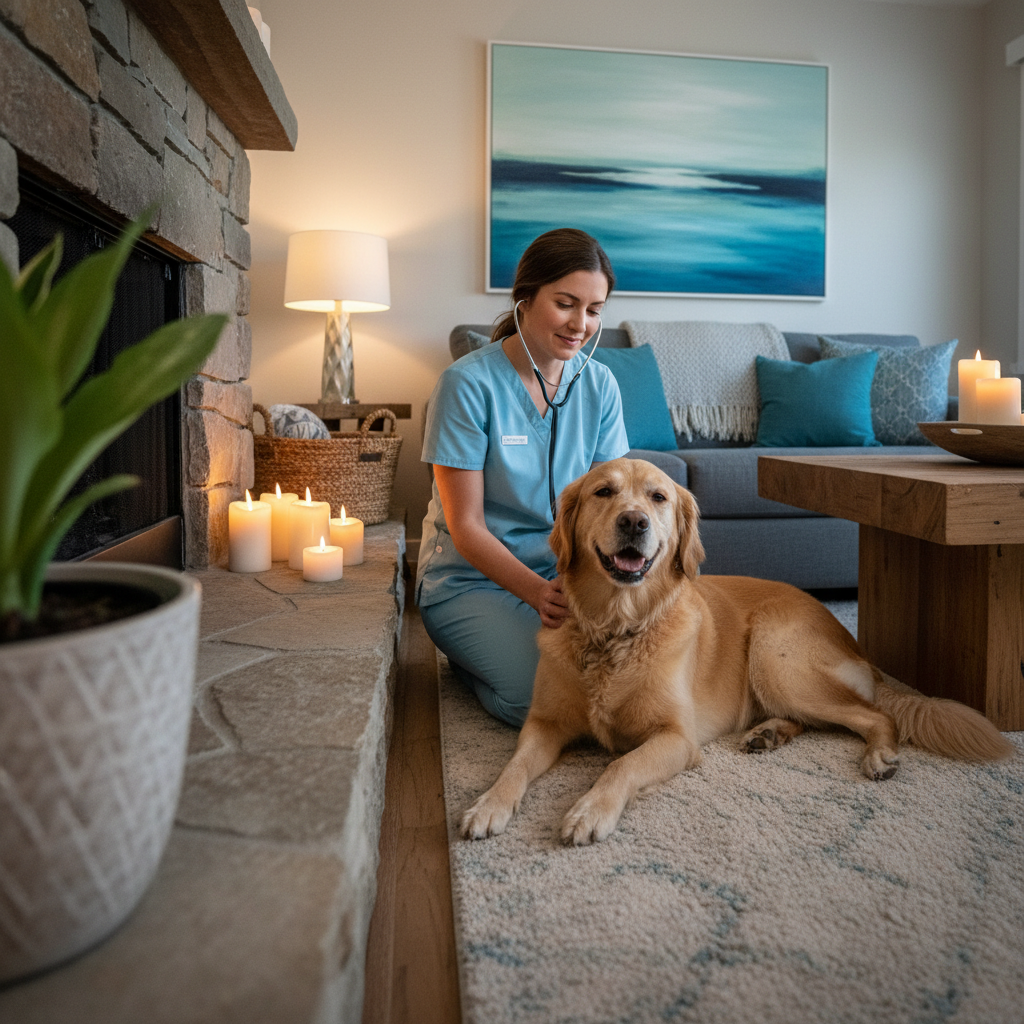
Common Pitfalls to Avoid: Maintaining Consistency and Adaptability
Even with the best intentions, it’s easy to fall into common pitfalls when establishing and maintaining a routine for your pet. Here are some key considerations to keep in mind:
The Weekend Shift: Maintaining Consistency on Weekends
It’s tempting to relax the routine on weekends, but doing so can disrupt your pet’s circadian rhythm and lead to behavioral problems. Try to maintain as much consistency as possible, even on weekends.
If you need to deviate from the routine, do so gradually and avoid making drastic changes. For example, if you typically feed your dog at 7 am on weekdays, you can shift the feeding time to 8 am on weekends, but avoid pushing it back to 10 am or later.
Travel and Disruptions: Adapting to Unforeseen Circumstances
Life happens, and sometimes unforeseen circumstances can disrupt your pet’s routine. Travel, vet appointments, and unexpected emergencies can all throw things off.
When these situations arise, try to minimize the disruption as much as possible. Pack familiar toys and bedding to help your pet feel more comfortable in new environments. Stick to their feeding schedule as closely as possible, and provide them with plenty of reassurance and attention.
If you know that a disruption is coming, prepare your pet in advance by gradually adjusting their routine. For example, if you’re planning a trip, start packing their bags a few days ahead of time so they can get used to the idea.
The “Too Busy” Excuse: Prioritizing Your Pet’s Needs
It’s easy to let your pet’s routine slip when you’re feeling busy or stressed. However, remember that consistency is crucial for their well-being.
Make your pet’s routine a priority, just like you would any other important appointment. Schedule their walks, playtime, and grooming sessions into your calendar and stick to them as much as possible.
If you’re struggling to find the time, consider delegating some of the tasks to other family members or hiring a pet sitter or dog walker to help out.

The Long-Term Investment: A Healthier, Happier Companion
Establishing a consistent routine for your pet is an investment in their long-term health and well-being. It’s not a quick fix or a magic bullet, but rather a fundamental aspect of responsible pet ownership.
By providing your pet with a predictable and structured environment, you can reduce their stress, improve their behavior, and strengthen your bond. You’ll also be contributing to their overall health and happiness, ensuring that they live a long and fulfilling life.
So, the next time you’re meticulously measuring out their food or researching the latest gourmet treats, remember that routine is just as important, if not more so. It’s the invisible ingredient that transforms a good diet into a truly nourishing and life-enhancing experience for your beloved companion. Are you ready to commit to giving your pet the gift of routine? They’ll thank you for it, in their own special way.

Hi, my name is Robert Max, I live in the United States and I’m the creator of InTechNews. I started this blog with the goal of sharing reliable and practical information about pet care, helping pet owners provide a healthier and happier life for their animals. I’m passionate about animal well-being and believe that good information makes all the difference in responsible pet ownership.