
The Silent Epidemic: Unhealthy Pets in a Modern World
We adore our pets. They are family. We shower them with affection, toys, and what we believe is the best possible care. But have you ever stopped to consider whether our modern lifestyles, ironically, are contributing to a silent epidemic of unhealthy pets? We meticulously curate our own diets, track our steps, and obsess over organic produce, yet often overlook the fundamental needs of our furry companions, trapping them in a cycle of processed foods, sedentary living, and ultimately, diminished well-being. Are we truly giving them the best life, or are we projecting our own flawed habits onto them?
The truth is, the conveniences of modern living – pre-packaged pet food, extended indoor time, and altered social structures – are taking a toll. We see the evidence in rising rates of obesity, diabetes, allergies, and a host of other ailments plaguing our beloved animals. It’s a harsh reality, but one we must confront if we genuinely want to improve the quality and longevity of their lives. This isn’t about assigning blame; it’s about fostering awareness and empowering pet owners to make informed choices that prioritize their pet’s health above all else. Let’s delve into the core issues and explore practical solutions for creating a healthier, happier life for our four-legged friends.
The Processed Food Paradox
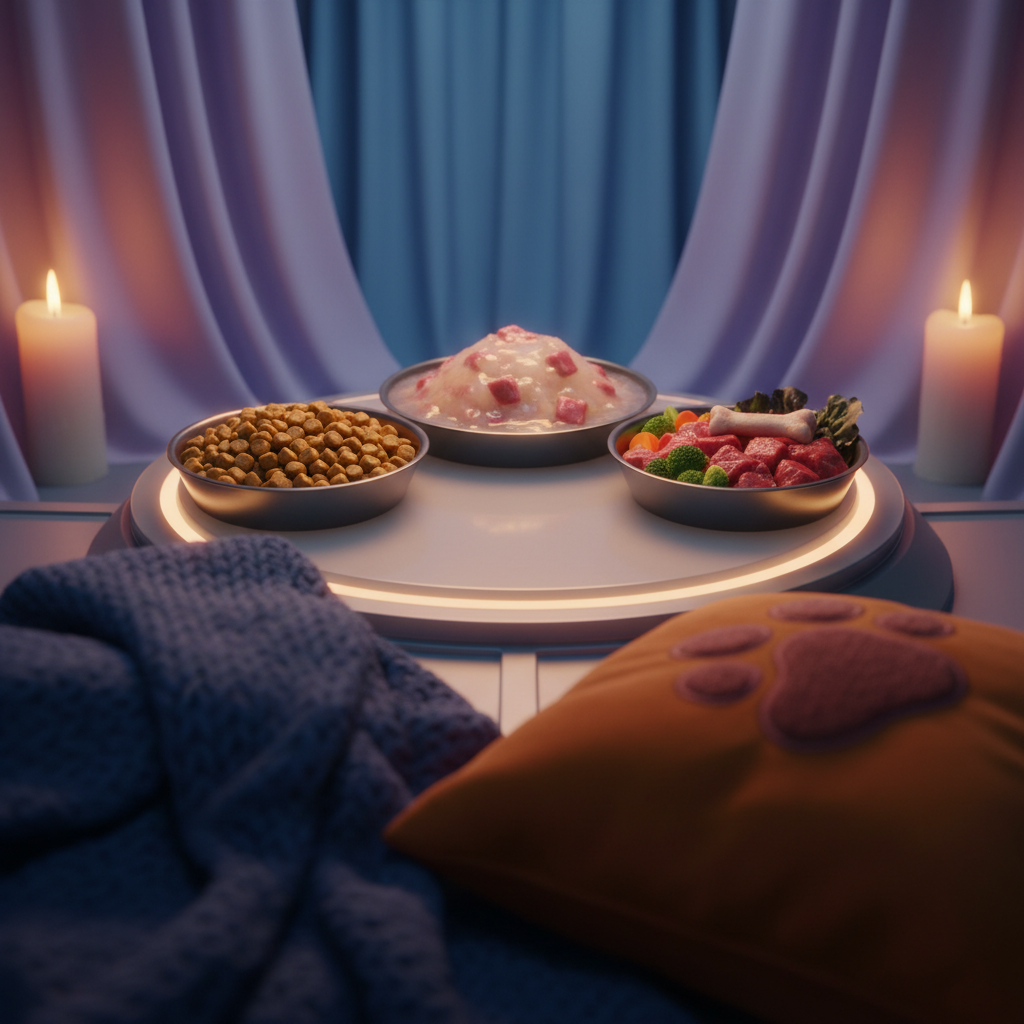
The pet food industry has exploded in recent decades, offering a dizzying array of kibble, wet food, and treats, all promising optimal nutrition. But beneath the glossy packaging and enticing marketing claims lies a complex reality. Many commercially available pet foods are heavily processed, containing ingredients that are far removed from a pet’s natural diet. High levels of carbohydrates, artificial additives, and low-quality protein sources are common culprits, contributing to a range of health problems.
Consider the typical bag of dry kibble. It often contains a significant amount of corn, wheat, or soy – inexpensive fillers that provide minimal nutritional value for carnivorous animals like cats and dogs. These grains can lead to digestive issues, allergies, and weight gain. Furthermore, the high-heat processing used to create kibble destroys many of the essential nutrients, necessitating the addition of synthetic vitamins and minerals. While these supplements may meet basic nutritional requirements, they often lack the bioavailability and synergistic effects of naturally occurring nutrients found in whole foods.
Wet food, while often perceived as healthier, can also be problematic. Many formulas are loaded with artificial flavors, preservatives, and thickeners to improve palatability and shelf life. These additives can disrupt the gut microbiome and contribute to inflammation throughout the body. Moreover, some wet foods contain excessive amounts of salt, which can be detrimental to pets with kidney or heart conditions.
The key is to become a discerning label reader. Look beyond the marketing hype and scrutinize the ingredient list. Opt for foods that prioritize whole, recognizable ingredients, such as meat, vegetables, and fruits. Avoid products that contain excessive amounts of grains, by-products, artificial additives, and preservatives. Consider exploring alternative feeding options, such as raw food diets or home-cooked meals, under the guidance of a veterinarian or qualified pet nutritionist. Transitioning to a healthier diet can be a game-changer, leading to improved digestion, increased energy levels, and a reduced risk of chronic diseases.
The Sedentary Lifestyle Trap
In the wild, animals are constantly on the move, hunting for food, exploring their territory, and engaging in social interactions. Their bodies are designed for activity, and a sedentary lifestyle can have devastating consequences. Unfortunately, many modern pets are confined to indoor environments for extended periods, with limited opportunities for exercise and mental stimulation. This lack of physical activity contributes to obesity, muscle loss, joint problems, and a host of other health issues.
Think about the typical day of a house cat. They may spend hours sleeping, grooming, or staring out the window, with only brief bursts of activity. Similarly, many dogs are walked on a leash for a short period each day, but otherwise spend their time lounging around the house. This level of inactivity is far from ideal, especially for breeds that were originally bred for hunting, herding, or other physically demanding tasks.
The solution is to incorporate more physical activity into your pet’s daily routine. For dogs, this could involve longer walks, runs, hikes, or trips to the dog park. Interactive games like fetch, frisbee, and tug-of-war can also provide valuable exercise and mental stimulation. For cats, create an enriched indoor environment with climbing structures, scratching posts, and interactive toys. Puzzle feeders can encourage them to work for their food, providing both mental and physical challenges. Consider leash-training your cat and taking them for walks in a safe, controlled environment.
Remember that exercise is not just about physical health; it’s also crucial for mental and emotional well-being. Regular physical activity can help reduce stress, anxiety, and boredom, leading to a happier, more balanced pet. Aim for at least 30 minutes of moderate-intensity exercise per day for dogs, and 15-20 minutes for cats. Adjust the intensity and duration based on your pet’s age, breed, and overall health.
The Social Isolation Factor
Animals are social creatures, and social interaction is essential for their well-being. In the wild, they live in groups, forming bonds, communicating, and engaging in cooperative behaviors. However, many modern pets are kept in isolation, with limited opportunities to interact with other animals or even humans. This lack of social interaction can lead to loneliness, boredom, anxiety, and behavioral problems.
Consider the single-cat household. While some cats may thrive in solitude, others may suffer from a lack of companionship. Similarly, dogs that are left alone for extended periods each day can experience separation anxiety and develop destructive behaviors. Even pets that live in multi-pet households may not receive adequate social stimulation if they are not properly introduced or if they have conflicting personalities.
The key is to provide your pet with ample opportunities for social interaction. For dogs, this could involve regular playdates with other dogs, visits to the dog park, or participation in group training classes. For cats, consider adopting a second cat or providing them with plenty of interactive playtime with you. If you have multiple pets, ensure that they have adequate space and resources to avoid conflict. Provide them with separate feeding bowls, sleeping areas, and litter boxes. Monitor their interactions closely and intervene if necessary to prevent aggression or bullying.
Even if you have a busy schedule, make an effort to spend quality time with your pet each day. Engage in activities that they enjoy, such as cuddling, playing, or simply talking to them. Your attention and affection can go a long way in alleviating loneliness and promoting emotional well-being. Remember, a happy, well-socialized pet is a healthier pet.

The Environmental Toxin Overload
Our modern homes are often filled with a variety of chemicals and toxins that can negatively impact our pet’s health. From cleaning products to air fresheners to pesticides, our pets are constantly exposed to substances that can disrupt their endocrine system, damage their organs, and increase their risk of cancer. Because pets spend a significant amount of time on the floor, grooming themselves, they are particularly vulnerable to these environmental toxins.
Consider the common household cleaning products. Many contain harsh chemicals that can irritate your pet’s skin, eyes, and respiratory system. Similarly, air fresheners and scented candles release volatile organic compounds (VOCs) into the air, which can trigger allergies and respiratory problems. Pesticides used to control fleas, ticks, and other pests can also be highly toxic to pets, especially if they are not used according to the label instructions.
The solution is to minimize your pet’s exposure to these environmental toxins. Opt for natural, non-toxic cleaning products. Avoid using air fresheners and scented candles. Use pesticides sparingly and only when necessary. Consider using natural pest control methods, such as diatomaceous earth or essential oils. Vacuum regularly to remove dust and allergens from your home. Provide your pet with a clean, well-ventilated living space.
Furthermore, be mindful of the materials used in your pet’s bedding, toys, and food bowls. Avoid products that contain harmful chemicals, such as BPA, phthalates, and lead. Opt for natural, non-toxic materials, such as organic cotton, stainless steel, and ceramic. By creating a healthier, less toxic environment for your pet, you can significantly reduce their risk of developing health problems.
The Stress and Anxiety Epidemic
Modern life can be stressful, not just for humans, but also for our pets. Changes in routine, loud noises, separation anxiety, and other stressors can trigger a cascade of physiological responses that negatively impact their health. Chronic stress can weaken the immune system, disrupt the digestive system, and increase the risk of behavioral problems.
Consider the impact of fireworks on a dog with noise phobia. The loud bangs and bright flashes can trigger a panic attack, leading to destructive behavior, escape attempts, and even physical injury. Similarly, a cat that is constantly harassed by children or other pets may experience chronic stress, leading to urinary problems, digestive issues, and a suppressed immune system.
The key is to identify and minimize the stressors in your pet’s life. Create a predictable routine with regular feeding times, exercise periods, and rest times. Provide them with a safe, quiet space where they can retreat when they feel overwhelmed. Use calming pheromones, such as Adaptil for dogs or Feliway for cats, to help reduce anxiety. Consider consulting with a veterinarian or certified animal behaviorist to develop a behavior modification plan for addressing specific stressors.
Furthermore, be mindful of your own stress levels. Pets are highly sensitive to our emotions and can pick up on our stress and anxiety. By managing your own stress, you can create a calmer, more peaceful environment for your pet. Practice relaxation techniques, such as deep breathing, meditation, or yoga. Spend quality time with your pet, engaging in activities that you both enjoy. Your love and attention can be a powerful antidote to stress and anxiety.
Practical Solutions for a Healthier Pet Lifestyle
Recognizing the challenges that modern lifestyles pose to our pets is the first step. The next is actively implementing changes to improve their well-being. It’s not about perfection, but about making conscious choices that prioritize their health and happiness. Here are some practical solutions you can implement today:
Dietary Overhaul
Start by scrutinizing your pet’s food. Read labels carefully, avoiding products with excessive grains, artificial additives, and preservatives. Consider transitioning to a higher-quality commercial food or exploring raw or home-cooked diets under veterinary guidance. Introduce new foods gradually to avoid digestive upset.
Exercise Enhancement
Increase your pet’s daily activity levels. For dogs, this means longer walks, runs, or playtime in the park. For cats, provide climbing structures, interactive toys, and puzzle feeders. Even short bursts of activity throughout the day can make a difference.
Social Enrichment
Provide your pet with opportunities for social interaction. Arrange playdates with other pets, visit dog parks, or enroll in group training classes. Spend quality time with your pet each day, engaging in activities they enjoy.
Environmental Detoxification
Minimize your pet’s exposure to environmental toxins. Use natural cleaning products, avoid air fresheners, and use pesticides sparingly. Provide your pet with a clean, well-ventilated living space and non-toxic bedding and toys.
Stress Reduction Strategies
Identify and minimize stressors in your pet’s life. Create a predictable routine, provide a safe retreat, and use calming pheromones. Manage your own stress levels to create a calmer environment for your pet.
The path to a healthier pet lifestyle requires commitment, knowledge, and a willingness to adapt. It’s not a one-size-fits-all approach, and what works for one pet may not work for another. Consult with your veterinarian, a qualified pet nutritionist, or a certified animal behaviorist to develop a personalized plan that addresses your pet’s specific needs.

A Lifelong Commitment to Well-being
Ultimately, the health and well-being of our pets is our responsibility. By understanding the challenges that modern lifestyles pose and implementing practical solutions, we can create a brighter, healthier future for our beloved companions. It’s a lifelong commitment, one that requires ongoing learning, adaptation, and a deep understanding of our pet’s individual needs. But the rewards – a longer, happier, and healthier life for our furry friends – are well worth the effort. Are we ready to truly commit to providing them with the best possible life, not just in terms of love and affection, but also in terms of their physical and mental well-being? The answer, for any devoted pet owner, should be a resounding yes.
Let’s embrace a holistic approach to pet care, one that considers all aspects of their lives – diet, exercise, social interaction, environment, and mental well-being. By working together, we can create a world where all pets thrive, not just survive, in the modern world.

Hi, my name is Robert Max, I live in the United States and I’m the creator of InTechNews. I started this blog with the goal of sharing reliable and practical information about pet care, helping pet owners provide a healthier and happier life for their animals. I’m passionate about animal well-being and believe that good information makes all the difference in responsible pet ownership.