
The Hidden Dangers Behind the “Happy Chubby” Myth
We’ve all seen them – the seemingly content, slightly round pets waddling down the street. They often elicit a smile, a coo, and the phrase “happy chubby one!” But beneath the surface of that endearing image lies a serious health concern, one that pet owners often unintentionally overlook or even encourage. The truth is, overweight pets aren’t just “happy chubby ones.” They’re animals at significant risk of a host of debilitating, even life-threatening, conditions. The ramifications of excess weight extend far beyond aesthetics, impacting their quality of life, longevity, and overall well-being. But why is this issue so pervasive, and what can we, as responsible pet guardians, do to address it effectively?
It’s easy to fall into the trap of equating food with love. A treat here, a scrap there – seemingly harmless gestures that quickly add up. Marketing plays a role too; the pet food industry, while offering many beneficial products, also promotes calorie-dense foods that cater to our pets’ palates, sometimes at the expense of their health. We see adorable images of pets indulging in “paw-some” feasts, reinforcing the idea that overfeeding is an act of affection. Couple this with a generally sedentary lifestyle, particularly for indoor pets, and you have a recipe for weight gain. Before we delve into the specific health risks, it’s crucial to understand the underlying causes and the mindset that contributes to this widespread problem.
The Realities of Pet Obesity
Pet obesity is not merely a cosmetic issue; it’s a serious medical condition with far-reaching consequences. When a pet carries excess weight, it places undue stress on virtually every system in their body. This added strain can lead to a cascade of health problems, diminishing their vitality and shortening their lifespan. Ignoring this reality is akin to ignoring a ticking time bomb – the longer the excess weight persists, the greater the risk of serious health complications arising.
Consider this: every extra pound your pet carries is like you constantly carrying a heavy backpack. How would that affect your joints, your energy levels, your breathing? The same principles apply to our furry companions. They may not be able to articulate their discomfort, but their bodies are silently bearing the burden of that extra weight. It’s our responsibility to recognize the signs and take proactive steps to alleviate this burden.
The Domino Effect: Health Risks Associated with Excess Weight
The impact of excess weight on a pet’s health is far-reaching and complex. It’s not simply about fitting into a smaller collar; it’s about preventing a cascade of health issues that can significantly diminish their quality of life and lifespan. From joint problems to diabetes, the consequences of pet obesity are both numerous and severe.
Joint Problems and Arthritis
One of the most common and debilitating consequences of excess weight is joint problems. Imagine the constant strain on your knees if you were carrying an extra 20 or 30 pounds. Over time, this added pressure wears down the cartilage that cushions the joints, leading to inflammation, pain, and ultimately, arthritis. This is precisely what happens to overweight pets.
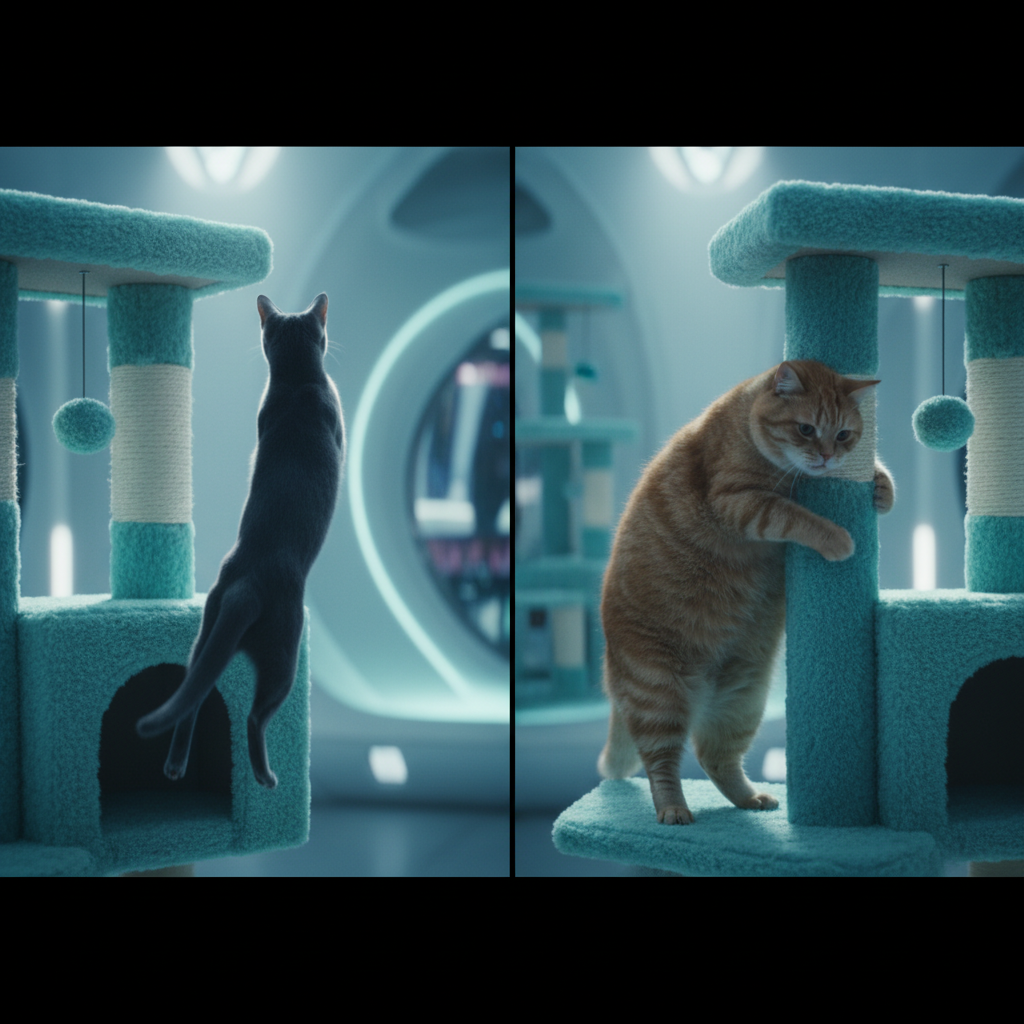
Hip dysplasia, elbow dysplasia, and cruciate ligament tears are all more prevalent in overweight dogs. These conditions can severely limit a pet’s mobility, making it difficult for them to walk, run, or even stand comfortably. Cats, while often perceived as more agile, are also susceptible to joint problems due to excess weight. They may become less inclined to jump, climb, or groom themselves, leading to a decline in their overall well-being. The pain associated with these conditions can also affect their mood and behavior, making them less playful and more irritable.
Consider the case of a Labrador Retriever named Buddy. Buddy loved to fetch and play in the park, but as he gained weight, he became increasingly reluctant to participate in these activities. His owner initially attributed it to aging, but a vet visit revealed that Buddy had developed arthritis in his hips due to excess weight. With a combination of weight management and pain medication, Buddy was able to regain some of his mobility and enjoy his favorite activities once again. This highlights the importance of recognizing the link between weight and joint health and taking proactive steps to prevent or manage these conditions.
Diabetes
Just like in humans, obesity is a major risk factor for diabetes in pets. Excess weight can lead to insulin resistance, where the body’s cells become less responsive to insulin, the hormone that regulates blood sugar levels. This can result in elevated blood sugar levels, which can damage various organs and tissues over time.
Diabetes in pets can manifest in a variety of ways, including increased thirst and urination, weight loss despite increased appetite, and lethargy. If left untreated, diabetes can lead to serious complications such as cataracts, kidney failure, and nerve damage. Managing diabetes in pets typically involves a combination of diet changes, exercise, and insulin injections. It requires a significant commitment from the owner, as regular monitoring and adjustments are necessary to keep the pet’s blood sugar levels under control.
Take the example of a fluffy Persian cat named Princess. Princess had always been a pampered indoor cat, and her owner indulged her with a constant supply of treats. Over time, Princess became significantly overweight and developed diabetes. Her owner was devastated and committed to making the necessary changes to manage her condition. With a strict diet, regular insulin injections, and plenty of love and attention, Princess was able to live a relatively normal life despite her diabetes. This underscores the importance of early detection and proactive management of diabetes in overweight pets.
Heart Disease
Excess weight puts a significant strain on the cardiovascular system. The heart has to work harder to pump blood throughout the body, which can lead to high blood pressure and an enlarged heart. Over time, this can weaken the heart muscle and increase the risk of heart failure. Overweight pets are also more likely to develop other heart-related problems, such as arrhythmias and blood clots.
Heart disease in pets can manifest in a variety of ways, including coughing, difficulty breathing, fatigue, and a decreased appetite. In severe cases, it can lead to sudden death. Managing heart disease in pets typically involves a combination of medication, diet changes, and exercise restriction. It’s crucial to work closely with a veterinarian to develop a personalized treatment plan that addresses the specific needs of the pet.
Consider a story of a spirited Border Collie named Max. Max was an active and energetic dog, but as he aged, he started to gain weight. His owner noticed that he was becoming increasingly tired and was coughing more frequently. A vet visit revealed that Max had developed heart disease due to his excess weight. With medication and a carefully managed diet, Max was able to maintain a good quality of life for several more years. This emphasizes the critical role of early diagnosis and management of heart disease in overweight pets.
Respiratory Problems
Excess weight can also compromise a pet’s respiratory system. The extra fat around the chest and abdomen can restrict lung expansion, making it difficult for them to breathe, especially during exercise or hot weather. Overweight pets are also more prone to developing respiratory infections, such as pneumonia and bronchitis.
Brachycephalic breeds, such as Bulldogs and Pugs, are particularly vulnerable to respiratory problems due to their already shortened airways. Excess weight can exacerbate these issues, leading to severe breathing difficulties. These breeds often require surgical intervention to improve their airflow. Respiratory problems can manifest in a variety of ways, including noisy breathing, panting excessively, and coughing. In severe cases, it can lead to cyanosis (a bluish discoloration of the skin) due to lack of oxygen.
Imagine a cheerful Pug named Penelope. Penelope had always struggled with breathing due to her brachycephalic features. When she gained weight, her breathing difficulties worsened significantly. Her owner noticed that she was constantly panting and had difficulty keeping up on walks. With a combination of weight loss and surgical correction of her airways, Penelope was able to breathe much easier and enjoy a better quality of life. This demonstrates the importance of recognizing the link between weight and respiratory health, particularly in predisposed breeds.
Increased Risk of Certain Cancers
Research suggests a strong correlation between obesity and an increased risk of certain cancers in pets. The exact mechanisms behind this link are not fully understood, but it is believed that excess fat tissue can produce hormones and growth factors that promote cancer cell growth. Certain cancers, such as mammary cancer in female dogs and cats, are more prevalent in overweight animals. Furthermore, obesity can make it more difficult to detect tumors during physical examinations.
Consider a study that found that overweight dogs were more likely to develop lymphoma, a type of cancer that affects the lymphatic system. The study suggested that the chronic inflammation associated with obesity may contribute to the development of this disease. Cancer can manifest in a variety of ways, depending on the type and location of the tumor. Common signs include unexplained weight loss, lethargy, loss of appetite, and the presence of lumps or bumps.
Think of a friendly German Shepherd named Duke. Duke had always been a healthy and active dog, but as he aged, he started to gain weight. His owner noticed that he was becoming increasingly tired and had lost his appetite. A vet visit revealed that Duke had developed lymphoma. While his weight wasn’t the sole cause, it was considered a contributing factor. This underlines the importance of maintaining a healthy weight to minimize the risk of cancer and other serious health problems.
Reduced Lifespan
Ultimately, all of these health problems contribute to a reduced lifespan for overweight pets. Studies have shown that obese dogs and cats live significantly shorter lives than their leaner counterparts. The chronic stress on their bodies, combined with the increased risk of disease, takes a toll over time. While genetics and other factors also play a role in longevity, maintaining a healthy weight is one of the most important things you can do to help your pet live a long and happy life.
It’s a simple equation: healthier weight equals a healthier, longer life. Every pound of excess weight shaves time off your pet’s life, reducing the number of years you get to spend together. The impact of this reduced lifespan extends beyond the pet themselves; it affects the entire family who loves and cherishes them. Preventing obesity is an act of love, a commitment to ensuring that your furry friend enjoys as many healthy and happy years as possible.
Breaking the Cycle: Strategies for Weight Management
Addressing pet obesity requires a multifaceted approach that focuses on diet, exercise, and lifestyle changes. It’s not a quick fix but rather a long-term commitment to your pet’s health and well-being. The key is to work closely with your veterinarian to develop a personalized weight management plan that addresses your pet’s individual needs.
The Importance of a Balanced Diet
Diet is the cornerstone of any successful weight management program. It’s crucial to feed your pet a high-quality diet that is appropriate for their age, breed, and activity level. Avoid feeding them table scraps or excessive treats, as these can quickly add up in calories. Pay close attention to the feeding guidelines on the pet food label and adjust the portion size accordingly. Consider using a measuring cup to ensure that you are feeding your pet the correct amount of food.
When choosing a pet food, look for one that is formulated for weight management. These diets are typically lower in calories and fat and higher in fiber, which can help your pet feel fuller for longer. Avoid foods that are high in carbohydrates, as these can contribute to weight gain. Consider incorporating canned food into your pet’s diet, as it is typically lower in calories than dry food. Always consult with your veterinarian before making any significant changes to your pet’s diet.
Think of a food bowl as a gas tank. You want to give your pet enough fuel to function optimally, but you don’t want to overfill the tank. Overfilling the tank leads to excess weight, which can bog down the engine and cause a variety of problems. By carefully monitoring your pet’s food intake and choosing a balanced diet, you can help them maintain a healthy weight and enjoy a long and active life.
The Power of Regular Exercise
Exercise is equally important for weight management. Regular physical activity helps your pet burn calories, build muscle mass, and improve their cardiovascular health. The type and amount of exercise your pet needs will depend on their breed, age, and overall health. Dogs typically benefit from daily walks, runs, or playtime in the park. Cats can be encouraged to exercise with interactive toys, such as laser pointers or feather wands. Puzzle feeders can also be a great way to encourage activity and mental stimulation.
Start slowly and gradually increase the intensity and duration of exercise over time. Avoid overexerting your pet, especially if they are overweight or have any underlying health conditions. Pay attention to their body language and stop if they appear tired or uncomfortable. Swimming can be a great low-impact exercise option for pets with joint problems. Remember, exercise should be fun for both you and your pet. Turn it into a bonding experience that you both look forward to.
Imagine a dog bounding through a field, chasing a ball with boundless energy. This is the image of a healthy and active pet, one who is enjoying the benefits of regular exercise. Exercise is not just about burning calories; it’s about improving your pet’s overall quality of life. It can reduce stress, improve sleep, and boost their immune system. Make exercise a part of your daily routine and watch your pet thrive.

The Role of Veterinary Checkups
Regular veterinary checkups are essential for monitoring your pet’s weight and overall health. Your veterinarian can assess your pet’s body condition score, which is a subjective assessment of their body fat. They can also identify any underlying health conditions that may be contributing to weight gain. Your veterinarian can provide personalized recommendations for diet, exercise, and other lifestyle changes.
Don’t hesitate to ask your veterinarian for help if you are struggling to manage your pet’s weight. They can provide valuable guidance and support. They can also rule out any medical reasons for the weight gain. Remember, your veterinarian is your partner in your pet’s health and well-being. Work together to create a plan that will help your pet live a long and healthy life.
Think of your veterinarian as a coach. They can provide you with the knowledge, tools, and support you need to help your pet achieve their weight loss goals. They can also help you stay motivated and on track. Regular checkups are not just about vaccinations and parasite prevention; they are an opportunity to assess your pet’s overall health and address any potential problems early on.
Beyond the Bowl: Addressing Emotional and Behavioral Factors
Weight management is not just about food and exercise; it’s also about addressing the emotional and behavioral factors that can contribute to overeating. Many pet owners unknowingly use food as a way to express affection or to cope with their own stress. It’s important to recognize these patterns and find healthier ways to interact with your pet.
Recognizing and Addressing Emotional Eating
Do you find yourself giving your pet treats when you’re feeling bored, stressed, or guilty? Are you using food to compensate for a lack of attention or affection? If so, you may be engaging in emotional eating. It’s important to be aware of these patterns and to find healthier ways to cope with your emotions. Instead of giving your pet a treat, try taking them for a walk, playing with them, or simply spending some quality time together.
Consider a pet owner who works long hours and feels guilty about leaving their dog home alone all day. They may compensate by giving their dog extra treats when they get home. While this may seem like a loving gesture, it can quickly lead to weight gain. A healthier approach would be to spend some quality time with the dog, taking them for a walk or playing with them in the park. This provides both physical and mental stimulation, which is much more beneficial than extra calories.
Remember, food is not a substitute for love and attention. Find healthier ways to express your affection and to meet your pet’s emotional needs. This will not only help them maintain a healthy weight but will also strengthen your bond.
Enrichment and Mental Stimulation
Boredom can be a major contributor to overeating in pets. When pets are bored, they may turn to food for entertainment. Providing them with plenty of enrichment and mental stimulation can help reduce their reliance on food for comfort. This can include puzzle toys, interactive feeders, and training sessions.
Puzzle toys challenge your pet to solve problems in order to get a treat. This provides mental stimulation and keeps them occupied for extended periods of time. Interactive feeders require your pet to work for their food, slowing down their eating and preventing them from overeating. Training sessions provide mental stimulation and strengthen the bond between you and your pet. Teach them new tricks, practice obedience commands, or simply engage in some fun playtime activities.
Think of a cat perched on a window sill, watching the birds outside. This is an example of environmental enrichment, providing the cat with visual stimulation and preventing boredom. Similarly, providing your dog with a variety of toys and activities can keep them mentally stimulated and prevent them from turning to food for entertainment. A well-stimulated pet is a happier and healthier pet.

The Power of Community: Seeking Support and Sharing Success
Weight management can be a challenging journey, but you don’t have to go it alone. Seeking support from other pet owners, veterinarians, and online communities can provide you with the motivation and resources you need to succeed.
Joining Online Communities and Support Groups
There are many online communities and support groups dedicated to pet weight management. These communities provide a safe and supportive space for pet owners to share their experiences, ask questions, and offer advice. You can find inspiration, motivation, and practical tips from other pet owners who are facing similar challenges. These communities can also help you stay accountable and on track with your weight management goals.
Imagine logging into an online forum and connecting with other pet owners who are struggling with their pets’ weight. You can share your challenges, celebrate your successes, and learn from each other’s experiences. This sense of community can be incredibly empowering and can help you stay motivated on your weight management journey.
Sharing Success Stories and Inspiring Others
Sharing your success story can inspire others to take action and improve their pets’ health. By sharing your experiences, you can show other pet owners that weight management is possible and that it can have a profound impact on their pets’ lives. You can also provide them with practical tips and advice that they can use to help their own pets.
Consider writing a blog post, creating a video, or simply sharing your story on social media. You never know who you might inspire. Your success story could be the catalyst that motivates another pet owner to take the first step towards a healthier and happier life for their furry friend.
The act of sharing not only benefits others but also reinforces your own commitment to weight management. It’s a win-win situation that can have a ripple effect, creating a community of healthier and happier pets.
Long-Term Commitment: Maintaining a Healthy Lifestyle
Weight management is not a one-time fix; it’s a long-term commitment to maintaining a healthy lifestyle for your pet. Once your pet has reached their ideal weight, it’s important to continue monitoring their weight and adjusting their diet and exercise as needed. Regular veterinary checkups are also essential for monitoring their overall health and preventing weight regain.
Regular Weight Monitoring and Adjustments
Weigh your pet regularly, ideally once a week, to monitor their progress and detect any early signs of weight gain. Keep a record of their weight and track it over time. If you notice that your pet is starting to gain weight, adjust their diet and exercise accordingly. This may involve reducing their food intake, increasing their activity level, or switching to a weight management diet.
Think of your pet’s weight as a barometer of their overall health. Regular monitoring allows you to identify any potential problems early on and take corrective action before they escalate. Just like you wouldn’t ignore a warning light on your car’s dashboard, you shouldn’t ignore changes in your pet’s weight.
The Ongoing Importance of Veterinary Care
Continue to schedule regular veterinary checkups for your pet, even after they have reached their ideal weight. Your veterinarian can assess their overall health and identify any underlying health conditions that may be contributing to weight gain or loss. They can also provide you with ongoing support and guidance to help you maintain your pet’s healthy lifestyle.

Remember, your veterinarian is your partner in your pet’s health and well-being. Work together to create a long-term plan that will help your pet live a long, healthy, and happy life. By prioritizing their health and well-being, you can ensure that they enjoy many more years of companionship and joy.
Ultimately, recognizing that overweight pets aren’t just “happy chubby ones” is the first step towards responsible pet ownership. It requires a shift in perspective, a commitment to understanding the serious health risks associated with excess weight, and a willingness to make the necessary lifestyle changes. By prioritizing your pet’s health, you’re not just adding years to their life; you’re adding life to their years, ensuring a future filled with joyful moments, playful adventures, and unwavering companionship.

Hi, my name is Robert Max, I live in the United States and I’m the creator of InTechNews. I started this blog with the goal of sharing reliable and practical information about pet care, helping pet owners provide a healthier and happier life for their animals. I’m passionate about animal well-being and believe that good information makes all the difference in responsible pet ownership.