
The Unseen Curriculum: Every Moment a Lesson
We often compartmentalize pet training. We envision dedicated sessions with treats, commands, and focused attention. While structured training is undoubtedly crucial, it’s essential to recognize that your pet is constantly learning, absorbing information, and adapting its behavior based on its experiences, both intended and unintended. The “unseen curriculum” of your pet’s life encompasses every interaction, every environment, and every reaction they observe. It’s a tapestry woven from the mundane moments, the casual encounters, and the subtle cues we often overlook. This constant learning shapes their personality, their habits, and their overall well-being.
Think about it: your dog learns where the treat jar is kept not because you explicitly showed them, but because they associate the location with the rewarding sound of the lid opening. Your cat learns that scratching the sofa gets your attention (even if it’s negative attention) and is therefore a behavior worth repeating. These seemingly insignificant occurrences are powerful teachers, subtly shaping your pet’s understanding of the world and their place within it. Are you consciously aware of the lessons you’re inadvertently teaching?
Decoding the Unspoken Language
Understanding this continuous learning process requires a shift in perspective. It means becoming more attuned to your pet’s observations, their interpretations, and the consequences that follow their actions. It’s about recognizing that your own behavior, even when you’re not actively “training,” is a constant source of information for your furry companion. Consider the tone of your voice, your body language, and the routines you establish. These all contribute to the unseen curriculum, influencing your pet’s sense of security, their confidence, and their overall behavior.
For instance, if you consistently rush through your morning walk, pulling on the leash and exhibiting impatience, your dog may learn to associate walks with stress and anxiety. Conversely, if you take the time to allow them to sniff, explore, and interact with their environment, they’ll learn to associate walks with positive experiences and mental stimulation. The difference lies not just in the physical activity, but in the emotional context you create.

The Power of Observation: Mirroring and Mimicry
Pets are masters of observation. They meticulously study our behavior, our routines, and our emotional states. They learn to anticipate our actions, to interpret our moods, and to respond accordingly. This observational learning is a powerful tool for survival and adaptation. It allows them to navigate their environment, to understand social cues, and to predict potential threats or rewards.
Dogs, in particular, are known for their ability to mirror human emotions. They can sense when we’re feeling stressed, anxious, or sad, and they often respond with comforting behaviors, such as snuggling, licking, or simply staying close. This empathetic response is not merely instinctual; it’s a learned behavior, honed through years of observation and interaction with humans. They are, in a very real sense, learning to be our companions by watching us.
The Echo Effect: How Your Emotions Shape Their Behavior
Have you ever noticed how your pet’s behavior seems to mirror your own mood? If you’re feeling irritable or impatient, they might become more restless or demanding. If you’re feeling relaxed and happy, they might become more playful and affectionate. This “echo effect” is a testament to the power of observational learning. Your pet is constantly tuning in to your emotional frequency, and their behavior is often a reflection of your own inner state. This understanding is crucial, as it highlights the responsibility we have to model the behaviors we want to see in our pets. If we want them to be calm and confident, we must strive to cultivate those qualities within ourselves.
Consider a family with a rescue dog who is initially timid and fearful. If the family members consistently project a calm and reassuring demeanor, the dog will gradually learn to associate the home environment with safety and security. Conversely, if the family members are constantly arguing or exhibiting anxious behaviors, the dog’s fearfulness may be exacerbated. The unseen curriculum, in this case, is the emotional climate of the home, which profoundly impacts the dog’s ability to heal and adapt.
Environmental Influences: Shaping Behavior Through Context
The environment in which your pet lives plays a significant role in shaping their behavior. From the sights and sounds of their surroundings to the availability of resources and the presence of other animals, every aspect of their environment contributes to their learning and development. Understanding these environmental influences is essential for creating a supportive and enriching environment that promotes positive behavior and well-being.
A cat living in a small, cluttered apartment with limited access to vertical space may develop destructive scratching behaviors out of boredom and frustration. Conversely, a cat living in a spacious home with plenty of scratching posts, climbing structures, and interactive toys is more likely to exhibit appropriate scratching behavior. The difference lies not in the cat’s inherent nature, but in the environmental context that either encourages or discourages certain behaviors.
Creating a Learning-Rich Environment
To maximize your pet’s learning potential, it’s important to create an environment that is both stimulating and safe. This means providing them with opportunities for physical exercise, mental stimulation, and social interaction. It also means minimizing exposure to stressors, such as loud noises, aggressive animals, or unpredictable routines. A learning-rich environment is one that challenges your pet to think, to explore, and to adapt, while also providing them with a sense of security and predictability.
For dogs, this might involve providing them with puzzle toys that require them to solve problems to access treats, taking them on walks in different environments to expose them to new sights and smells, or enrolling them in agility classes to challenge their physical and mental abilities. For cats, this might involve providing them with scratching posts, climbing structures, and interactive toys, as well as creating opportunities for them to engage in predatory behaviors, such as stalking and pouncing.

The Ripple Effect: Unintended Consequences of Your Actions
Every action we take, every decision we make, has a ripple effect on our pets. Even seemingly insignificant actions can have unintended consequences, shaping their behavior in ways we may not anticipate. Understanding this ripple effect is crucial for becoming a more conscious and responsible pet owner. It means carefully considering the potential impact of our actions on our pets and making choices that promote their well-being.
For example, consistently giving your dog attention when they bark at the door, even if it’s just to tell them to be quiet, can inadvertently reinforce the barking behavior. Your dog learns that barking gets them attention, which is a reward in itself. Similarly, consistently feeding your cat from the table can lead to begging behavior, as they learn that meowing or jumping on the table will result in a tasty treat. These unintended consequences can be frustrating for pet owners, but they are a direct result of the unseen curriculum at work.
Breaking the Cycle: Recognizing and Correcting Unintended Lessons
The key to breaking these cycles is to become more aware of the unintended lessons we’re teaching our pets. This means carefully observing their behavior, identifying the triggers that elicit unwanted behaviors, and modifying our own actions to avoid reinforcing those behaviors. It also means being consistent in our training and rewarding desired behaviors while ignoring or redirecting unwanted behaviors.
If your dog barks excessively at the door, try ignoring the barking and only opening the door when they are quiet. If your cat begs at the table, avoid giving them any food from the table and instead provide them with a designated feeding area where they can eat in peace. Consistency is key. It may take time and patience to break these ingrained habits, but with consistent effort and a conscious awareness of the unseen curriculum, you can successfully reshape your pet’s behavior.
The Importance of Consistency: Building a Foundation of Trust and Understanding
Consistency is the cornerstone of effective pet training and behavior management. It provides your pet with a clear understanding of your expectations, fosters a sense of security and predictability, and strengthens the bond between you and your furry companion. Inconsistency, on the other hand, can lead to confusion, anxiety, and behavioral problems. When your pet receives mixed signals, they may become unsure of what is expected of them, leading to frustration and potentially even aggression.
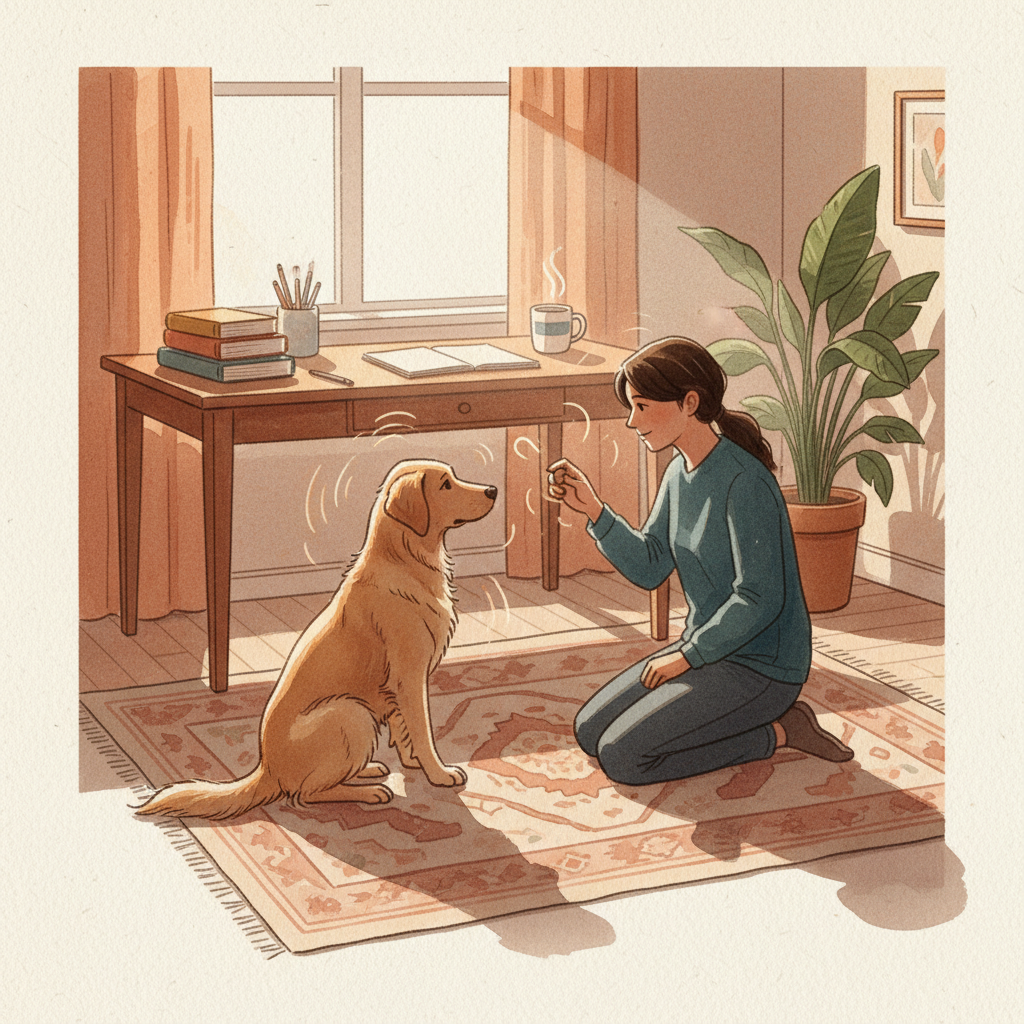
Imagine teaching your dog to sit. One day you reward them for sitting on command, the next day you ignore them, and the third day you scold them for not sitting fast enough. This inconsistency will not only confuse your dog but also erode their trust in you. They may become hesitant to perform the sit command, fearing that they will be punished for getting it wrong. A consistent approach, on the other hand, provides them with a clear understanding of the rules and reinforces the desired behavior.
Creating Predictable Routines: Reducing Anxiety and Promoting Confidence
Establishing predictable routines is another crucial aspect of consistency. Pets thrive on routine. It provides them with a sense of security and predictability, which can help to reduce anxiety and promote confidence. This includes consistent feeding times, walk times, playtime, and bedtime. When your pet knows what to expect, they are less likely to experience stress or anxiety, which can contribute to behavioral problems.
Consider a cat who is fed at different times each day. They may become anxious and demanding, constantly meowing and begging for food. A consistent feeding schedule, on the other hand, provides them with a sense of predictability and allows them to relax and trust that their needs will be met. Similarly, a dog who is walked at unpredictable times may become restless and agitated, whereas a dog who is walked at consistent times each day will be more relaxed and content.
Beyond the Basics: Embracing Lifelong Learning
Training is not a one-time event; it’s a lifelong journey. Just as humans continue to learn and grow throughout their lives, so too do our pets. Embracing this concept of lifelong learning is essential for maintaining a strong bond with your pet, addressing emerging behavioral issues, and enriching their lives through new experiences and challenges.
Think of your pet’s mind as a muscle. The more you exercise it, the stronger it becomes. By providing them with ongoing opportunities for learning and mental stimulation, you can help to keep their minds sharp, prevent boredom, and promote their overall well-being. This might involve teaching them new tricks, introducing them to new environments, or simply engaging them in interactive play.
The Rewards of Continuous Growth
The rewards of embracing lifelong learning with your pet are immeasurable. Not only will you strengthen your bond and improve their behavior, but you’ll also gain a deeper understanding of their unique personality and capabilities. You’ll discover new ways to connect with them, to challenge them, and to enrich their lives. And in the process, you’ll undoubtedly learn a few things about yourself as well.
So, the next time you’re tempted to think of training as a chore, remember the unseen curriculum. Remember that your pet is always learning, always observing, and always adapting. Embrace the opportunity to become a more conscious and responsible pet owner, and unlock the full potential of your relationship with your furry companion. The journey of lifelong learning is a shared adventure, one that will enrich both your lives in countless ways.

By understanding that your pet is always learning, and by consciously shaping their environment and interactions, you can create a truly enriching and fulfilling life for them – and for yourself. The key is to be mindful, consistent, and always open to learning alongside your furry friend.

Hi, my name is Robert Max, I live in the United States and I’m the creator of InTechNews. I started this blog with the goal of sharing reliable and practical information about pet care, helping pet owners provide a healthier and happier life for their animals. I’m passionate about animal well-being and believe that good information makes all the difference in responsible pet ownership.