
The Foundation of a Long and Healthy Life: Nutrition for Your Pet
We all want our beloved pets to live long, happy, and healthy lives. The unconditional love, playful antics, and comforting presence they bring into our homes are irreplaceable. But have you ever stopped to truly consider what fuels their vitality? What’s the secret ingredient to adding years to their lives and ensuring those years are filled with joyful moments?
The answer, quite simply, is nutrition. Just as a well-nourished human body thrives, so too does a pet’s. A proper diet is not just about filling their bellies; it’s about providing them with the essential building blocks for optimal health, longevity, and a vibrant quality of life. Think of food as medicine – a powerful tool that can prevent disease, boost immunity, and enhance overall well-being.
But navigating the world of pet food can feel overwhelming. With endless brands, formulas, and marketing claims, it’s easy to get lost in the noise. So, how do you ensure you’re making the right choices for your furry, scaled, or feathered companion? This article will delve into the intricacies of pet nutrition, providing you with the knowledge and tools to make informed decisions and pave the way for a longer, healthier life for your cherished pet.
Understanding Your Pet’s Nutritional Needs
The first step towards optimizing your pet’s diet is understanding their specific nutritional needs. These needs vary depending on a number of factors, including:
- Species: Cats, dogs, birds, reptiles, and other animals have vastly different dietary requirements. For example, cats are obligate carnivores, meaning they require a diet primarily consisting of animal protein, while dogs are omnivores and can thrive on a more varied diet.
- Breed: Certain breeds are predisposed to specific health conditions that can be managed or mitigated through diet. For instance, large-breed dogs are prone to joint problems and may benefit from foods containing glucosamine and chondroitin.
- Age: Puppies and kittens have different nutritional needs than adult or senior pets. Growing animals require more calories and protein to support their rapid development, while older pets may need fewer calories and more fiber to maintain a healthy weight and digestive system.
- Activity Level: A highly active pet will require more calories than a sedentary one. Working dogs, agility athletes, and pets that spend a lot of time outdoors need a diet that provides them with the energy to fuel their activities.
- Health Conditions: Pets with specific health conditions, such as diabetes, kidney disease, or allergies, may require specialized diets formulated to manage their condition.
Consulting with your veterinarian is crucial to determine your pet’s individual nutritional needs. They can assess your pet’s health status, activity level, and any pre-existing conditions to recommend the best diet for them.
Don’t just rely on the information on the pet food bag. While it can provide a general guideline, it’s not a substitute for personalized advice from a qualified professional. Your veterinarian can help you decipher the ingredient list, understand the nutritional analysis, and choose a food that meets your pet’s unique requirements.

Decoding the Pet Food Label: What You Need to Know
Pet food labels can be confusing and misleading. Understanding how to interpret them is essential for making informed choices about your pet’s diet. Here are some key things to look for:
The Ingredient List: More Than Just Names
The ingredient list is organized in descending order by weight, meaning the first ingredient listed is present in the largest amount. Look for a named meat source (e.g., chicken, beef, lamb) as the first ingredient. This indicates that the food is primarily based on animal protein, which is crucial for most pets, especially cats.
Avoid foods that list “meat by-products” or “unnamed meat meal” as the primary ingredients. These terms can refer to less desirable parts of the animal and may not be as nutritious as named meat sources.
Also, pay attention to the presence of fillers, such as corn, wheat, and soy. While these ingredients are not necessarily harmful in small amounts, they can be difficult for some pets to digest and provide limited nutritional value. Look for foods that use more digestible carbohydrates, such as brown rice, oats, or sweet potatoes.
Guaranteed Analysis: A Snapshot of Nutritional Content
The guaranteed analysis provides a breakdown of the food’s nutritional content, including the minimum percentage of crude protein and crude fat, and the maximum percentage of crude fiber and moisture. This information can help you compare the nutritional profiles of different foods.
However, it’s important to note that the guaranteed analysis only provides minimum and maximum values, not the actual amounts of nutrients in the food. It also doesn’t tell you anything about the quality or digestibility of the ingredients.
For example, a food with a high percentage of crude protein may not be as nutritious as a food with a lower percentage of protein if the protein source is of poor quality or difficult to digest. Consider the source of the protein in conjunction with the percentage.
AAFCO Statement: Ensuring Nutritional Adequacy
The Association of American Feed Control Officials (AAFCO) is a non-profit organization that sets standards for pet food in the United States. Look for an AAFCO statement on the label that indicates the food is “complete and balanced” for a specific life stage (e.g., growth, adult maintenance, all life stages).
This statement means that the food has been formulated to meet the minimum nutritional requirements established by AAFCO for that life stage. However, it’s important to note that these are minimum requirements, and a food that meets AAFCO standards may not necessarily be the optimal choice for your individual pet. AAFCO statements only guarantee the minimum and not the quality of the ingredients used to meet the minimum.
The AAFCO statement will also specify whether the food has been tested through feeding trials or formulated to meet AAFCO nutrient profiles. Feeding trials are considered the gold standard for evaluating the nutritional adequacy of a pet food, as they involve feeding the food to animals and monitoring their health and well-being.
Beyond the Basics: Other Important Considerations
In addition to the ingredient list, guaranteed analysis, and AAFCO statement, there are other factors to consider when choosing a pet food:
- Life Stage: Choose a food that is appropriate for your pet’s life stage. Puppy and kitten formulas are higher in calories and protein to support growth, while senior formulas are often lower in calories and higher in fiber.
- Special Needs: If your pet has any health conditions, such as allergies or sensitivities, choose a food that is formulated to address their specific needs.
- Food Sensitivities and Allergies: Some pets may have sensitivities or allergies to certain ingredients, such as chicken, beef, or wheat. If your pet experiences digestive issues, skin problems, or other symptoms after eating a particular food, consult with your veterinarian to determine if they have a food allergy or sensitivity.
- Your Budget: Pet food prices can vary widely. Choose a food that is both nutritious and affordable for you. Remember that the cheapest food is not always the best value, as it may contain lower-quality ingredients and provide less nutritional benefit.
The Power of Fresh Food: A Growing Trend
In recent years, there has been a growing trend towards feeding pets fresh, whole foods, similar to what they would eat in the wild. This approach, often referred to as “raw feeding” or “home-cooked meals,” involves preparing meals for your pet using fresh ingredients, such as meat, vegetables, fruits, and grains.
Benefits of Fresh Food Diets
Advocates of fresh food diets claim that they offer a number of benefits, including:
- Improved Digestion: Fresh foods are often easier to digest than processed kibble, which can lead to fewer digestive issues, such as gas, bloating, and diarrhea.
- Increased Energy Levels: Many pet owners report that their pets have more energy and vitality after switching to a fresh food diet.
- Healthier Skin and Coat: The omega-3 fatty acids and other nutrients found in fresh foods can promote healthy skin and a shiny coat.
- Weight Management: Fresh food diets can be easier to control portion sizes and tailor the diet to your pet’s individual needs, which can help with weight management.
- Reduced Allergies: By controlling the ingredients in your pet’s diet, you can avoid common allergens and sensitivities.
Challenges of Fresh Food Diets
While fresh food diets can be beneficial, they also present some challenges:
- Time and Effort: Preparing fresh meals for your pet can be time-consuming and require a significant amount of effort.
- Nutritional Imbalances: It’s crucial to ensure that your pet’s fresh food diet is nutritionally balanced. Otherwise, they may develop deficiencies or excesses of certain nutrients.
- Food Safety: Handling raw meat and other ingredients can pose a risk of foodborne illness for both you and your pet.
- Cost: Fresh food diets can be more expensive than commercially available pet foods, especially if you’re using high-quality ingredients.
If you’re considering switching your pet to a fresh food diet, it’s essential to consult with your veterinarian or a veterinary nutritionist. They can help you create a balanced and safe meal plan that meets your pet’s individual needs. Never attempt to formulate a fresh food diet on your own without professional guidance.

The Importance of Hydration: Water is Essential
While food is a crucial component of your pet’s health, water is equally important. Water makes up a large percentage of your pet’s body and is essential for many bodily functions, including:
- Digestion: Water helps to break down food and transport nutrients throughout the body.
- Temperature Regulation: Water helps to keep your pet cool by allowing them to sweat or pant.
- Waste Removal: Water helps to flush out toxins and waste products from the body.
- Joint Lubrication: Water helps to lubricate the joints and prevent stiffness.
Dehydration can lead to a number of health problems, including lethargy, constipation, kidney problems, and even death. Make sure your pet always has access to fresh, clean water.
Encouraging Your Pet to Drink More Water
Some pets, especially cats, don’t drink enough water. Here are some tips to encourage your pet to drink more:
- Provide Multiple Water Sources: Place water bowls in different locations around your home.
- Use a Water Fountain: Many pets prefer to drink from a water fountain, as the moving water is more appealing to them.
- Add Water to Their Food: You can add water or broth to your pet’s food to increase their fluid intake.
- Offer Wet Food: Wet food has a higher moisture content than dry food, which can help to keep your pet hydrated.
Monitor your pet’s water intake and consult with your veterinarian if you’re concerned that they’re not drinking enough.
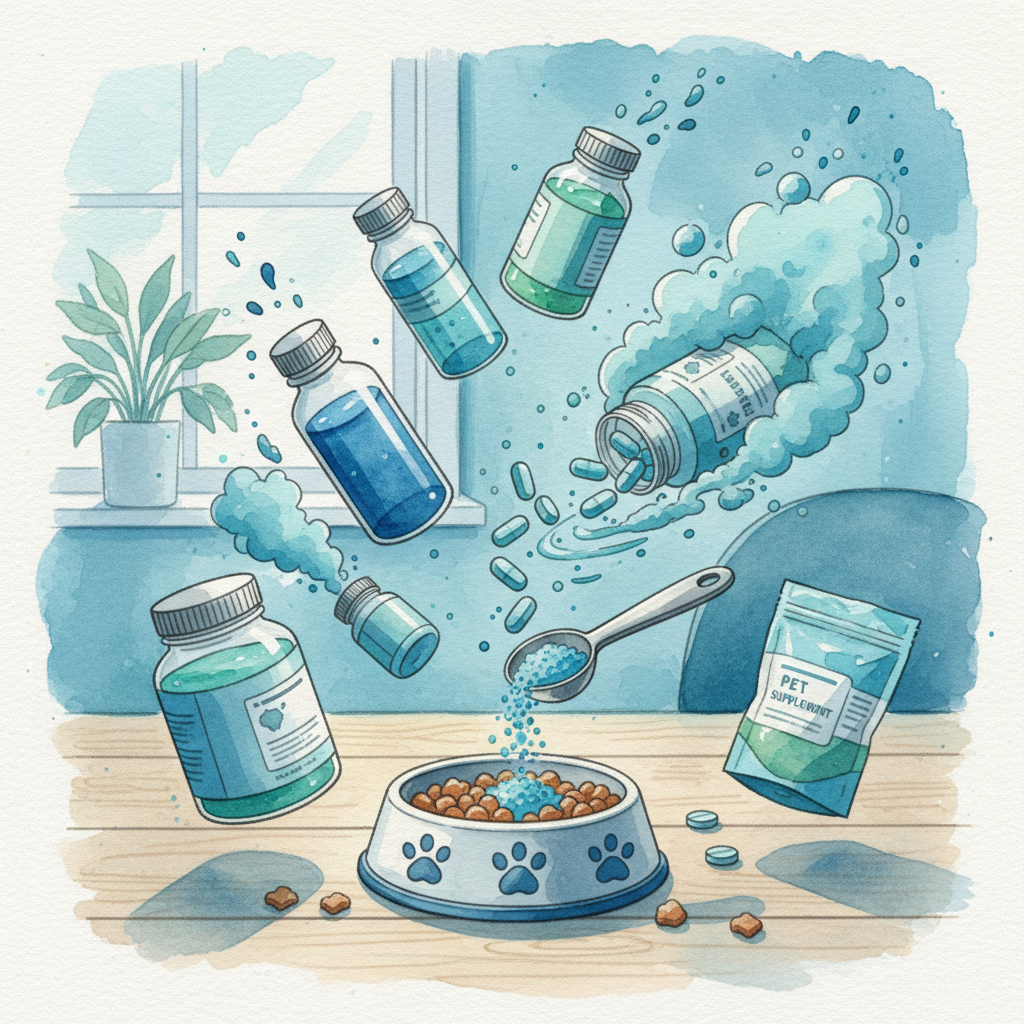
Supplements: When Are They Necessary?
The supplement industry for pets is booming, promising everything from joint support to anxiety relief. But are supplements truly necessary for your pet’s health?
In many cases, a well-balanced diet will provide your pet with all the nutrients they need. However, there are certain situations where supplements may be beneficial:
- Specific Health Conditions: Pets with certain health conditions, such as arthritis or kidney disease, may benefit from supplements that support their condition.
- Senior Pets: Senior pets may have difficulty absorbing nutrients from their food and may benefit from supplements that support their overall health.
- Homemade Diets: Pets who are fed homemade diets may require supplements to ensure they’re getting all the nutrients they need.
Before giving your pet any supplements, it’s essential to consult with your veterinarian. They can assess your pet’s health status and recommend the appropriate supplements and dosages. Never give your pet human supplements, as they may contain ingredients that are toxic to animals.
Just because a supplement is marketed as “natural” doesn’t mean it’s safe. Some supplements can interact with medications or have other adverse effects. Always do your research and consult with your veterinarian before giving your pet any new supplements.
Obesity in Pets: A Growing Epidemic
Just like in humans, obesity is a growing epidemic in pets. Overweight pets are at increased risk for a number of health problems, including:
- Diabetes: Obesity can lead to insulin resistance and diabetes.
- Arthritis: Excess weight puts stress on the joints, leading to arthritis.
- Heart Disease: Obesity can increase the risk of heart disease.
- Respiratory Problems: Overweight pets may have difficulty breathing.
- Reduced Lifespan: Obese pets tend to live shorter lives than pets who maintain a healthy weight.
Preventing and managing obesity is crucial for your pet’s health and well-being. Here are some tips to help your pet maintain a healthy weight:
- Feed the Right Amount: Measure your pet’s food and avoid free-feeding.
- Choose a Healthy Food: Choose a food that is appropriate for your pet’s life stage and activity level.
- Limit Treats: Treats should only make up a small percentage of your pet’s daily calorie intake.
- Exercise Regularly: Make sure your pet gets plenty of exercise.
If you’re concerned that your pet is overweight, consult with your veterinarian. They can help you develop a weight management plan that is tailored to your pet’s individual needs.
The Golden Years: Nutrition for Senior Pets
As pets age, their nutritional needs change. Senior pets may require fewer calories to maintain a healthy weight, as their metabolism slows down and they become less active. They may also benefit from foods that are higher in fiber to promote digestive health and lower in phosphorus to protect their kidneys.
Senior pets may also have difficulty chewing hard kibble and may prefer softer foods, such as wet food or moistened kibble. It’s also important to monitor your senior pet for any signs of dental problems, as these can make it difficult for them to eat.
Consider adding supplements like glucosamine and chondroitin to help support joint health in older animals, as arthritis is a very common ailment in senior pets.
Regular veterinary checkups are especially important for senior pets. Your veterinarian can monitor their health and make recommendations for any dietary changes or supplements that may be beneficial.

A Lifetime of Love and Nourishment
Providing your pet with optimal nutrition is an investment in their health, happiness, and longevity. By understanding their individual needs, carefully selecting their food, and monitoring their weight and health, you can help them live a long and fulfilling life by your side. Remember, food is more than just sustenance; it’s a powerful tool that can shape your pet’s well-being from puppyhood to their golden years. So, take the time to educate yourself, consult with your veterinarian, and make informed choices about your pet’s diet. The rewards will be immeasurable: years of unconditional love, playful companionship, and a bond that lasts a lifetime. The journey to a healthier, longer life for your pet starts with the food you choose today.

Hi, my name is Robert Max, I live in the United States and I’m the creator of InTechNews. I started this blog with the goal of sharing reliable and practical information about pet care, helping pet owners provide a healthier and happier life for their animals. I’m passionate about animal well-being and believe that good information makes all the difference in responsible pet ownership.