
The Unspoken Contract: Understanding Your Pet’s Dependence
We bring them into our lives, these furry, feathered, or scaled companions, often with little more than a passing thought about the magnitude of the commitment we’re making. We see the wagging tail, hear the purr, admire the vibrant plumage, and instantly, we’re smitten. But beneath the surface of that initial joy lies a profound responsibility, a silent contract etched in the very nature of the relationship: your pet depends entirely on the decisions you make. Every morsel of food, every vet visit, every moment of comfort and security rests solely on your shoulders. It’s a sobering thought, isn’t it? One that deserves far more consideration than it often receives.
Are we truly prepared to be the guardians, the providers, the advocates for these creatures who place their trust so completely in our hands? Do we understand the depth of their reliance and the potential consequences of our choices, both good and bad? This isn’t about guilt or judgment; it’s about fostering a deeper awareness, a more profound understanding of the incredible bond we share with our pets and the weighty responsibility that comes with it.
Beyond the Basics: Providing More Than Just Survival
It’s easy to fall into the trap of believing that providing food, water, and shelter is enough. After all, isn’t that the bare minimum? But our pets need so much more than just the basics to truly thrive. They need mental stimulation, social interaction, and consistent, loving care. A dog confined to a small yard all day, despite having a full bowl of food and a comfortable dog house, is not living its best life. A cat left alone for hours on end, lacking opportunities to play and engage its natural instincts, is not experiencing the fullness of its feline potential.
Consider the case of a family who adopted a beautiful, intelligent German Shepherd puppy. Initially, they were diligent, providing him with high-quality food, regular vet checkups, and a spacious backyard to roam. However, as the children grew older and their schedules became more demanding, the dog was increasingly left to his own devices. He received less and less attention, fewer walks, and little in the way of mental stimulation. The once-vibrant and eager puppy became withdrawn, anxious, and destructive. He started barking excessively, chewing on furniture, and even nipping at the children when they tried to interact with him. The family, frustrated and overwhelmed, considered rehoming him. What they failed to realize was that the dog’s behavioral problems were a direct result of their neglect. They had provided him with the necessities, but they had failed to meet his emotional and mental needs. Only after seeking guidance from a professional dog trainer and dedicating time to providing him with structured exercise, mental enrichment, and consistent training did the dog begin to recover his former joyful self. This story highlights the crucial point that our responsibility extends far beyond simply keeping our pets alive; it’s about ensuring they live fulfilling and enriching lives.

The Power of Preventative Care: Investing in Their Future
Our pets can’t tell us when they’re feeling unwell, at least not in a way that we always readily understand. They rely on us to be proactive in monitoring their health and seeking professional veterinary care when needed. This means more than just taking them to the vet when they’re visibly sick; it means scheduling regular checkups, vaccinations, and preventative treatments to protect them from potential health problems down the line. Think of it as an investment in their future, a commitment to ensuring they enjoy a long, healthy, and happy life by your side.
Preventative care is especially crucial for senior pets, who are more susceptible to age-related ailments. Regular blood work, dental cleanings, and joint supplements can make a world of difference in their comfort and quality of life. Early detection of health issues like kidney disease, arthritis, or heart problems can allow for timely intervention and management, potentially extending their lifespan and minimizing their suffering. Consider the analogy of a car: regular maintenance and servicing can prevent major breakdowns and extend the life of the vehicle. The same principle applies to our pets; preventative care can keep them running smoothly and prevent costly and potentially life-threatening health crises.
The Importance of Understanding Breed-Specific Needs
Different breeds of animals have different predispositions to certain health problems. For example, large-breed dogs are more prone to hip dysplasia, while Persian cats are more susceptible to polycystic kidney disease. Understanding the specific needs of your pet’s breed is essential for providing appropriate care and monitoring for potential health issues. This knowledge can inform your choices regarding diet, exercise, and preventative treatments. Researching your pet’s breed and consulting with your veterinarian can help you develop a comprehensive care plan tailored to their unique needs.
Advocating for Their Well-being: The Voice They Don’t Have
Our pets are vulnerable. They are entirely dependent on us to protect them from harm, to advocate for their needs, and to ensure their well-being. This means being vigilant about potential dangers in their environment, from toxic plants and household chemicals to busy roads and aggressive animals. It also means being their voice when they can’t speak for themselves, whether it’s communicating their needs to a veterinarian or standing up for their rights in situations where they might be vulnerable. Are we truly prepared to be their unwavering champions, their steadfast protectors, in a world that is not always kind or understanding?
Imagine a scenario where a dog is left in a hot car on a summer day. The dog is panting heavily, visibly distressed, and at risk of heatstroke. Someone who truly understands their responsibility as a pet owner would recognize the danger and take immediate action, whether it’s contacting the authorities or breaking a window to rescue the animal. Similarly, a responsible pet owner would never hesitate to intervene if they witnessed their pet being mistreated or abused. Advocacy means being willing to stand up for your pet, even when it’s uncomfortable or inconvenient. It means putting their needs above your own and being their unwavering voice in a world that often overlooks their vulnerability.

Navigating the Complexities of Pet Ownership
Pet ownership isn’t always easy. There will be times when you’re faced with difficult decisions, whether it’s dealing with a sick pet, managing behavioral problems, or facing the heartbreaking reality of end-of-life care. These moments require careful consideration, empathy, and a willingness to prioritize your pet’s well-being above all else. It’s in these challenging times that the true depth of our commitment is tested, and our responsibility as pet owners is most profoundly felt.
Consider the case of an elderly cat diagnosed with a terminal illness. The owner is faced with the agonizing decision of whether to pursue aggressive treatment, which might prolong the cat’s life but also cause significant pain and discomfort, or to opt for palliative care and ultimately euthanasia. This is a deeply personal decision, one that requires careful consideration of the cat’s quality of life, the owner’s financial resources, and the advice of a trusted veterinarian. There is no right or wrong answer, but the decision must be made with the cat’s best interests at heart. It’s a reminder that our responsibility extends even to the final moments of their lives, ensuring they are comfortable, pain-free, and surrounded by love.
The Emotional Rollercoaster: Embracing the Joys and the Sorrows
The bond we share with our pets is a deeply emotional one. They bring us immeasurable joy, unconditional love, and unwavering companionship. They are our confidants, our playmates, and our furry therapists. But pet ownership also comes with its share of sorrow, from the inevitable heartaches of illness and aging to the profound grief of saying goodbye. These emotional highs and lows are an integral part of the experience, and embracing them fully is essential for appreciating the depth and richness of the relationship. Are we willing to open our hearts to both the joys and the sorrows of pet ownership, knowing that the rewards far outweigh the challenges?
Think of the feeling of coming home after a long day and being greeted by an enthusiastic dog, wagging its tail and showering you with kisses. Or the comforting purr of a cat curled up on your lap, providing a sense of calm and peace. These are the moments that make pet ownership so incredibly rewarding, the moments that remind us of the profound connection we share with these animals. But we must also be prepared for the inevitable heartaches, the sleepless nights spent caring for a sick pet, the difficult conversations with the veterinarian, and the gut-wrenching grief of saying goodbye. These are the moments that test our strength and resilience, but they also deepen our appreciation for the preciousness of life and the unconditional love that our pets provide.

The Ripple Effect: How Responsible Pet Ownership Benefits Everyone
Responsible pet ownership isn’t just about caring for our own animals; it’s about contributing to a more compassionate and responsible society. By spaying or neutering our pets, we help to reduce pet overpopulation and prevent countless animals from ending up in shelters or on the streets. By training and socializing our pets, we ensure they are well-behaved and safe around other people and animals. And by advocating for animal welfare, we help to create a world where all animals are treated with respect and compassion. The ripple effect of responsible pet ownership extends far beyond our own homes, creating a more humane and caring community for everyone.
Imagine a community where all pet owners are responsible and conscientious. There would be fewer stray animals, fewer instances of animal abuse and neglect, and more opportunities for people to experience the joy and companionship of animals. Parks and public spaces would be cleaner and safer, and there would be a greater sense of community and connection among people who share a love for animals. This vision is not unattainable; it requires a collective commitment to responsible pet ownership and a willingness to advocate for animal welfare. By embracing our responsibility as pet owners, we can create a better world for ourselves, our pets, and future generations.
Beyond Ownership: Embracing Guardianship
Perhaps “ownership” is the wrong word altogether. It implies a sense of possession, a right to control and dictate. But our relationship with our pets is far more nuanced and complex than that. It’s a partnership, a bond of mutual affection and respect. Perhaps “guardianship” is a more fitting term, one that emphasizes our responsibility to protect, care for, and advocate for the well-being of these creatures who depend on us so completely. Embracing the concept of guardianship shifts our perspective from one of ownership to one of stewardship, reminding us that we are entrusted with the care of a living being who deserves our utmost respect and compassion. Are we ready to embrace this new paradigm, to see ourselves not as owners, but as guardians of these precious lives?
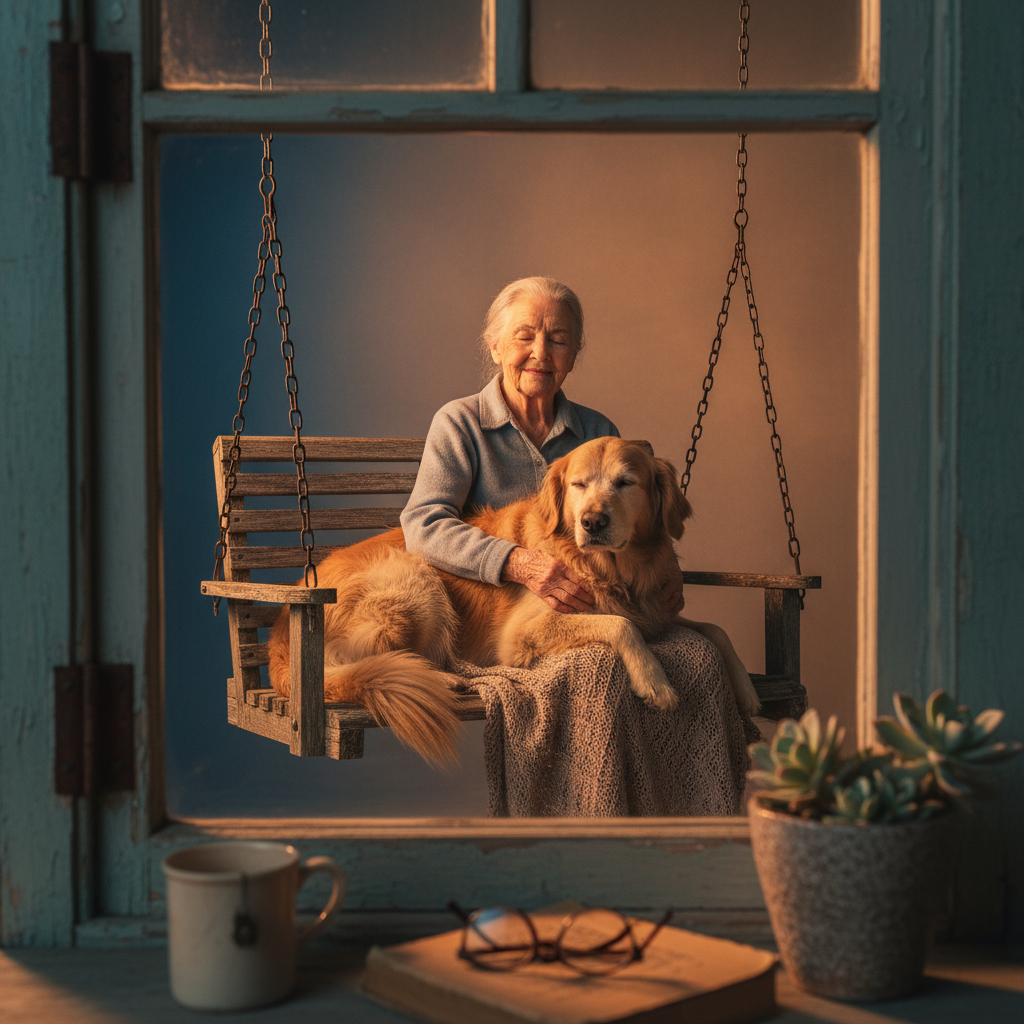
The journey of pet guardianship is not always easy, but it is always rewarding. It requires patience, commitment, and a willingness to learn and grow. But the love, companionship, and joy that our pets bring into our lives are immeasurable. By embracing our responsibility as guardians, we can ensure that they live happy, healthy, and fulfilling lives, and in doing so, enrich our own lives in countless ways. Let us all strive to be the best possible guardians for our beloved companions, honoring the unspoken contract and cherishing the profound bond we share.

Hi, my name is Robert Max, I live in the United States and I’m the creator of InTechNews. I started this blog with the goal of sharing reliable and practical information about pet care, helping pet owners provide a healthier and happier life for their animals. I’m passionate about animal well-being and believe that good information makes all the difference in responsible pet ownership.