
Are We Really Caring, or Just Stuck in a Rut?
We all love our pets. We bring them into our homes, shower them with affection, and promise to provide them with the best possible life. But how often do we stop to truly examine our pet care routines? Are we genuinely meeting their evolving needs, or are we simply operating on autopilot, following outdated advice or ingrained habits?
It’s easy to fall into a comfortable rhythm. We feed them the same food, take them on the same walks, and stick to the same play schedule. But just like humans, pets’ needs change throughout their lives. A puppy has different requirements than a senior dog. A cat’s playful energy might wane as they age. Ignoring these shifts can lead to discomfort, behavioral problems, and even health issues.
Think about it: when was the last time you questioned why you do things a certain way with your pet? Did you research the best diet for their breed and age, or did you just grab the cheapest bag of kibble at the store? Do you understand their body language and respond to their cues, or do you assume they’re always happy just because they wag their tail?
This article isn’t about judging your pet care practices. It’s about encouraging you to think critically, to challenge assumptions, and to actively seek out the best possible ways to support your furry, feathered, or scaled companions. It’s about moving beyond habit and embracing mindful, responsive pet ownership.
The Danger of “That’s Just How We’ve Always Done It”
The phrase “that’s just how we’ve always done it” is a dangerous one, especially when it comes to caring for living beings. It can blind us to new information, prevent us from adapting to changing circumstances, and ultimately, harm the very creatures we’re trying to protect.
Consider the example of feeding practices. For years, many pet owners were told that dry kibble was the only acceptable food for their pets. It was convenient, affordable, and readily available. But as research has evolved, we’ve learned that a diet consisting solely of dry kibble may not be optimal for all pets. Some may benefit from wet food, raw food, or a combination of different types of food. Ignoring these findings simply because “we’ve always fed kibble” could be detrimental to your pet’s health.
Another example is the way we train our pets. Old-school training methods often relied on punishment and dominance. These methods are now widely recognized as being ineffective and harmful. Positive reinforcement techniques, which focus on rewarding desired behaviors, are much more effective and humane. Yet, some pet owners still cling to outdated methods because “that’s how they trained dogs back in the day.”
The key is to be open to new information and willing to adapt your approach as needed. Don’t be afraid to question the status quo and challenge your own assumptions. Your pet will thank you for it.
Deciphering Your Pet’s Needs: Beyond the Basics
Providing food, water, and shelter is just the starting point. Truly caring for your pet means understanding their individual needs and tailoring your care accordingly. This requires careful observation, a willingness to learn, and a deep connection with your animal companion.
One of the most important aspects of understanding your pet’s needs is learning to interpret their body language. Animals communicate primarily through nonverbal cues, and mastering these cues can help you understand their emotional state, identify potential problems, and strengthen your bond. Is your dog yawning excessively or licking their lips? This could be a sign of stress or anxiety. Is your cat holding their tail low to the ground? They might be feeling scared or insecure. By paying attention to these subtle signals, you can proactively address your pet’s needs and prevent minor issues from escalating into bigger problems.
Another crucial element is understanding your pet’s breed-specific needs. Different breeds have different predispositions to certain health conditions, as well as different exercise and grooming requirements. A border collie, for example, needs significantly more exercise and mental stimulation than a bulldog. A Persian cat requires regular grooming to prevent matting and hairballs, while a shorthair cat requires less attention. Researching your pet’s breed can provide valuable insights into their specific needs and help you provide them with the best possible care.
Finally, it’s important to remember that every pet is an individual. Even within the same breed, personalities and preferences can vary widely. Some dogs are naturally outgoing and social, while others are more reserved and prefer quiet time. Some cats love to be petted and cuddled, while others prefer to keep their distance. Getting to know your pet’s unique personality and preferences is essential for building a strong and fulfilling relationship.
The Importance of Regular Veterinary Checkups
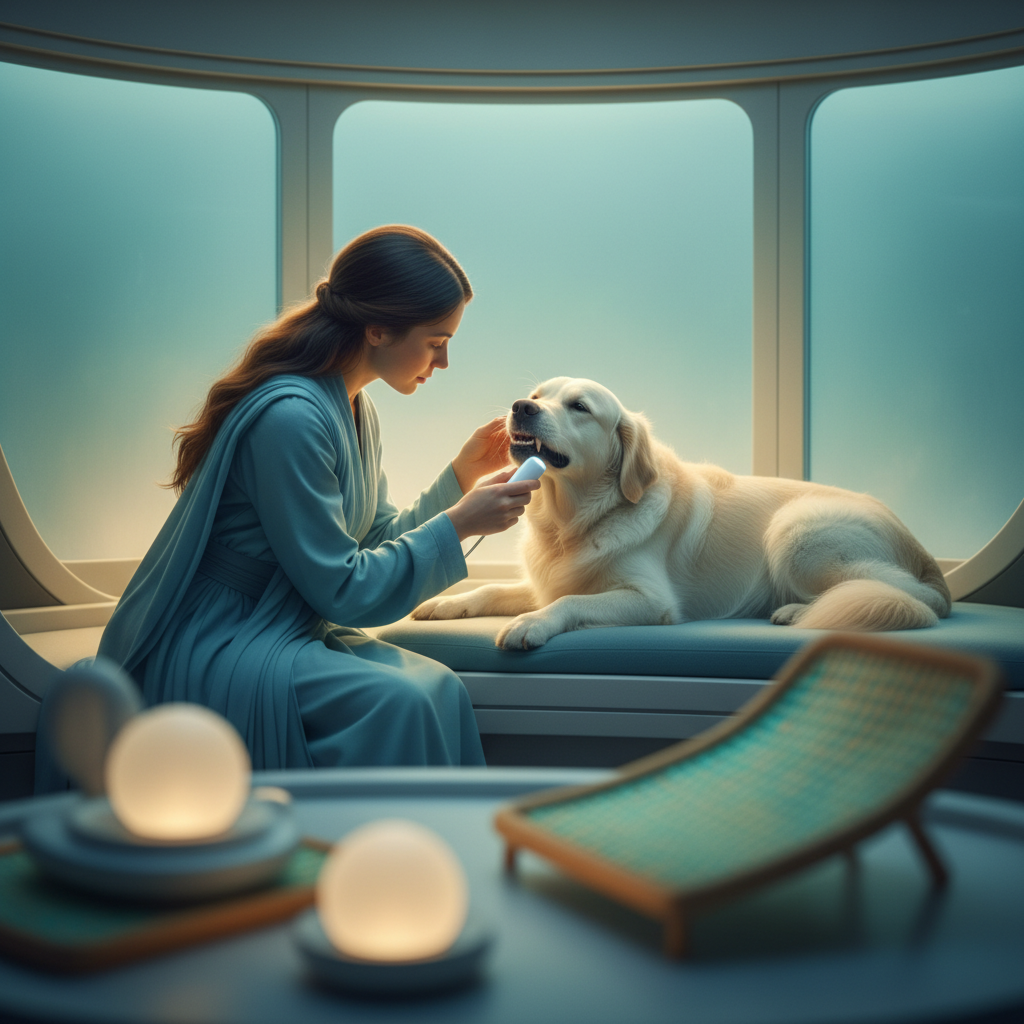
Regular veterinary checkups are a cornerstone of responsible pet ownership. These checkups allow your veterinarian to detect potential health problems early on, when they are often easier to treat. They also provide an opportunity to discuss any concerns you may have about your pet’s health and well-being.
Many pet owners only take their pets to the vet when they are sick or injured. However, preventative care is just as important. During a routine checkup, your veterinarian will perform a thorough physical examination, check your pet’s vital signs, and screen for common diseases. They may also recommend vaccinations, parasite prevention, and dental care.
The frequency of veterinary checkups depends on your pet’s age, breed, and health history. Puppies and kittens typically need more frequent checkups than adult animals, as they are more susceptible to diseases and parasites. Senior pets also require more frequent monitoring, as they are more likely to develop age-related health problems.
Don’t underestimate the importance of dental care for your pet. Dental disease is a common problem in pets, and it can lead to pain, infection, and even organ damage. Regular dental cleanings and at-home dental care can help prevent dental problems and keep your pet’s teeth and gums healthy.
Mental Stimulation: Keeping Their Minds Sharp
Physical health is only one piece of the puzzle. Just like humans, pets need mental stimulation to stay happy, healthy, and engaged. A bored pet is often a destructive pet, prone to chewing, excessive barking, and other unwanted behaviors. Providing your pet with opportunities to exercise their mind can help prevent these problems and improve their overall quality of life.
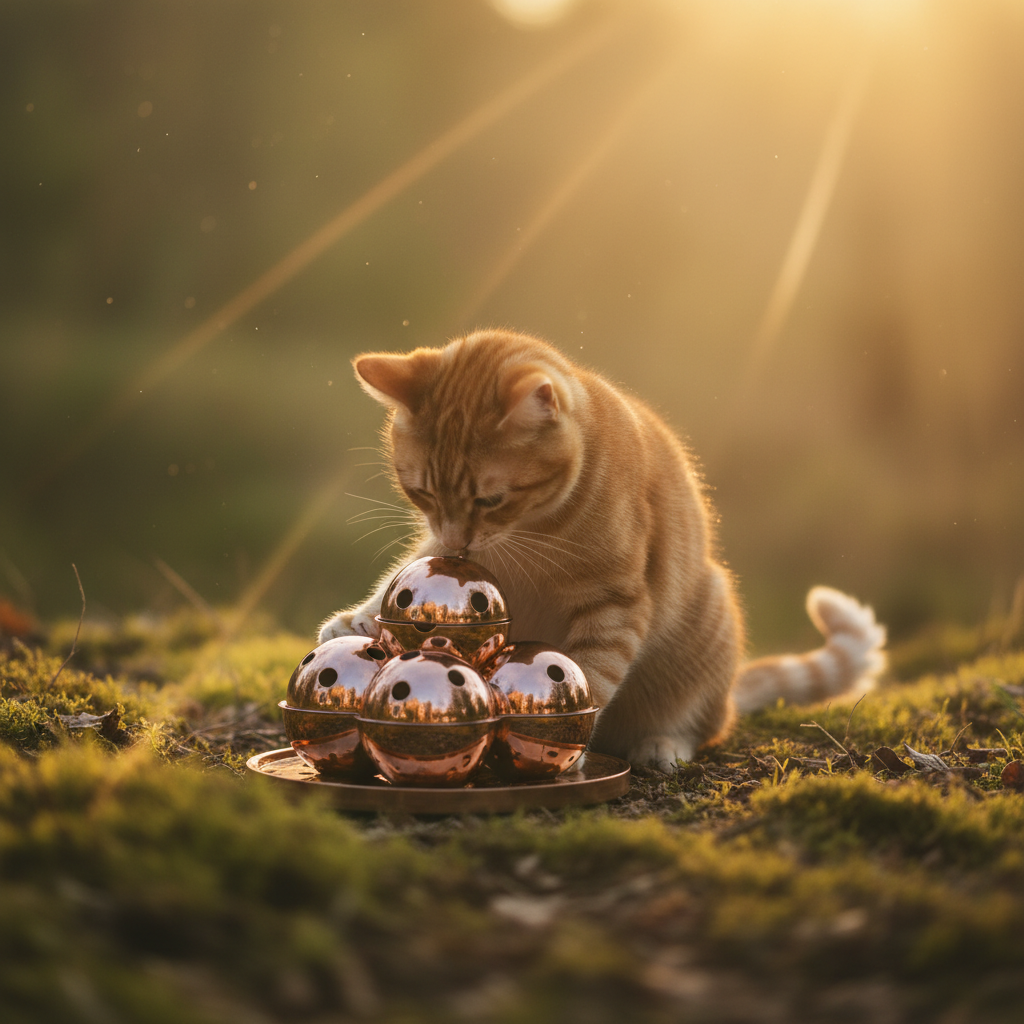
There are many ways to provide mental stimulation for your pet. Puzzle toys, which require your pet to solve a problem in order to get a treat, are a great option. These toys can keep your pet entertained for hours and challenge their problem-solving skills. Another option is to teach your pet new tricks. Training is a great way to bond with your pet and provide them with mental stimulation. Even simple commands like “sit,” “stay,” and “come” can be mentally stimulating for your pet.
For dogs, regular walks and playtime are essential for both physical and mental stimulation. Vary your walking routes to expose your dog to new sights, sounds, and smells. Play fetch, tug-of-war, or hide-and-seek to engage your dog’s natural instincts. Dog parks can be a great place for socialization and exercise, but make sure your dog is well-socialized and comfortable around other dogs before taking them to a dog park.
Cats also need mental stimulation, even though they may not be as active as dogs. Provide your cat with plenty of toys, such as catnip mice, balls, and feather wands. Cat trees provide a place for your cat to climb, scratch, and explore. Rotate your cat’s toys regularly to keep them interested. You can also try hiding treats around the house for your cat to find.
The Power of Play: Strengthening the Bond
Play is more than just fun and games; it’s a vital component of a healthy and fulfilling relationship with your pet. Play provides opportunities for bonding, communication, and exercise. It also helps your pet develop important social and cognitive skills.
The type of play your pet enjoys will depend on their personality, breed, and age. Some dogs love to chase balls, while others prefer to wrestle. Some cats enjoy chasing laser pointers, while others prefer to bat around toys filled with catnip. Experiment with different types of play to find out what your pet enjoys the most.
During playtime, pay attention to your pet’s body language. Are they engaged and enthusiastic, or are they showing signs of stress or fatigue? If your pet seems uncomfortable, stop playing and try something else. The goal is to make playtime a positive and enjoyable experience for both of you.
Don’t underestimate the power of simple games like tug-of-war or fetch. These games not only provide physical exercise but also help your pet learn important commands and boundaries. They also strengthen your bond by creating shared experiences and positive associations.
Nutrition Evolution: Are You Feeding What They Really Need?
As we learn more about animal nutrition, our understanding of the optimal diet for pets continues to evolve. What was considered acceptable or even ideal a decade ago may now be viewed as inadequate or even harmful. It’s crucial to stay informed about the latest research and to adapt your pet’s diet accordingly.
One of the biggest debates in pet nutrition is the role of processed foods. While dry kibble is convenient and affordable, many experts believe that it’s not the most natural or healthy option for pets. Kibble is often high in carbohydrates and low in moisture, which can contribute to obesity, diabetes, and other health problems. Wet food, raw food, and home-cooked diets are often considered to be more nutritious options, but they also require more time and effort to prepare.
Another important consideration is the quality of ingredients. Many commercial pet foods contain fillers, byproducts, and artificial additives that offer little nutritional value. Look for pet foods that contain high-quality protein sources, whole grains, and healthy fats. Avoid foods that contain corn, wheat, soy, and artificial colors, flavors, and preservatives.
It’s also important to consider your pet’s individual needs. Puppies and kittens need different nutrients than adult animals. Senior pets may need a diet that is lower in calories and higher in fiber. Pets with allergies or sensitivities may need a special diet that is free of certain ingredients.
Consulting with your veterinarian or a veterinary nutritionist is the best way to determine the optimal diet for your pet. They can assess your pet’s individual needs and recommend a diet that is tailored to their specific requirements.

Beyond the Bowl: Supplements and Treats
In addition to a balanced diet, some pets may benefit from supplements. Supplements can help address specific nutritional deficiencies, support joint health, and boost the immune system. However, it’s important to talk to your veterinarian before giving your pet any supplements, as some supplements can interact with medications or have adverse effects.
Omega-3 fatty acids, for example, can be beneficial for pets with skin allergies or joint problems. Glucosamine and chondroitin can help support joint health in senior pets. Probiotics can help improve digestion and boost the immune system. However, the appropriate dosage and type of supplement will vary depending on your pet’s individual needs.
Treats can be a valuable tool for training and bonding with your pet, but it’s important to choose healthy treats. Avoid treats that are high in sugar, salt, or fat. Opt for treats that are made with natural ingredients and are low in calories. Fruits and vegetables, such as carrots, apples, and blueberries, can be a healthy and delicious treat for many pets.
Adapting to Age: Senior Pet Care Considerations
As our pets age, their needs change significantly. Senior pets are more prone to health problems, such as arthritis, kidney disease, and heart disease. They may also experience cognitive decline, decreased mobility, and changes in appetite and sleep patterns. Adapting your pet care routine to meet the needs of a senior pet is essential for maintaining their quality of life.
One of the most important aspects of senior pet care is regular veterinary checkups. Senior pets should be seen by a veterinarian at least twice a year for a thorough physical examination and screening for age-related diseases. Early detection and treatment of health problems can help extend your pet’s life and improve their quality of life.
Adjusting your pet’s diet is also important as they age. Senior pets often need a diet that is lower in calories and higher in fiber to help maintain a healthy weight and prevent constipation. They may also benefit from supplements, such as glucosamine and chondroitin, to support joint health.
Providing a comfortable and supportive environment is crucial for senior pets. Soft bedding, ramps or steps to help them get on and off furniture, and plenty of warm, quiet places to rest can help make their lives more comfortable. You may also need to adjust your exercise routine to accommodate their decreased mobility. Shorter, more frequent walks or gentle playtime can help keep them active without putting too much stress on their joints.
Finally, be patient and understanding with your senior pet. Cognitive decline can lead to confusion, disorientation, and changes in behavior. Provide them with extra reassurance and support, and don’t get frustrated if they have accidents or forget commands. Remember that they are doing the best they can, and your love and support will make a big difference in their lives.

Saying Goodbye: End-of-Life Care and Compassion
One of the most difficult aspects of pet ownership is saying goodbye. As our pets age and their health declines, we may need to make the difficult decision to euthanize them. Euthanasia is a compassionate way to end suffering and provide a peaceful and dignified death for our beloved pets.
The decision to euthanize a pet is a personal one, and it should be made in consultation with your veterinarian. Your veterinarian can assess your pet’s quality of life and help you determine if euthanasia is the most humane option. Factors to consider include your pet’s pain level, mobility, appetite, and overall well-being.
If you decide to euthanize your pet, you have several options. You can choose to have the procedure performed at your veterinarian’s office or at home. Many veterinarians offer in-home euthanasia services, which can be a more comfortable and peaceful option for your pet. You can also choose to be present during the procedure, or you can say goodbye beforehand. There is no right or wrong choice, and you should do whatever feels most comfortable for you and your pet.
After euthanasia, you have several options for your pet’s remains. You can choose to have your pet cremated, either individually or with other pets. You can also choose to bury your pet at home or in a pet cemetery. Again, the choice is a personal one, and you should do whatever feels right for you.
Grieving the loss of a pet is a natural and normal process. Allow yourself time to grieve, and don’t be afraid to seek support from friends, family, or a grief counselor. Remember that your pet loved you unconditionally, and they will always hold a special place in your heart.
Ultimately, caring for a pet is a lifelong journey of learning, adapting, and loving. By challenging our assumptions, staying informed, and responding to our pets’ individual needs, we can provide them with the best possible lives and create a bond that will last a lifetime. It’s a continuous process, a dance of understanding and empathy, ensuring we’re not just caretakers, but true companions.

Hi, my name is Robert Max, I live in the United States and I’m the creator of InTechNews. I started this blog with the goal of sharing reliable and practical information about pet care, helping pet owners provide a healthier and happier life for their animals. I’m passionate about animal well-being and believe that good information makes all the difference in responsible pet ownership.