
The Comfort of the Familiar: A Double-Edged Sword
We’ve all been there. Stuck in a routine, a way of doing things that feels as comfortable as an old shoe. “I’ve always done it this way,” we tell ourselves, a mantra whispered in the face of change. Whether it’s the way we prepare our morning coffee, the route we take to work, or even how we care for our beloved pets, familiarity breeds a sense of security. But is this comfort always a good thing? When it comes to our furry companions, clinging to outdated methods can be the biggest mistake we make, hindering their well-being and our relationship with them.
Think about it. The world evolves at an accelerating pace, bringing with it new discoveries, innovative technologies, and a deeper understanding of animal behavior. What was considered best practice a decade ago might be woefully inadequate today. Ignoring these advancements, simply because “it’s always worked before,” is akin to driving a horse-drawn carriage on a modern highway – charming, perhaps, but ultimately impractical and potentially dangerous. This is especially true in the realm of pet care, where advancements in nutrition, veterinary medicine, and behavioral science are constantly reshaping our understanding of what our animals need to thrive.
The danger lies not in the intention, which is often rooted in love and a desire to provide the best for our pets. Instead, the problem is the resistance to change, the unwillingness to question established beliefs, and the fear of venturing outside the comfort zone. This stubborn adherence to the status quo can manifest in various ways, from feeding outdated diets to neglecting crucial preventative care, all under the guise of “I’ve always done it this way.” But at what cost?
The Illusion of Control and the Reality of Stagnation
The phrase “I’ve always done it this way” often masks a deeper issue: the illusion of control. In a world filled with uncertainty, clinging to familiar routines provides a sense of stability and predictability. We believe that by maintaining the status quo, we can shield ourselves and our pets from harm. However, this control is often illusory. Life is inherently dynamic, and our pets, like us, are constantly changing. Their needs evolve, their bodies age, and their environments shift. Failing to adapt to these changes can lead to stagnation, preventing our pets from reaching their full potential and potentially causing them unnecessary suffering.
Consider the example of an elderly dog who has been fed the same dry kibble its entire life. Its owner, convinced that “it’s always worked,” resists switching to a senior-specific formula, even though the dog is experiencing digestive issues and joint pain. The owner’s reluctance stems from a fear of upsetting the dog’s routine and a belief that the current diet is sufficient. However, the reality is that the dog’s nutritional needs have changed with age. A senior formula, with its higher protein content, added glucosamine and chondroitin, and easily digestible ingredients, could significantly improve the dog’s quality of life. In this case, the comfort of familiarity is directly hindering the dog’s well-being.
Or perhaps you know a cat owner who refuses to switch to a larger, more modern litter box, insisting that the small, uncovered box they’ve always used is perfectly adequate. The cat, however, has started eliminating outside the box, a clear sign of stress and discomfort. While the owner may attribute this behavior to spite or laziness, the underlying cause is likely the inadequate litter box. By clinging to the old way, the owner is not only creating a messy situation but also causing the cat considerable anxiety and distress. A larger, covered box would provide the cat with more privacy and a greater sense of security, potentially resolving the issue and improving the cat’s overall well-being.

The Trap of Tradition: Questioning the “Why”
Tradition can be a beautiful thing, connecting us to our past and providing a sense of belonging. However, blindly following tradition without questioning its validity can be detrimental, especially when it comes to pet care. Just because something has been done a certain way for generations doesn’t necessarily mean it’s the best way. We must be willing to critically examine our traditions and ask ourselves, “Why are we doing this?”
For instance, the practice of leaving dogs outside unattended for extended periods was once commonplace. The reasoning was that dogs are “outdoor animals” and can fend for themselves. However, we now understand that dogs are social creatures who thrive on human interaction and companionship. Leaving them alone outside for long stretches can lead to boredom, anxiety, and destructive behaviors. Moreover, it exposes them to various dangers, such as extreme weather, predators, and potential theft. While this tradition may have been acceptable in the past, it is now widely recognized as being detrimental to a dog’s well-being.
Similarly, the belief that cats are independent and require minimal care is a long-standing tradition that needs to be re-evaluated. While cats are certainly more self-sufficient than dogs, they still require plenty of attention, enrichment, and affection. Neglecting their social and emotional needs can lead to behavioral problems, such as aggression, excessive meowing, and destructive scratching. By challenging the outdated tradition of feline independence, we can provide our cats with the love and care they deserve, fostering a stronger bond and improving their overall quality of life.
The key is to approach tradition with a healthy dose of skepticism. Question the underlying assumptions, research the current best practices, and be willing to adapt your methods based on new information. Remember, progress is not about discarding the past entirely, but rather about building upon it, incorporating new knowledge and insights to create a better future for our pets.
The Power of Open-Mindedness: Embracing New Perspectives
Overcoming the “I’ve always done it this way” mentality requires a willingness to embrace open-mindedness and consider alternative perspectives. This means actively seeking out new information, listening to experts, and being receptive to different approaches. It also means acknowledging that you don’t have all the answers and that there’s always something new to learn.
One of the best ways to cultivate open-mindedness is to engage with the pet-owning community. Join online forums, attend workshops, and connect with other pet lovers. By sharing experiences and exchanging ideas, you can gain valuable insights and broaden your understanding of pet care. You might discover new training techniques, alternative feeding methods, or innovative enrichment strategies that you never would have considered otherwise. Be open to hearing different opinions, even if they challenge your own beliefs. Remember, the goal is not to win an argument but to learn and grow.
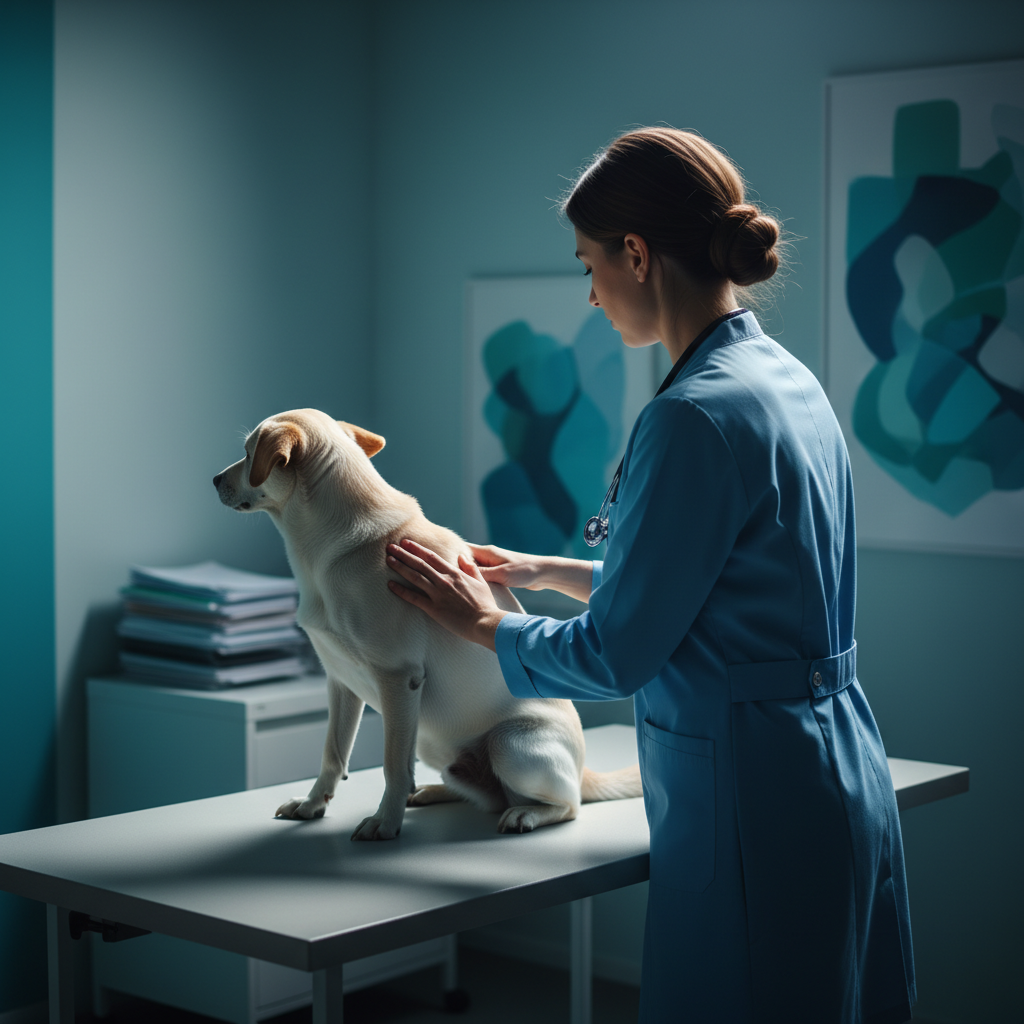
Another important aspect of open-mindedness is being willing to consult with professionals. Don’t hesitate to seek advice from your veterinarian, a certified dog trainer, or a veterinary behaviorist. These experts can provide valuable guidance and help you address specific challenges you’re facing with your pet. They can also help you stay up-to-date on the latest advancements in pet care and ensure that you’re providing your pet with the best possible care.

Beyond the Basics: Recognizing Individual Needs
Even with the best intentions, adopting a one-size-fits-all approach to pet care is a common pitfall. The truth is, every pet is an individual with unique needs, preferences, and personalities. What works for one dog might not work for another, and what’s suitable for one cat might be completely unacceptable to another. Recognizing and catering to these individual differences is crucial for providing optimal care.
Take, for example, the issue of dog training. While basic obedience training is essential for all dogs, the specific methods and techniques used should be tailored to the individual dog’s temperament and learning style. A sensitive dog might respond well to positive reinforcement, while a more stubborn dog might require a firmer approach. Similarly, a high-energy dog might benefit from agility training or other physically demanding activities, while a more laid-back dog might prefer leisurely walks and puzzle toys. The key is to observe your dog’s behavior, understand its personality, and adjust your training methods accordingly.
The same principle applies to cat care. Some cats are naturally affectionate and enjoy being petted and cuddled, while others prefer to keep their distance. Some cats are playful and energetic, while others are more sedentary. Understanding your cat’s individual preferences is essential for creating a comfortable and stimulating environment. Provide your cat with a variety of toys, scratching posts, and climbing structures to encourage play and exploration. Respect its boundaries and avoid forcing interaction if it’s not in the mood. By catering to your cat’s individual needs, you can foster a stronger bond and enhance its overall well-being.
The Price of Resistance: Potential Consequences
The consequences of clinging to outdated methods can be far-reaching, impacting not only your pet’s physical and emotional health but also your relationship with them. From preventable illnesses to behavioral problems, the price of resistance can be steep.
One of the most common consequences is the development of preventable health problems. Feeding an unbalanced diet, neglecting vaccinations, or failing to provide regular dental care can all lead to serious health issues. For example, feeding a dog a diet that is deficient in essential nutrients can result in stunted growth, weakened immune system, and increased susceptibility to disease. Similarly, neglecting to vaccinate your cat against common feline diseases can put it at risk of contracting life-threatening illnesses. By staying informed about the latest advancements in veterinary medicine and following your veterinarian’s recommendations, you can significantly reduce your pet’s risk of developing preventable health problems.
Behavioral problems are another common consequence of clinging to outdated methods. Ignoring a dog’s need for socialization, failing to provide adequate mental stimulation, or using harsh training methods can all lead to behavioral issues such as aggression, anxiety, and destructive behaviors. For example, a dog that is constantly left alone without any interaction can develop separation anxiety, leading to excessive barking, chewing, and house soiling. Similarly, a cat that is not provided with enough scratching posts can start scratching furniture, leading to frustration and conflict. By understanding your pet’s behavioral needs and providing appropriate outlets for their energy and instincts, you can prevent or mitigate many common behavioral problems.
The Journey of Continuous Improvement: A Lifelong Commitment
Providing the best possible care for our pets is not a one-time event but rather a lifelong journey of continuous improvement. As our understanding of animal behavior and welfare evolves, so too must our approach to pet care. This means staying informed, being open-minded, and constantly seeking ways to improve our pets’ lives.
One of the most important things we can do is to stay informed about the latest advancements in pet care. Read books, articles, and blogs written by experts in the field. Attend conferences and workshops to learn from leading veterinarians, trainers, and behaviorists. Follow reputable organizations and research institutions that are dedicated to animal welfare. By staying informed, we can ensure that we’re providing our pets with the most up-to-date and effective care.
Another crucial aspect of continuous improvement is regularly evaluating our own practices. Are we providing our pets with enough exercise, mental stimulation, and social interaction? Are we feeding them a balanced diet that meets their individual needs? Are we addressing any potential health or behavioral problems promptly? By regularly assessing our own practices, we can identify areas for improvement and make adjustments as needed. Remember, even small changes can make a big difference in our pets’ lives.
Ultimately, the journey of continuous improvement is about fostering a deeper connection with our pets. By paying attention to their needs, understanding their behavior, and constantly seeking ways to improve their well-being, we can strengthen our bond and create a more fulfilling relationship. It’s a commitment that requires time, effort, and dedication, but the rewards are immeasurable.
Rewriting the Narrative: Embracing Change for a Better Future
It’s time to rewrite the narrative. The phrase “I’ve always done it this way” should no longer be a shield against progress, but rather a stepping stone towards a better future for our pets. By embracing change, questioning tradition, and staying open-minded, we can unlock the full potential of our relationships with our furry companions.
Imagine a world where every pet receives individualized care tailored to their specific needs. Where outdated practices are replaced with evidence-based methods that promote optimal health and well-being. Where pet owners are constantly learning and growing, striving to provide the best possible lives for their animals. This vision is not a pipe dream but a tangible goal that we can achieve by embracing change and challenging the status quo.
The journey may not always be easy. There will be challenges, setbacks, and moments of doubt. But by staying committed to continuous improvement and fostering a spirit of open-mindedness, we can overcome these obstacles and create a brighter future for our pets. Let us replace the comfort of familiarity with the excitement of discovery, the rigidity of tradition with the flexibility of innovation, and the complacency of “I’ve always done it this way” with the proactive spirit of “How can I do it better?” Our pets deserve nothing less.

So, the next time you find yourself uttering the phrase “I’ve always done it this way,” pause and ask yourself: Is this truly the best way? Am I open to learning new things? Am I prioritizing my pet’s well-being above my own comfort? The answers to these questions may surprise you and set you on a path towards a more fulfilling and rewarding relationship with your beloved companion. The future of pet care is not about clinging to the past but about embracing change and creating a better world for the animals who enrich our lives. Let’s commit to making that future a reality, one paw print at a time. The love and loyalty our pets offer us unconditionally deserve nothing less than our unwavering dedication to their health, happiness, and overall well-being.

Hi, my name is Robert Max, I live in the United States and I’m the creator of InTechNews. I started this blog with the goal of sharing reliable and practical information about pet care, helping pet owners provide a healthier and happier life for their animals. I’m passionate about animal well-being and believe that good information makes all the difference in responsible pet ownership.