
The Silent Signals Your Pet Might Be Sending
We adore our pets. They’re family. We shower them with affection, provide them with food and shelter, and strive to give them the best possible lives. But sometimes, despite our best intentions, the very routines we establish to care for them can inadvertently contribute to their declining health. It’s a jarring realization, isn’t it? The very things we believe are helping them could, in reality, be making them sick.
Think about it: How often do we truly scrutinize the ingredients in their food, or the chemicals in their grooming products? How much time do we spend observing their behavior for subtle changes, dismissing them as “just a phase” or “old age”? The truth is, our pets often suffer in silence, their discomfort masked by their unwavering loyalty and affection. It’s our responsibility to become more attuned to their needs, to decipher the hidden language of their bodies, and to recognize when our well-meaning routines are doing more harm than good.
This isn’t about assigning blame or feeling guilty. It’s about opening our eyes to the potential pitfalls of complacency and empowering ourselves with the knowledge to make informed decisions that truly benefit our furry, scaled, or feathered companions. Are you ready to challenge your assumptions and delve deeper into the world of pet health? Let’s explore some common routines that might be unintentionally sabotaging your pet’s well-being.
The Food Fallacy: More Than Just Filling the Bowl
Perhaps the most fundamental routine is feeding. We buy what we believe is the “best” food, often swayed by clever marketing or recommendations from well-meaning friends. But are we truly understanding what our pets need, or are we simply falling for the food fallacy?
The Ingredient Inquisition: Decoding the Label
Take a moment to examine the ingredient list of your pet’s food. Do you recognize the components? Are they whole foods, or are they processed byproducts? Many commercial pet foods are laden with fillers, artificial colors, and preservatives that can wreak havoc on your pet’s digestive system and overall health. Corn, wheat, and soy are common culprits, often used as inexpensive bulking agents that offer little nutritional value and can trigger allergies or sensitivities.
Consider the following example: A cat owner diligently feeds their feline a popular brand of dry food, believing it to be a complete and balanced diet. However, upon closer inspection, the ingredient list reveals a high percentage of corn, followed by “meat by-products” of unknown origin. The cat begins to exhibit symptoms of digestive distress, including vomiting and diarrhea. After switching to a grain-free, high-protein diet with identifiable meat sources, the cat’s symptoms gradually subside, and its overall health improves dramatically. This illustrates the importance of scrutinizing ingredient lists and choosing foods that align with your pet’s specific nutritional needs.
Furthermore, pay attention to the order of ingredients. The ingredients are listed in descending order by weight, so the first few ingredients make up the bulk of the food. A food with “chicken” listed as the first ingredient is generally preferable to one with “corn” or “wheat” as the primary component.
Don’t be afraid to consult with your veterinarian or a qualified pet nutritionist to determine the best diet for your pet’s breed, age, activity level, and any specific health concerns. They can provide personalized recommendations and help you navigate the often-confusing world of pet food labels.
Beyond the Bowl: Portion Control and Feeding Schedules
Even with the best quality food, overfeeding is a common mistake. Many pet owners simply fill the bowl and allow their pets to graze throughout the day, leading to weight gain and a host of related health problems, such as diabetes, joint pain, and heart disease.
Consider this: A dog owner, accustomed to seeing their Labrador devour its food in seconds, starts giving larger and larger portions to “satisfy” the dog’s appetite. Over time, the dog becomes overweight, lethargic, and develops arthritis in its hips. The owner, initially intending to provide for their beloved pet, inadvertently contributes to its declining health by failing to manage portion sizes.
Establish a consistent feeding schedule and measure out appropriate portions based on your pet’s individual needs. Monitor their weight regularly and adjust their food intake accordingly. If you’re unsure how much to feed your pet, consult with your veterinarian. They can assess your pet’s body condition score and provide personalized feeding recommendations.
Remember, a healthy weight is crucial for your pet’s overall well-being. By controlling portions and establishing a regular feeding schedule, you can help prevent obesity and its associated health complications.

The Grooming Gambit: Beauty Isn’t Always Skin Deep
Regular grooming is essential for maintaining your pet’s hygiene and preventing matting, skin infections, and other problems. However, the products we use and the frequency with which we groom can sometimes have unintended consequences.
Chemical Catastrophes: Avoiding Toxic Ingredients
Many commercial shampoos, conditioners, and other grooming products contain harsh chemicals, artificial fragrances, and dyes that can irritate your pet’s skin, cause allergic reactions, and even lead to more serious health problems. Parabens, sulfates, and phthalates are common offenders, often used as preservatives or foaming agents. These chemicals can disrupt your pet’s endocrine system, damage their skin barrier, and contribute to a range of health issues.
Imagine this scenario: A cat owner regularly bathes their long-haired Persian cat with a scented shampoo marketed for its “detangling” properties. Over time, the cat develops chronic skin irritation, characterized by redness, itching, and hair loss. After switching to a hypoallergenic, fragrance-free shampoo, the cat’s skin condition gradually improves, and its coat regains its healthy luster. This highlights the importance of choosing grooming products with natural, non-toxic ingredients.
Opt for grooming products that are specifically formulated for pets and made with natural ingredients, such as aloe vera, oatmeal, and essential oils. Avoid products that contain artificial fragrances, dyes, parabens, sulfates, and phthalates. When in doubt, consult with your veterinarian or a professional groomer for recommendations.
The Over-Bathing Blunder: Stripping Away Natural Oils
While regular bathing is necessary to remove dirt and debris, over-bathing can strip away your pet’s natural oils, leading to dry skin, irritation, and an increased susceptibility to infections. How often is too often? It depends on your pet’s breed, coat type, and activity level. However, as a general rule, most dogs only need to be bathed every few weeks or months, unless they are particularly dirty or have a specific skin condition.
Consider this example: A dog owner, concerned about their active terrier’s tendency to get muddy on walks, starts bathing the dog every week with a harsh, stripping shampoo. Over time, the dog’s skin becomes dry, flaky, and itchy. The owner, initially intending to keep their pet clean, inadvertently damages its skin barrier by over-bathing and using harsh products.
Use a gentle, moisturizing shampoo and avoid bathing your pet too frequently. When bathing, be sure to rinse thoroughly to remove all traces of shampoo. You can also use a leave-in conditioner or grooming spray to help replenish moisture and protect your pet’s coat.
The Exercise Enigma: Finding the Right Balance
Regular exercise is crucial for maintaining your pet’s physical and mental health. However, too much or too little exercise can both have negative consequences.
The Overexertion Obstacle: Pushing Too Hard, Too Soon
While it’s important to keep your pet active, it’s equally important to avoid overexertion, especially in young, old, or overweight animals. Pushing your pet too hard, too soon can lead to injuries, such as sprains, strains, and even more serious conditions, such as heatstroke or exhaustion.
Imagine this scenario: A new dog owner, eager to get their energetic puppy into shape, starts taking it on long runs every day. The puppy, still developing its bones and joints, begins to limp and show signs of pain. The owner, initially intending to improve their pet’s fitness, inadvertently causes an injury by overexerting the young animal.
Gradually increase the intensity and duration of your pet’s exercise routine. Pay attention to their body language and watch for signs of fatigue or discomfort. Avoid exercising your pet during the hottest part of the day and provide them with plenty of water. If you’re unsure how much exercise is appropriate for your pet, consult with your veterinarian.
The Sedentary Slump: The Dangers of Inactivity
On the other hand, a lack of exercise can lead to weight gain, muscle loss, and a host of related health problems. Pets that are confined indoors for long periods of time can also become bored, anxious, and destructive.
Consider this example: A cat owner, preoccupied with work and other commitments, leaves their indoor cat alone for most of the day with little opportunity for play or exercise. Over time, the cat becomes overweight, lethargic, and develops behavioral problems, such as excessive meowing and scratching. The owner, inadvertently neglects the cat’s need for physical and mental stimulation.
Provide your pet with daily opportunities for exercise, whether it’s a walk in the park, a play session in the backyard, or interactive toys indoors. Rotate toys regularly to keep your pet engaged and prevent boredom. If you’re unable to provide your pet with sufficient exercise, consider hiring a dog walker or pet sitter.

The Mental Maze: Ignoring Their Emotional Needs
Our pets aren’t just physical beings; they have emotional needs, too. Ignoring these needs can lead to stress, anxiety, and behavioral problems that can impact their overall health and well-being.
The Isolation Illusion: The Importance of Social Interaction
Many pets, especially dogs, are social animals that thrive on interaction with their owners and other animals. Isolating your pet for extended periods of time can lead to loneliness, boredom, and anxiety.
Imagine this scenario: A dog owner, working long hours, leaves their dog alone in the house for most of the day with little opportunity for social interaction. Over time, the dog becomes anxious, destructive, and develops separation anxiety. The owner, inadvertently neglects the dog’s need for companionship and social stimulation.
Provide your pet with opportunities for social interaction, whether it’s a walk in the park, a playdate with other pets, or simply spending quality time with you. If you’re unable to provide your pet with sufficient social interaction, consider enrolling them in doggie daycare or hiring a pet sitter.
The Stress Spiral: Recognizing and Addressing Anxiety
Pets can experience stress and anxiety for a variety of reasons, such as loud noises, changes in routine, or separation from their owners. Chronic stress can weaken their immune system and make them more susceptible to illness.
Consider this example: A cat owner, moves to a new apartment, inadvertently causes their cat significant stress due to the unfamiliar environment. The cat starts hiding, losing its appetite, and exhibiting behavioral problems, such as urinating outside the litter box. The owner is unaware of how to alleviate the cat’s stress in a new environment.
Learn to recognize the signs of stress and anxiety in your pet, such as panting, pacing, trembling, or hiding. Identify and address the underlying causes of their stress. Provide them with a safe and comfortable environment, and offer them plenty of reassurance and affection. If your pet’s anxiety is severe, consult with your veterinarian or a veterinary behaviorist.
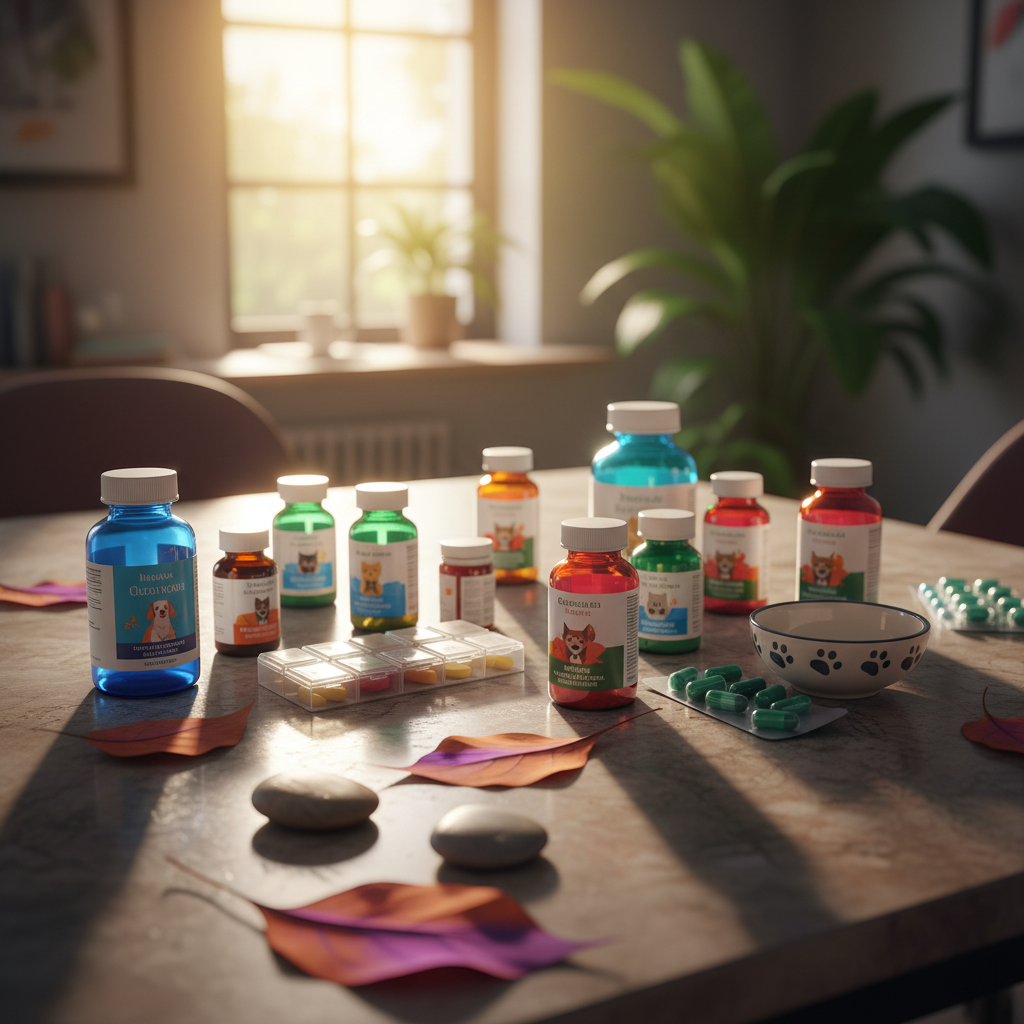
The Medication Minefield: The Double-Edged Sword
Medications can be life-saving for pets with certain medical conditions. However, they can also have side effects and interact with other medications, potentially causing harm.
The Over-Reliance Rut: Seeking Quick Fixes
Sometimes, we turn to medication as a quick fix for behavioral problems or underlying health issues, without addressing the root cause. This can mask the symptoms and potentially worsen the problem in the long run.
Imagine this scenario: A dog owner, struggling with their dog’s excessive barking, turns to medication to suppress the behavior, without addressing the underlying anxiety or lack of training. Over time, the dog’s anxiety worsens, and the medication becomes less effective. The owner, inadvertently creates a cycle of dependency on medication without addressing the root cause of the problem.
Explore alternative treatments and therapies, such as training, behavior modification, and lifestyle changes, before resorting to medication. When medication is necessary, work closely with your veterinarian to monitor your pet for side effects and adjust the dosage as needed.
The Interaction Inferno: Avoiding Dangerous Combinations
Certain medications can interact with each other, potentially causing serious side effects. It’s crucial to inform your veterinarian about all the medications and supplements your pet is taking, including over-the-counter products.
Consider this example: A cat owner, gives their cat two medications simultaneously. Unaware of potential interactions, the medications react negatively, leading to liver damage. The owner inadvertently causes serious harm to their pet by failing to disclose all medications to the veterinarian.
Always inform your veterinarian about all the medications and supplements your pet is taking, including over-the-counter products. Ask your veterinarian about potential drug interactions and follow their instructions carefully.
The Environmental Enigma: Hidden Hazards in Your Home
Our homes can contain hidden hazards that can be harmful to our pets, from toxic cleaning products to poisonous plants.
The Chemical Chaos: Cleaning Products and Pesticides
Many common household cleaning products and pesticides contain chemicals that are toxic to pets. Ingesting these substances can cause vomiting, diarrhea, seizures, and even death.
Imagine this scenario: A dog owner, uses a floor cleaner containing bleach, and the dog licks the floor shortly after cleaning. The dog ingests the bleach, leading to vomiting, diarrhea, and severe abdominal pain. The owner inadvertently poisons their pet by using toxic cleaning products in their home.
Choose pet-safe cleaning products and pesticides, or use natural alternatives, such as vinegar and baking soda. Store all cleaning products and pesticides out of reach of your pets. Be extra cautious when using these products and ensure that your pets are kept away from treated areas until they are completely dry.
The Botanical Bombshell: Poisonous Plants
Many common houseplants are poisonous to pets. Ingesting these plants can cause vomiting, diarrhea, seizures, and even death.
Consider this example: A cat owner, brings a lily plant into their home, unaware that lilies are highly toxic to cats. The cat nibbles on the lily leaves, leading to kidney failure and death. The owner inadvertently poisons their pet by bringing a poisonous plant into their home.
Research which plants are poisonous to pets and avoid bringing them into your home. If you have poisonous plants in your home, keep them out of reach of your pets. If you suspect that your pet has ingested a poisonous plant, contact your veterinarian or the ASPCA Animal Poison Control Center immediately.
The Vaccination Vigilance: Over-Vaccination and Informed Choices
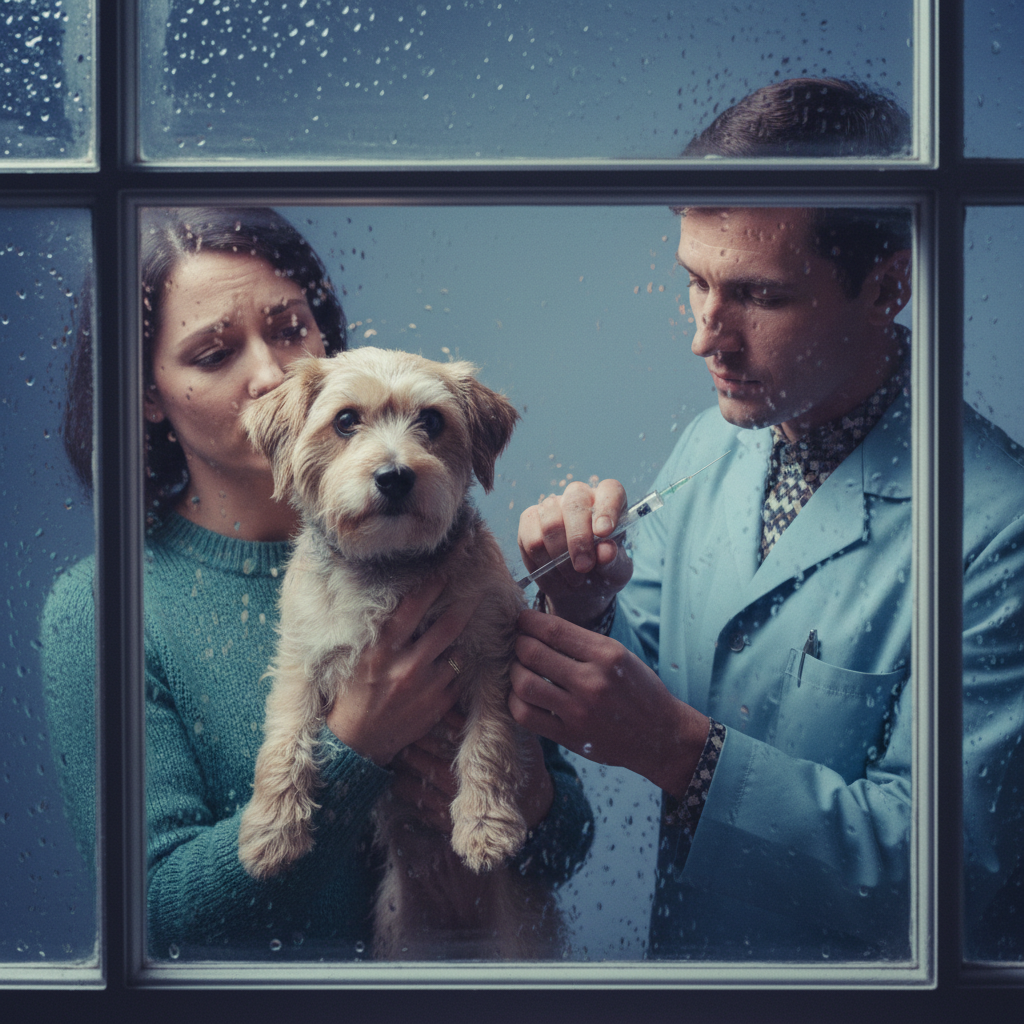
Vaccinations are essential for protecting our pets from deadly diseases. However, over-vaccination can potentially weaken their immune system and increase their risk of adverse reactions.
The Over-Vaccination Overkill: Questioning the Standard Protocol
The traditional vaccination protocol involves administering multiple vaccines at once, often annually. However, some veterinarians and pet owners are questioning whether this is necessary, especially for adult pets that have already been vaccinated.
Imagine this scenario: A dog owner, diligently follows the traditional vaccination protocol, vaccinating their adult dog annually against multiple diseases. Over time, the dog develops chronic allergies and autoimmune problems. The owner questions whether the over-vaccination contributed to the dog’s health problems.
Discuss your pet’s vaccination needs with your veterinarian. Consider titer testing, which measures the level of antibodies in your pet’s blood, to determine if they are still protected from certain diseases. Explore alternative vaccination schedules and consider vaccinating only against diseases that are prevalent in your area.
The Informed Consent Imperative: Understanding the Risks and Benefits
It’s crucial to be informed about the risks and benefits of each vaccine before making a decision. Ask your veterinarian about the potential side effects and contraindications of each vaccine.
Consider this example: A cat owner, agrees to vaccinate their cat against feline leukemia virus (FeLV) without fully understanding the risks and benefits. The cat develops a severe reaction to the vaccine, leading to chronic health problems. The owner regrets their decision to vaccinate without being fully informed.
Ask your veterinarian about the risks and benefits of each vaccine. Discuss your pet’s individual risk factors and make an informed decision about which vaccines are appropriate for your pet.
Ultimately, the key to ensuring your pet’s well-being lies in attentive observation, continuous learning, and a willingness to question established routines. By becoming more attuned to their individual needs and making informed decisions, we can create a healthier and happier life for our beloved companions. The journey of pet ownership is a constant learning process. Embrace the challenge, be proactive, and never stop advocating for the well-being of your furry, scaled, or feathered friend. Their health and happiness are a reflection of our dedication and love.

Hi, my name is Robert Max, I live in the United States and I’m the creator of InTechNews. I started this blog with the goal of sharing reliable and practical information about pet care, helping pet owners provide a healthier and happier life for their animals. I’m passionate about animal well-being and believe that good information makes all the difference in responsible pet ownership.