
The Silent Language of Pets: Why Small Signs Matter
We often hear about dramatic pet emergencies – the sudden collapse, the obvious injury, the frantic rush to the vet. These are the crises that grab our attention, the moments where action is undeniably necessary. But what about the subtle shifts, the quiet changes in behavior that often precede those emergencies? What about the small signs?
Ignoring these seemingly insignificant signals is one of the biggest, and often most heartbreaking, mistakes a pet owner can make. It’s not about being overly anxious or rushing to the vet for every minor cough. It’s about developing a keen awareness of your pet’s “normal,” and recognizing when something deviates from that baseline. It’s about understanding that your furry, feathered, or scaled companion communicates in ways that are often understated, requiring us to be diligent observers.
Think of it like this: imagine you’re driving a car and the “check engine” light flickers on. Do you immediately pull over and call a mechanic? Maybe not. But you certainly wouldn’t ignore it completely, especially if you know that light often precedes more serious mechanical issues. You’d likely start paying closer attention to how the car is running, listening for unusual noises, and monitoring its performance. Our pets are no different – those small signs are their “check engine” lights, telling us something isn’t quite right.
The Cost of Inattention: More Than Just Money
The consequences of overlooking these early indicators can be significant, extending far beyond just financial burdens. Of course, early detection of illness or injury often translates to less expensive and more effective treatment. A small skin irritation caught early might be easily managed with a topical cream, while the same irritation left untreated could escalate into a painful and costly infection. A subtle change in appetite could signal the early stages of kidney disease, allowing for interventions that slow the progression of the illness and significantly improve your pet’s quality of life.
However, the true cost of inattention goes much deeper. It’s about the missed opportunities to alleviate suffering, the potential for chronic conditions to worsen unnecessarily, and the erosion of the bond between you and your pet. Imagine the guilt of realizing that your beloved dog has been quietly enduring pain for weeks, simply because you dismissed their reluctance to jump on the couch as “old age” rather than investigating further. Or consider the heartache of discovering that your cat’s decreased grooming habits were a sign of underlying discomfort, which could have been addressed with earlier intervention.
These are not just hypothetical scenarios; they are the realities faced by countless pet owners who, often unintentionally, fail to recognize the subtle cues their animals provide. It’s a painful lesson to learn, one that underscores the importance of proactive observation and a deep understanding of your pet’s individual needs.

Deciphering the Clues: What to Watch For
So, what exactly are these “small signs” we should be paying attention to? They can manifest in a variety of ways, affecting your pet’s behavior, appetite, physical appearance, and overall demeanor. The key is to establish a baseline understanding of what is normal for your pet, as individual animals have unique personalities and habits.
Behavioral Changes: Beyond the Zoomies
Behavioral changes are often the first indicators that something is amiss. These can be subtle, such as a previously outgoing dog becoming more withdrawn, or a usually independent cat suddenly becoming clingy. Look for changes in sleep patterns, levels of activity, interaction with other pets or family members, and overall mood. Is your dog less enthusiastic about their daily walks? Is your cat hiding more often than usual? Are they exhibiting signs of aggression or anxiety that are out of character? These are all red flags that warrant further investigation.
Consider the case of a senior Labrador named Buster, who had always been a playful and energetic dog. His owner, Sarah, initially dismissed his increasing reluctance to play fetch as simply “getting old.” However, she noticed that Buster was also starting to limp slightly after his walks. Instead of attributing it solely to age, Sarah took Buster to the vet, who diagnosed him with early-stage arthritis. Thanks to the early diagnosis, Buster was able to start on pain management and joint supplements, allowing him to maintain a good quality of life for several more years.
Appetite and Thirst: More Than Just Picky Eating
Changes in appetite and thirst are another crucial area to monitor. A sudden loss of appetite, or a significant increase in thirst, can be indicative of a variety of underlying health issues, ranging from dental problems to kidney disease. Pay attention to how much your pet is eating and drinking each day, and note any changes in their food preferences. Are they suddenly refusing their favorite treats? Are they leaving food in their bowl that they would normally devour? Are they drinking excessively, or making frequent trips to the water bowl? These seemingly minor changes can provide valuable clues to your veterinarian.
Take, for example, the story of a Persian cat named Luna, whose owner, David, noticed she was eating less and seemed to be losing weight. David initially attributed it to Luna being a “finicky eater,” but he eventually became concerned when she started vomiting occasionally. A visit to the vet revealed that Luna had a thyroid condition, which was causing her to lose weight and experience digestive upset. With medication, Luna’s appetite returned, and she regained her healthy weight.
Physical Appearance: A Window to Their Health
Regularly examining your pet’s physical appearance is essential for detecting early signs of illness or injury. Look for changes in their skin, coat, eyes, ears, and mouth. Are there any new lumps, bumps, or sores? Is their coat becoming dull or matted? Are their eyes cloudy or discharging? Are their gums pale or inflamed? Is there any unusual odor coming from their ears or mouth? These are all signs that something might be wrong.
Consider the example of a German Shepherd named Max, whose owner, Emily, noticed a small, raised bump on his skin while she was brushing him. Emily initially thought it was just a tick bite, but she decided to monitor it closely. Over the next few weeks, the bump grew larger and started to bleed. Emily took Max to the vet, who diagnosed him with a mast cell tumor. Thanks to the early detection, the tumor was surgically removed, and Max made a full recovery.
Don’t forget to pay attention to their gait and posture. Are they limping? Are they having trouble getting up or down? Are they holding their head in an unusual position? These can be signs of musculoskeletal problems or neurological issues.
Overall Demeanor: Trust Your Gut
Sometimes, the most important clues are the ones that are hardest to define – the subtle shifts in your pet’s overall demeanor. You know your pet better than anyone else, so trust your gut if you feel like something is “off.” Are they less playful than usual? Are they more irritable or anxious? Are they simply not acting like themselves? These intangible changes can be just as important as the more obvious physical signs.
Think of it as a parent knowing when their child is “not quite right,” even if they can’t pinpoint a specific symptom. That intuitive sense of knowing your pet’s normal state of being is a powerful tool in detecting early problems. Don’t dismiss your instincts; if you’re concerned about your pet’s well-being, it’s always best to err on the side of caution and consult with your veterinarian.

Proactive Prevention: Building a Foundation of Wellness
While being observant is crucial, proactive prevention is the cornerstone of good pet care. Regular veterinary checkups, a balanced diet, appropriate exercise, and a stimulating environment are all essential for maintaining your pet’s health and well-being. These preventative measures not only help to prevent illness and injury but also make it easier to detect subtle changes that might indicate a problem.
The Power of Regular Checkups: More Than Just Vaccinations
Many pet owners view veterinary checkups as simply a time for vaccinations and parasite prevention. While these are certainly important aspects of preventative care, a comprehensive veterinary exam can reveal much more. Your veterinarian can assess your pet’s overall health, identify potential risk factors, and detect early signs of disease. They can also provide guidance on nutrition, exercise, and behavioral management.
During a routine checkup, your veterinarian will typically examine your pet’s eyes, ears, mouth, skin, and coat. They will listen to their heart and lungs, palpate their abdomen, and assess their musculoskeletal system. They may also recommend blood tests, urine tests, or other diagnostic procedures to screen for underlying health issues.
The frequency of veterinary checkups will vary depending on your pet’s age, breed, and health status. Puppies and kittens typically require more frequent visits for vaccinations and deworming, while senior pets may benefit from more frequent checkups to monitor for age-related conditions. Talk to your veterinarian about what is appropriate for your individual pet.
Nutrition and Exercise: Fueling a Healthy Life
A balanced diet and appropriate exercise are essential for maintaining your pet’s physical and mental health. Choose a high-quality pet food that is appropriate for your pet’s age, breed, and activity level. Avoid feeding your pet table scraps or excessive treats, as these can contribute to weight gain and other health problems. Provide your pet with plenty of fresh water at all times.
Regular exercise is also crucial for maintaining your pet’s health and well-being. The type and amount of exercise will vary depending on your pet’s breed, age, and health status. Dogs typically benefit from daily walks, runs, or play sessions, while cats may enjoy climbing, scratching, and playing with toys. Provide your pet with opportunities to engage in activities that stimulate their mind and body.
Enrichment and Stimulation: Keeping Their Minds Active
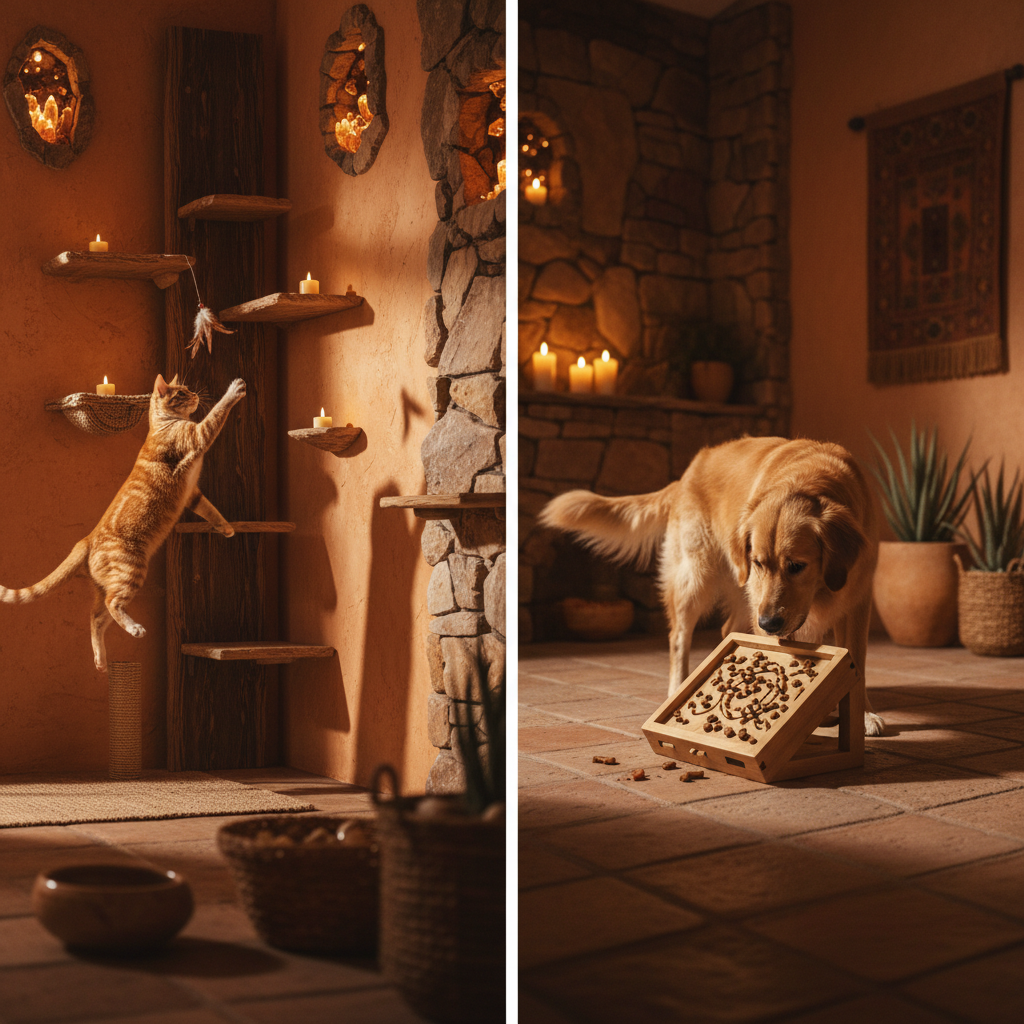
Just like humans, pets need mental stimulation to stay happy and healthy. A boring or monotonous environment can lead to behavioral problems, such as destructive chewing, excessive barking, or anxiety. Provide your pet with a variety of toys, puzzles, and activities to keep their minds engaged. Rotate their toys regularly to prevent boredom. Consider enrolling your dog in obedience classes or agility training to provide them with mental and physical challenges.
For cats, provide scratching posts, climbing structures, and interactive toys that mimic hunting behavior. Consider creating a “catio” or enclosed outdoor space where your cat can safely enjoy the fresh air and sunshine.
Building a Stronger Bond: Communication and Trust
Ultimately, the ability to recognize and respond to the small signs your pet gives you is about building a stronger bond based on communication and trust. The more attuned you are to your pet’s individual needs and preferences, the better you’ll be able to understand their subtle cues and provide them with the care they deserve. This bond isn’t just beneficial for your pet; it enriches your life as well, bringing you joy, companionship, and a deeper connection to the animal world.
Learning Their Language: Understanding Body Language and Vocalizations
Pets communicate in a variety of ways, including body language, vocalizations, and scent marking. Learning to interpret these signals is essential for understanding your pet’s needs and emotions. Pay attention to their posture, facial expressions, tail movements, and vocalizations. A relaxed dog will typically have a loose body posture, a wagging tail, and soft eyes. A fearful dog may cower, tuck their tail, and show the whites of their eyes. A happy cat may purr, rub against your legs, and knead with their paws. A stressed cat may hiss, swat, and flatten their ears.
Observe how your pet interacts with other animals and people. Are they comfortable and confident, or are they anxious and defensive? Understanding their social cues can help you to create a safe and supportive environment for them.
Creating a Safe and Supportive Environment: Reducing Stress and Anxiety
A stressful or anxiety-provoking environment can exacerbate existing health problems and make it more difficult to detect subtle changes in your pet’s behavior. Create a safe and supportive environment for your pet by providing them with a comfortable bed, a quiet space to retreat to, and plenty of opportunities for positive interaction. Avoid exposing your pet to situations that you know will cause them stress, such as loud noises, unfamiliar people, or aggressive animals. If your pet suffers from anxiety, talk to your veterinarian about strategies for managing their condition, such as medication, behavioral therapy, or environmental modifications.
By fostering a strong bond based on communication and trust, you can create a partnership with your pet that will last a lifetime. You’ll be better equipped to understand their needs, recognize their subtle cues, and provide them with the care and support they deserve.

The Reward of Vigilance: A Longer, Healthier Life
In conclusion, paying attention to the small signs your pet exhibits is not about being paranoid or overreacting. It’s about being a responsible and attentive pet owner, one who is committed to providing their animal companion with the best possible care. It’s about understanding that those subtle shifts in behavior, appetite, or physical appearance can be early indicators of underlying health problems, and that early detection often translates to more effective treatment and a better outcome. The reward for your vigilance is a longer, healthier, and happier life for your beloved pet, and a deeper, more meaningful bond between you both. It’s an investment that pays dividends in countless ways, enriching your life and the life of your cherished animal companion.

Hi, my name is Robert Max, I live in the United States and I’m the creator of InTechNews. I started this blog with the goal of sharing reliable and practical information about pet care, helping pet owners provide a healthier and happier life for their animals. I’m passionate about animal well-being and believe that good information makes all the difference in responsible pet ownership.