
The Toy Paradox: More Isn’t Always Merrier
We shower our pets with love, and often that love manifests in the form of toys. We fill their baskets, bins, and even entire rooms with plush creatures, squeaky balls, and puzzle feeders, all in the hopes of keeping them entertained and happy. But have you ever stopped to consider that this abundance of toys might actually be working against you? That your pet’s favorite toy…might actually be boring them?
It seems counterintuitive, doesn’t it? The more options they have, the more stimulated they should be, right? However, in the world of pet enrichment, the concept of “choice overload” is very real. Just as humans can become overwhelmed by too many options, leading to decision paralysis, our furry companions can experience a similar phenomenon. This can lead to a decrease in interest, a lack of engagement, and ultimately, a bored and unfulfilled pet.
Think about it this way: imagine a child’s playroom overflowing with toys. After the initial excitement, the child often becomes desensitized to the sheer volume and ends up playing with only a select few items, or worse, loses interest entirely. The same principle applies to our pets. The constant availability of toys diminishes their novelty and reduces their perceived value. This isn’t to say that toys are bad – far from it. Toys are crucial for mental and physical stimulation, preventing destructive behaviors, and strengthening the bond between pet and owner. However, it’s the way we provide these toys that matters.
The Psychology of Play: Why Novelty Matters
The key to understanding why your pet might be bored with their toys lies in understanding the psychology of play. For animals, play is not just a frivolous activity; it’s an essential part of their development and well-being. It allows them to practice vital skills, such as hunting, problem-solving, and social interaction. When an animal plays, their brain releases endorphins, creating a sense of pleasure and reward. This positive reinforcement encourages them to continue engaging in playful activities.
However, this reward system is highly sensitive to novelty. When a pet encounters a new toy or game, the novelty triggers a surge of dopamine, a neurotransmitter associated with pleasure and motivation. This dopamine rush is what makes the new toy so exciting and engaging. But as the pet becomes accustomed to the toy, the dopamine response diminishes, and the toy loses its appeal. It becomes predictable and less rewarding.
Consider the analogy of a video game. The first time you play a new game, you’re captivated by the graphics, the gameplay, and the storyline. But after playing it repeatedly, you start to memorize the levels, anticipate the challenges, and the game becomes less stimulating. The same applies to your pet’s toys. The constant repetition of the same toys leads to habituation, a process where the pet becomes desensitized to the stimulus and loses interest.
This doesn’t mean you need to constantly buy new toys to keep your pet entertained. Instead, it means you need to be strategic about how you present and manage their existing toys. It’s about creating an environment where toys are not always readily available, where they are rotated and introduced in a way that maintains their novelty and excitement.
Toy Rotation: The Secret to Rekindling Interest
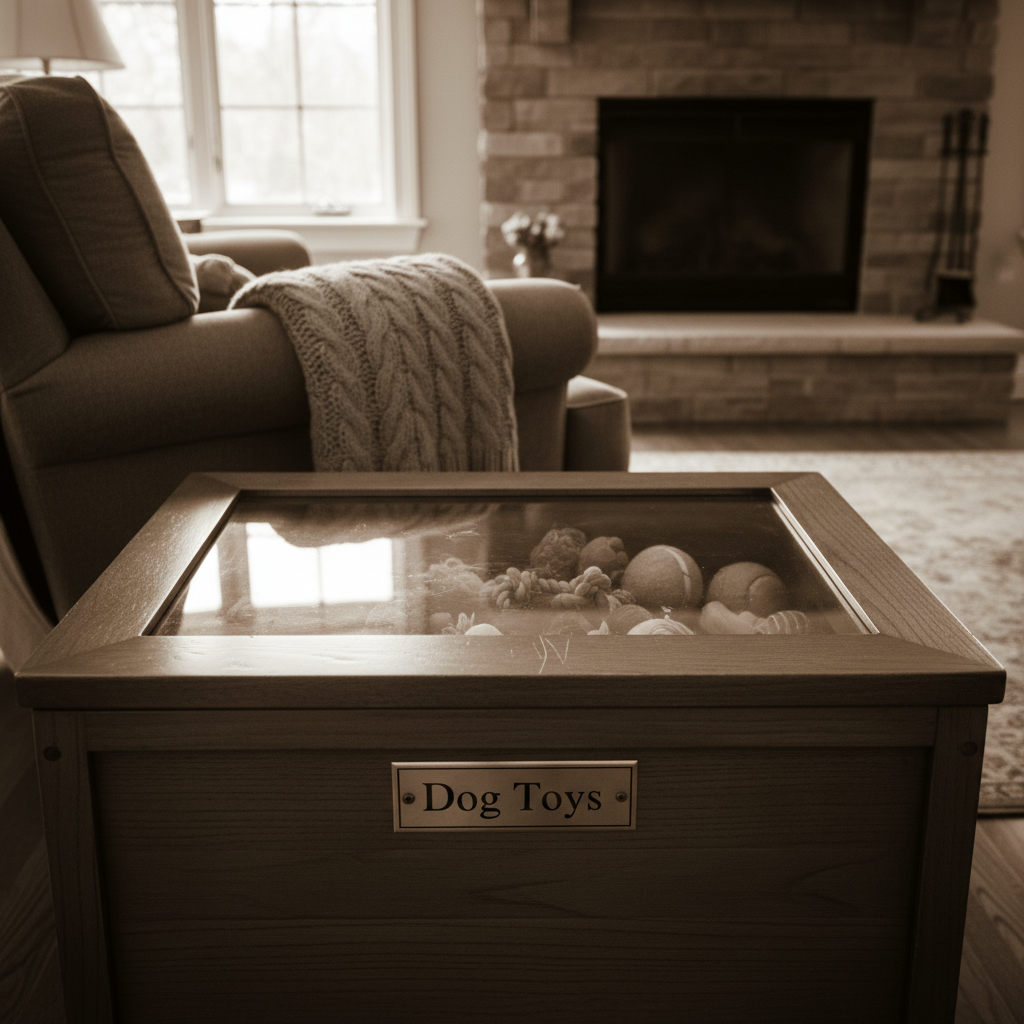
Toy rotation is a simple yet effective technique that can dramatically improve your pet’s engagement with their toys. The concept is straightforward: instead of making all of your pet’s toys available at once, you keep most of them stored away and rotate them periodically. This creates a sense of novelty and excitement each time a “new” toy is introduced, rekindling their interest and enthusiasm.
The frequency of toy rotation will depend on your pet’s individual personality and preferences. Some pets may benefit from a daily rotation, while others may be happy with a weekly or even monthly rotation. The key is to observe your pet’s behavior and adjust the rotation schedule accordingly. If you notice that your pet is starting to lose interest in their current toys, it’s time to introduce a new batch.
Here’s a step-by-step guide to implementing a successful toy rotation system:
- Inventory and Categorization: Start by taking stock of all your pet’s toys. Categorize them based on their type (e.g., plush toys, chew toys, puzzle toys, balls) and their function (e.g., fetch, tug-of-war, solo play). This will help you create a balanced rotation that caters to your pet’s diverse needs.
- Selection and Storage: Choose a small selection of toys from each category to make available to your pet. Store the remaining toys in a bin, closet, or other out-of-reach location. The key is to make sure your pet doesn’t have access to the stored toys, as this will defeat the purpose of the rotation.
- Introduction and Observation: Introduce the selected toys to your pet and observe their reaction. Pay attention to which toys they gravitate towards and which ones they ignore. This will give you valuable insights into their preferences and help you tailor future rotations.
- Rotation and Reintroduction: After a set period (e.g., a week), remove the current toys and replace them with a new selection from the storage bin. Reintroduce the “new” toys with enthusiasm and encouragement. You can even make a game out of it by hiding the toys and letting your pet find them.
- Cleaning and Maintenance: Regularly clean and maintain your pet’s toys to keep them in good condition. This will also help to prevent the spread of bacteria and other harmful microorganisms. Replace any toys that are damaged or worn out.
Beyond Rotation: Enhancing Playtime
Toy rotation is a great starting point, but it’s just one piece of the puzzle. To truly enrich your pet’s playtime, you need to go beyond simply providing toys and focus on creating engaging and stimulating experiences. This means incorporating interactive play, puzzle feeders, and other enrichment activities into your pet’s daily routine.
Interactive play is crucial for strengthening the bond between you and your pet. Games like fetch, tug-of-war, and hide-and-seek provide physical exercise, mental stimulation, and social interaction. They also allow you to teach your pet new commands and reinforce positive behaviors. When engaging in interactive play, be sure to use positive reinforcement techniques, such as praise and treats, to reward your pet’s efforts.
Puzzle feeders are another excellent way to keep your pet mentally stimulated. These toys require your pet to solve a puzzle or overcome a challenge in order to access their food or treats. This not only provides mental enrichment but also slows down their eating, which can help prevent digestive issues. There are many different types of puzzle feeders available, ranging from simple treat-dispensing balls to complex multi-step puzzles. Choose a puzzle feeder that is appropriate for your pet’s skill level and adjust the difficulty as they become more proficient.
Remember, playtime should be a fun and rewarding experience for both you and your pet. Be patient, creative, and adaptable, and don’t be afraid to experiment with different toys and activities until you find what works best for your furry friend.

Case Studies: Real-World Examples of Toy Boredom and Solutions
To illustrate the impact of toy boredom and the effectiveness of toy rotation, let’s examine a few real-world case studies:
Case Study 1: The Anxious Australian Shepherd
Bella, a two-year-old Australian Shepherd, was exhibiting signs of anxiety and destructive behavior. Her owner, Sarah, had provided her with a wide assortment of toys, but Bella seemed uninterested in them. She would often chew on furniture, bark excessively, and pace around the house restlessly. After consulting with a veterinarian and a certified dog trainer, Sarah learned about the concept of toy boredom and the importance of toy rotation.
Sarah implemented a toy rotation system, keeping most of Bella’s toys stored away and introducing a new selection each week. She also incorporated more interactive play into Bella’s daily routine, including fetch, agility training, and puzzle feeders. Within a few weeks, Bella’s anxiety levels decreased significantly, and her destructive behaviors subsided. She became more engaged with her toys and more responsive to Sarah’s commands. Sarah realized that Bella wasn’t inherently destructive; she was simply bored and understimulated.
Case Study 2: The Overweight Labrador Retriever
Max, a five-year-old Labrador Retriever, was overweight and lacked energy. His owner, John, had attributed his lethargy to his age and breed. However, after attending a seminar on pet enrichment, John realized that Max might be bored and understimulated. Max had a basket full of toys, but he rarely played with them. He preferred to sleep most of the day and only showed interest in food.
John decided to try a toy rotation system and introduce more puzzle feeders into Max’s routine. He also started taking Max on longer walks and engaging in more interactive play. Initially, Max was resistant to the changes, but John persisted. He used positive reinforcement techniques to encourage Max to play with the new toys and solve the puzzles. Gradually, Max’s energy levels increased, and he started to lose weight. He became more playful and engaged with his environment. John discovered that Max’s lethargy wasn’t due to his age or breed; it was due to a lack of mental and physical stimulation.
Case Study 3: The Feline Finickiness
Cleo, a three-year-old Siamese cat, was notoriously picky about her toys. Her owner, Emily, had tried numerous toys, but Cleo would quickly lose interest in them. She preferred to sleep on the windowsill or groom herself incessantly. Emily was concerned that Cleo was bored and lacked enrichment.
Emily decided to try a toy rotation system specifically tailored to Cleo’s preferences. She observed which types of toys Cleo enjoyed the most (e.g., feather wands, laser pointers, crinkle balls) and focused on rotating those toys. She also incorporated more interactive play into Cleo’s routine, such as chasing laser pointers and pouncing on feather wands. Emily discovered that Cleo’s finickiness wasn’t due to a lack of interest in toys; it was due to a lack of novelty and engagement. By rotating the toys and making playtime more interactive, Emily was able to rekindle Cleo’s interest and provide her with the enrichment she needed.
These case studies demonstrate that toy boredom is a common problem that can affect pets of all ages, breeds, and personalities. However, with a little creativity and effort, it can be easily addressed through toy rotation, interactive play, and other enrichment activities.
The Dangers of Ignoring Toy Boredom
While it might seem like a minor issue, ignoring toy boredom can have significant consequences for your pet’s well-being. A bored pet is more likely to develop behavioral problems, experience anxiety and stress, and suffer from physical health issues.
Behavioral problems are a common consequence of toy boredom. Bored pets may engage in destructive behaviors, such as chewing on furniture, digging in the yard, or scratching at doors. They may also exhibit attention-seeking behaviors, such as excessive barking, whining, or meowing. These behaviors are often a sign that the pet is trying to relieve their boredom and frustration.
Anxiety and stress are also common consequences of toy boredom. Bored pets may become anxious, restless, and irritable. They may also develop compulsive behaviors, such as excessive grooming, licking, or pacing. These behaviors are often a sign that the pet is struggling to cope with their lack of stimulation.
Physical health issues can also arise from toy boredom. Bored pets are more likely to become overweight or obese due to a lack of physical activity. They may also develop joint problems, muscle atrophy, and other health issues associated with a sedentary lifestyle. In addition, boredom can weaken the immune system, making pets more susceptible to illness.
Therefore, it’s crucial to take toy boredom seriously and address it proactively. By providing your pet with a stimulating and enriching environment, you can help prevent these negative consequences and ensure their long-term health and happiness.
Recognizing the Signs: Is Your Pet Bored?
How can you tell if your pet is bored with their toys? Here are some common signs to watch out for:
- Lack of interest in toys: Your pet may ignore their toys, even when you try to engage them in play.
- Destructive behavior: Your pet may chew on furniture, dig in the yard, or scratch at doors.
- Attention-seeking behavior: Your pet may bark excessively, whine, or meow constantly.
- Lethargy and inactivity: Your pet may sleep more than usual and show little interest in physical activity.
- Anxiety and stress: Your pet may exhibit signs of anxiety, such as pacing, panting, or trembling.
- Compulsive behaviors: Your pet may engage in excessive grooming, licking, or pacing.
- Changes in appetite: Your pet may lose interest in food or develop a voracious appetite.
If you notice any of these signs, it’s time to take action and address your pet’s boredom. Start by implementing a toy rotation system and incorporating more interactive play into their daily routine. You may also want to consult with a veterinarian or a certified pet trainer for additional guidance.

Creating a Sustainable Play Environment
Ultimately, overcoming toy boredom is about creating a sustainable play environment that caters to your pet’s individual needs and preferences. This means not only providing a variety of toys but also fostering a positive and engaging relationship between you and your pet. It’s about making playtime a fun, rewarding, and enriching experience for both of you.
Remember, toys are just one tool in your enrichment toolbox. Don’t be afraid to get creative and explore other ways to stimulate your pet’s mind and body. Consider incorporating activities like: scent work, agility training, trick training, and social interaction with other animals. The possibilities are endless!
By being mindful of your pet’s needs and actively engaging in their playtime, you can help them live a happier, healthier, and more fulfilling life. And who knows, you might even rediscover your own inner child in the process!
So, the next time you look at that overflowing toy basket, ask yourself: “Am I truly enriching my pet’s life, or am I simply contributing to their boredom?” The answer might surprise you.

Hi, my name is Robert Max, I live in the United States and I’m the creator of InTechNews. I started this blog with the goal of sharing reliable and practical information about pet care, helping pet owners provide a healthier and happier life for their animals. I’m passionate about animal well-being and believe that good information makes all the difference in responsible pet ownership.