
The Toy Aisle Paradox: A Reflection of Ourselves?
We’ve all been there. Standing in the pet store, overwhelmed by the sheer volume of toys marketed to our furry companions. Plush squirrels, squeaky hedgehogs, durable rubber bones – the options seem endless. We carefully examine each item, considering its size, material, and potential entertainment value. But have you ever stopped to wonder, are we truly buying these toys for our pets, or are we subconsciously purchasing them to alleviate our own guilt or project an image of responsible pet ownership?
It’s a question that delves into the complex relationship between humans and animals, exploring the motivations behind our seemingly selfless acts of providing for our beloved companions. Are we fulfilling a genuine need for enrichment and stimulation, or are we simply filling a void within ourselves, seeking validation through the accumulation of material possessions for our pets?
Consider the scenario: You’ve been working long hours, your dog has been home alone, and you feel a pang of guilt as you walk through the door. Immediately, you reach for a brand-new, brightly colored toy, hoping to compensate for your absence. Is that toy truly enriching your dog’s life, or is it a Band-Aid solution for a deeper issue of time and attention?
The Guilt-Driven Purchase
Guilt is a powerful motivator. It can drive us to make decisions that, on the surface, appear to be in the best interest of our pets, but are actually rooted in our own emotional needs. The working pet parent, burdened by the demands of their career, might feel compelled to shower their dog or cat with toys to compensate for the lack of quality time. They might reason, “If I can’t be there to play with them, at least they’ll have something to keep them occupied.”
However, this approach often misses the mark. Pets crave interaction, affection, and mental stimulation. A mountain of toys cannot replace a walk in the park, a training session, or a simple cuddle on the couch. The guilt-driven purchase, while well-intentioned, ultimately serves to ease the owner’s conscience rather than genuinely enhancing the pet’s well-being. It’s a performative act of care, a way to signal to ourselves and others that we are responsible pet parents, even when our actions may not align with our pets’ true needs.
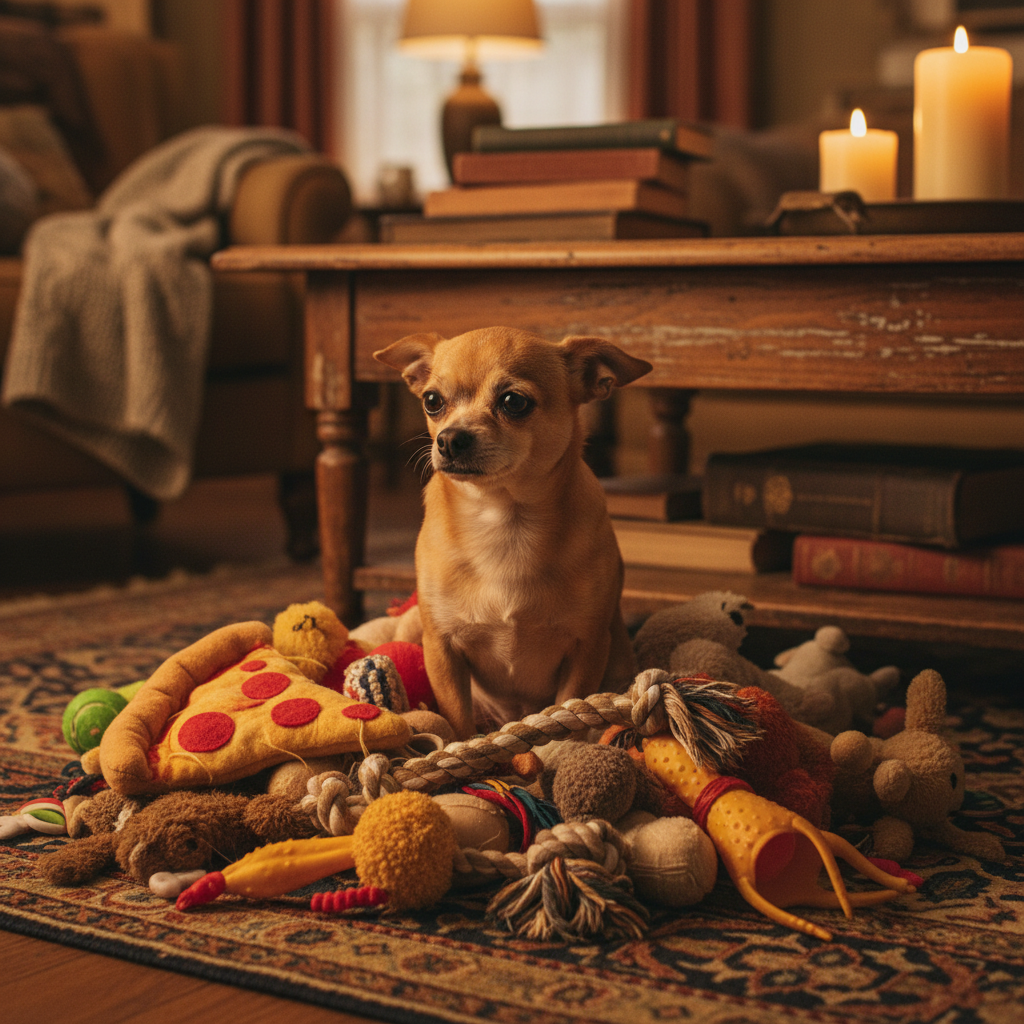
Think about the overflowing toy baskets in some homes. Are all those toys actively being used? Or are they simply collecting dust, a testament to past purchases made out of guilt or impulse? The key is to shift our focus from quantity to quality, prioritizing interactive play, training, and enrichment activities that foster a deeper bond with our pets.
The “Good Owner” Syndrome: Projecting an Image
Beyond guilt, there’s another underlying factor that often influences our toy-buying habits: the desire to be perceived as a “good owner.” In today’s social media-driven world, pet ownership has become increasingly performative. We share photos and videos of our pets, showcasing their adorable antics and the lavish lifestyles we provide for them.
The abundance of toys becomes a visual representation of our commitment to our pets’ happiness and well-being. We want to project an image of responsible pet ownership, demonstrating that we are willing to invest in their comfort and entertainment. The perfectly curated toy basket becomes a symbol of our dedication, a way to signal to our online followers that we are providing the best possible life for our furry companions.
This pursuit of the “good owner” image can lead to excessive spending on toys that our pets may not even need or enjoy. We become caught up in the cycle of consumerism, constantly seeking out the latest and greatest products, driven by the fear of being perceived as inadequate or neglectful. The focus shifts from genuine care and connection to external validation and social approval.
The Instagram Effect
Social media platforms like Instagram have amplified this phenomenon, creating a culture of competitive pet ownership. We see perfectly staged photos of pets surrounded by an array of toys, leading us to believe that this is the standard of care we should strive for. The pressure to keep up with the Joneses (or in this case, the Barkers) can be immense, leading us to make purchases that are driven by social comparison rather than genuine need.
Before making a purchase, ask yourself: Am I buying this toy because my pet will genuinely benefit from it, or am I buying it to impress my friends and followers? Is this purchase driven by a desire to enhance my pet’s life, or is it driven by a need for external validation? The answer to these questions can help you identify whether you are falling prey to the “good owner” syndrome.
Understanding Your Pet’s True Needs
The key to responsible pet ownership is to understand your pet’s individual needs and preferences. Not all dogs enjoy the same types of toys, and what works for one pet may not work for another. Some dogs are avid chewers and require durable, long-lasting toys, while others prefer soft, plush toys that they can cuddle with. Some cats are drawn to interactive toys that stimulate their hunting instincts, while others prefer simple toys that they can bat around.
Paying attention to your pet’s behavior and preferences can help you make informed decisions about which toys to purchase. Observe how your pet interacts with different types of toys and note which ones they seem to enjoy the most. Consider their age, breed, and energy level when selecting toys, and always prioritize safety and durability.
Beyond the Material: Enrichment and Connection
Ultimately, the most valuable thing you can give your pet is your time and attention. Interactive play, training sessions, and simple acts of affection can provide far more enrichment and stimulation than any toy ever could. Focus on creating opportunities for your pet to engage in activities that stimulate their mind and body, and foster a deeper bond between you.
Consider activities like:
* Agility training: A fun and challenging way to exercise your dog’s body and mind.
* Puzzle toys: Toys that require your pet to solve a problem to access a treat.
* Scent work: Hiding treats or toys and encouraging your pet to use their nose to find them.
* Walks and hikes: Exploring new environments and providing opportunities for exercise and socialization.
By prioritizing these types of activities, you can create a more fulfilling and enriching life for your pet, and strengthen the bond between you. Remember, the best toy in the world cannot replace the love, attention, and connection that you provide.

The Minimalism Approach to Pet Toys
Perhaps the answer isn’t simply buying fewer toys, but adopting a more mindful and intentional approach to pet ownership. This might involve embracing a minimalist philosophy when it comes to pet toys, focusing on quality over quantity and prioritizing toys that offer multiple benefits.
A minimalist approach could mean:
* Rotating toys: Keeping a limited number of toys accessible at any given time and rotating them regularly to keep your pet engaged.
* Choosing durable toys: Investing in high-quality toys that will withstand wear and tear, rather than buying cheap toys that will quickly fall apart.
* Focusing on interactive toys: Prioritizing toys that encourage interaction and play between you and your pet.
* Repurposing household items: Using safe and appropriate household items, like cardboard boxes or old t-shirts, as makeshift toys.
By adopting a minimalist approach, you can reduce clutter, save money, and create a more stimulating environment for your pet. The focus shifts from accumulating material possessions to fostering a deeper connection and understanding of your pet’s needs.
De-Cluttering for a Happier Pet
Just as decluttering our homes can improve our mental well-being, decluttering our pets’ toy collection can also have a positive impact. A smaller, more curated selection of toys can be less overwhelming and more engaging for your pet. It can also make it easier for you to keep track of which toys your pet enjoys the most, and which ones are simply collecting dust.
Consider donating or discarding any toys that are broken, damaged, or no longer of interest to your pet. This can create a cleaner, more organized environment and free up space for new and exciting experiences.
The Ethical Considerations of Pet Toy Manufacturing
Beyond the personal motivations behind our toy-buying habits, it’s also important to consider the ethical implications of the pet toy industry. Many pet toys are manufactured overseas, often in factories with questionable labor practices. The materials used to make these toys can also be harmful to the environment and potentially dangerous to our pets.
As responsible pet owners, we have a responsibility to be mindful of the products we purchase and the impact they have on the world. This might involve:
* Choosing eco-friendly toys: Opting for toys made from sustainable and biodegradable materials.
* Supporting ethical brands: Purchasing toys from companies that prioritize fair labor practices and environmental responsibility.
* Making your own toys: Creating homemade toys from recycled materials, reducing waste and saving money.
By making conscious consumer choices, we can support a more ethical and sustainable pet toy industry, and ensure that our purchases align with our values.

The Psychology of Play: Why Toys Matter
While it’s important to be mindful of our motivations behind buying toys, it’s also crucial to acknowledge the important role that toys play in our pets’ lives. Toys provide enrichment, stimulation, and opportunities for exercise and play. They can help to alleviate boredom, reduce stress, and strengthen the bond between pets and their owners.
Play is a fundamental aspect of animal behavior, and toys can serve as a valuable tool for channeling natural instincts and promoting overall well-being. For example, toys that mimic prey can satisfy a cat’s hunting instincts, while chew toys can provide a safe outlet for a dog’s natural urge to chew.
The Benefits of Playtime
Playtime offers a multitude of benefits for both pets and their owners. It can:
* Reduce stress and anxiety: Playtime releases endorphins, which have mood-boosting effects.
* Promote physical activity: Toys encourage pets to move and exercise, helping to maintain a healthy weight.
* Strengthen the bond between pets and owners: Interactive play creates opportunities for connection and communication.
* Stimulate the mind: Puzzle toys and other challenging toys can help to keep pets mentally sharp.
* Alleviate boredom: Toys can provide a source of entertainment and prevent pets from engaging in destructive behaviors.
By providing our pets with appropriate toys and engaging in regular playtime, we can help to ensure their physical and mental well-being.
Finding the Right Balance: Mindful Pet Ownership
Ultimately, the key is to find a balance between providing our pets with the resources they need to thrive and being mindful of our own motivations behind our purchasing decisions. This involves being honest with ourselves about why we are buying a particular toy, and considering whether it is truly in our pet’s best interest. It means shifting our focus from quantity to quality, prioritizing interactive play, training, and enrichment activities that foster a deeper bond with our pets.
It’s about recognizing that the most valuable thing we can give our pets is our time, attention, and love. Toys can be a valuable tool for enhancing their lives, but they should never be used as a substitute for genuine connection and care. By embracing mindful pet ownership, we can create a more fulfilling and enriching life for both ourselves and our furry companions.

So, the next time you find yourself standing in the pet store, surrounded by a sea of toys, take a moment to pause and reflect. Ask yourself, “Am I buying this toy for my pet, or am I buying it for myself?” The answer may surprise you, and it may just lead you to a more meaningful and fulfilling relationship with your beloved companion.

Hi, my name is Robert Max, I live in the United States and I’m the creator of InTechNews. I started this blog with the goal of sharing reliable and practical information about pet care, helping pet owners provide a healthier and happier life for their animals. I’m passionate about animal well-being and believe that good information makes all the difference in responsible pet ownership.