
The Power of Predictability: Why Routine Matters for Your Pet
Have you ever noticed how much calmer your pet is when they know what to expect? Just like humans, animals thrive on predictability. A consistent routine provides a sense of security and reduces anxiety, leading to improved behavior and a happier, healthier companion. But what exactly makes routine so powerful, and how can you establish one that works for both you and your furry friend?
Consider this: a dog who never knows when their next meal will be is likely to experience chronic stress. This stress can manifest in various behavioral problems, from excessive barking and chewing to aggression and fear. On the other hand, a dog who eats at the same time every day knows that food is coming, eliminating the anxiety associated with uncertainty. This principle extends to all aspects of your pet’s life, from walks and playtime to grooming and bedtime.
Understanding Your Pet’s Internal Clock
Animals have an internal circadian rhythm, a natural, internal process that regulates the sleep-wake cycle and repeats roughly every 24 hours. This rhythm is influenced by external cues like sunlight, temperature, and, importantly, routine. When your pet’s routine aligns with their internal clock, they experience a greater sense of balance and well-being. Think of it like this: imagine trying to function at your best if you were constantly jet-lagged. That’s essentially what it’s like for a pet whose routine is erratic and unpredictable.
A well-established routine helps synchronize your pet’s internal clock, leading to better sleep, improved digestion, and a stronger immune system. But it’s not just about the physical benefits. A predictable routine also provides mental stimulation and reduces boredom. Knowing what to expect allows your pet to relax and focus on other things, like learning new tricks or simply enjoying your company.
Creating a Routine That Works
Establishing a successful routine requires careful planning and consistency. It’s not about imposing a rigid schedule that’s impossible to maintain, but rather creating a framework that provides structure and predictability while still allowing for flexibility. The key is to consider your pet’s individual needs and preferences, as well as your own lifestyle and commitments.
Where do you begin? Start by identifying the essential elements of your pet’s day: feeding, walks, playtime, potty breaks, and bedtime. Aim to schedule these activities at roughly the same time each day, even on weekends. Consistency is crucial, especially in the initial stages of establishing a routine. Once your pet becomes accustomed to the schedule, you can gradually introduce more flexibility.
For example, instead of always walking your dog at exactly 7:00 AM, you might aim for sometime between 6:30 AM and 7:30 AM. This allows for slight variations without disrupting the overall structure of the routine. Remember, the goal is to provide predictability, not to create a rigid prison.
The Importance of Consistency and Patience
Consistency is the cornerstone of any successful routine. It’s not enough to establish a schedule; you must also adhere to it as closely as possible. This doesn’t mean you can never deviate from the routine, but it does mean that you should make every effort to maintain it, especially in the beginning. The more consistent you are, the faster your pet will adapt to the new schedule and the more benefits you will see.
Patience is also essential. It takes time for a pet to adjust to a new routine, especially if they’ve been used to a more erratic lifestyle. Don’t get discouraged if your pet doesn’t immediately embrace the new schedule. Be patient, consistent, and positive, and eventually, they will come to appreciate the predictability and security that a routine provides.
Consider this scenario: a cat who is used to being fed whenever they meow may initially protest when you switch to scheduled feeding times. They might meow more frequently or try to get your attention in other ways. However, if you consistently ignore these demands and only feed them at the designated times, they will eventually learn that meowing is not an effective way to get food. Over time, they will adapt to the new routine and become less demanding.

Addressing Specific Behavioral Issues Through Routine
A well-structured routine can be a powerful tool for addressing a variety of behavioral issues in pets. By providing predictability and reducing anxiety, routine can help alleviate problems such as separation anxiety, excessive barking, and destructive chewing. Let’s explore how routine can be used to address some common behavioral challenges:
Separation Anxiety
Separation anxiety is a common problem in dogs, characterized by excessive barking, destructive chewing, and other signs of distress when left alone. A consistent routine can help alleviate separation anxiety by creating a sense of security and predictability. Before leaving your dog alone, engage them in a calming activity, such as a walk or a training session. This helps to tire them out and reduce their anxiety. You can also leave them with a puzzle toy or a chew toy to keep them occupied while you’re gone. The key is to make your departure and return as calm and uneventful as possible. Avoid making a big fuss when you leave or when you come back, as this can actually exacerbate your dog’s anxiety.
Moreover, consistent pre-departure routines, such as putting on your shoes, grabbing your keys, and giving your dog a specific chew toy, can help desensitize them to the triggers that typically precede your departure. By repeating these actions consistently, your dog will eventually learn that these cues don’t necessarily mean you’re leaving for a long time, reducing their anxiety.
Excessive Barking
Excessive barking can be a frustrating problem for both pet owners and their neighbors. In many cases, barking is a symptom of boredom, anxiety, or lack of mental stimulation. A consistent routine that includes plenty of exercise, playtime, and mental challenges can help reduce excessive barking. Make sure your dog gets enough physical activity each day, whether it’s a walk, a run, or a game of fetch. Provide them with puzzle toys and other interactive games to keep their minds engaged. If your dog barks at specific triggers, such as people walking by the window, try to manage their environment to minimize exposure to those triggers. You can also train them to respond to a “quiet” command, rewarding them when they stop barking on cue.
Destructive Chewing
Destructive chewing is another common problem in dogs, particularly puppies. It’s often a sign of boredom, anxiety, or pent-up energy. A consistent routine that includes plenty of exercise, playtime, and access to appropriate chew toys can help reduce destructive chewing. Make sure your dog has a variety of chew toys to choose from, and rotate them regularly to keep them interesting. If you catch your dog chewing on something they shouldn’t be, gently redirect them to an appropriate chew toy. Avoid punishing your dog for chewing, as this can actually make the problem worse. Instead, focus on providing them with plenty of opportunities to chew on acceptable items.

The Role of Training in Reinforcing Routine
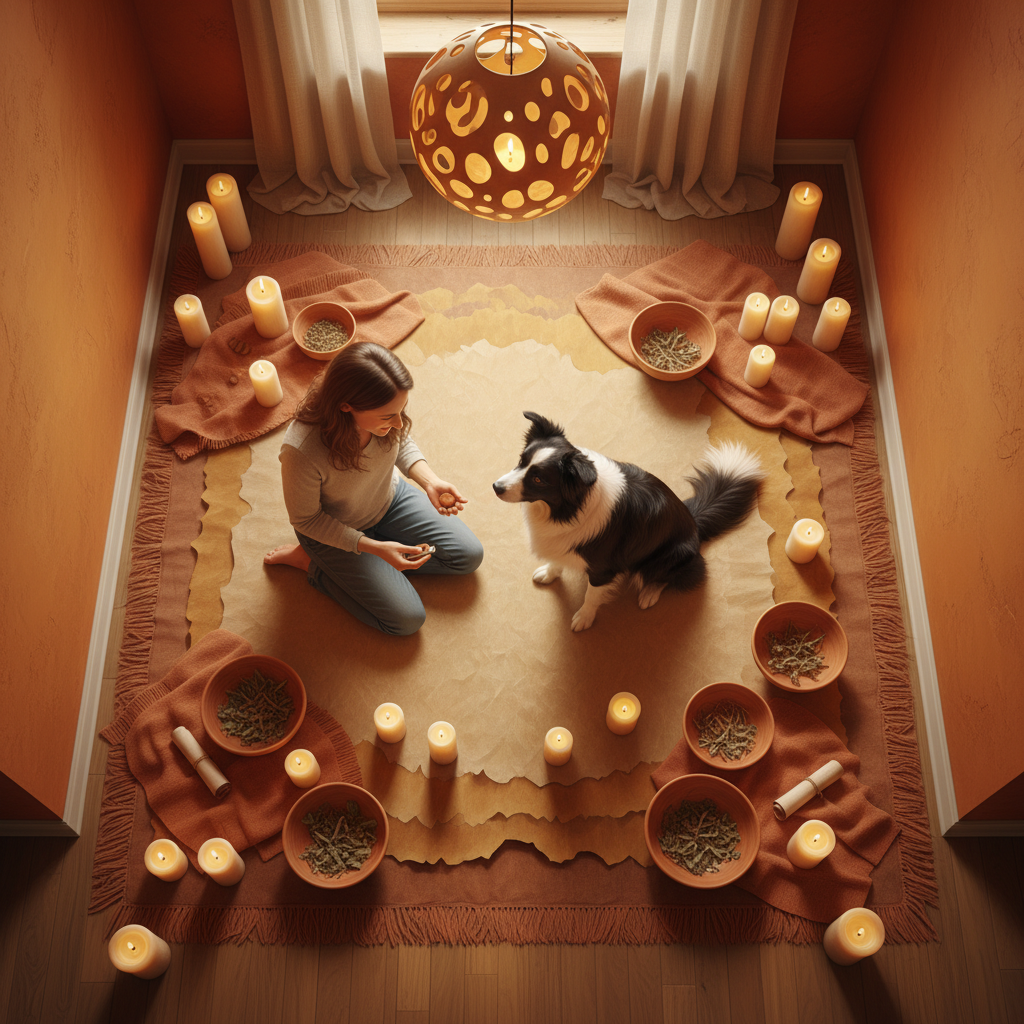
Training plays a crucial role in reinforcing routine and establishing clear communication between you and your pet. By teaching your pet specific commands and behaviors, you can create a more predictable and harmonious environment. Training not only helps your pet understand what you expect of them, but it also provides mental stimulation and strengthens the bond between you. Consider these aspects of how training and routine intertwine:
Basic Obedience Commands
Teaching your pet basic obedience commands, such as “sit,” “stay,” “come,” and “down,” is essential for establishing a well-behaved companion. These commands provide clear guidelines for your pet’s behavior and allow you to communicate effectively with them. When training your pet, be consistent with your commands and use positive reinforcement, such as treats or praise, to reward desired behaviors. Start with short training sessions and gradually increase the duration and difficulty as your pet progresses. Integrate training into your daily routine, using commands during walks, playtime, and mealtime.
Clicker Training
Clicker training is a powerful method for teaching animals new behaviors. The clicker acts as a marker signal, indicating the exact moment your pet performs the desired behavior. This allows you to communicate more precisely and effectively with your pet. To start clicker training, you’ll need a clicker and some small, tasty treats. First, associate the clicker with something positive by clicking and immediately giving your pet a treat. Repeat this several times until your pet understands that the clicker means they’re about to receive a reward. Then, start shaping the desired behavior by clicking and treating your pet for successive approximations of the behavior. For example, if you’re teaching your dog to sit, you would click and treat them for bending their knees, then for lowering their rear end slightly, and finally for sitting all the way down. Clicker training can be used to teach a wide range of behaviors, from basic obedience commands to complex tricks.
Consistency is Key in Training
Just like with routine, consistency is paramount when it comes to training. Use the same commands and hand signals every time, and be consistent with your rewards and corrections. Avoid confusing your pet by using different words for the same behavior or by changing your expectations. If you’re working on a specific behavior, practice it regularly, even if it’s just for a few minutes each day. The more consistent you are, the faster your pet will learn and the more reliable their behavior will be.
Adapting the Routine to Life Changes
Life is full of unexpected changes, and sometimes, these changes can disrupt our carefully crafted routines. Whether it’s a new job, a new baby, or a move to a new home, it’s important to be able to adapt your pet’s routine to accommodate these changes. While it’s important to maintain as much consistency as possible, it’s also crucial to be flexible and understanding. Here are some tips for adapting your pet’s routine to life changes:
Gradual Transitions
Whenever possible, try to introduce changes gradually. For example, if you’re starting a new job that will require you to be away from home for longer hours, start by leaving your pet alone for short periods of time and gradually increase the duration. This will help them adjust to the new schedule without experiencing undue stress. Similarly, if you’re moving to a new home, try to introduce your pet to the new environment gradually. Start by bringing them to the new house for short visits, and gradually increase the amount of time they spend there. This will help them become familiar with the new surroundings and reduce their anxiety.
Maintaining Core Elements
Even when life changes disrupt your routine, try to maintain the core elements of your pet’s schedule. For example, if you always walk your dog in the morning, try to continue doing so, even if it means waking up a little earlier. If you always feed your cat at the same time each day, try to stick to that schedule, even if other things in your life are changing. Maintaining these core elements will provide your pet with a sense of stability and security during a time of transition.
Seeking Professional Guidance
If you’re struggling to adapt your pet’s routine to life changes, don’t hesitate to seek professional guidance. A veterinarian or a certified pet trainer can provide you with valuable advice and support. They can help you identify potential stressors and develop strategies for managing your pet’s anxiety. They can also help you adjust your training methods to accommodate the new circumstances.
Consider the scenario of bringing a new baby home. This is a significant life change that can be stressful for both you and your pet. Start preparing your pet for the arrival of the baby well in advance by exposing them to baby sounds and smells. Set up the nursery gradually and allow your pet to explore the new space under supervision. When you bring the baby home, make sure to give your pet plenty of attention and reassurance. Gradually introduce them to the baby, and always supervise their interactions. With patience and planning, you can successfully integrate your pet into the new family dynamic.

The Long-Term Benefits of a Consistent Routine
The benefits of establishing a consistent routine for your pet extend far beyond improved behavior. A predictable and structured lifestyle can contribute to your pet’s overall health, happiness, and longevity. By providing a sense of security and reducing anxiety, routine can help prevent a variety of health problems and improve your pet’s quality of life. Let’s examine some of the long-term advantages of a consistent routine:
A well-established routine reduces stress levels, which in turn strengthens the immune system. Chronic stress can weaken the immune system, making your pet more susceptible to illness and disease. By minimizing stress through routine, you can help your pet stay healthy and resilient.
A consistent routine promotes better sleep habits, which are essential for physical and mental well-being. When your pet knows what to expect each day, they’re more likely to sleep soundly and wake up feeling refreshed. Adequate sleep is crucial for maintaining a healthy weight, regulating hormones, and supporting cognitive function.
A predictable routine provides mental stimulation and reduces boredom, which can help prevent behavioral problems and improve your pet’s overall happiness. When your pet is engaged and stimulated, they’re less likely to develop destructive habits or exhibit signs of anxiety or depression.
Ultimately, a consistent routine strengthens the bond between you and your pet. By providing them with a sense of security and predictability, you’re demonstrating that you care about their well-being and that you’re a reliable and trustworthy companion. This can lead to a deeper and more fulfilling relationship.
In conclusion, establishing a consistent routine is one of the most important things you can do for your pet’s well-being. By providing predictability and reducing anxiety, you can improve their behavior, health, and happiness. So, take the time to create a routine that works for both you and your furry friend, and enjoy the many rewards that come with a harmonious and well-structured lifestyle. The clarity that routine brings is a gift that keeps on giving, fostering a deeper connection and a more joyful life together.

Hi, my name is Robert Max, I live in the United States and I’m the creator of InTechNews. I started this blog with the goal of sharing reliable and practical information about pet care, helping pet owners provide a healthier and happier life for their animals. I’m passionate about animal well-being and believe that good information makes all the difference in responsible pet ownership.