
The Undeniable Link Between Cleanliness and Pet Health
We adore our pets. They are more than just animals; they are family. We share our homes, our lives, and our love with them. But amidst the cuddles and playtime, it’s easy to overlook a crucial aspect of their well-being: cleanliness. More than just aesthetics, maintaining your pet’s hygiene is deeply intertwined with their long-term health, comfort, and overall happiness. It’s about preventing a cascade of potential problems before they even begin.
Think about it: your pet explores the world with their noses, paws, and mouths. They roll around in the grass, sniff every corner of the park, and sometimes, let’s be honest, indulge in things they shouldn’t. All of this exposes them to a vast array of bacteria, parasites, allergens, and other potential hazards. Regular grooming and cleaning are your first line of defense against these invisible threats.
Neglecting your pet’s hygiene isn’t just about dealing with a bad smell or a messy house. It can lead to serious health complications, impacting their quality of life and potentially shortening their lifespan. From skin infections and dental disease to parasite infestations and allergic reactions, the consequences of poor hygiene can be far-reaching. So, how do we ensure our furry, scaled, or feathered companions stay healthy and happy through proper cleanliness?
Understanding the Unique Needs of Different Pets
The world of pets is incredibly diverse, and each species, breed, and even individual animal has unique hygiene requirements. What works for a fluffy Persian cat won’t necessarily work for a short-haired Dalmatian, and the needs of a hamster are vastly different from those of a parrot. Understanding these differences is the first step towards providing optimal care.
For example, long-haired dogs and cats are prone to matting, which can be painful and lead to skin infections if not addressed regularly. Breeds with skin folds, like Bulldogs and Shar-Peis, require special attention to prevent the buildup of bacteria and moisture in these areas. Aquatic pets, like fish and turtles, need clean and properly maintained habitats to thrive, and birds require regular cage cleaning to prevent the spread of disease. Researching the specific needs of your pet’s species and breed is crucial for developing an effective hygiene routine.
Consider the case of a rabbit. Rabbits are naturally clean animals and groom themselves frequently. However, they are also susceptible to flystrike, a potentially fatal condition where flies lay eggs in their soiled fur, especially around their rear end. This is particularly common in rabbits with mobility issues or those who are overweight and unable to groom themselves properly. Regular cleaning of their hutch and careful inspection of their fur are essential for preventing this devastating condition.

The Power of Regular Grooming: More Than Just a Pretty Coat
Grooming is often seen as a superficial activity, but it plays a vital role in maintaining your pet’s health and well-being. Regular brushing, bathing (when necessary), nail trimming, and ear cleaning are all essential components of a comprehensive grooming routine. Beyond keeping your pet looking their best, grooming offers a multitude of benefits.
Brushing helps remove loose fur, preventing mats and tangles, especially in long-haired breeds. It also stimulates blood circulation, promoting healthy skin and coat. Bathing helps remove dirt, debris, and allergens, but it’s important not to overdo it, as excessive bathing can strip the skin of its natural oils, leading to dryness and irritation. Nail trimming prevents overgrown nails from causing discomfort or injury, and ear cleaning helps prevent ear infections, particularly in dogs with floppy ears.
Furthermore, grooming provides an opportunity to examine your pet for any signs of health problems, such as lumps, bumps, skin irritations, or parasites. Early detection is crucial for successful treatment, and regular grooming allows you to identify potential issues before they become serious. Think of it as a mini-health checkup disguised as a pampering session.
Dental Hygiene: A Gateway to Overall Health
Dental disease is one of the most common health problems in pets, affecting a significant percentage of dogs and cats by the time they reach adulthood. Poor dental hygiene can lead to tartar buildup, gingivitis, periodontitis, and eventually, tooth loss. But the consequences don’t stop there. Dental disease can also affect other organs, such as the heart, liver, and kidneys, as bacteria from the mouth enter the bloodstream.
Imagine living with constant tooth pain and gum inflammation. It would affect your ability to eat, sleep, and enjoy life. The same is true for our pets. Regular dental care is essential for preventing dental disease and maintaining their overall health. Brushing your pet’s teeth daily is the gold standard, but if that’s not possible, dental chews, toys, and professional cleanings by a veterinarian can help reduce tartar buildup and prevent gum disease.
Consider the case of a senior dog with severe dental disease. The dog was constantly in pain, had difficulty eating, and had lost a significant amount of weight. After a professional dental cleaning and extraction of several teeth, the dog’s quality of life improved dramatically. The dog was able to eat comfortably, gained weight, and was much more energetic and playful. This highlights the profound impact that dental hygiene can have on a pet’s overall well-being.
Creating a Clean and Healthy Environment
Hygiene extends beyond just your pet’s body; it also encompasses their environment. A clean and sanitary living space is crucial for preventing the spread of disease and maintaining their overall health. This includes regular cleaning of their bedding, food and water bowls, litter boxes (for cats), cages (for birds and small animals), and any other areas where they spend a significant amount of time.
Dirty bedding and food bowls can harbor bacteria, fungi, and parasites, which can lead to skin infections, gastrointestinal problems, and other health issues. Litter boxes that are not cleaned regularly can become breeding grounds for bacteria and ammonia, which can irritate your cat’s respiratory system. Cages that are not properly maintained can accumulate waste and debris, creating a toxic environment for your pet.
The type of cleaning products you use is also important. Avoid using harsh chemicals or strong fragrances, as these can be irritating or even toxic to your pet. Opt for pet-friendly cleaning products or simple solutions like vinegar and water. Regular vacuuming and mopping can also help remove pet hair, dander, and allergens from your home, creating a healthier environment for both you and your pet.
Dealing with Accidents and Messes: A Practical Guide
Accidents happen, especially with puppies, kittens, or senior pets. Knowing how to properly clean up urine, feces, and vomit is essential for preventing odors, stains, and the spread of disease. The key is to act quickly and thoroughly.
For urine and feces, start by blotting up as much of the mess as possible with paper towels or cloths. Then, use a pet-specific enzymatic cleaner to neutralize the odor and prevent your pet from re-offending in the same spot. Avoid using ammonia-based cleaners, as they can actually attract your pet back to the area. For vomit, remove any solid pieces and then clean the area with a pet-friendly cleaner.
It’s also important to address the underlying cause of the accident. If your pet is suddenly having accidents indoors, it could be a sign of a medical problem, such as a urinary tract infection, diabetes, or kidney disease. Consult with your veterinarian to rule out any underlying health issues.

The Role of Nutrition in Skin and Coat Health
A healthy diet is the foundation for a healthy pet, and this includes their skin and coat. A balanced diet rich in essential nutrients, such as omega-3 fatty acids, vitamins, and minerals, can help maintain a healthy skin barrier, prevent dryness and irritation, and promote a shiny, lustrous coat. Conversely, a poor diet can lead to skin problems, such as dry, flaky skin, excessive shedding, and a dull, brittle coat.
Omega-3 fatty acids, found in fish oil and flaxseed oil, are particularly beneficial for skin and coat health. They help reduce inflammation, improve skin hydration, and promote a healthy coat. Vitamins, such as vitamin E and vitamin A, are also important for maintaining skin health. Vitamin E is an antioxidant that helps protect the skin from damage, while vitamin A is essential for cell growth and repair.
Consult with your veterinarian to determine the best diet for your pet, taking into account their age, breed, activity level, and any specific health concerns. They can recommend a high-quality food that meets their nutritional needs and supports healthy skin and coat.
Parasite Prevention: Protecting Your Pet from External Threats
Fleas, ticks, and mites are common external parasites that can cause a variety of skin problems in pets. Fleas can cause intense itching, skin irritation, and even anemia in severe cases. Ticks can transmit serious diseases, such as Lyme disease and ehrlichiosis. Mites can cause mange, a skin condition characterized by intense itching, hair loss, and skin inflammation.
Preventing parasite infestations is crucial for maintaining your pet’s health and comfort. There are a variety of effective flea and tick preventatives available, including topical treatments, oral medications, and collars. Consult with your veterinarian to determine the best option for your pet, taking into account their lifestyle, breed, and any specific health concerns. Regular grooming can also help detect fleas and ticks early, before they have a chance to cause serious problems.
For example, a dog who loves to hike in wooded areas is at a higher risk of tick exposure than a dog who primarily stays indoors. In this case, a more potent tick preventative may be necessary. Similarly, a cat who spends time outdoors is at a higher risk of flea exposure than an indoor-only cat. Your veterinarian can help you assess your pet’s risk factors and recommend the most appropriate preventative measures.
Recognizing and Addressing Skin Problems
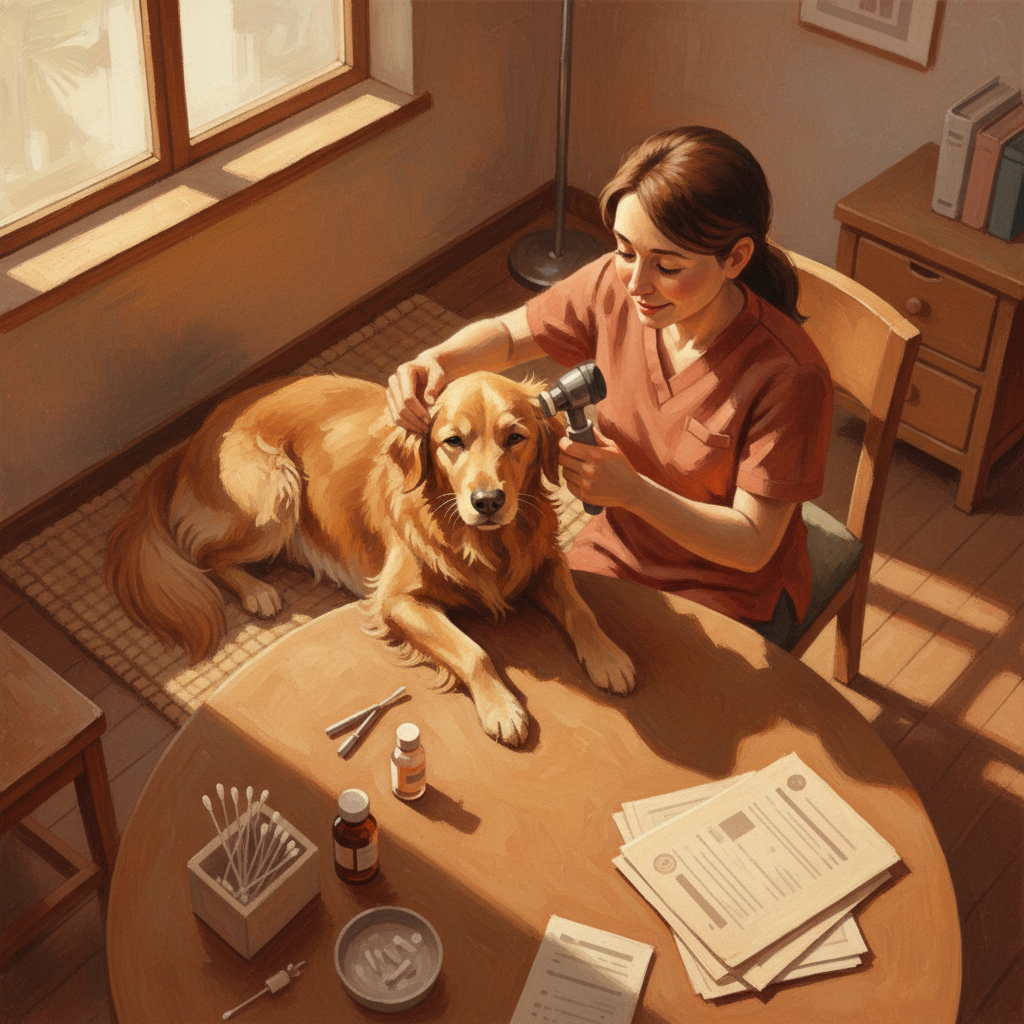
Despite our best efforts, skin problems can still occur in pets. Recognizing the signs of a skin problem is crucial for seeking prompt treatment and preventing complications. Common signs of skin problems include itching, scratching, licking, biting, hair loss, redness, inflammation, scaling, crusting, and odor.
If you notice any of these signs, consult with your veterinarian. They can perform a thorough examination to determine the underlying cause of the skin problem and recommend appropriate treatment. Common causes of skin problems include allergies, infections, parasites, hormonal imbalances, and autoimmune diseases.
Allergies are a common cause of skin problems in pets. Pets can be allergic to a variety of substances, including food, pollen, dust mites, and mold. Allergic reactions can cause intense itching, skin irritation, and secondary infections. Infections, such as bacterial and fungal infections, can also cause skin problems. Parasites, such as fleas, ticks, and mites, can cause skin irritation and hair loss. Hormonal imbalances, such as hypothyroidism and Cushing’s disease, can also affect the skin and coat. Autoimmune diseases, such as lupus and pemphigus, can cause skin lesions and inflammation.
The Importance of Consulting with Your Veterinarian
While many aspects of pet hygiene can be managed at home, it’s essential to consult with your veterinarian for any health concerns or before making significant changes to your pet’s routine. Your veterinarian is your best resource for personalized advice and guidance on maintaining your pet’s health and well-being.
They can perform regular checkups to monitor your pet’s overall health, provide vaccinations and parasite prevention, diagnose and treat illnesses and injuries, and offer advice on nutrition, behavior, and hygiene. They can also help you develop a customized hygiene routine that meets your pet’s specific needs and addresses any underlying health concerns.
Don’t hesitate to reach out to your veterinarian with any questions or concerns you may have about your pet’s health or hygiene. They are there to support you and your pet every step of the way.
Building a Positive Association with Grooming
For many pets, grooming can be a stressful or unpleasant experience. Building a positive association with grooming is crucial for making it a more enjoyable and cooperative process. Start by introducing grooming tools gradually and associating them with positive reinforcement, such as treats and praise. Begin with short grooming sessions and gradually increase the duration as your pet becomes more comfortable.
Make sure to handle your pet gently and avoid pulling or tugging on their fur. If they show signs of stress or discomfort, stop and try again later. You can also try distracting them with a toy or treat during grooming sessions. With patience and consistency, you can help your pet learn to tolerate and even enjoy grooming.
Think about it from your pet’s perspective. A sudden, forceful approach with unfamiliar tools can be frightening. By taking a slow, gentle approach and associating grooming with positive experiences, you can create a more relaxed and cooperative environment. This will not only make grooming easier for you but also strengthen the bond with your pet.
Ultimately, caring for your pet’s cleanliness is an act of love. It’s an investment in their health, happiness, and overall well-being. By understanding their unique needs, establishing a consistent hygiene routine, and working closely with your veterinarian, you can ensure that your furry, scaled, or feathered friend enjoys a long, healthy, and happy life.

Hi, my name is Robert Max, I live in the United States and I’m the creator of InTechNews. I started this blog with the goal of sharing reliable and practical information about pet care, helping pet owners provide a healthier and happier life for their animals. I’m passionate about animal well-being and believe that good information makes all the difference in responsible pet ownership.