
The Unseen Mess: Beyond the Obvious Stains
We adore our pets, these furry, feathered, or scaled companions who bring so much joy into our lives. But let’s be honest, the love comes with a price – a price often measured in shed hair, muddy paw prints, and the occasional…accident. Cleaning up after our pets is simply part of the deal. However, many of us unknowingly make common pet cleaning mistakes, leaving our homes less clean and potentially exposing ourselves and our beloved animals to harmful substances.
It’s not just about the visible messes. Think about it. How often do you truly sanitize the areas your pet frequents? Do you consider the invisible world of bacteria, allergens, and parasites that can linger long after the surface appears clean? Are you using the right products, or are you unwittingly damaging your furniture and carpets with harsh chemicals? These are the questions we need to ask ourselves to ensure a truly clean and healthy home for both ourselves and our furry friends. It’s time to dive deep and uncover those hidden cleaning culprits.
Why Proper Pet Cleaning Matters More Than You Think
Beyond aesthetics, thorough pet cleaning directly impacts the health and well-being of your entire household. Consider these crucial points:
- Allergen Control: Pet dander is a potent allergen for many people. Inadequate cleaning can lead to persistent allergy symptoms like sneezing, itching, and respiratory issues.
- Bacteria and Parasite Prevention: Pets can carry bacteria like Salmonella and parasites like fleas and ticks. Proper cleaning and disinfection help prevent the spread of these unwanted guests.
- Odor Elimination: Pet odors can linger and permeate your home, even after cleaning. Using the right products and techniques is essential for truly eliminating these smells, not just masking them.
- Protecting Your Belongings: Harsh cleaning chemicals can damage carpets, upholstery, and other surfaces. Choosing pet-safe and appropriate cleaning solutions is crucial for preserving your home’s value.
- Pet Health: Residues from certain cleaning products can be harmful to pets if ingested or inhaled. Always prioritize pet-safe options.
Ignoring these aspects can lead to long-term health problems and a less-than-pleasant living environment. It’s not just about having a “clean” house; it’s about creating a healthy and safe haven for everyone under your roof, especially your four-legged family members.
Mistake #1: Neglecting Regular Grooming
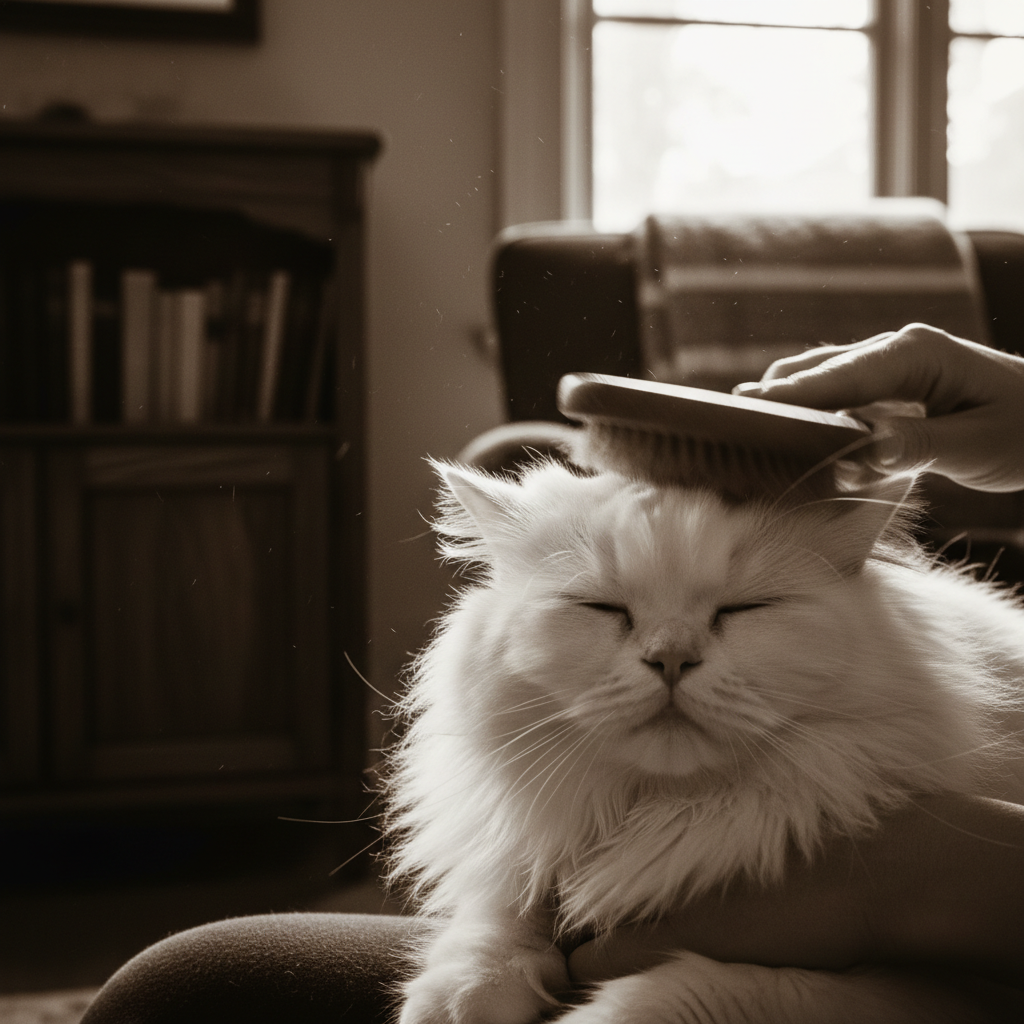
This may seem counterintuitive, but the first step to a cleaner home isn’t always about scrubbing floors. It’s about preventing the mess in the first place! Regular grooming is an essential, often overlooked, aspect of pet hygiene that significantly reduces the amount of hair, dander, and dirt that ends up scattered throughout your home.
Think of it this way: every brush stroke is a pre-emptive cleaning strike. By removing loose fur and debris directly from your pet, you’re minimizing the amount that will inevitably find its way onto your furniture, carpets, and clothing. How often do you groom your pet? Is it a regular part of your routine, or just an occasional afterthought? The frequency and method will depend on your pet’s breed, coat type, and lifestyle, but consistency is key.
Grooming Strategies for Different Pets
- Dogs: Regular brushing is essential, especially for breeds with long or thick fur. Aim for daily brushing during shedding season and at least once or twice a week otherwise. Consider professional grooming for breeds that require specialized haircuts or nail trims.
- Cats: Cats are generally good at self-grooming, but regular brushing helps prevent hairballs and reduces shedding. Long-haired cats benefit from daily brushing, while short-haired cats can be brushed a few times a week.
- Small Animals: Rabbits, guinea pigs, and other small animals also benefit from regular grooming. Brushing helps remove loose fur and prevent matting. Consult with a veterinarian or groomer for specific grooming recommendations for your pet.
Beyond brushing, don’t forget about nail trimming, ear cleaning, and teeth brushing. These are all important aspects of pet hygiene that contribute to a cleaner and healthier home. Think of grooming not as a chore, but as a bonding experience with your pet – a chance to show them some love while keeping your home cleaner and healthier.
Mistake #2: Using the Wrong Cleaning Products
We’ve all been there: faced with a stubborn stain or a lingering odor, we reach for the strongest cleaning product we can find. But when it comes to cleaning up after pets, harsh chemicals can do more harm than good. Many conventional cleaning products contain ingredients that are toxic to animals, causing skin irritation, respiratory problems, or even poisoning if ingested.
Imagine your dog licking a freshly cleaned floor, or your cat inhaling fumes from a scented cleaning spray. The potential consequences can be serious. Furthermore, many of these chemicals are also harmful to the environment. So, what’s the solution? The answer lies in choosing pet-safe and eco-friendly cleaning alternatives. Are you truly aware of the ingredients in your cleaning products? Have you researched their potential effects on your pets?
Choosing Pet-Safe Cleaning Alternatives
- Look for Pet-Specific Products: Many companies now offer cleaning products specifically formulated for use around pets. These products are typically free of harsh chemicals and toxins.
- Embrace Natural Cleaners: Vinegar, baking soda, and lemon juice are all effective natural cleaners that are safe for pets. Diluted vinegar can be used to clean floors and surfaces, while baking soda can absorb odors.
- Read Labels Carefully: Always read the labels of cleaning products before using them around pets. Avoid products that contain ammonia, bleach, formaldehyde, phenols, or phthalates.
- Spot Test First: Before using any new cleaning product, test it on a small, inconspicuous area to ensure it doesn’t damage the surface or cause discoloration.
- Ventilate the Area: When cleaning, always ventilate the area well to prevent pets from inhaling harmful fumes.
Making the switch to pet-safe cleaning products is an investment in the health and well-being of your furry companions, as well as the environment. It’s a simple change that can make a big difference.
Mistake #3: Not Cleaning Accidents Immediately
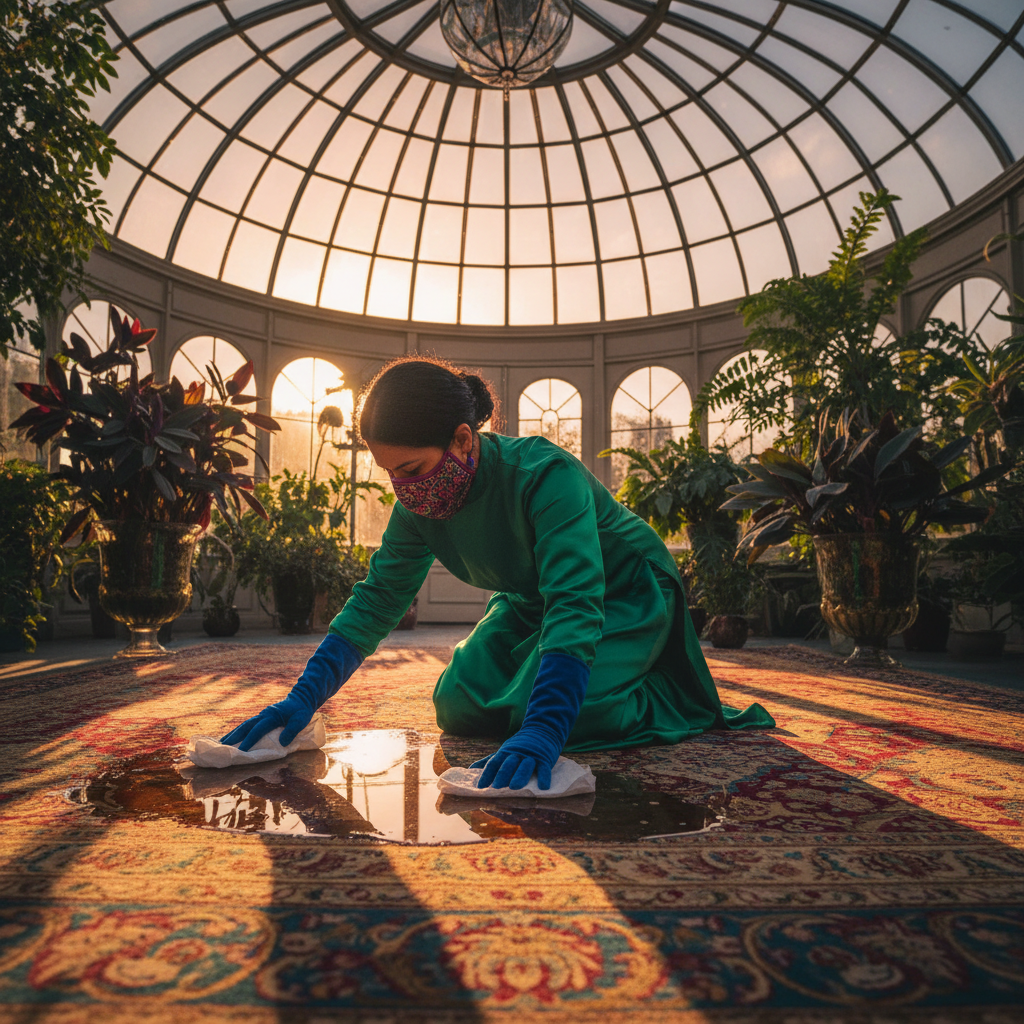
Accidents happen. It’s an unavoidable part of pet ownership. But how you handle those accidents can significantly impact the cleanliness and hygiene of your home. The biggest mistake? Letting accidents sit. The longer urine, feces, or vomit remains on a surface, the more difficult it becomes to remove the stain and odor completely. Bacteria multiply, odors penetrate deeper, and stains become more stubborn.
Think of it like a spilled glass of red wine. If you wipe it up immediately, it’s much easier to prevent a permanent stain. The same principle applies to pet accidents. Do you have a dedicated cleaning kit readily available for dealing with pet messes? Are you prepared to act quickly and effectively when an accident occurs?
The Immediate Action Plan
- Act Fast: The sooner you address an accident, the better. Blot up as much of the liquid as possible with paper towels or a clean cloth.
- Use an Enzymatic Cleaner: Enzymatic cleaners are specifically designed to break down the organic compounds in pet urine, feces, and vomit, eliminating both the stain and the odor.
- Follow the Instructions: Always follow the instructions on the enzymatic cleaner label carefully. Typically, you’ll need to saturate the affected area and allow the cleaner to sit for a specified amount of time.
- Blot, Don’t Rub: When cleaning, blot the area with a clean cloth instead of rubbing. Rubbing can spread the stain and damage the fibers of the carpet or upholstery.
- Let it Dry Completely: Allow the area to dry completely before allowing your pet to access it. This will prevent them from re-soiling the area.
Ignoring accidents or simply wiping them up with a general-purpose cleaner is not enough. You need to use an enzymatic cleaner to truly eliminate the source of the odor and prevent your pet from being tempted to repeat the behavior. Prompt and thorough cleaning is the key to a fresh and hygienic home.
Mistake #4: Overlooking “High-Traffic” Pet Zones
Every pet has their favorite spots: the comfy armchair, the sunny window sill, the corner of the rug where they love to nap. These “high-traffic” zones are magnets for pet hair, dander, and dirt, and they require more frequent and thorough cleaning than other areas of your home.
Are you paying special attention to these areas? Do you regularly vacuum or clean your pet’s favorite spots? Overlooking these zones can lead to a build-up of allergens, odors, and bacteria, creating a less-than-ideal environment for both you and your pet. It’s not about cleaning the entire house with equal intensity; it’s about focusing your efforts where they’re needed most.
Strategic Cleaning for High-Traffic Zones
- Vacuum Regularly: Vacuum carpets, rugs, and upholstery in high-traffic zones at least once a week, or more frequently if your pet sheds a lot.
- Wash Bedding Frequently: Wash your pet’s bedding at least once a week in hot water to kill bacteria and remove allergens.
- Wipe Down Surfaces: Wipe down hard surfaces, such as floors and furniture, in high-traffic zones with a pet-safe cleaner regularly.
- Use Protective Covers: Consider using protective covers on furniture to minimize pet hair and dander accumulation.
- Air Purifiers: Use an air purifier with a HEPA filter to remove pet allergens and odors from the air.
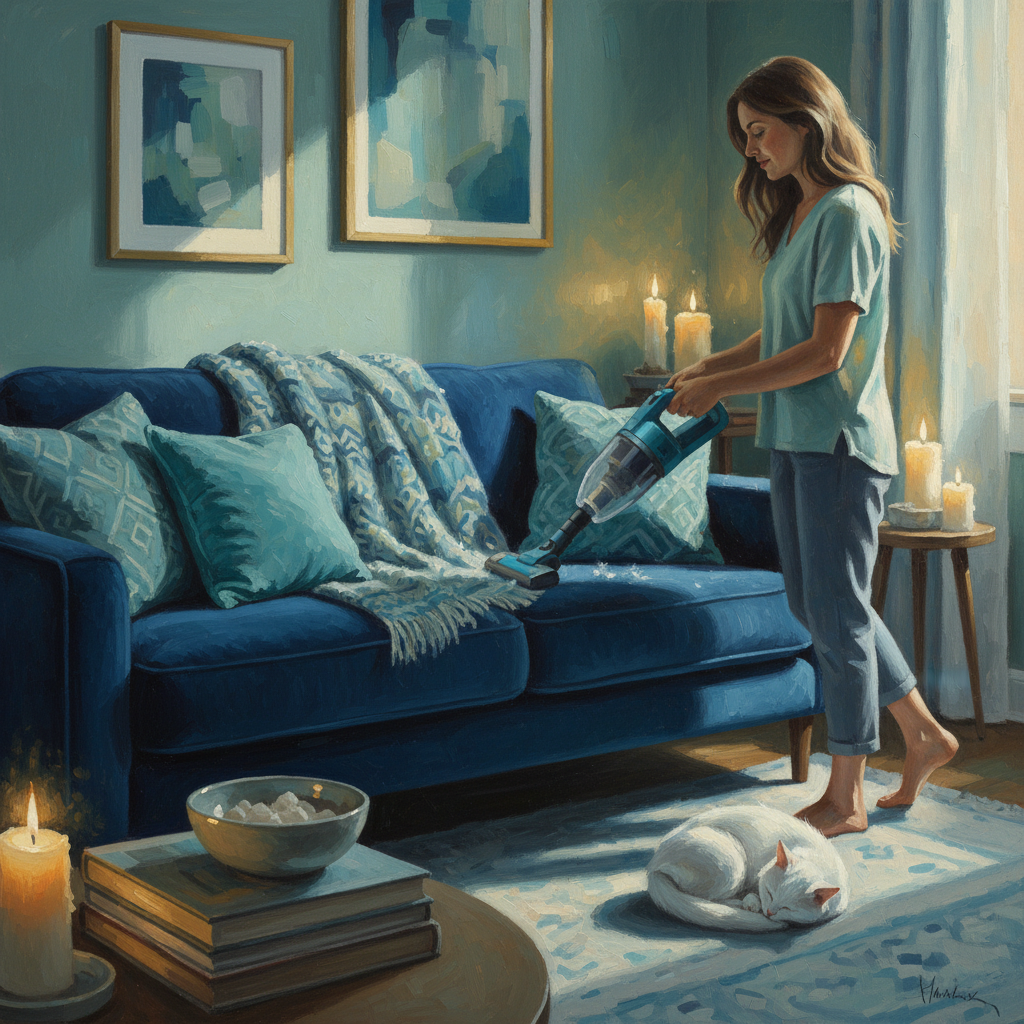
Focusing your cleaning efforts on these high-traffic zones will make a noticeable difference in the overall cleanliness and hygiene of your home. It’s about working smarter, not harder, and targeting the areas that need the most attention.
Mistake #5: Ignoring the Little Things
Sometimes, it’s the small details that make the biggest difference. We often focus on the big messes – the accidents, the shedding – and overlook the smaller, less obvious sources of dirt and odors. These seemingly insignificant details can contribute to a less-than-fresh and hygienic home.
Think about your pet’s food and water bowls. How often do you clean them? What about their toys? Are they regularly sanitized? And what about your own cleaning tools? Are they clean and in good working order? These seemingly small details can have a big impact on the overall cleanliness of your home.
The Power of Small Details
- Clean Food and Water Bowls Daily: Wash your pet’s food and water bowls daily with soap and water to prevent bacteria growth.
- Sanitize Toys Regularly: Sanitize your pet’s toys regularly by washing them in hot water or running them through the dishwasher.
- Clean Cleaning Tools: Clean your vacuum cleaner, mop, and other cleaning tools regularly to prevent the spread of dirt and bacteria.
- Change Air Filters Regularly: Change your home’s air filters regularly to remove pet allergens and odors from the air.
- Wash Your Hands: Wash your hands thoroughly after handling your pet or cleaning up after them.
Paying attention to these small details may seem tedious, but it’s an investment in the long-term cleanliness and hygiene of your home. It’s about creating a holistic cleaning routine that addresses all potential sources of dirt and odors.
Mistake #6: Not Training Your Pet
While cleaning is essential, prevention is always better than cure. Training your pet to avoid certain behaviors that contribute to messes can significantly reduce the amount of cleaning required. This isn’t just about teaching tricks; it’s about establishing clear boundaries and expectations for your pet’s behavior within the home.
Think about it: a dog that’s trained to go outside to relieve itself is far less likely to have accidents indoors. A cat that’s trained to use a scratching post is less likely to damage your furniture. Training can not only improve your pet’s behavior but also make your life as a pet owner much easier and cleaner. Are you actively training your pet to avoid behaviors that contribute to messes?
Training Strategies for a Cleaner Home
- Potty Training: Potty train your dog or cat as early as possible to prevent indoor accidents.
- Scratching Post Training: Provide your cat with a scratching post and train them to use it to protect your furniture.
- Stay Off Furniture Training: Train your pet to stay off furniture if you don’t want them shedding hair and dander on it.
- Crate Training: Crate training can provide your dog with a safe and comfortable space and prevent them from roaming the house and making messes when you’re not home.
- Positive Reinforcement: Use positive reinforcement techniques, such as treats and praise, to reward your pet for good behavior.
Training is an ongoing process that requires patience and consistency. But the rewards – a well-behaved pet and a cleaner home – are well worth the effort. It’s about creating a harmonious living environment for both you and your furry friend.
Mistake #7: Forgetting About Pet-Specific Odors
Even with diligent cleaning, pet odors can sometimes linger. These odors aren’t always noticeable to pet owners, as we tend to become desensitized to them over time. But visitors may notice them, and they can create an unpleasant living environment.
Are you actively addressing pet-specific odors in your home? Simply masking the odors with air fresheners is not enough. You need to eliminate the source of the odors to truly freshen your home. It’s about creating a welcoming and odor-free environment for everyone.
Odor Elimination Strategies
- Identify the Source: Identify the source of the odor and address it directly. This may involve cleaning carpets, upholstery, or other surfaces.
- Use Enzymatic Cleaners: Enzymatic cleaners are effective at breaking down the organic compounds that cause pet odors.
- Baking Soda: Sprinkle baking soda on carpets and upholstery to absorb odors. Let it sit for several hours, then vacuum it up.
- Activated Charcoal: Place bowls of activated charcoal around your home to absorb odors.
- Ventilate Regularly: Open windows and doors regularly to ventilate your home and freshen the air.
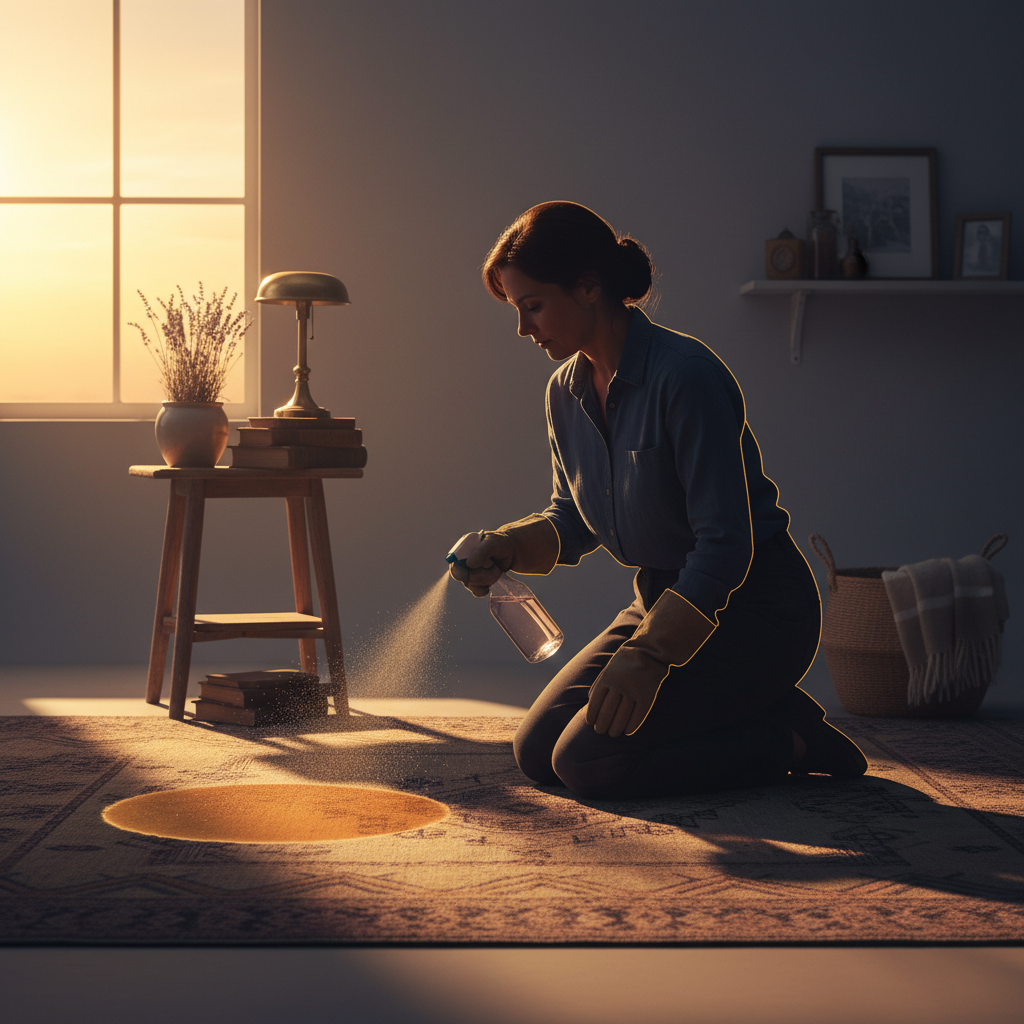
Eliminating pet-specific odors is an important part of creating a clean and welcoming home. It’s about going beyond surface cleaning and addressing the underlying causes of unpleasant smells.
The Path to a Cleaner, Healthier Home
Cleaning up after pets is an ongoing process, but by avoiding these common mistakes, you can create a cleaner, healthier, and more enjoyable living environment for both yourself and your beloved animals. It’s about being proactive, using the right products, and paying attention to the details. It’s not just about having a “clean” house; it’s about creating a safe and happy home for everyone.
Remember, a little extra effort can go a long way. So, take the time to assess your current cleaning habits, identify any areas where you might be falling short, and make the necessary adjustments. Your pets will thank you, and your home will be all the better for it. By making these simple changes, you can transform your home into a haven of cleanliness and comfort for both you and your furry companions, ensuring a happy and healthy life together.

Hi, my name is Robert Max, I live in the United States and I’m the creator of InTechNews. I started this blog with the goal of sharing reliable and practical information about pet care, helping pet owners provide a healthier and happier life for their animals. I’m passionate about animal well-being and believe that good information makes all the difference in responsible pet ownership.