
The Great Pet Costume Debate: Love or Vanity?
We’ve all seen them: dogs in sweaters, cats in hats, even the occasional hamster in a miniature superhero cape. Pet clothing has exploded in popularity, transforming our furry, scaly, and feathered companions into walking, talking (well, not really talking) fashion statements. But the question remains: are we dressing our pets out of genuine love and concern for their well-being, or is it simply a reflection of our own vanity and desire for attention?
This seemingly innocent trend opens a Pandora’s Box of ethical considerations, touching upon everything from animal welfare to the subtle ways we project our own desires onto our beloved companions. Are we truly enhancing their lives, or are we simply using them as accessories in our own personal performance of “pet parenthood”?
Consider the Yorkie shivering in the winter wind. A tiny sweater might provide genuine warmth and comfort. But what about the Great Dane squeezed into a bumblebee costume for Halloween? Where do we draw the line between practical protection and purely aesthetic embellishment?
The Practicality Argument: Function Over Fashion
Let’s start with the undeniable benefits of certain types of pet clothing. For short-haired breeds like Greyhounds or Chihuahuas, a warm coat in the winter is not a luxury, but a necessity. They lack the thick fur that naturally insulates other breeds, making them vulnerable to the cold. Similarly, raincoats can protect dogs from getting soaked to the bone on rainy walks, preventing illness and discomfort.
Paw protection is another area where clothing can serve a legitimate purpose. Dog boots can shield paws from hot pavement in the summer, ice and snow in the winter, and sharp objects on hiking trails. For older dogs with sensitive paws, boots can provide much-needed traction and support.
Even certain medical conditions can warrant the use of pet clothing. Post-surgical garments can prevent animals from licking or scratching at incisions, promoting healing and reducing the risk of infection. Anxiety wraps can provide a calming, swaddling effect for pets who suffer from anxiety or fear.
The key here is functionality. The clothing serves a clear and demonstrable purpose, improving the pet’s comfort, health, or safety. It’s about prioritizing their needs over our own aesthetic preferences.
The Vanity Factor: Dressing for Instagram, Not Rover
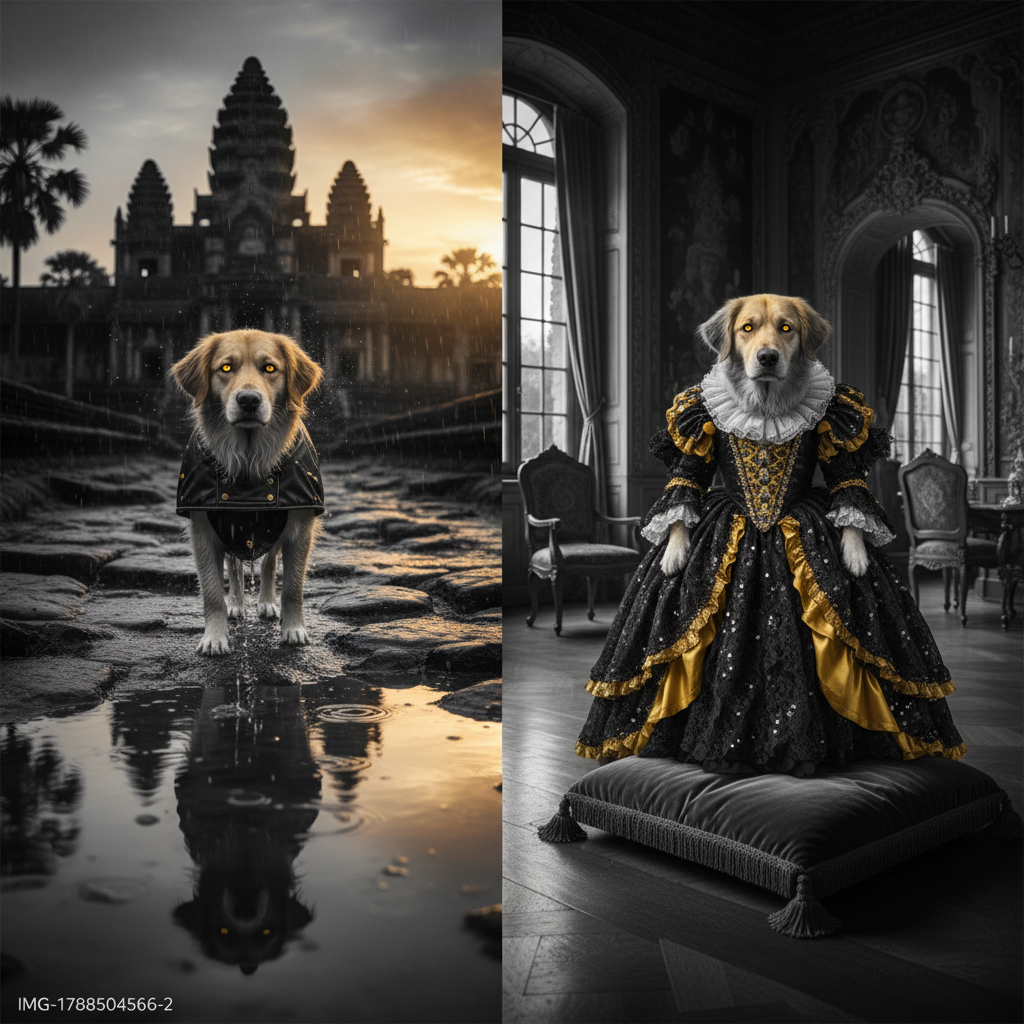
Now, let’s delve into the murkier territory of pet fashion that seems driven more by vanity than practicality. Think about the elaborate costumes, the designer outfits, the miniature versions of human clothing. These items often serve no real purpose other than to make the pet look “cute” or “stylish” in the eyes of their owners and, perhaps more importantly, their social media followers.
The rise of pet influencers on platforms like Instagram has undoubtedly fueled this trend. Pets with thousands of followers are often dressed in elaborate outfits, posing for carefully curated photos that showcase their owner’s sense of style and creativity. While there’s nothing inherently wrong with sharing adorable photos of your pet, it’s important to consider whether the clothing is truly benefiting the animal or simply serving as a prop in a carefully constructed online persona.
Consider the case of a Persian cat with long, flowing fur. Dressing it in a heavy sweater, even if it’s “cute,” could easily lead to overheating and discomfort. The cat’s natural coat is already providing ample insulation, and adding another layer could be detrimental to its health.
Furthermore, some pet clothing can actually be harmful. Costumes with tight elastic bands can restrict movement and circulation. Accessories with small, detachable parts can pose a choking hazard. Even seemingly harmless items like bandanas can become entangled in the pet’s fur or collar, causing distress.
The ethical implications of this type of pet fashion are complex. Are we respecting our pets as sentient beings with their own needs and preferences, or are we simply treating them as accessories to our own self-expression?

Decoding Your Pet’s Body Language: Are They Enjoying It?
The most crucial factor in determining whether you’re dressing your pet out of love or vanity is observing their body language. Animals are masters of nonverbal communication, and they’ll often tell you exactly how they feel about their clothing through subtle cues.
Signs of Discomfort and Stress
Here are some signs that your pet may not be enjoying their new outfit:
* Flattened ears: This is a classic sign of anxiety or fear.
* Tucked tail: Indicates nervousness or submission.
* Excessive scratching or licking: Can be a sign of irritation or discomfort.
* Panting or heavy breathing: Could indicate overheating, especially in warm weather.
* Reluctance to move: The pet may be feeling restricted or uncomfortable in the clothing.
* Aggression or biting: In extreme cases, the pet may lash out in an attempt to remove the offending item.
If you observe any of these signs, it’s crucial to remove the clothing immediately. Don’t force your pet to wear something that makes them feel stressed or uncomfortable, no matter how cute it may look.
Signs of Acceptance (or at least, Tolerance)
On the other hand, some pets may tolerate or even seem to enjoy wearing certain types of clothing. Here are some signs that your pet is relatively comfortable:
* Relaxed body posture: The pet is standing or sitting comfortably, without any signs of tension.
* Normal breathing: The pet is breathing normally, without panting or heavy breathing.
* Interest in their surroundings: The pet is alert and engaged with their environment.
* Acceptance of petting and attention: The pet is still receptive to affection from their owner.
However, it’s important to note that even if your pet doesn’t exhibit any obvious signs of discomfort, it doesn’t necessarily mean they’re enjoying the clothing. They may simply be tolerating it because they trust you.
The Importance of Gradual Introduction
If you do decide to dress your pet, it’s essential to introduce the clothing gradually and positively. Start by simply showing them the item and allowing them to sniff it. Then, try putting it on them for a few seconds at a time, gradually increasing the duration as they become more comfortable. Use positive reinforcement, such as treats and praise, to reward them for their cooperation.
Avoid forcing your pet to wear clothing they clearly dislike. This will only create negative associations and make them even more resistant in the future. Remember, the goal is to make the experience as positive and stress-free as possible for your furry friend.
The Psychological Angle: Projecting Our Desires
Beyond the practical and ethical considerations, there’s also a psychological dimension to the pet clothing phenomenon. Often, the clothes we choose for our pets reflect our own desires, aspirations, and even insecurities.
The “Cute” Factor: Infantilizing Our Pets
One common motivation for dressing pets is the desire to make them look “cute.” We often associate cuteness with innocence, vulnerability, and youthfulness. By dressing our pets in childish outfits, we may be subconsciously infantilizing them, treating them more like babies than mature animals.
This can be especially true for small breeds like teacup Chihuahuas or Pomeranians, which are often dressed in elaborate outfits and carried around in handbags like living dolls. While there’s nothing inherently wrong with finding your pet cute, it’s important to remember that they are still animals with their own needs and instincts. Treating them like babies can prevent them from developing their natural behaviors and fulfilling their potential.
The Status Symbol: Showing Off Our Wealth
For some pet owners, designer clothing and accessories serve as a status symbol. By dressing their pets in expensive outfits, they’re signaling their wealth and social standing. This can be seen as a form of conspicuous consumption, where the pet becomes an extension of the owner’s identity and a way to impress others.
The ethical implications of this are questionable. Is it really necessary to spend hundreds or even thousands of dollars on pet clothing when that money could be used to support animal shelters or provide essential care for animals in need? Are we prioritizing our own egos over the well-being of our pets and the wider animal community?
The Emotional Void: Filling a Need for Connection
In some cases, dressing pets can be a way to fill an emotional void. People who are lonely, isolated, or struggling with mental health issues may find comfort and companionship in their pets. Dressing them up can be a way to express their creativity, connect with others, and feel a sense of purpose.
While there’s nothing wrong with finding joy and fulfillment in your relationship with your pet, it’s important to ensure that you’re not projecting your own needs and desires onto them. Remember that your pet is not a substitute for human connection, and they have their own unique needs and preferences that should be respected.
Finding the Balance: Responsible Pet Ownership
So, how do we navigate this complex landscape of pet clothing and fashion? How do we ensure that we’re dressing our pets out of love and concern, rather than vanity and self-interest? The key lies in finding a balance between practicality, respect, and awareness.
Prioritize Functionality Over Fashion
Whenever possible, choose clothing that serves a clear and demonstrable purpose. Opt for warm coats in the winter, raincoats on rainy days, and paw protection when needed. Avoid clothing that is purely decorative or uncomfortable.
Respect Your Pet’s Preferences
Pay close attention to your pet’s body language and respect their preferences. If they show signs of discomfort or stress, remove the clothing immediately. Don’t force them to wear something they clearly dislike.
Consider the Climate and Breed
Choose clothing that is appropriate for the climate and your pet’s breed. Short-haired breeds may need extra protection in cold weather, while long-haired breeds may overheat easily. Avoid clothing that is too tight or restrictive, as this can impair movement and circulation.
Choose Safe and Non-Toxic Materials
Opt for clothing made from safe and non-toxic materials. Avoid items with small, detachable parts that could pose a choking hazard. Check for loose threads or embellishments that could become entangled in your pet’s fur or collar.
Limit the Time Spent in Clothing
Even if your pet seems comfortable in their clothing, it’s important to limit the amount of time they spend wearing it. Prolonged use of clothing can lead to overheating, skin irritation, or restricted movement.
Be Mindful of Social Media
Be aware of the influence of social media and avoid dressing your pet solely for the purpose of taking photos for Instagram. Remember that your pet’s well-being should always be your top priority.
Consult with Your Veterinarian
If you have any concerns about dressing your pet, consult with your veterinarian. They can provide personalized advice based on your pet’s breed, age, health, and lifestyle.
Beyond Clothing: Alternative Ways to Show Your Love
Ultimately, dressing your pet is just one small aspect of responsible pet ownership. There are many other ways to show your love and affection that don’t involve clothing.
Provide a Nutritious Diet
Feeding your pet a healthy and balanced diet is essential for their overall health and well-being. Choose a high-quality food that is appropriate for their age, breed, and activity level.
Ensure Regular Exercise
Regular exercise is crucial for maintaining your pet’s physical and mental health. Take them for walks, play fetch, or engage in other activities that they enjoy.
Provide Mental Stimulation
Mental stimulation is just as important as physical exercise. Provide your pet with toys, puzzles, and other activities that challenge their minds and prevent boredom.
Offer Plenty of Affection
Spend quality time with your pet, cuddling, petting, and talking to them. Show them that you love and appreciate them.
Provide Regular Veterinary Care
Schedule regular checkups with your veterinarian to ensure that your pet is healthy and up-to-date on their vaccinations and preventative care.
Case Studies: When Clothing Helps (and When It Hurts)
To further illustrate the nuances of pet clothing, let’s examine a few real-life case studies:
Case Study 1: The Senior Chihuahua with Arthritis
Bella is a 14-year-old Chihuahua with arthritis. She often shivers in cold weather and has difficulty walking on hard surfaces. Her owner purchased her a padded vest and a set of non-slip booties. The vest helps to keep Bella warm and comfortable, while the booties provide traction and support for her joints. As a result, Bella is able to enjoy walks and playtime without pain or discomfort.
In this case, the clothing serves a clear and demonstrable purpose, improving Bella’s quality of life.
Case Study 2: The Fashion-Obsessed Poodle
Coco is a pampered Poodle whose owner is a fashion designer. Coco has a wardrobe full of designer outfits, including miniature versions of her owner’s creations. While Coco looks adorable in her outfits, she often seems uncomfortable and reluctant to move when she’s wearing them. Her owner insists that she loves the attention she receives when she’s dressed up, but Coco’s body language suggests otherwise.
In this case, the clothing seems to be more about the owner’s vanity than the pet’s well-being. Coco is being used as a prop to showcase her owner’s fashion sense.
Case Study 3: The Anxious Rescue Dog
Rocky is a rescue dog who suffers from anxiety. He’s easily startled by loud noises and strangers. His owner purchased him an anxiety wrap, which applies gentle, constant pressure to his body. The wrap has helped to calm Rocky’s anxiety and make him feel more secure. He now wears the wrap whenever he’s feeling stressed or overwhelmed.
In this case, the clothing serves a therapeutic purpose, helping to alleviate Rocky’s anxiety.
Case Study 4: The Overheated Husky in Summer
Zeus, a beautiful Siberian Husky, was dressed in a thick, faux fur coat for a “cute” photo shoot in the middle of summer. Despite his owner knowing the inherent danger of overheating, the Instagram likes were apparently more important. Zeus quickly began panting excessively, showing signs of heatstroke. Thankfully, a passerby recognized the danger and intervened, helping Zeus cool down before he suffered any lasting damage.
This is a clear example of vanity taking precedence over animal welfare, with potentially devastating consequences.

The Final Stitch: Love, Respect, and Common Sense
The debate over pet clothing ultimately boils down to a question of priorities. Are we prioritizing our own desires and egos, or are we prioritizing the well-being of our pets? Are we treating them as sentient beings with their own needs and preferences, or are we simply using them as accessories in our own personal performance?
There’s no easy answer, and every situation is unique. However, by prioritizing functionality, respecting our pets’ preferences, and being mindful of the psychological factors at play, we can strive to dress our pets out of love and concern, rather than vanity and self-interest. Remember, true love for our pets is about accepting them for who they are, not trying to mold them into something they’re not. It’s about providing them with the care, attention, and respect they deserve, regardless of what they’re wearing (or not wearing).
So, the next time you reach for that adorable little outfit for your furry friend, take a moment to pause and ask yourself: am I doing this for them, or for me? The answer to that question will reveal the true motivation behind your sartorial choices.

Hi, my name is Robert Max, I live in the United States and I’m the creator of InTechNews. I started this blog with the goal of sharing reliable and practical information about pet care, helping pet owners provide a healthier and happier life for their animals. I’m passionate about animal well-being and believe that good information makes all the difference in responsible pet ownership.