
The Complicated World of Pet Apparel
The sight of a dog in a tiny sweater, a cat sporting a miniature hat, or even a reptile adorned with a custom-made harness often elicits a chuckle, a coo, or perhaps a photo op. The pet apparel industry is booming, fueled by our seemingly insatiable desire to dress up our beloved companions. But beneath the surface of these seemingly innocent sartorial choices lies a complex ethical dilemma: are we truly dressing our pets for their benefit, or are we simply projecting our own desires and insecurities onto them? The answer, as is often the case, is not always black and white. There’s a vast gray area where fashion meets function, and where genuine affection blurs with potentially harmful anthropomorphism.
We love our pets, that’s undeniable. We want to shower them with affection, provide them with comfort, and make them feel like cherished members of our families. Buying them clothes, in some cases, can feel like an extension of this love. A warm coat for a short-haired dog during a blizzard, a reflective vest for evening walks – these seem perfectly reasonable, even considerate. But where do we draw the line? When does practical protection morph into frivolous fashion, and when does our desire to dress up our pets become more about our own entertainment than their well-being?
The Allure of Anthropomorphism
Anthropomorphism, the attribution of human traits, emotions, and intentions to non-human entities, is a deeply ingrained human tendency. We see faces in clouds, hear voices in the wind, and imbue our pets with complex personalities. It’s a natural part of how we process the world around us, and it’s often harmless. However, when it comes to pet ownership, anthropomorphism can lead us astray. We might assume that our pets enjoy wearing the same clothes we do, or that they appreciate being the center of attention in a ridiculous costume. We might even believe that dressing them up is a way of showing them how much we care. But are we really considering their perspective?
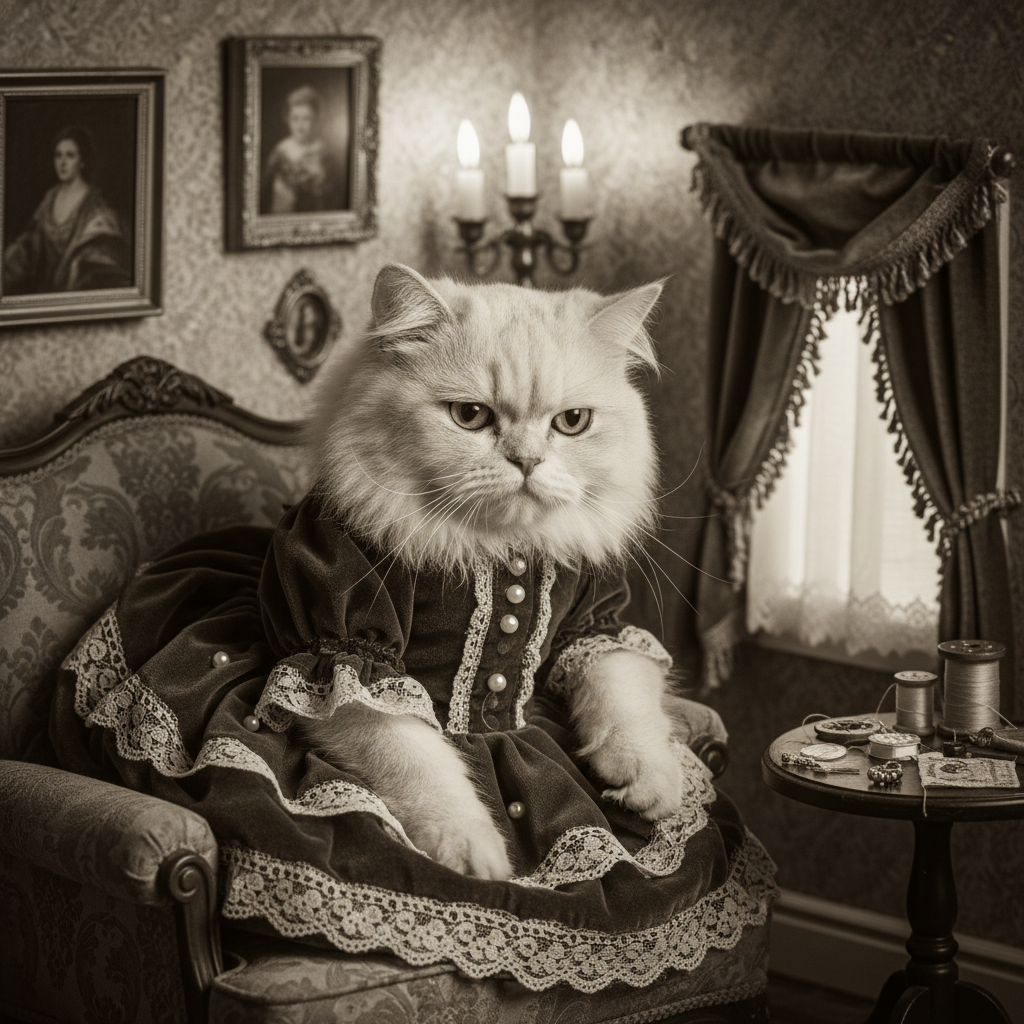
Consider, for example, a cat. Cats are notoriously fastidious creatures, spending a significant portion of their day grooming themselves. They value their independence and autonomy. Forcing a cat into a bulky sweater can restrict their movement, mat their fur, and cause them significant stress. The cat isn’t thinking, “Oh, my human loves me so much for this adorable outfit!” It’s likely thinking, “Get this thing off of me!” The same principle applies to dogs, rabbits, and other animals. While some animals may tolerate clothing better than others, it’s crucial to recognize that their tolerance doesn’t necessarily equate to enjoyment.
The human desire to see our pets as little versions of ourselves can blind us to their actual needs and preferences. We dress them in clothes that mimic human fashion trends, organize birthday parties with elaborate cakes and decorations, and even push them in strollers. While these activities might bring us joy, they can be profoundly confusing and even distressing for our pets. They are, after all, animals, with their own unique instincts, behaviors, and ways of communicating. When we try to force them into a human mold, we risk undermining their well-being and compromising their natural identities.
Function vs. Fashion: Where to Draw the Line
The question, then, is not whether we should ever dress our pets, but rather why we’re dressing them. Is it for their benefit, or for our own amusement? There’s a clear distinction between functional clothing and purely decorative apparel. A waterproof coat for a dog that shivers in the rain is a practical necessity. A cooling vest for a heat-sensitive breed during the summer months can be a lifesaver. Protective boots for dogs walking on hot pavement can prevent paw injuries. These are examples of clothing that serves a genuine purpose, enhancing the animal’s comfort and safety.
On the other hand, a sequined dress for a chihuahua, a superhero costume for a hamster, or a tiny tuxedo for a parrot are examples of clothing that serves no practical purpose whatsoever. These items are designed solely for human entertainment, and they often come at the expense of the animal’s comfort and well-being. They can restrict movement, overheat the animal, cause skin irritation, and even pose a safety hazard. Imagine a long, flowing gown getting caught on something, trapping the animal and causing it panic.
Even seemingly harmless accessories can be problematic. Collars adorned with heavy charms can be uncomfortable and even dangerous for small animals. Hats can obstruct vision and cause anxiety. Jewelry can be easily swallowed, leading to choking or internal injuries. The key is to prioritize the animal’s safety and comfort above all else. Before putting anything on your pet, ask yourself: is this truly necessary? Is it comfortable? Is it safe? If the answer to any of these questions is no, then it’s best to err on the side of caution and leave the outfit on the rack.
The Importance of Consent and Choice
One of the most critical aspects of ethical pet ownership is respecting the animal’s autonomy and allowing it to make its own choices whenever possible. This principle applies to everything from feeding and exercise to grooming and clothing. Just as we wouldn’t force a human child to wear clothes they hate, we shouldn’t force our pets to wear clothes they find uncomfortable or distressing.
Observing your pet’s body language is crucial for understanding their preferences. Does your dog wag its tail and seem excited when you bring out its coat, or does it cower and try to hide? Does your cat purr contentedly when you brush it, or does it hiss and swat at the brush? These are clear indicators of their comfort level. If your pet consistently displays signs of stress or discomfort when wearing clothing, it’s a sign that they don’t enjoy it. Forcing them to wear it anyway is a violation of their autonomy and can damage your relationship.
Even if your pet seems to tolerate clothing, it’s important to give them the option to remove it. Don’t leave them in their outfit for extended periods of time without supervision. Regularly check for signs of discomfort, such as skin irritation, overheating, or restricted movement. If you notice any of these signs, remove the clothing immediately. And remember, even if your pet doesn’t actively resist wearing clothing, it doesn’t necessarily mean they enjoy it. They may simply be complying because they trust you and don’t want to disappoint you.
The concept of “consent” in the context of pet ownership can be a challenging one, but it’s essential to strive for a relationship built on mutual respect and understanding. We can’t ask our pets directly if they want to wear a particular outfit, but we can observe their behavior, listen to their signals, and make choices that prioritize their well-being over our own desires.
Beyond Clothing: Alternative Ways to Show Affection
If dressing up your pet isn’t necessarily the best way to show your love, what are some alternative ways to express your affection and strengthen your bond? The answer lies in understanding your pet’s individual needs and preferences and providing them with experiences that enrich their lives. For some pets, this might mean more playtime. For others, it might mean more cuddles. And for still others, it might mean simply spending more quality time together.
Physical affection is a powerful way to bond with your pet. Gentle petting, scratching, and grooming can release endorphins, promoting relaxation and reducing stress. However, it’s important to respect your pet’s boundaries and avoid forcing affection on them. Pay attention to their body language and stop if they show signs of discomfort. Some pets prefer to be petted on the head, while others prefer to be scratched behind the ears. Learning your pet’s individual preferences can enhance the experience for both of you.
Playtime is another essential component of a healthy pet-owner relationship. Engaging in interactive games, such as fetch, tug-of-war, or hide-and-seek, can provide mental stimulation, physical exercise, and a sense of connection. Choose games that are appropriate for your pet’s age, breed, and physical abilities. And remember to always supervise playtime to prevent injuries.
Training is not only a practical necessity but also a valuable bonding experience. Teaching your pet new tricks and commands can strengthen your communication skills and build trust. Positive reinforcement methods, such as treats and praise, are the most effective way to motivate your pet and create a positive learning environment. Even simple commands like “sit,” “stay,” and “come” can enhance your pet’s safety and well-being.
Finally, simply spending quality time with your pet can be a powerful way to show your affection. Whether it’s taking them for a walk in the park, snuggling up on the couch to watch a movie, or simply sitting quietly together in the same room, your presence and attention are invaluable. Pets are social creatures, and they thrive on companionship. Making time for them in your busy schedule is a testament to your love and commitment.
Case Studies: When Clothing is Truly Necessary
While frivolous fashion should generally be avoided, there are certain situations where clothing can be genuinely beneficial for pets, particularly those with specific medical conditions or environmental sensitivities. Let’s examine a few case studies to illustrate this point:
Case Study 1: The Senior Greyhound with Arthritis: An elderly Greyhound named Grace suffered from severe arthritis, making her particularly sensitive to cold weather. Her owner found that a well-fitting fleece coat helped to alleviate her joint pain and improve her mobility during the winter months. The coat provided warmth and support, allowing Grace to enjoy her daily walks without discomfort. This is a clear example of functional clothing improving a pet’s quality of life.
Case Study 2: The Hairless Cat with Sensitive Skin: A Sphynx cat named Jasper had extremely sensitive skin, prone to sunburn and irritation. His owner discovered that lightweight cotton shirts helped to protect his skin from the sun’s harmful rays and reduce his risk of developing skin cancer. The shirts also prevented him from scratching himself excessively, which could lead to infections. In this case, clothing served as a medical necessity, protecting the cat from environmental hazards.
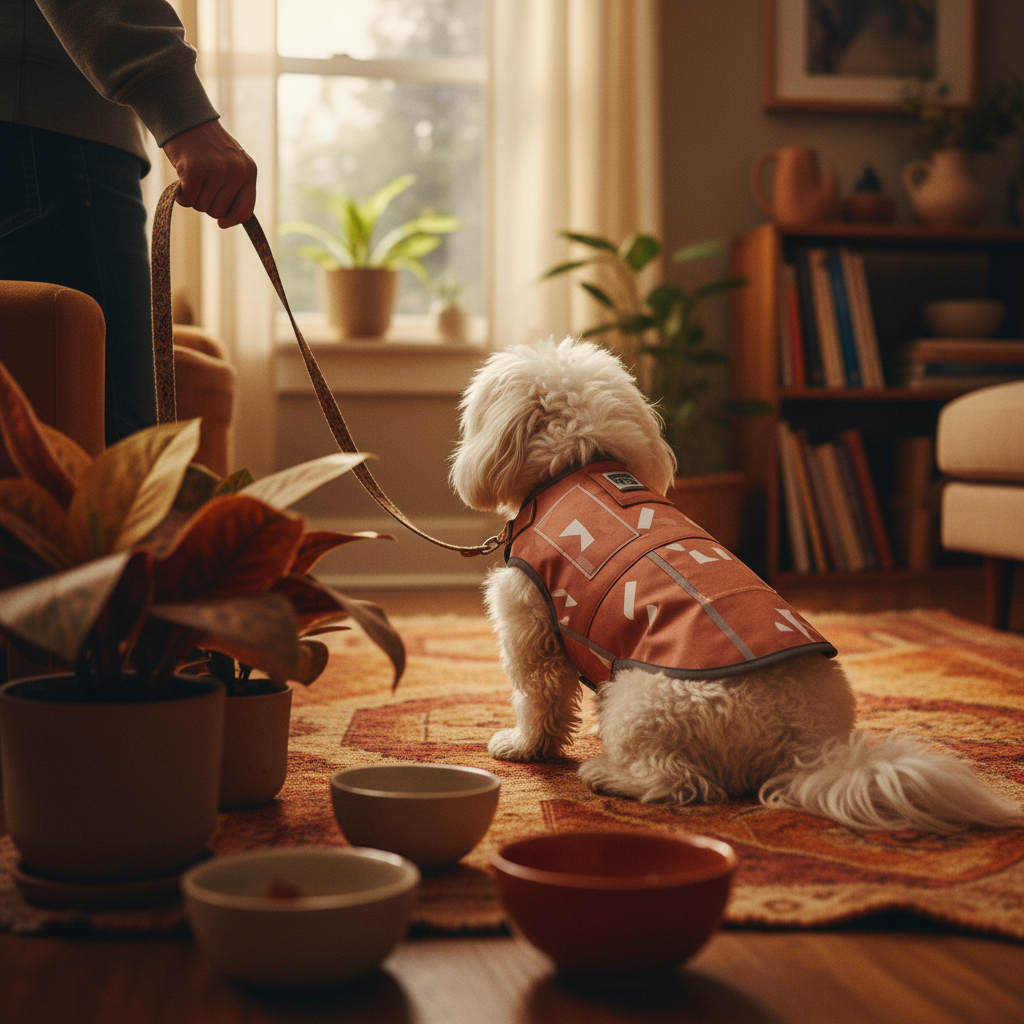
Case Study 3: The Anxious Dog with Thunder Phobia: A nervous Border Collie named Max suffered from severe anxiety during thunderstorms. His owner found that a snug-fitting anxiety vest helped to calm him down and reduce his fear response. The vest applied gentle pressure to his body, similar to swaddling a baby, which had a soothing effect. While not technically clothing in the traditional sense, the anxiety vest served a therapeutic purpose, improving the dog’s emotional well-being.
These case studies demonstrate that clothing can be a valuable tool for managing certain medical conditions and environmental sensitivities in pets. However, it’s crucial to consult with a veterinarian before using clothing for therapeutic purposes. A veterinarian can help you determine whether clothing is appropriate for your pet’s specific needs and recommend the best type of clothing to use.
The Ethical Considerations of Pet Photography
The rise of social media has fueled a growing trend of pet photography, with owners eager to capture and share adorable images of their furry companions. While there’s nothing inherently wrong with taking pictures of your pet, it’s important to consider the ethical implications of this practice, particularly when it involves dressing them up in costumes or placing them in uncomfortable or stressful situations.
Forcing your pet to pose for an extended period of time, especially in uncomfortable clothing or unnatural positions, can be detrimental to their well-being. Bright lights, loud noises, and unfamiliar environments can also cause anxiety and stress. Before snapping that perfect photo, ask yourself: is my pet truly enjoying this? Or am I prioritizing my desire for a viral image over their comfort and happiness?
It’s also important to be mindful of how your pet’s image is being used online. Are you sharing it with their consent? Are you protecting their privacy? Are you promoting responsible pet ownership through your posts? The internet is a powerful tool, but it’s important to use it responsibly and ethically, especially when it comes to representing our beloved animal companions.
Consider the potential for exploitation. Some owners create entire online personas for their pets, generating revenue through sponsored posts and merchandise sales. While this may seem harmless on the surface, it raises questions about whether the pet is truly benefiting from this arrangement or whether they are simply being exploited for financial gain. The line between sharing adorable photos and exploiting your pet for personal gain can be blurry, but it’s a line that every pet owner should be aware of.
Ultimately, the goal of pet photography should be to capture genuine moments of connection and joy, not to force your pet into unnatural or uncomfortable situations. Respect their boundaries, listen to their signals, and prioritize their well-being above all else. A truly beautiful photograph is one that reflects the love and respect you have for your animal companion, not one that sacrifices their comfort for the sake of a few likes and shares.
A Final Thought: Prioritizing Their Well-being
The debate over dressing up pets is ultimately a reflection of our complex relationship with animals. We love them, we cherish them, and we want to show them how much we care. But sometimes, our desire to anthropomorphize them can lead us astray, causing us to prioritize our own desires over their well-being. Before reaching for that adorable outfit or booking that professional photoshoot, take a moment to consider your pet’s perspective. Are you truly acting in their best interest? Or are you simply projecting your own desires onto them? The answer to that question will determine whether you’re dressing your pet out of affection or simply because they have no choice.

Hi, my name is Robert Max, I live in the United States and I’m the creator of InTechNews. I started this blog with the goal of sharing reliable and practical information about pet care, helping pet owners provide a healthier and happier life for their animals. I’m passionate about animal well-being and believe that good information makes all the difference in responsible pet ownership.