
The Unspoken Language of Clothing: Are We Really Speaking to Our Pets?
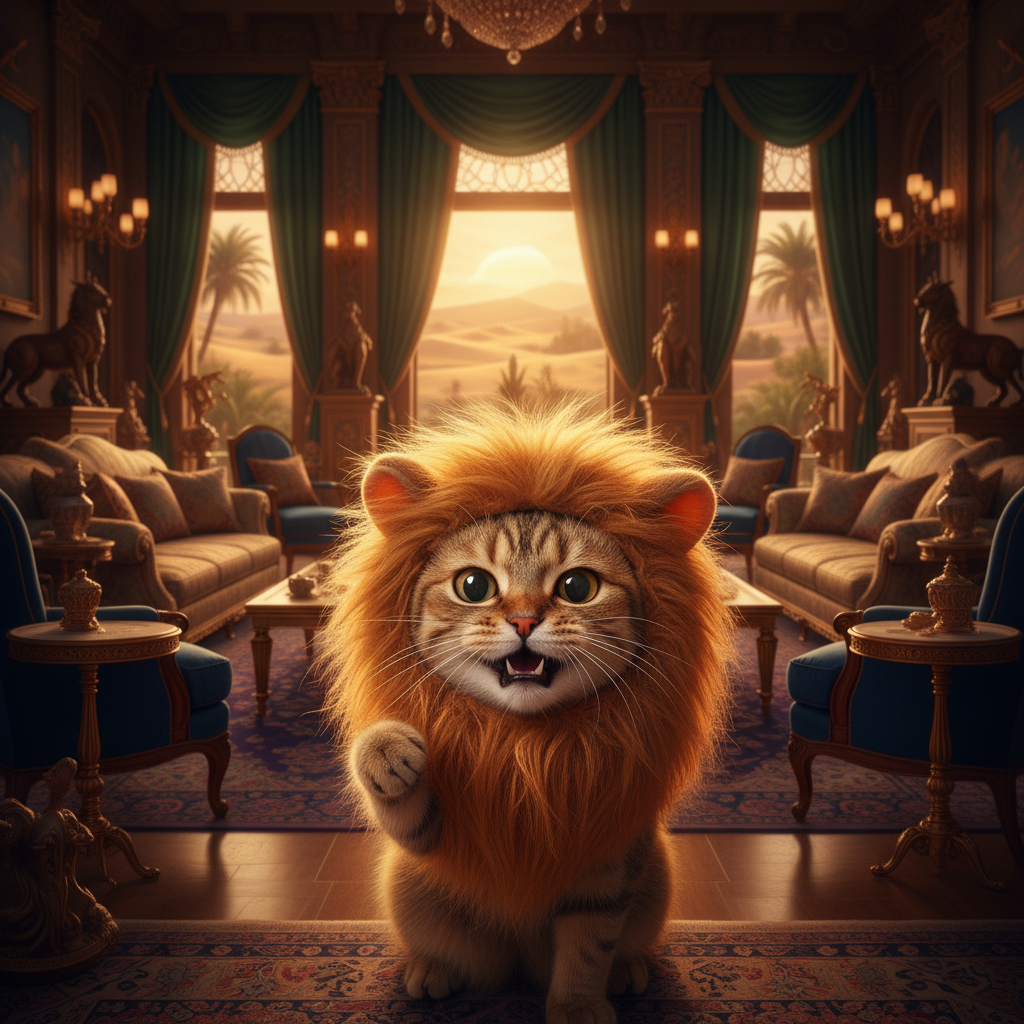
We see them everywhere: Chihuahuas sporting tiny sweaters, poodles adorned with elaborate bows, and even the occasional bulldog squeezed into a superhero costume. The pet clothing industry is booming, fueled by our desire to express our love for our furry companions. But is dressing our pets truly an act of affection, or is it a reflection of our own human needs and desires projected onto beings who may not share them? Are we misinterpreting their silence as consent, and mistaking our own amusement for their genuine happiness? It’s a question worth pondering, a question that delves into the very heart of our relationship with animals.
Consider the sheer variety of pet apparel available today. From practical items like raincoats and booties to purely decorative garments like tutus and tiny sunglasses, the options seem endless. We clothe our pets for warmth, for protection, and sometimes, let’s be honest, for the sheer entertainment value it provides us. But what if, in our quest to anthropomorphize our pets, we’re actually stripping them of their dignity and forcing them to conform to our own, often absurd, standards of fashion and comfort?
The Comfort Conundrum: Prioritizing Style Over Substance
The first and perhaps most crucial question to ask is: Is the clothing comfortable for the animal? A garment might look adorable to us, but if it restricts movement, causes overheating, or irritates the skin, it’s clearly doing more harm than good. Imagine wearing a wool sweater on a sweltering summer day, or shoes that are two sizes too small. That’s precisely the kind of discomfort we might be inflicting on our pets without even realizing it. We need to be hyper-aware of the materials used, the fit of the garment, and the overall impact on the animal’s well-being. Breathable fabrics like cotton or linen are generally preferable to synthetic materials that can trap heat and moisture. A loose, comfortable fit is far better than a tight, restrictive one. And most importantly, we need to pay close attention to our pet’s body language. Are they scratching excessively? Are they panting heavily? Are they trying to wriggle out of the clothing? These are all signs that the garment is causing them distress, and it should be removed immediately.
There’s a fine line between providing practical protection and indulging in frivolous fashion. A raincoat might be a godsend for a short-haired dog during a downpour, but a sequined party dress serves no practical purpose whatsoever. It’s essential to prioritize the animal’s comfort and safety above all else. And if we’re honest with ourselves, sometimes the “cuteness” factor overshadows what’s truly best for our furry friends.

The Power of Choice: Who Decides What’s “Fashionable”?
Humans enjoy fashion because we have agency. We choose what to wear based on our personal style, the weather, the occasion, and a myriad of other factors. We can express ourselves through our clothing, and we can change our outfits as often as we like. But animals don’t have that same level of control. They’re essentially at our mercy when it comes to what they wear. We decide what’s “fashionable” for them, and we impose our aesthetic preferences upon them, regardless of their own feelings or desires. This power imbalance raises serious ethical questions. Are we truly respecting our pets as sentient beings if we’re forcing them to wear clothing they clearly don’t want to wear? Are we prioritizing our own amusement over their well-being? It’s a difficult question, but one that we must confront if we’re to have a truly ethical relationship with our animal companions.
Imagine being forced to wear a clown costume every single day, regardless of how you felt about it. That’s essentially the situation many pets find themselves in. They’re trapped in garments that are uncomfortable, restrictive, and utterly devoid of personal expression. And because they can’t verbally protest, we often assume that they’re perfectly content with the situation. But their body language often tells a very different story. A slumped posture, a tucked tail, flattened ears – these are all subtle signs of discomfort and stress that we often overlook in our eagerness to dress them up.
Decoding the Silent Language: Body Language and Consent
One of the biggest challenges in understanding our pets’ feelings about clothing is their inability to communicate verbally. We can’t simply ask them if they like their new outfit. Instead, we must rely on our observation skills and our understanding of animal behavior to interpret their body language. A relaxed and happy dog will typically have a loose, wagging tail, relaxed ears, and a soft, open mouth. A stressed or uncomfortable dog, on the other hand, might exhibit signs such as panting, lip licking, yawning, tucked tail, flattened ears, or even attempts to bite or scratch at the clothing. It’s crucial to be aware of these subtle cues and to respond accordingly. If your pet is showing any signs of distress, remove the clothing immediately and try again later with a different garment or a different approach. Perhaps they simply need more time to adjust to the feeling of wearing clothes.
The concept of consent is also crucial to consider. Just because a pet doesn’t actively resist being dressed doesn’t necessarily mean that they enjoy it. Many animals are simply conditioned to tolerate human handling, even if they find it unpleasant. It’s our responsibility to ensure that our interactions with our pets are consensual and respectful. This means paying attention to their body language, respecting their boundaries, and never forcing them to do anything they don’t want to do. If your pet consistently resists being dressed, it’s a clear sign that they don’t enjoy it, and you should respect their wishes.
Beyond the Cute Factor: Ethical Considerations and Responsible Pet Ownership
The debate over pet clothing extends beyond mere comfort and aesthetics. It raises fundamental questions about our responsibilities as pet owners and the ethical implications of anthropomorphizing animals. Are we treating our pets as individuals with their own needs and desires, or are we simply using them as props in our own personal dramas? Are we respecting their natural instincts and behaviors, or are we trying to mold them into miniature versions of ourselves? These are difficult questions, but ones that we must grapple with if we’re to be responsible and ethical pet owners.
Consider the impact of clothing on a dog’s ability to communicate with other dogs. Dogs rely heavily on body language and scent to interact with each other. Clothing can interfere with these natural communication methods, potentially leading to misunderstandings and even aggression. A dog wearing a bulky sweater, for example, might have difficulty displaying its tail position or its body posture, making it harder for other dogs to read its intentions. Similarly, clothing can mask a dog’s natural scent, making it harder for other dogs to identify it and communicate with it.
The Dangers of Overheating and Restricted Movement
Beyond the social implications, there are also potential health risks associated with dressing pets in inappropriate clothing. Overheating is a serious concern, especially for dogs with thick fur or those living in warm climates. Clothing can trap heat and prevent the animal from cooling down effectively, leading to heatstroke, which can be fatal. Restricted movement is another potential hazard. Tight or restrictive clothing can limit a pet’s ability to run, jump, and play, potentially leading to injuries. It’s crucial to choose clothing that is appropriate for the animal’s breed, size, and climate, and to monitor them closely for any signs of discomfort or overheating.
Ethical pet ownership means putting the animal’s needs first, even if it means sacrificing our own desire to dress them up in cute outfits. It means respecting their natural instincts and behaviors, and providing them with an environment that allows them to thrive. It means recognizing that they are not simply miniature humans, but sentient beings with their own unique needs and desires.
Finding the Balance: Practicality vs. Playfulness
This isn’t to say that all pet clothing is inherently bad. There are certainly situations where clothing can be beneficial, such as protecting a short-haired dog from the cold or providing a calming wrap for an anxious pet. The key is to choose clothing that is practical, comfortable, and appropriate for the animal’s needs. A well-fitting raincoat, for example, can make walks in the rain much more enjoyable for both you and your dog. A calming vest can help to reduce anxiety in dogs who are prone to separation anxiety or noise phobias. But even in these situations, it’s essential to monitor your pet closely for any signs of discomfort or stress.
The line between practicality and playfulness can often be blurred. A Halloween costume, for example, might seem harmless enough, but it’s important to consider the potential impact on the animal’s well-being. Is the costume comfortable? Does it restrict movement? Does it frighten the animal? If the answer to any of these questions is yes, then it’s probably best to skip the costume altogether. There are plenty of other ways to celebrate Halloween with your pet that don’t involve dressing them up in uncomfortable or frightening outfits.
Alternatives to Clothing: Showing Affection in Meaningful Ways
If dressing your pet isn’t necessarily the most ethical or appropriate way to express your affection, what are some alternatives? The good news is that there are countless ways to show your love and appreciation for your furry friend that don’t involve clothing them. Spending quality time together, providing plenty of exercise, offering healthy food and treats, and engaging in activities that your pet enjoys are all excellent ways to strengthen your bond and enhance their well-being. A long walk in the park, a game of fetch, a cuddle on the couch – these are the things that truly matter to our pets.
Training and positive reinforcement are also powerful tools for building a strong and loving relationship with your pet. Teaching your dog new tricks, for example, is a great way to stimulate their mind and strengthen your bond. Using positive reinforcement techniques, such as treats and praise, can help to motivate your pet and make training a fun and rewarding experience for both of you. The key is to focus on activities that your pet enjoys and that are tailored to their individual needs and abilities.
The Power of Touch: Affectionate Gestures that Speak Volumes
Sometimes, the simplest gestures can be the most meaningful. A gentle scratch behind the ears, a soothing belly rub, a comforting hug – these are all powerful ways to show your pet that you care. Physical touch is a fundamental need for many animals, and it can play a vital role in strengthening the bond between humans and pets. However, it’s important to be mindful of your pet’s individual preferences. Some animals love to be cuddled and petted, while others prefer a more hands-off approach. Pay attention to your pet’s body language and respect their boundaries. If they pull away or show signs of discomfort, it’s best to back off and try again later.
Ultimately, the best way to show your pet that you love them is to be a responsible and attentive owner. This means providing them with a safe and comfortable home, offering them plenty of exercise and mental stimulation, and ensuring that their physical and emotional needs are met. It means respecting their individuality and allowing them to express their natural instincts and behaviors. And it means recognizing that they are not simply objects to be dressed up and paraded around, but sentient beings who deserve our love, respect, and compassion.
Case Studies: When Clothing Can Be Beneficial
While this article largely argues against unnecessary pet clothing, there are specific cases where it proves beneficial. Consider dogs with very short coats or those who are older and more susceptible to cold. A properly fitted sweater or coat can provide much-needed warmth during winter months. These garments should be breathable and allow for a full range of motion. Avoid anything too constricting or made of irritating materials.
Another example is the use of anxiety vests. These vests apply gentle, constant pressure to the dog’s torso, which can have a calming effect on anxious dogs. They are particularly useful for dogs who suffer from separation anxiety or fear of loud noises. It’s crucial to introduce the vest gradually and monitor the dog’s reaction closely. If the dog shows any signs of discomfort or distress, discontinue use.
Special Needs and Medical Conditions
Pets recovering from surgery may require clothing to prevent them from licking or scratching their wounds. Alternatives to the “cone of shame,” like soft fabric collars or even specially designed bodysuits, can provide a more comfortable and less stressful solution. These garments should be breathable and allow for proper air circulation to promote healing.
Similarly, pets with certain skin conditions may benefit from wearing protective clothing to prevent them from scratching and further irritating their skin. Cotton clothing is often recommended as it is gentle and breathable. It’s essential to consult with a veterinarian to determine the appropriate type of clothing and to ensure that it is properly fitted.
The Future of Pet Fashion: A Shift Towards Functionality and Sustainability
As our understanding of animal behavior and welfare continues to grow, it’s likely that we’ll see a shift in the pet fashion industry towards more functional and sustainable products. Instead of focusing on purely aesthetic designs, manufacturers will likely prioritize comfort, safety, and environmental impact. We may see more clothing made from recycled materials, designed to be durable and long-lasting, and specifically tailored to the needs of different breeds and species.
Consumers are also becoming more discerning and demanding when it comes to pet products. They’re increasingly seeking out ethical and sustainable brands that prioritize animal welfare and environmental responsibility. This shift in consumer demand will likely drive innovation and encourage manufacturers to adopt more responsible practices.

Ultimately, the key to responsible pet ownership is to prioritize the animal’s needs above all else. This means making informed decisions about clothing and other accessories, and always putting their comfort, safety, and well-being first. By focusing on building a strong and loving relationship based on mutual respect and understanding, we can ensure that our pets live happy, healthy, and fulfilling lives, without the need for unnecessary and potentially harmful clothing. It’s about recognizing that their silence isn’t consent, and that true affection means respecting their choices, even if those choices differ from our own aesthetic desires.

Hi, my name is Robert Max, I live in the United States and I’m the creator of InTechNews. I started this blog with the goal of sharing reliable and practical information about pet care, helping pet owners provide a healthier and happier life for their animals. I’m passionate about animal well-being and believe that good information makes all the difference in responsible pet ownership.