
The Unseen Benefits of a Clean Pet
We all love our pets. They’re furry (or scaly, or feathered!) members of our families, providing us with unconditional love, endless entertainment, and a constant source of companionship. But just like any other member of the family, our pets require care and attention to thrive. While we often focus on providing them with nutritious food, comfortable shelter, and plenty of exercise, we sometimes overlook the crucial role that proper cleaning plays in their overall well-being.
Think about it: your pet spends a significant portion of its day exploring the world – sniffing, digging, rolling around, and generally getting into all sorts of messes. This exposes them to a myriad of potential hazards, from bacteria and parasites to allergens and irritants. Neglecting their hygiene can lead to a range of health problems, discomfort, and even behavioral issues. But the benefits of regular cleaning extend far beyond just preventing illness. A clean pet is a happier, healthier, and more confident pet, and a more enjoyable companion for you.
Isn’t it time we looked beyond the surface and truly understood the profound impact that cleanliness has on our beloved animals’ quality of life? Let’s delve into the specifics, exploring the various aspects of pet hygiene and uncovering the hidden advantages of a proactive cleaning routine.
Beyond the Bath: Comprehensive Pet Hygiene
While bathing is undoubtedly an important part of pet hygiene, it’s just one piece of the puzzle. A truly comprehensive cleaning routine encompasses a variety of practices, each targeting specific areas of your pet’s body and environment.
Grooming: More Than Just Aesthetics
Regular grooming is essential for maintaining your pet’s coat and skin health. Brushing helps to remove loose fur, preventing mats and tangles, which can be painful and lead to skin irritation. It also stimulates blood circulation, promoting healthy hair growth and distributing natural oils throughout the coat, keeping it shiny and moisturized.
For long-haired breeds, daily brushing may be necessary to prevent mats from forming. Short-haired breeds can typically get away with brushing a few times a week. The type of brush you use will also depend on your pet’s coat type. A slicker brush is great for removing mats and tangles, while a bristle brush is ideal for smoothing the coat and distributing oils. A deshedding tool can be particularly helpful during shedding season.
Grooming also provides an opportunity to check your pet for any signs of skin problems, such as fleas, ticks, or unusual lumps or bumps. Early detection is crucial for effective treatment.
Dental Care: A Gateway to Overall Health
Dental disease is a common problem in pets, particularly as they age. It can lead to pain, tooth loss, and even systemic infections that affect the heart, liver, and kidneys. Regular dental care is therefore essential for maintaining your pet’s overall health and well-being.
The gold standard for dental care is daily brushing with a pet-specific toothpaste. Human toothpaste contains ingredients that can be harmful to pets. Introduce brushing gradually, starting with just a small amount of toothpaste on your finger and allowing your pet to lick it off. Then, slowly progress to brushing a few teeth at a time. Positive reinforcement, such as praise and treats, can help make the experience more enjoyable for your pet.
In addition to brushing, dental chews and toys can help to remove plaque and tartar. Regular professional dental cleanings by a veterinarian are also recommended, especially as your pet gets older. These cleanings involve scaling and polishing the teeth under anesthesia.
Ear Cleaning: Preventing Infections
Ear infections are another common problem in pets, particularly those with floppy ears, such as Cocker Spaniels and Basset Hounds. Moisture and debris can easily accumulate in the ear canal, creating a breeding ground for bacteria and yeast.
Regular ear cleaning can help to prevent infections. Use a pet-specific ear cleaning solution and gently massage it into the ear canal. Then, use a cotton ball or gauze pad to wipe away any excess solution and debris. Never use cotton swabs, as they can push debris further into the ear canal and potentially damage the eardrum.
If you notice any signs of an ear infection, such as redness, swelling, discharge, or excessive head shaking, consult your veterinarian.
Paw Care: Protecting Against Irritants
Your pet’s paws are constantly exposed to a variety of surfaces, some of which can be irritating or even harmful. Hot pavement, ice, salt, and chemicals can all damage the paw pads, leading to pain and discomfort.
Regular paw care can help to protect your pet’s paws. After walks, wipe their paws with a damp cloth to remove any dirt, debris, or chemicals. In the winter, consider using paw wax or booties to protect their paws from salt and ice. Keep their nails trimmed to prevent them from getting too long and causing discomfort. Also, check their paws regularly for any cuts, abrasions, or foreign objects.

The Hidden Health Benefits of a Clean Pet
The benefits of pet hygiene extend far beyond just aesthetics and preventing obvious infections. A clean pet is a healthier pet, with a stronger immune system, improved digestion, and a reduced risk of a variety of health problems.
Boosting the Immune System
Regular cleaning helps to remove bacteria, parasites, and allergens from your pet’s body, reducing the burden on their immune system. This allows their immune system to focus on fighting off other potential threats, such as viruses and infections. Think of it as freeing up resources for the body’s defense system.
For example, regular bathing and grooming can help to prevent skin infections, which can weaken the immune system. Dental care can prevent systemic infections that can damage vital organs. By keeping your pet clean, you’re essentially giving their immune system a boost, making them more resilient to disease.
Improving Digestion
Grooming can also help to improve your pet’s digestion. When your pet grooms themselves, they inevitably swallow some of their fur. This can lead to hairballs, which can cause vomiting, constipation, and even intestinal blockages. Regular brushing helps to remove loose fur, reducing the amount that your pet ingests during self-grooming.
Additionally, a clean mouth is essential for proper digestion. Dental disease can make it difficult for your pet to chew their food properly, which can lead to digestive problems. By keeping their teeth clean, you’re helping them to digest their food more efficiently.
Reducing Allergies
Many people are allergic to pet dander, which is composed of tiny flakes of skin that are shed by animals. Regular bathing and grooming can help to reduce the amount of dander in your home, making it more comfortable for allergy sufferers. Even if you yourself aren’t allergic, you might have guests who are, and keeping your pet clean demonstrates consideration for their well-being.
It’s important to use a shampoo that is specifically designed for pets and that is gentle enough for frequent use. Human shampoos can strip your pet’s skin of its natural oils, leading to dryness and irritation.
Preventing Parasites
Fleas and ticks are common parasites that can cause a variety of health problems in pets, including skin irritation, anemia, and Lyme disease. Regular bathing and grooming can help to prevent infestations. Fleas, in particular, thrive in dirty environments, so keeping your pet clean makes them a less attractive host.
It’s also important to use a flea and tick preventative medication, as recommended by your veterinarian. These medications come in a variety of forms, including topical treatments, oral medications, and collars.
Behavioral Benefits: A Happier, More Confident Pet
The benefits of pet hygiene extend beyond just physical health. A clean pet is also a happier, more confident pet. They’re less likely to experience discomfort, irritation, and anxiety, which can lead to behavioral problems.
Reducing Stress and Anxiety
Imagine feeling constantly itchy or uncomfortable. It would be difficult to relax and enjoy yourself, right? The same is true for pets. Skin irritation, dental pain, and ear infections can all cause stress and anxiety.
Regular cleaning can help to alleviate these sources of stress. A clean pet is more comfortable in their own skin, which can lead to a more relaxed and confident demeanor. They’re also less likely to engage in behaviors such as excessive scratching, licking, or chewing, which can be signs of anxiety.
Improving Social Interactions
A clean pet is more likely to be welcomed by others. No one wants to interact with a pet that is smelly or covered in fleas. Regular bathing and grooming can make your pet more approachable and enjoyable to be around.
This can be particularly important for dogs, who are often social animals. A clean dog is more likely to be invited to playdates, dog parks, and other social gatherings. This can help them to develop their social skills and build positive relationships with other dogs and people.
Strengthening the Bond Between Pet and Owner
Grooming can be a wonderful bonding experience for you and your pet. It provides an opportunity for you to spend quality time together, and it can help to build trust and affection. Many pets enjoy being brushed and petted, and they may even purr or wag their tails during grooming sessions.
Even activities like nail trimming, which might not be inherently enjoyable for your pet, can become bonding experiences if approached with patience and positive reinforcement. By making these activities as comfortable as possible for your pet, you’re showing them that you care about their well-being.

Creating a Pet-Friendly Cleaning Environment
When cleaning your home, it’s important to use products that are safe for your pets. Many household cleaners contain chemicals that can be harmful if ingested or inhaled. Look for pet-friendly cleaning products that are specifically designed for use around animals.
Choosing Safe Cleaning Products
Avoid using cleaners that contain ammonia, bleach, formaldehyde, or phenols. These chemicals can cause respiratory irritation, skin burns, and even organ damage. Instead, opt for natural cleaning products that are made with plant-based ingredients.
Vinegar, baking soda, and lemon juice are all safe and effective cleaning agents that can be used around pets. You can use vinegar to clean floors, countertops, and bathrooms. Baking soda can be used to deodorize carpets and upholstery. Lemon juice can be used to clean windows and mirrors.
Proper Ventilation
When cleaning, make sure to ventilate the area well to prevent your pet from inhaling harmful fumes. Open windows and doors to allow fresh air to circulate. If you’re using a spray cleaner, avoid spraying it directly in your pet’s face.
It’s also a good idea to keep your pet out of the room while you’re cleaning. This will prevent them from accidentally ingesting any cleaning products or inhaling any fumes.
Safe Storage
Store all cleaning products out of reach of your pets. This includes both pet-friendly and non-pet-friendly products. Curious pets may try to investigate cleaning products, and they could accidentally ingest them, leading to poisoning.
Keep cleaning products in a locked cabinet or on a high shelf that your pet cannot access. Make sure the containers are tightly sealed to prevent spills.
Addressing Common Cleaning Challenges
Cleaning up after pets can be challenging, especially if you have a shedding pet or a pet that is prone to accidents. But with the right tools and techniques, you can keep your home clean and fresh.
Dealing with Shedding
Shedding is a natural process for most pets, but it can be a major source of frustration for pet owners. Regular brushing can help to reduce shedding, but it’s also important to have the right cleaning tools on hand.
A good vacuum cleaner with a HEPA filter is essential for removing pet hair from carpets, rugs, and upholstery. Look for a vacuum cleaner that is specifically designed for pet hair. Rubber gloves can also be used to remove pet hair from furniture. Simply put on the gloves and rub your hands over the surface of the furniture. The pet hair will cling to the gloves.
Cleaning Up Accidents
Accidents happen, especially with young or elderly pets. It’s important to clean up accidents quickly and thoroughly to prevent stains and odors.
Use a pet-specific stain and odor remover to clean up accidents. These products contain enzymes that break down the organic matter in pet urine and feces, eliminating the source of the odor. Avoid using cleaners that contain ammonia, as this can actually attract your pet back to the same spot to urinate again.
Blot up as much of the liquid as possible with a clean cloth or paper towel. Then, apply the stain and odor remover to the affected area and follow the instructions on the product label. Allow the product to dry completely before allowing your pet back into the area.
Managing Pet Odors
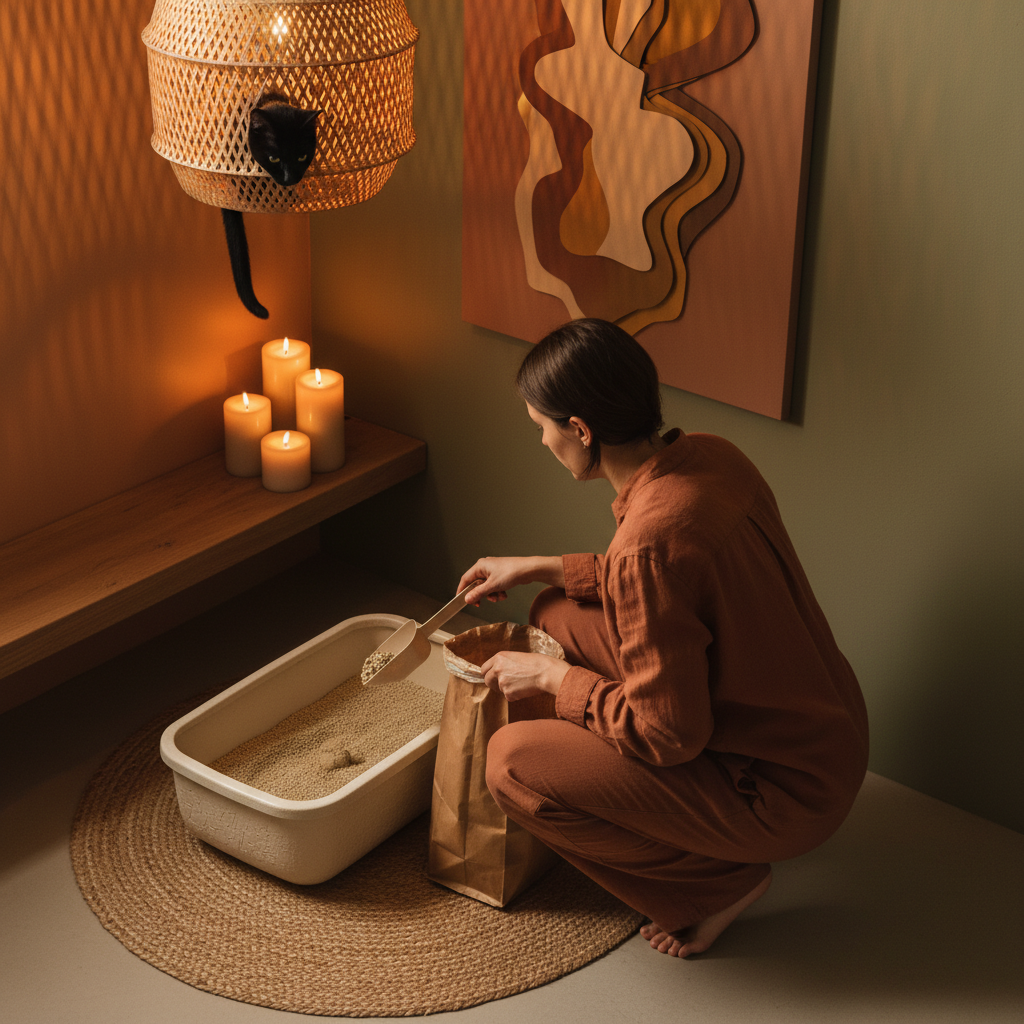
Pet odors can linger in your home, even after you’ve cleaned up accidents. To manage pet odors, you can use a variety of methods.
Air purifiers with HEPA filters can help to remove pet dander and odors from the air. Open windows and doors to ventilate your home regularly. Sprinkle baking soda on carpets and upholstery to absorb odors. Let it sit for a few hours, then vacuum it up.
The Long-Term Investment in Your Pet’s Well-being
Ultimately, prioritizing your pet’s hygiene is an investment in their long-term health, happiness, and quality of life. It’s about recognizing that they rely on us to provide them with the care they need to thrive, and that cleanliness is a fundamental aspect of that care.
A Proactive Approach
Instead of waiting for problems to arise, adopting a proactive approach to pet hygiene can prevent many common health issues and behavioral problems. Regular grooming, dental care, ear cleaning, and paw care are all essential components of a comprehensive hygiene routine.
Consistency is Key
Consistency is key when it comes to pet hygiene. Establishing a regular cleaning schedule and sticking to it will ensure that your pet stays clean and healthy. It’s also important to be patient and understanding, as some pets may be resistant to certain cleaning activities at first.
Consulting with Your Veterinarian
If you have any questions or concerns about your pet’s hygiene, consult with your veterinarian. They can provide you with personalized advice and recommendations based on your pet’s individual needs.
Remember, a clean pet is a happy pet, and a happy pet makes for a happy owner. By prioritizing your pet’s hygiene, you’re not only improving their quality of life, but you’re also strengthening the bond between you and your beloved companion.
So, take a moment to reflect: are you doing everything you can to ensure your pet’s cleanliness and well-being? Perhaps a slight adjustment to your routine, a new cleaning product, or simply a greater awareness of the importance of hygiene can make a world of difference. Your pet will thank you for it, with a wagging tail, a gentle purr, or simply a look of contentment in their eyes. After all, they deserve the very best, and that includes a clean and healthy life.

Hi, my name is Robert Max, I live in the United States and I’m the creator of InTechNews. I started this blog with the goal of sharing reliable and practical information about pet care, helping pet owners provide a healthier and happier life for their animals. I’m passionate about animal well-being and believe that good information makes all the difference in responsible pet ownership.