
Understanding Your Pet’s Hygiene Needs
Let’s face it, keeping our furry, scaly, or feathered companions clean can sometimes feel like a Herculean task. We love them dearly, but the thought of wrestling a wriggling cat into a bath, or convincing a reluctant rabbit that a nail trim is actually a good thing, can be enough to make anyone procrastinate. But here’s the truth: a consistent and stress-free hygiene routine is crucial for your pet’s overall health and well-being. It’s not just about aesthetics; it’s about preventing infections, detecting potential health issues early on, and strengthening the bond you share.
Think of it this way: you wouldn’t skip brushing your teeth for weeks on end, would you? The same principle applies to our pets. Neglecting their hygiene can lead to a whole host of problems, from skin irritations and dental disease to parasite infestations and overgrown nails that cause discomfort. By establishing a regular routine, you’re not only keeping your pet clean but also actively safeguarding their health and happiness.
But where do you even begin? The key is to understand that every pet is an individual with unique needs and sensitivities. What works for one animal might not work for another. A long-haired Persian cat, for example, will require significantly more grooming than a short-haired Siamese. A dog who loves swimming will need more frequent ear cleaning to prevent infections. And a nervous hamster might find the entire concept of a bath utterly terrifying.
Identifying Species-Specific Requirements
Before diving into the details, it’s essential to research the specific hygiene needs of your pet’s species. Dogs, cats, rabbits, guinea pigs, birds, reptiles – they all have different requirements when it comes to bathing, grooming, nail care, and dental hygiene. A quick online search or a chat with your veterinarian can provide valuable insights into what your particular pet needs to thrive.
For example, dogs typically require bathing every few weeks or months, depending on their breed and lifestyle. Cats, on the other hand, are meticulous groomers and rarely need baths unless they get into something particularly messy. Rabbits require regular brushing to prevent hairballs, while guinea pigs benefit from occasional nail trims. Birds need access to fresh water for bathing, and reptiles may need help shedding their skin. Understanding these species-specific needs is the first step towards creating a successful hygiene routine.
Recognizing Individual Sensitivities
Beyond species-specific needs, it’s crucial to consider your pet’s individual sensitivities and preferences. Some animals are naturally more tolerant of handling and grooming than others. A dog who was socialized to bathing and grooming from a young age is likely to be much more cooperative than a dog who has never experienced it before. A cat with a history of traumatic experiences may be extremely fearful of being restrained or touched. A rabbit with sensitive skin may react negatively to certain types of shampoos or grooming products.
Pay close attention to your pet’s body language and behavior during hygiene routines. Are they relaxed and comfortable, or are they showing signs of stress or anxiety? Do they enjoy being brushed, or do they try to run away? Do they tolerate nail trims, or do they become aggressive? By observing your pet’s reactions, you can tailor your approach to minimize stress and maximize cooperation. If your pet is particularly anxious or resistant to grooming, consider consulting with a professional groomer or veterinarian who has experience working with sensitive animals.
Creating a Stress-Free Environment
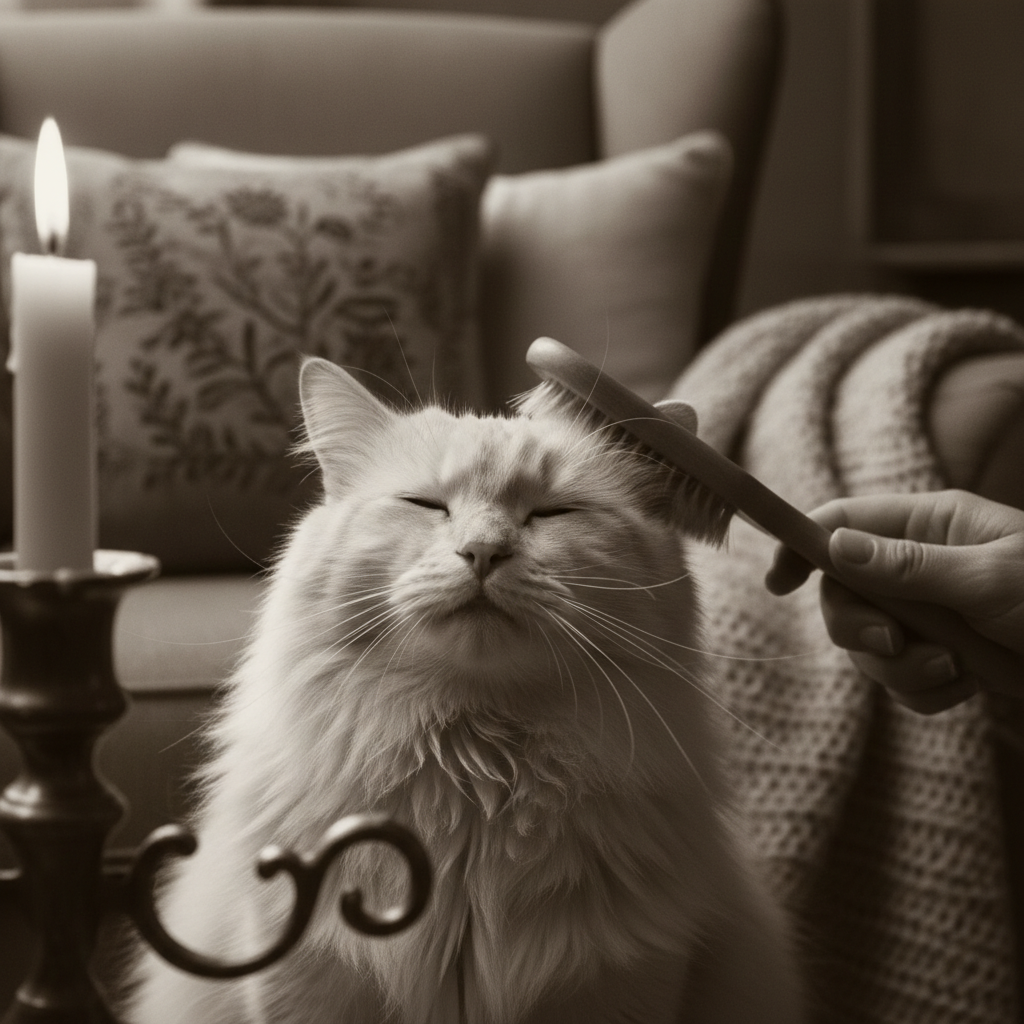
The environment in which you perform your pet’s hygiene routine can have a significant impact on their stress levels. A noisy, chaotic, or unfamiliar environment is likely to increase anxiety and resistance. Conversely, a calm, quiet, and familiar environment can help your pet feel more relaxed and secure.
Consider the location, the time of day, and the presence of other people or animals. Choose a location that is quiet and free from distractions, such as a bathroom or a grooming area. Schedule your hygiene routines for a time of day when your pet is typically calm and relaxed, such as after a meal or a playtime session. If possible, perform the routine when you are alone with your pet, to minimize distractions and reduce anxiety.
The Power of Positive Reinforcement
Positive reinforcement is a powerful tool for shaping your pet’s behavior and creating positive associations with hygiene routines. Instead of using punishment or coercion, focus on rewarding your pet for their cooperation and good behavior. This can involve using treats, praise, toys, or even just gentle petting.
Start by associating the grooming tools with positive experiences. Let your pet sniff and explore the brush, comb, or nail clippers without actually using them. Reward them with a treat or praise for simply being near the tools. Gradually introduce the tools to your pet’s body, starting with areas they are comfortable with, such as their back or head. Reward them for tolerating the touch of the tools. As your pet becomes more comfortable, you can gradually increase the duration and intensity of the grooming session, always rewarding them for their cooperation.
Remember, consistency is key. The more often you practice these positive reinforcement techniques, the more likely your pet is to associate hygiene routines with positive experiences. Over time, they may even start to enjoy the attention and interaction they receive during grooming sessions.
Desensitization and Counter-Conditioning
For pets who are particularly fearful or resistant to grooming, desensitization and counter-conditioning can be effective techniques for reducing anxiety. Desensitization involves gradually exposing your pet to the feared stimulus (e.g., nail clippers) at a low intensity, while counter-conditioning involves pairing the feared stimulus with something positive (e.g., treats). The goal is to change your pet’s emotional response to the stimulus from fear to positive anticipation.
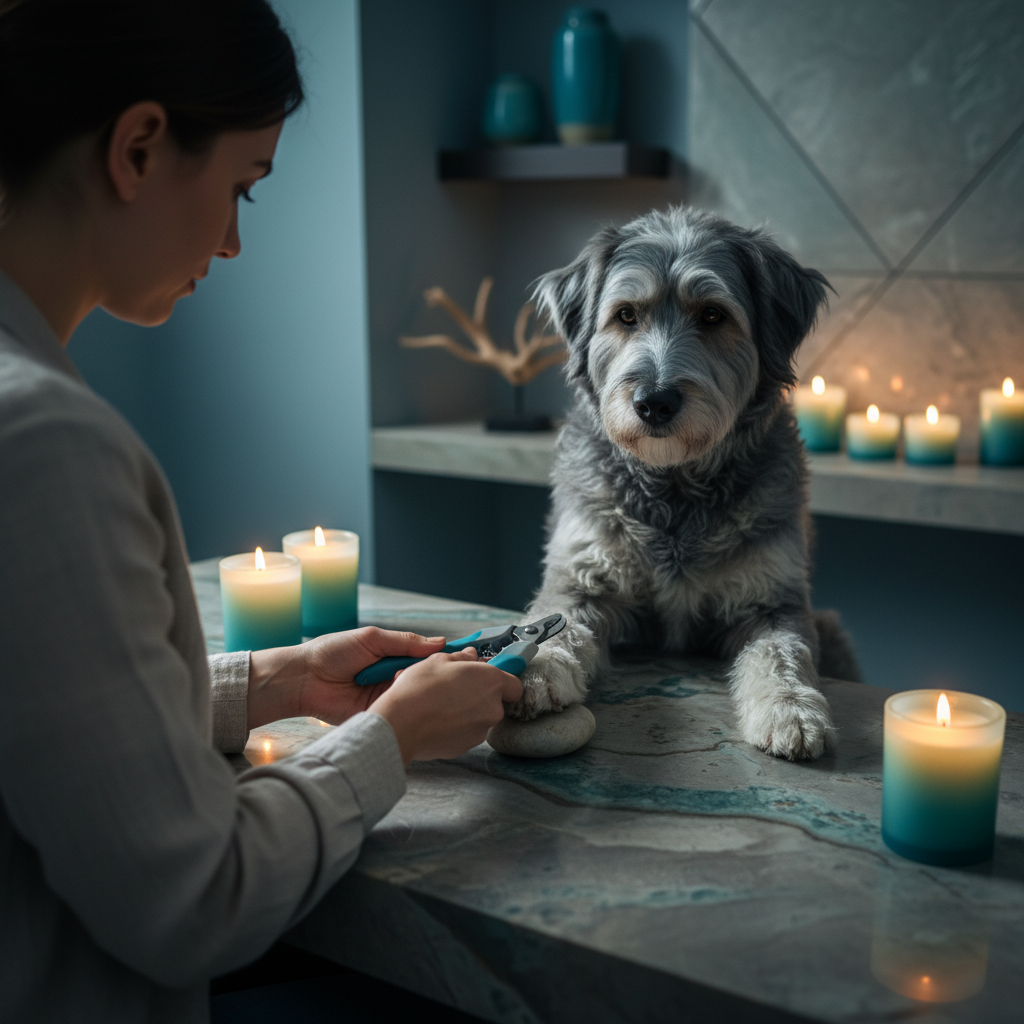
For example, if your dog is afraid of nail clippers, start by simply showing them the clippers from a distance. Reward them with a treat for remaining calm and relaxed. Gradually decrease the distance between your dog and the clippers, always rewarding them for their cooperation. Once your dog is comfortable with the sight of the clippers, you can start touching them to their paws, again rewarding them for their calmness. Eventually, you can progress to clipping one or two nails at a time, always rewarding your dog for their good behavior. The key is to proceed at your pet’s pace and never force them into a situation they are not comfortable with.
Choosing the Right Tools and Products
The right tools and products can make a huge difference in the effectiveness and ease of your pet’s hygiene routine. Using the wrong brush, shampoo, or nail clippers can be uncomfortable, irritating, or even dangerous for your pet. It’s important to choose tools and products that are specifically designed for your pet’s species, breed, and coat type.
For dogs and cats, there are a wide variety of brushes and combs available, including slicker brushes, bristle brushes, shedding blades, and grooming gloves. The best choice will depend on your pet’s coat type and the type of grooming you are trying to achieve. For example, a slicker brush is good for removing mats and tangles, while a bristle brush is good for smoothing and polishing the coat. Shedding blades are designed to remove loose hair, while grooming gloves are a gentle way to remove hair and dirt.
Selecting Safe and Effective Shampoos
When choosing a shampoo for your pet, it’s important to select a product that is specifically formulated for animals. Human shampoos can be too harsh for pets and can strip their coat of its natural oils, leading to dryness and irritation. Look for shampoos that are pH-balanced for pets and that are free from harsh chemicals, such as sulfates, parabens, and artificial fragrances. If your pet has sensitive skin or allergies, consider using a hypoallergenic or oatmeal-based shampoo.
It’s also important to consider the specific needs of your pet’s coat type. For example, long-haired breeds may benefit from a detangling shampoo, while short-haired breeds may benefit from a moisturizing shampoo. If your pet has fleas or ticks, you may need to use a medicated shampoo that contains insecticides. Always follow the instructions on the shampoo bottle carefully and rinse thoroughly to prevent irritation.
Nail Care Essentials
Nail care is an important part of your pet’s hygiene routine, as overgrown nails can be painful and can interfere with walking and running. There are two main types of nail clippers available: scissor-style clippers and guillotine-style clippers. Scissor-style clippers are generally easier to use and provide more control, while guillotine-style clippers are more efficient for trimming thick nails. It’s important to choose clippers that are the right size for your pet’s nails and that are sharp enough to make clean cuts.
In addition to clippers, you may also want to have a styptic powder or pencil on hand to stop bleeding in case you accidentally cut the quick (the pink part of the nail that contains blood vessels and nerves). It’s also a good idea to keep a nail file on hand to smooth out any rough edges after trimming.

Step-by-Step Hygiene Routine Examples
Now that you understand the basics of pet hygiene, let’s take a look at some step-by-step examples of how to perform common hygiene routines.
Bathing a Dog: A Gentle Approach
Bathing a dog can be a daunting task, but with a little preparation and patience, it can be a positive experience for both you and your furry friend. Start by brushing your dog to remove any mats or tangles. Then, gather your supplies, including a shampoo, a towel, and a source of warm water. Place a non-slip mat in the tub or shower to prevent your dog from slipping. Wet your dog thoroughly with warm water, avoiding their eyes and ears. Apply shampoo and lather gently, massaging it into their coat. Rinse thoroughly until all traces of shampoo are gone. Towel dry your dog, and then let them air dry or use a low-heat hair dryer. Reward them with a treat and praise for their cooperation.
Brushing a Cat: A Daily Ritual
Brushing a cat is an essential part of their hygiene routine, as it helps to remove loose hair, prevent mats, and stimulate circulation. Start by choosing a brush that is appropriate for your cat’s coat type. Gently brush your cat’s coat, starting with their head and working your way down their body. Pay attention to areas that are prone to matting, such as behind their ears and under their legs. If you encounter any mats or tangles, use a detangling spray or a mat splitter to gently remove them. Reward your cat with a treat and praise for their cooperation.
Trimming a Rabbit’s Nails: A Delicate Procedure
Trimming a rabbit’s nails is an important part of their hygiene routine, as overgrown nails can be painful and can interfere with their ability to hop and run. Start by choosing a pair of nail clippers that are specifically designed for rabbits. Gently hold your rabbit in your lap and extend one of their paws. Identify the quick, which is the pink part of the nail that contains blood vessels and nerves. Trim the nail just below the quick, being careful not to cut into it. If you accidentally cut the quick, apply styptic powder to stop the bleeding. Reward your rabbit with a treat and praise for their cooperation.
Addressing Common Hygiene Challenges
Despite your best efforts, you may encounter some challenges when trying to establish a hygiene routine for your pet. Here are some common challenges and how to address them.
Dealing with Fear and Anxiety
If your pet is fearful or anxious during hygiene routines, it’s important to take a step back and reassess your approach. Avoid forcing your pet into a situation they are not comfortable with, as this will only exacerbate their fear and anxiety. Instead, focus on building positive associations with grooming tools and routines through positive reinforcement, desensitization, and counter-conditioning. If your pet’s fear and anxiety are severe, consider consulting with a veterinarian or a certified professional dog trainer for guidance.
Managing Aggression
Aggression during hygiene routines can be a serious problem, as it can be dangerous for both you and your pet. If your pet becomes aggressive, stop the routine immediately and seek professional help. A veterinarian or a certified professional dog trainer can help you identify the underlying causes of your pet’s aggression and develop a safe and effective management plan. It’s important to remember that aggression is often a sign of fear or pain, and it’s crucial to address the underlying cause to resolve the behavior.
Overcoming Resistance
Even if your pet is not fearful or aggressive, they may still resist your attempts to groom them. This can be due to a variety of factors, such as lack of socialization, negative experiences, or simply a dislike of being handled. To overcome resistance, start by making the grooming experience as positive as possible. Use positive reinforcement, keep the sessions short and frequent, and avoid forcing your pet into a position they are uncomfortable with. If your pet continues to resist, consider consulting with a professional groomer for assistance.

The Long-Term Benefits of a Consistent Routine
Establishing a consistent and stress-free hygiene routine for your pet is an investment in their long-term health and well-being. Not only will it keep them clean and comfortable, but it will also help you detect potential health problems early on, strengthen the bond you share, and improve their overall quality of life.
Think about it: regular grooming allows you to closely examine your pet’s skin and coat for any signs of abnormalities, such as lumps, bumps, sores, or parasites. Regular dental care can prevent dental disease, which can lead to serious health problems such as heart disease and kidney disease. Regular nail trims can prevent overgrown nails, which can cause pain and discomfort. And regular ear cleaning can prevent ear infections, which can be a common problem in dogs and cats.
But perhaps the most important benefit of a consistent hygiene routine is the opportunity it provides to bond with your pet. Grooming is a form of physical contact that can be very comforting and reassuring for animals. It’s a chance to spend quality time together, build trust, and strengthen the relationship you share. So, take the time to create a hygiene routine that works for both you and your pet, and enjoy the many benefits it will bring.
Ultimately, creating a stress-free hygiene routine for your pet is about understanding their individual needs, respecting their sensitivities, and building a positive relationship based on trust and mutual respect. It may take some time and effort to find the right approach, but the rewards are well worth it. A clean, healthy, and happy pet is a joy to have in your life, and a consistent hygiene routine is the key to making that happen.

Hi, my name is Robert Max, I live in the United States and I’m the creator of InTechNews. I started this blog with the goal of sharing reliable and practical information about pet care, helping pet owners provide a healthier and happier life for their animals. I’m passionate about animal well-being and believe that good information makes all the difference in responsible pet ownership.