
Creating a Sanctuary: The Importance of a Clean Pet Environment
Our pets are more than just animals; they are members of our families. We share our homes, our lives, and our love with them. In return, they offer us unwavering companionship, boundless affection, and a unique joy that only they can provide. But with this shared living space comes a responsibility: to ensure their environment is not only comfortable but also clean and healthy. A clean environment isn’t just about aesthetics; it’s about protecting your pet’s well-being and preventing potential health issues that can arise from unsanitary conditions.
Have you ever considered how much time your pet spends in their immediate surroundings? Whether it’s their bed, their crate, the living room floor, or the backyard, these spaces become integral parts of their lives. They eat, sleep, play, and eliminate waste in these areas. If these spaces are not properly maintained, they can quickly become breeding grounds for bacteria, parasites, and other harmful organisms. This can lead to a variety of health problems, ranging from skin irritations and allergies to more serious infections and respiratory issues.
Beyond the direct health benefits for your pet, a clean environment also contributes to a healthier and happier home for everyone. Pet odors can be unpleasant and even embarrassing, and the presence of pet hair and dander can exacerbate allergies in humans. By taking proactive steps to maintain a clean pet environment, you’re not only caring for your furry friend but also creating a more pleasant and enjoyable living space for yourself and your family.
The Ripple Effect: How Cleanliness Impacts Your Pet’s Health
The connection between a clean environment and a healthy pet is undeniable. Imagine a dog constantly lying on a dirty bed filled with dust mites and allergens. This can easily lead to skin irritations, such as hot spots or allergic dermatitis. Similarly, a cat using a litter box that is rarely cleaned is at a higher risk of developing urinary tract infections or upper respiratory problems. These are just a few examples of how a lack of cleanliness can directly impact your pet’s health.
Furthermore, a clean environment plays a crucial role in preventing the spread of parasites. Fleas, ticks, and worms thrive in unsanitary conditions. By regularly cleaning your pet’s bedding, vacuuming carpets and upholstery, and maintaining a tidy backyard, you can significantly reduce the risk of parasite infestations. This not only protects your pet but also prevents these pests from entering your home and affecting your family.
Consider the case of a family who adopted a rescue dog with a history of skin allergies. Despite providing the dog with a healthy diet and regular veterinary care, the dog continued to suffer from recurring skin problems. After consulting with a veterinary dermatologist, they discovered that the dog’s bedding was heavily contaminated with dust mites and mold spores. By switching to hypoallergenic bedding and implementing a strict cleaning routine, the family was finally able to control the dog’s allergies and improve its overall quality of life. This example highlights the importance of considering the environment as a key factor in managing your pet’s health.

Establishing a Cleaning Routine: Practical Steps for a Healthy Home
Creating a clean and healthy environment for your pet doesn’t have to be a daunting task. By establishing a regular cleaning routine and incorporating a few simple practices into your daily life, you can easily maintain a sanitary and comfortable living space for your furry friend. Consistency is key, so aim to make these tasks a regular part of your schedule.
Daily Tasks: Maintaining a Baseline of Cleanliness
Several small tasks can be performed daily to prevent dirt and grime from accumulating. These include:
- Spot cleaning accidents immediately: Accidents happen, but prompt cleanup is crucial to prevent staining, odors, and the spread of bacteria. Use an enzymatic cleaner specifically designed for pet messes.
- Wiping down food and water bowls: Food and water bowls can quickly become breeding grounds for bacteria. Wash them daily with hot, soapy water. Consider using stainless steel or ceramic bowls, as they are less porous and easier to clean than plastic.
- Sweeping or vacuuming high-traffic areas: Pet hair, dander, and dirt can accumulate quickly in areas where your pet spends most of their time. A quick sweep or vacuum can help keep these areas clean and prevent allergens from spreading.
- Emptying and refreshing litter boxes (for cats): This is perhaps the most important daily task for cat owners. Scoop the litter box at least once a day and completely empty and clean it weekly. Use a high-quality litter that controls odor and minimizes dust.
These daily tasks may seem small, but they can make a significant difference in maintaining a clean and healthy environment for your pet.
Weekly Tasks: Deep Cleaning for a Healthier Home
In addition to the daily tasks, it’s important to incorporate weekly deep cleaning into your routine. These tasks will help remove accumulated dirt, allergens, and odors, creating a fresher and healthier living space.
- Washing pet bedding: Your pet’s bedding can harbor a variety of allergens, including dust mites, pollen, and pet dander. Wash bedding weekly in hot water with a hypoallergenic detergent. If possible, dry bedding in the sun, as sunlight has natural disinfecting properties.
- Vacuuming carpets and upholstery: Carpets and upholstery can trap pet hair, dander, and dirt. Vacuum these surfaces weekly with a vacuum cleaner equipped with a HEPA filter. Pay special attention to areas where your pet spends most of their time.
- Mopping hard floors: Mop hard floors weekly with a pet-safe cleaner. Avoid using harsh chemicals that can irritate your pet’s paws or be harmful if ingested.
- Cleaning pet toys: Pet toys can quickly become dirty and contaminated with bacteria. Wash toys weekly with hot, soapy water or run them through the dishwasher. Discard any toys that are damaged or worn.
By consistently performing these weekly tasks, you can maintain a deep level of cleanliness in your home and create a healthier environment for your pet.
Seasonal Tasks: Preparing for Changes in the Environment
As the seasons change, so do the potential environmental hazards that can affect your pet’s health. Adjusting your cleaning routine to address these seasonal changes can help protect your pet from potential problems.
- Spring: During spring, pollen levels rise, which can trigger allergies in both pets and humans. Increase the frequency of vacuuming and dusting to remove pollen from your home. Consider using an air purifier with a HEPA filter to further reduce pollen levels.
- Summer: Summer is flea and tick season. In addition to using preventative medications, regularly inspect your pet for fleas and ticks. Clean your yard to eliminate potential breeding grounds for these pests.
- Autumn: As leaves fall, they can create damp and moldy environments that can be harmful to pets. Rake leaves regularly and keep your yard free of debris. Clean gutters to prevent water damage and mold growth.
- Winter: Winter can be a dry and dusty season. Use a humidifier to increase the moisture level in your home and prevent dry skin and respiratory problems in your pet. Be mindful of using pet-safe de-icers on sidewalks and driveways.
By adapting your cleaning routine to the changing seasons, you can proactively address potential environmental hazards and protect your pet’s health year-round.

Choosing the Right Cleaning Products: Safety First
When it comes to cleaning products, safety should always be your top priority. Many common household cleaners contain harsh chemicals that can be harmful to pets. These chemicals can cause skin irritations, respiratory problems, and even poisoning if ingested. Therefore, it’s crucial to choose cleaning products that are specifically formulated for use around pets.
Identifying Pet-Safe Cleaners: What to Look For
Look for cleaning products that are labeled as “pet-safe,” “non-toxic,” or “biodegradable.” These products are typically made with natural ingredients that are less likely to cause harm to your pet. Read the ingredient list carefully and avoid products that contain the following chemicals:
- Ammonia: Ammonia is a strong irritant that can cause respiratory problems and skin burns.
- Bleach: Bleach is a corrosive chemical that can cause severe burns and internal damage if ingested.
- Formaldehyde: Formaldehyde is a known carcinogen that can also cause respiratory problems and skin irritations.
- Phthalates: Phthalates are endocrine disruptors that can interfere with hormone function.
- Perchloroethylene: Perchloroethylene is a neurotoxin that can cause dizziness, nausea, and headaches.
If you’re unsure about the safety of a particular cleaning product, consult with your veterinarian or a pet supply store employee. They can recommend safe and effective cleaning products for your specific needs.
DIY Cleaning Solutions: Natural and Effective Alternatives
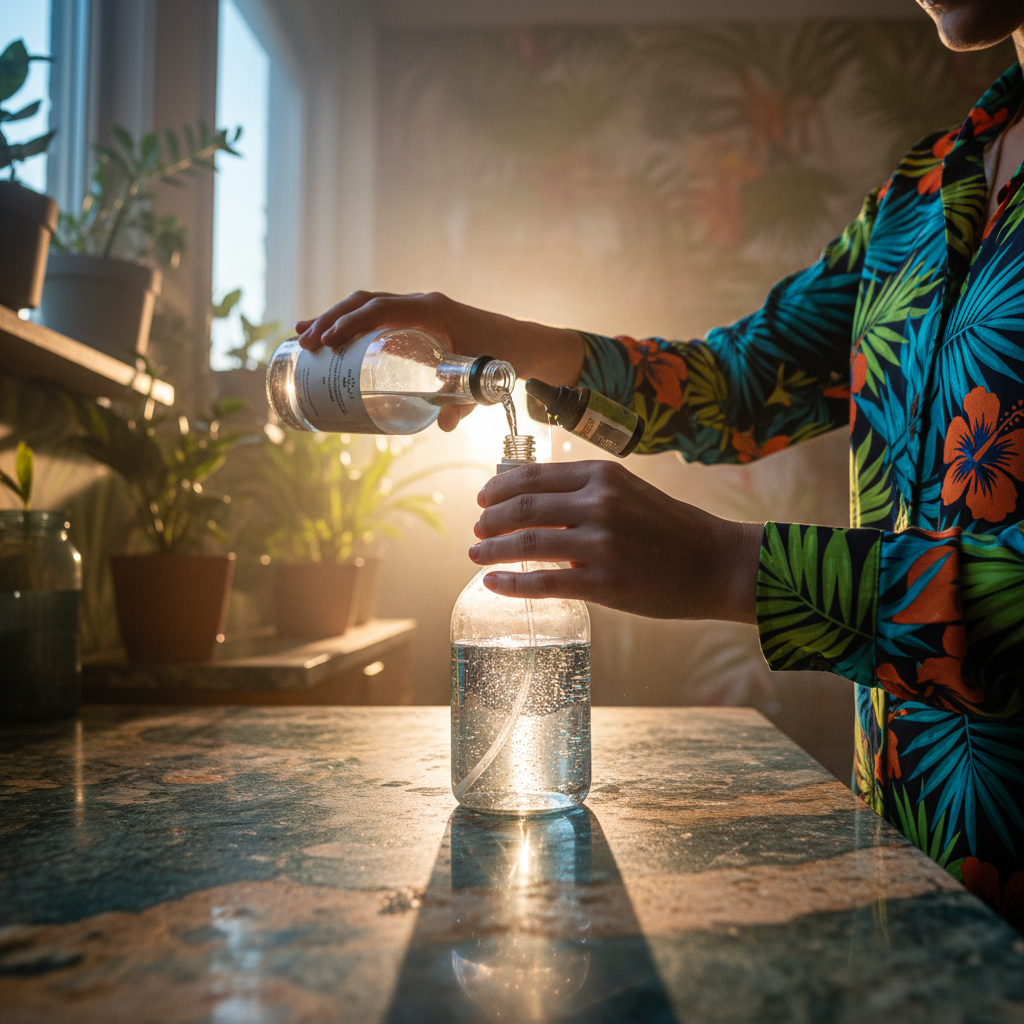
For those who prefer a more natural approach, there are many effective DIY cleaning solutions that you can make at home using common household ingredients. These solutions are typically safer for pets and the environment.
- Vinegar: Vinegar is a natural disinfectant and deodorizer. Dilute vinegar with water to create a general-purpose cleaner for floors, countertops, and other surfaces.
- Baking soda: Baking soda is a natural odor absorber. Sprinkle baking soda on carpets and upholstery to neutralize odors. Let it sit for a few hours, then vacuum it up.
- Lemon juice: Lemon juice is a natural disinfectant and stain remover. Dilute lemon juice with water to create a cleaner for cutting boards, sinks, and other surfaces.
- Essential oils: Certain essential oils, such as lavender, tea tree, and eucalyptus, have antibacterial and antifungal properties. Add a few drops of essential oil to your cleaning solutions for added disinfecting power and a pleasant scent. However, be cautious when using essential oils around cats, as some can be toxic to them. Always dilute essential oils properly and avoid using them in areas where your cat is likely to ingest them.
When using DIY cleaning solutions, always test them in an inconspicuous area first to ensure that they don’t damage the surface. And as with any cleaning product, keep DIY solutions out of reach of children and pets.
Consider a scenario where a dog owner was concerned about the harsh chemicals in commercial floor cleaners. They decided to try a DIY solution of equal parts water and white vinegar with a few drops of lavender essential oil. Not only did this solution effectively clean their floors, but it also left a pleasant, natural scent that was safe for their dog. This example demonstrates that you can achieve a clean and healthy home without resorting to harsh chemicals.
Addressing Specific Pet-Related Cleaning Challenges
While a general cleaning routine can go a long way in maintaining a clean pet environment, there are certain pet-related cleaning challenges that require specific solutions. These challenges include dealing with pet odors, removing pet hair, and managing litter box messes.
Neutralizing Pet Odors: Beyond Air Fresheners
Pet odors can be a common concern for pet owners. While air fresheners can temporarily mask odors, they don’t eliminate the source of the problem. To effectively neutralize pet odors, it’s important to identify and address the underlying cause.
- Enzymatic cleaners: Enzymatic cleaners contain enzymes that break down the organic compounds that cause odors. These cleaners are particularly effective for cleaning up pet accidents, such as urine and feces.
- Baking soda: Baking soda is a natural odor absorber. Sprinkle baking soda on carpets, upholstery, and other surfaces to neutralize odors. Let it sit for a few hours, then vacuum it up.
- Activated charcoal: Activated charcoal is another effective odor absorber. Place bowls of activated charcoal in areas where odors are prevalent.
- Proper ventilation: Good ventilation can help circulate fresh air and remove stale odors. Open windows and doors regularly to air out your home.
Remember, consistent cleaning is key to preventing pet odors from becoming a problem. Regular vacuuming, mopping, and washing of pet bedding can significantly reduce the amount of odor-causing bacteria in your home.
Tackling Pet Hair: Winning the War Against Fur
Pet hair can be a constant battle for pet owners. It seems to get everywhere, from carpets and upholstery to clothing and even food. While it’s impossible to completely eliminate pet hair, there are several strategies you can use to minimize its impact.
- Regular grooming: Regular grooming is the most effective way to control shedding. Brush your pet daily to remove loose hair before it has a chance to fall out.
- Vacuum cleaners with HEPA filters: Vacuum cleaners with HEPA filters can trap pet hair and allergens, preventing them from being recirculated into the air.
- Lint rollers: Lint rollers are great for removing pet hair from clothing, upholstery, and other surfaces.
- Rubber gloves: Dampen a pair of rubber gloves and run them over carpets and upholstery to lift pet hair.
- Fabric softener sheets: Toss a fabric softener sheet into the dryer with your clothes to help repel pet hair.
Consider investing in a good quality pet hair vacuum cleaner. These vacuums are specifically designed to remove pet hair from carpets and upholstery, and they often come with specialized attachments for reaching hard-to-reach areas.
Managing Litter Box Messes: Keeping Things Clean and Sanitary
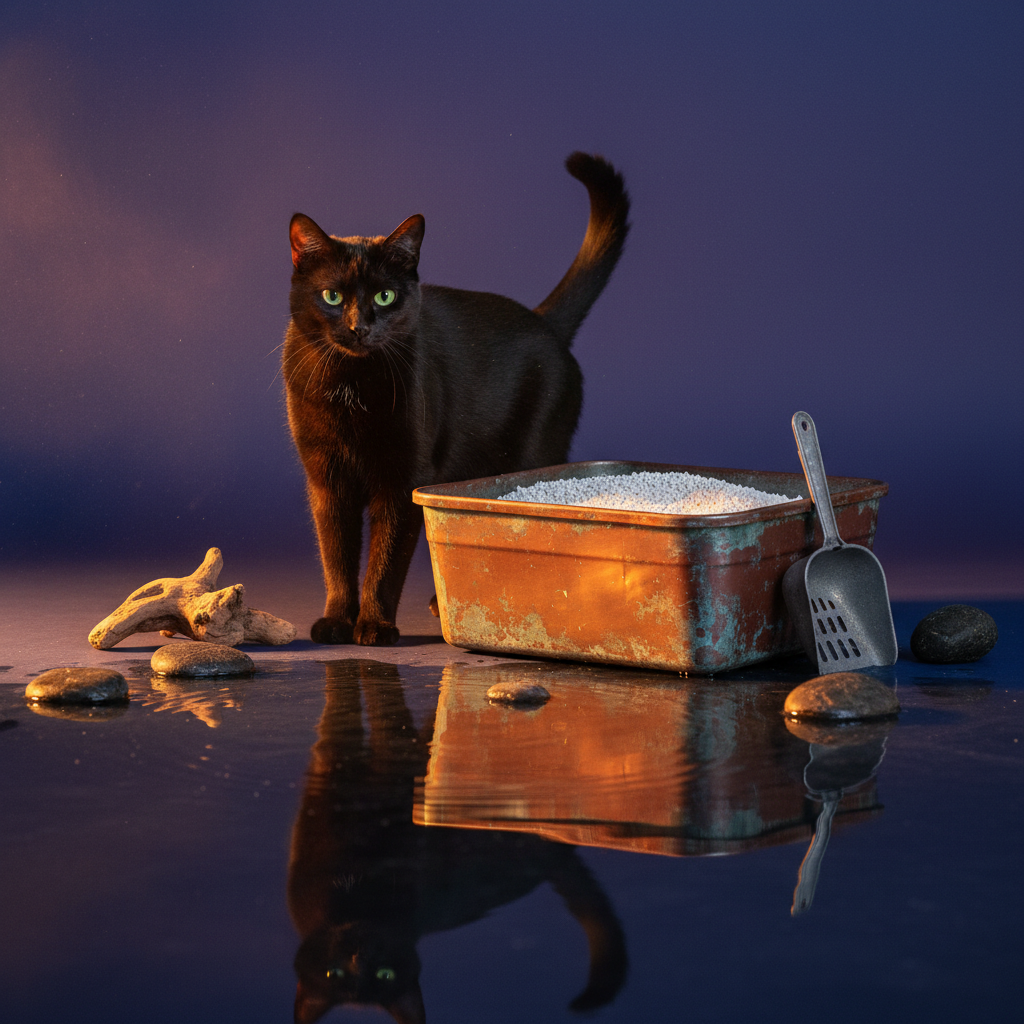
For cat owners, managing litter box messes is an essential part of maintaining a clean pet environment. Proper litter box hygiene is not only important for your cat’s health but also for the overall cleanliness of your home.
- Scoop the litter box daily: Scoop the litter box at least once a day to remove solid waste. This will help control odor and prevent the buildup of bacteria.
- Empty and clean the litter box weekly: Completely empty and clean the litter box weekly with hot, soapy water. Avoid using harsh chemicals that can irritate your cat’s paws.
- Use a high-quality litter: Use a high-quality litter that controls odor and minimizes dust. Consider using a clumping litter, as it makes it easier to remove solid waste.
- Place the litter box in a well-ventilated area: Place the litter box in a well-ventilated area to help dissipate odors.
- Consider using a litter box mat: Place a litter box mat under the litter box to catch stray litter.
Some cats are particularly sensitive to litter box cleanliness. If your cat starts eliminating outside the litter box, it may be a sign that the litter box is not clean enough. Try increasing the frequency of scooping and cleaning to see if that resolves the issue.
The Long-Term Benefits of a Clean Pet Environment
Investing in a clean and healthy environment for your pet offers a multitude of long-term benefits that extend far beyond just aesthetics. It’s an investment in their overall well-being, their longevity, and the harmony of your home.
By proactively maintaining a clean space, you’re actively minimizing the risk of various health problems, from skin allergies and respiratory issues to parasite infestations and infections. This can translate to fewer vet visits, lower medical expenses, and a happier, healthier companion for years to come. Imagine the peace of mind knowing you’re doing everything you can to protect your furry friend from preventable illnesses.
Moreover, a clean pet environment significantly contributes to a more pleasant and enjoyable living space for everyone. Eliminating pet odors and reducing allergens creates a fresher, healthier atmosphere for you, your family, and even your guests. A clean home is a welcoming home, and it fosters a sense of well-being and comfort for all its inhabitants.
Ultimately, creating and maintaining a clean pet environment is an act of love and responsibility. It’s a way of showing your pet that you care about their health and happiness, and it strengthens the bond you share. A clean environment fosters a sense of security and comfort, allowing your pet to thrive and be their best selves. It’s a small price to pay for the unconditional love and companionship they offer us every day.
So, take a moment to assess your pet’s environment. Are there areas that could use a little extra attention? Are you using pet-safe cleaning products? Is your cleaning routine as consistent as it could be? By making a conscious effort to prioritize cleanliness, you’re not only creating a healthier space for your pet but also enhancing the quality of life for your entire household. And that’s a reward worth striving for.

Hi, my name is Robert Max, I live in the United States and I’m the creator of InTechNews. I started this blog with the goal of sharing reliable and practical information about pet care, helping pet owners provide a healthier and happier life for their animals. I’m passionate about animal well-being and believe that good information makes all the difference in responsible pet ownership.