
Decoding Comfort: Beyond the Tail Wags
We adore our pets, showering them with affection and striving to provide the best possible lives. We buy them plush beds, gourmet food, and, yes, even adorable outfits. But have you ever stopped to consider whether your furry companion is truly comfortable, or simply exhibiting learned obedience? Is that tail wag always a sign of unadulterated joy, or could it be masking a subtle discomfort that they’ve been trained not to express?
This isn’t about questioning your love or implying that you’re neglecting your pet. It’s about encouraging a deeper understanding of their nuanced communication and recognizing that sometimes, what we perceive as happiness is actually a carefully crafted performance for our benefit. They learn to associate certain behaviors with rewards, and often suppress their true feelings to please us.
Think about it. How many times have you seen a dog wearing a sweater on a warm day, panting heavily but still wagging its tail when you praise its cuteness? Or a cat reluctantly tolerating a festive hat, purring softly while their ears are pinned back in clear discomfort? These are subtle cues that we often miss, blinded by our own desire to see them as happy and content.
This article will delve into the complexities of pet comfort, exploring the difference between obedience and genuine well-being. We’ll examine the subtle signs of discomfort, the impact of clothing and accessories, and how to create an environment that truly caters to your pet’s needs, not just our own aesthetic preferences.
The Obedience Mask: Are They Truly Happy?
Our pets are masters of adaptation. They learn quickly what pleases us and what doesn’t. A dog who is repeatedly praised for sitting still in a costume, even if it’s itchy and restrictive, will eventually learn to associate that behavior with positive reinforcement. They might even wag their tail, not because they’re enjoying the experience, but because they know it will earn them a treat or a loving pat.
This is where the “obedience mask” comes into play. They learn to suppress their discomfort and perform the desired behavior, even if it goes against their natural instincts. Recognizing this distinction requires a shift in perspective. We need to move beyond simply observing their actions and start paying attention to the subtle cues that betray their true feelings.
For example, a cat who tolerates being held, but whose pupils are dilated and tail is twitching, is likely experiencing stress, even if they are purring. The purring, in this case, might be a self-soothing mechanism rather than an expression of contentment. Similarly, a dog who freezes when you put a sweater on them might be displaying learned helplessness rather than enjoying the fashion statement.
Consider the case of a family who dressed their pug in elaborate costumes for social media. The pug was always impeccably dressed, posing for photos with a seemingly happy expression. However, a closer look revealed that the dog’s ears were often flattened, its eyes were wide and anxious, and it would frequently lick its lips – all signs of stress. The family was so focused on the aesthetic appeal of the photos that they completely missed the subtle cues that their dog was deeply uncomfortable.
It’s crucial to remember that our pets can’t always tell us directly when they’re uncomfortable. They rely on us to be observant, empathetic, and willing to prioritize their well-being over our own desires.
Decoding the Discomfort Signals
Learning to recognize the subtle signs of discomfort is essential for ensuring your pet’s well-being. These signals can be easily missed if you’re not paying close attention, but they offer valuable insights into your pet’s true feelings.
Body Language Speaks Volumes
Body language is a primary indicator of a pet’s emotional state. Changes in posture, facial expressions, and movement can all signal discomfort or stress. Look beyond the obvious and pay attention to the finer details.
* **Ears:** Pinned back ears often indicate fear or anxiety in both dogs and cats. Erect ears, on the other hand, can signal alertness or aggression.
* **Tail:** While a wagging tail is often associated with happiness, it’s important to consider the context. A tail tucked between the legs indicates fear or submission, while a rapidly wagging tail held high can signal excitement or agitation.
* **Eyes:** Dilated pupils can be a sign of fear, pain, or excitement. Squinting or excessive blinking might indicate discomfort or irritation.
* **Mouth:** Excessive panting, drooling, or lip-licking can all be signs of stress or discomfort. A tight-lipped expression in dogs often indicates anxiety.
* **Posture:** A hunched posture, trembling, or pacing can all indicate fear, anxiety, or pain.
Vocalization: More Than Just Barks and Meows
While barking and meowing are common forms of communication for dogs and cats, they can also indicate discomfort. Whining, growling, hissing, and even excessive purring can all be signs that something is amiss.
* **Whining:** Dogs often whine when they are anxious, scared, or in pain.
* **Growling:** While growling is often associated with aggression, it can also be a warning sign that a dog is feeling uncomfortable or threatened.
* **Hissing:** Cats hiss when they feel threatened or defensive.
* **Excessive Purring:** While purring is often a sign of contentment, cats also purr when they are stressed or in pain as a self-soothing mechanism.
Behavioral Changes: A Red Flag
Sudden changes in behavior can be a significant indicator of discomfort or underlying health issues. If your pet suddenly becomes withdrawn, aggressive, or loses interest in activities they usually enjoy, it’s important to investigate the cause.
* **Loss of Appetite:** A sudden loss of appetite can be a sign of illness, stress, or discomfort.
* **Increased Sleeping:** While pets sleep a lot, a sudden increase in sleeping can indicate lethargy due to illness or discomfort.
* **Aggression:** Sudden aggression can be a sign of pain, fear, or frustration.
* **Destructive Behavior:** Destructive behavior can be a sign of anxiety or boredom.
* **Excessive Grooming:** Over-grooming can be a sign of stress, anxiety, or skin irritation.
Consider a scenario where a normally playful cat suddenly starts hiding under the bed and hissing when approached. This could be a sign of pain, fear, or discomfort. It’s crucial to rule out any underlying medical conditions before assuming it’s simply a behavioral issue.
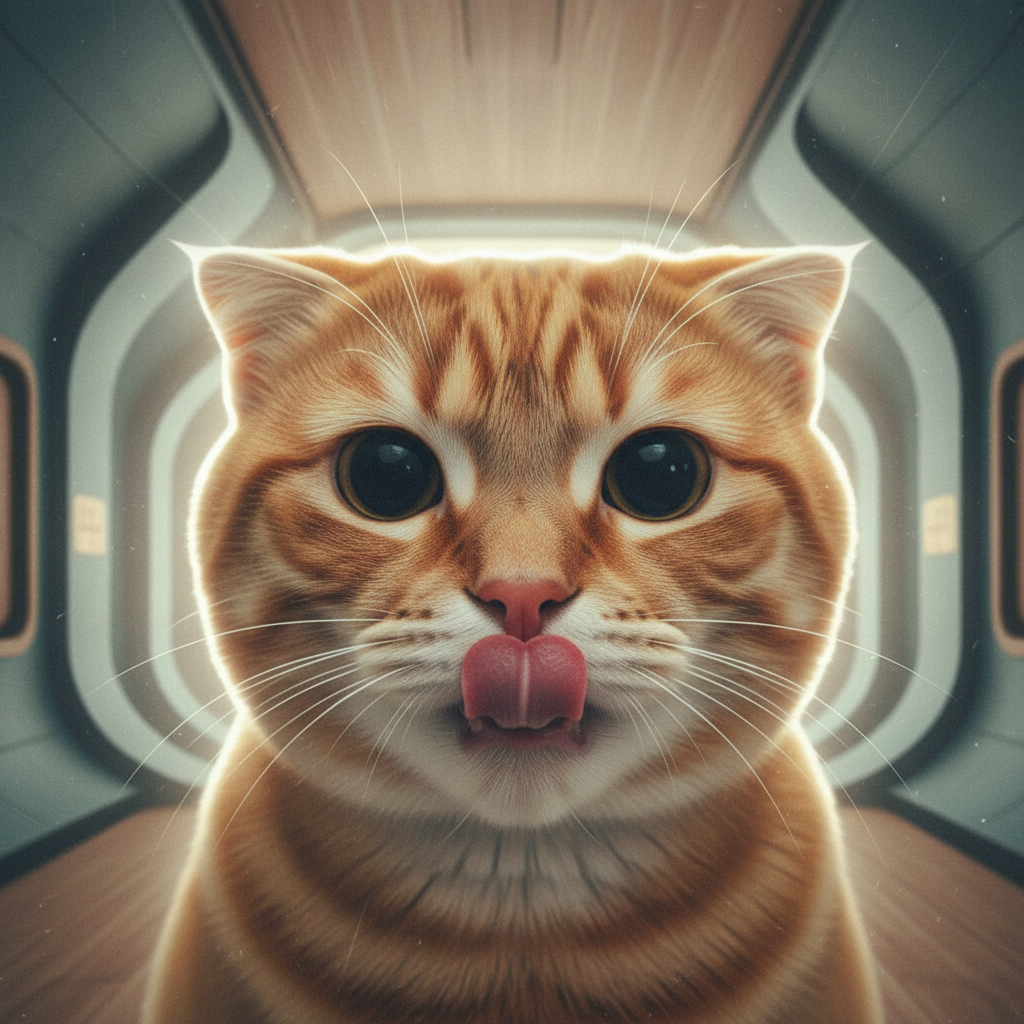
The Impact of Clothing and Accessories
While dressing up our pets can be fun and entertaining, it’s crucial to consider the potential impact on their comfort and well-being. Clothing and accessories can restrict movement, cause overheating, and even trigger anxiety.
Material Matters: Choosing the Right Fabrics
The type of fabric used in pet clothing can significantly impact their comfort. Opt for breathable, natural fabrics like cotton or linen, which allow for air circulation and prevent overheating. Avoid synthetic materials like polyester or nylon, which can trap heat and cause skin irritation.
Consider the case of a dog with sensitive skin who developed a rash after wearing a sweater made of synthetic material. The fabric trapped moisture against the dog’s skin, creating a breeding ground for bacteria. Switching to a cotton sweater resolved the issue.
Fit is Key: Avoiding Restriction
Ill-fitting clothing can restrict movement and cause discomfort. Ensure that the clothing is not too tight or too loose. It should allow your pet to move freely and breathe comfortably. Pay attention to areas around the neck, chest, and legs, as these are common areas where clothing can cause chafing or irritation.
Imagine a cat struggling to walk because its costume is too long and keeps getting tangled in its legs. This not only causes discomfort but also poses a safety hazard.
Safety First: Avoiding Choking Hazards
Accessories like collars, bandanas, and bows can pose a choking hazard if they are not properly fitted or if they contain small parts that can be easily swallowed. Always supervise your pet when they are wearing accessories and remove them immediately if you notice any signs of distress.
A dog wearing a collar that is too loose could get it caught on something, leading to injury or even strangulation. Always ensure that the collar is snug but not too tight, allowing you to comfortably slip two fingers underneath.
When to Say No: Recognizing the Limits
Not all pets enjoy wearing clothing or accessories. If your pet consistently displays signs of discomfort when dressed up, it’s important to respect their wishes and avoid forcing them to wear anything they don’t like. Their comfort should always be prioritized over your own desire to dress them up.
Consider a cat who consistently tries to remove any clothing or accessories that are put on them. This is a clear sign that they are uncomfortable and should not be forced to wear anything they don’t want to.
Creating a Comfortable Environment
Beyond clothing and accessories, the overall environment plays a crucial role in your pet’s comfort and well-being. Creating a safe, stimulating, and comfortable environment can significantly improve their quality of life.
Temperature Control: Finding the Perfect Balance
Maintaining a comfortable temperature is essential for your pet’s health and well-being. Pets are more susceptible to temperature extremes than humans, so it’s important to ensure that they are not too hot or too cold.
In the summer, provide plenty of shade and water, and avoid strenuous activity during the hottest part of the day. In the winter, provide a warm, draft-free space for them to sleep and avoid exposing them to extreme cold for extended periods.
Consider a dog with thick fur who is left outside in the summer heat without access to shade or water. This can quickly lead to heatstroke, which is a life-threatening condition.
Safe Spaces: Providing Retreats
Pets need a safe and comfortable space where they can retreat when they feel overwhelmed, stressed, or scared. This space should be quiet, dark, and free from distractions.
A crate, a bed under a table, or even a cardboard box can provide a sense of security and comfort. Make sure the space is easily accessible and that your pet feels safe and secure within it.
Imagine a cat who is constantly being chased by young children. Providing them with a quiet, elevated space where they can escape the chaos can significantly reduce their stress levels.

Mental Stimulation: Preventing Boredom
Boredom can lead to anxiety, destructive behavior, and other behavioral problems. Providing your pet with plenty of mental stimulation can help keep them happy and engaged.
Offer a variety of toys, puzzles, and games to keep them entertained. Rotate their toys regularly to prevent them from getting bored. Provide opportunities for them to explore their environment and engage in natural behaviors, such as scratching, digging, and chasing.
A dog who is left alone all day without any toys or activities is likely to become bored and destructive. Providing them with interactive toys, such as puzzle feeders, can help keep them entertained and prevent them from destroying your furniture.
Social Interaction: Meeting Their Needs
Social interaction is essential for many pets, especially dogs. Providing them with opportunities to socialize with other animals and people can help them develop social skills and prevent loneliness.
Take your dog for walks in the park, enroll them in obedience classes, or arrange playdates with other dogs. If you have a cat, provide them with plenty of attention and interaction, and consider adopting a companion animal to keep them company.
A dog who is isolated from other dogs is likely to become anxious and fearful. Exposing them to other dogs in a safe and controlled environment can help them develop social skills and build confidence.
The Role of Routine and Consistency
Pets thrive on routine and consistency. Establishing a predictable daily schedule can help reduce stress and anxiety, creating a sense of security and comfort.
Feeding Schedules: Regular Mealtimes
Feeding your pet at the same time each day can help regulate their digestive system and prevent overeating. Stick to a consistent feeding schedule and avoid feeding them scraps from the table.
A dog who is fed at random times throughout the day is more likely to develop digestive problems and obesity. Establishing a consistent feeding schedule can help regulate their metabolism and prevent overeating.
Exercise Schedules: Regular Activity
Regular exercise is essential for your pet’s physical and mental health. Establish a consistent exercise routine that meets their individual needs.
Take your dog for daily walks, play fetch in the park, or enroll them in agility classes. If you have a cat, provide them with opportunities to climb, scratch, and chase toys.
A cat who is confined indoors without any opportunities for exercise is likely to become bored and overweight. Providing them with a climbing tree and interactive toys can help them stay active and healthy.
Sleep Schedules: Restful Nights
Pets need plenty of sleep to stay healthy and happy. Provide them with a comfortable and quiet place to sleep, and avoid disturbing them when they are resting.
A dog who is constantly being woken up during the night is likely to become irritable and anxious. Providing them with a comfortable bed in a quiet room can help them get a restful night’s sleep.
Consistency in Training: Clear Expectations
Consistency in training is essential for establishing clear expectations and preventing confusion. Use positive reinforcement techniques and avoid punishment, which can create fear and anxiety.
A dog who is constantly being scolded for misbehaving is likely to become anxious and fearful. Using positive reinforcement techniques, such as rewarding good behavior with treats and praise, can help them learn what is expected of them and build confidence.
Beyond the Basics: Recognizing Individual Needs
Every pet is an individual with unique needs and preferences. What works for one pet may not work for another. It’s important to pay attention to your pet’s individual personality and adjust your approach accordingly.
Age and Health Considerations
Age and health can significantly impact a pet’s comfort and well-being. Older pets may require more comfortable bedding, shorter walks, and more frequent veterinary checkups. Pets with health conditions may require special diets, medications, and environmental accommodations.
An elderly dog with arthritis may need a soft, orthopedic bed to relieve pressure on their joints. They may also need shorter, more frequent walks to avoid overexertion.
Breed-Specific Needs
Different breeds have different needs and preferences. Some breeds are more sensitive to temperature extremes, while others are more prone to certain health conditions. Research your pet’s breed to understand their specific needs and provide them with the appropriate care.
A short-nosed breed like a bulldog may be more prone to overheating and require extra precautions during hot weather. A long-haired breed like a Persian cat may require regular grooming to prevent matting and skin problems.
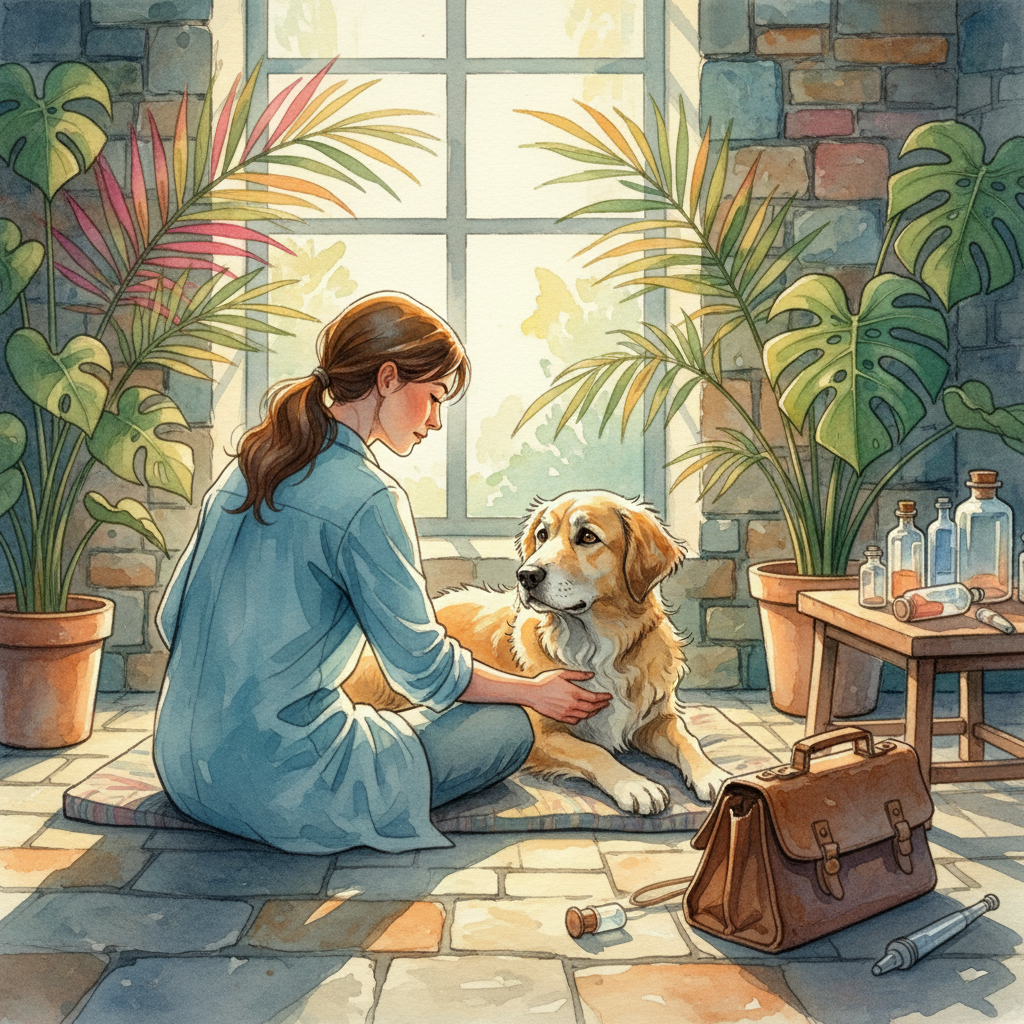
Personality and Temperament
Some pets are naturally more anxious or fearful than others. It’s important to recognize your pet’s individual personality and adjust your approach accordingly.
A shy and timid cat may require a more gradual introduction to new people and environments. A high-energy dog may require more exercise and mental stimulation to prevent boredom and destructive behavior.
The Importance of Observation
Ultimately, the best way to understand your pet’s comfort and well-being is to observe them closely and pay attention to their individual cues. Be patient, empathetic, and willing to adjust your approach as needed.
By taking the time to understand your pet’s unique needs and preferences, you can create a truly comfortable and fulfilling life for them. Remember, a wagging tail doesn’t always equal happiness. It’s up to us to look deeper and ensure their true well-being.
A Final Thought: Prioritizing Their Wellbeing
In the end, providing true comfort to our pets means prioritizing their wellbeing above all else. It means looking beyond our own desires and aesthetic preferences, and focusing on their individual needs and signals. It’s about creating an environment where they feel safe, secure, and genuinely happy. Are you ready to commit to a deeper understanding of your furry friend?
It’s a journey of constant learning and adaptation, but the rewards are immeasurable. A truly comfortable pet is a happy pet, and a happy pet brings immeasurable joy to our lives. Let’s strive to be the best possible guardians we can be, not just providing for their basic needs, but truly understanding and nurturing their emotional wellbeing.

Hi, my name is Robert Max, I live in the United States and I’m the creator of InTechNews. I started this blog with the goal of sharing reliable and practical information about pet care, helping pet owners provide a healthier and happier life for their animals. I’m passionate about animal well-being and believe that good information makes all the difference in responsible pet ownership.