
The Pet Accessory Paradox: Convenience vs. Complication
We adore our pets, showering them with affection and striving to provide them with the best possible lives. This often translates into a shopping spree for the latest pet accessories, from self-cleaning litter boxes to GPS-enabled collars. But in our eagerness to pamper our furry, feathered, or scaled companions, are we always making the right choices? Do all these gadgets and gizmos truly enhance their well-being, or do some inadvertently complicate their lives, adding stress and discomfort rather than convenience and joy? It’s a question every pet owner should ponder: are we buying what our pets need, or what *we* think they need?
The pet industry is a multi-billion dollar behemoth, constantly churning out new and innovative products designed to cater to every conceivable pet need (and many that aren’t really needs at all). Marketing campaigns skillfully portray these accessories as essential for a happy and healthy pet, preying on our desire to be good pet parents. But the truth is far more nuanced. Just because a product exists and is marketed well doesn’t automatically mean it’s beneficial for your specific pet.
Consider the sheer variety of dog collars available. From simple nylon collars to elaborate, jewel-encrusted creations, the options seem endless. While a basic collar with identification tags is undeniably essential for safety, are those extra bells and whistles truly necessary? Do they enhance the dog’s comfort, or do they simply cater to the owner’s aesthetic preferences? And what about shock collars or prong collars? While proponents argue for their effectiveness in training, many animal behaviorists and veterinarians raise serious concerns about their potential for causing pain, fear, and anxiety. Is the convenience of a potentially quicker training method worth the risk of long-term psychological damage to your beloved companion?
Similarly, the market for cat toys is overflowing with options, from laser pointers to automated feather wands. While interactive play is crucial for a cat’s physical and mental well-being, not all toys are created equal. Laser pointers, for example, can lead to frustration and anxiety, as the cat is never able to “catch” the elusive red dot, triggering their hunting instincts without providing a satisfying resolution. Choosing toys that allow a cat to physically capture and manipulate them is far more beneficial.
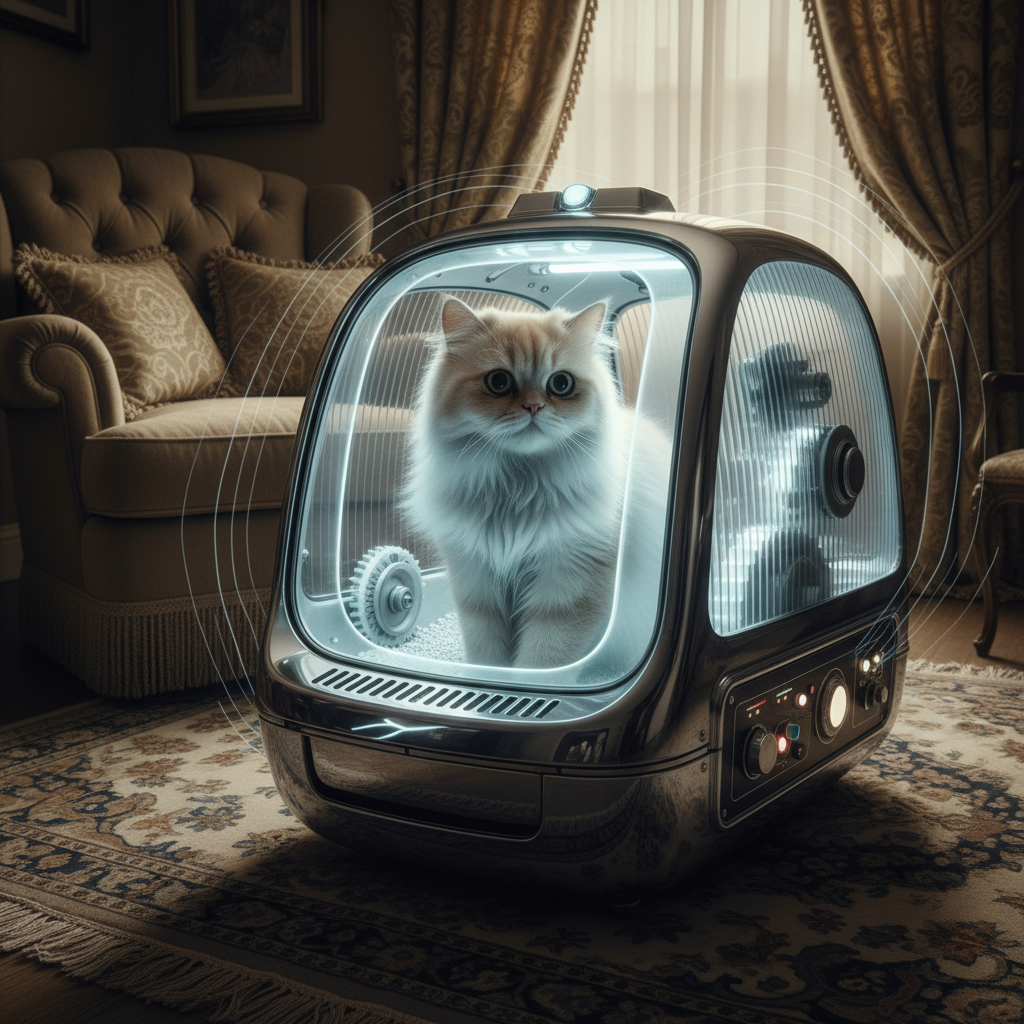
The Lure of Convenience: Automated Pet Care
The promise of convenience is a powerful selling point, especially in our increasingly busy lives. Automated feeders, self-cleaning litter boxes, and even automatic pet doors promise to simplify pet care, freeing up our time and energy. But these devices are not without their drawbacks.
Self-cleaning litter boxes, for instance, can be particularly problematic for cats. Many cats are sensitive to the noise and vibrations of the cleaning mechanism, leading them to avoid the litter box altogether. This can result in inappropriate elimination and even health problems like urinary tract infections. Moreover, the automated cleaning process can mask potential health issues, such as changes in urine output or stool consistency, which would be readily apparent in a traditional litter box. Are we trading convenience for a potential compromise in our cat’s health and well-being?
Automated feeders can also present challenges. While they can be helpful for regulating food intake and preventing overeating, they can also disrupt a pet’s natural feeding patterns and lead to anxiety. Some pets may become overly focused on the feeder, anticipating the next meal with obsessive intensity. Furthermore, automated feeders rely on technology, which can fail. A power outage or a malfunction in the device could leave your pet without food, especially if you’re away from home.
Automatic pet doors offer freedom and independence for pets, allowing them to come and go as they please. However, they also pose security risks. They can provide easy access for intruders, both human and animal. Small animals, like raccoons or stray cats, may enter your home through the pet door, potentially causing damage or spreading disease. Furthermore, automatic pet doors can make it more difficult to monitor your pet’s activity and ensure their safety. Are they truly safe in the neighborhood alone?
The Pitfalls of Anthropomorphism: Projecting Human Desires
One of the most common mistakes pet owners make is anthropomorphism – attributing human emotions and motivations to their animals. We often project our own desires and preferences onto our pets, assuming that what makes us happy will also make them happy. This can lead to the purchase of accessories that are more about satisfying our own egos than meeting our pet’s actual needs.
Consider the trend of dressing up pets in clothing. While a warm sweater may be beneficial for a short-haired dog in cold weather, forcing a dog to wear elaborate costumes or uncomfortable outfits is often more about the owner’s amusement than the pet’s comfort. Many dogs find clothing restrictive and irritating, and some may even experience anxiety or fear. Similarly, cats generally dislike wearing any type of clothing, as it interferes with their natural grooming behaviors.
The same principle applies to pet furniture. While a luxurious, oversized dog bed may look appealing to us, a dog may prefer a simple, comfortable blanket on the floor. Cats, known for their quirky preferences, may choose a cardboard box over an expensive cat tree.

We must resist the urge to treat our pets like miniature humans and instead focus on understanding their unique needs and behaviors. Before purchasing any accessory, ask yourself: is this truly beneficial for my pet, or am I simply projecting my own desires onto them?
Health and Safety Hazards: Hidden Dangers
Beyond comfort and convenience, some pet accessories can pose serious health and safety risks. It’s crucial to be aware of these potential dangers and choose products carefully.
Choke hazards are a significant concern, especially with toys designed for chewing. Small parts, such as squeakers or buttons, can easily be swallowed, leading to choking or intestinal blockages. Choose toys made from durable, non-toxic materials and regularly inspect them for damage. Discard any toys that are broken or have loose parts.
Toxic materials are another potential hazard. Some pet accessories, particularly those made overseas, may contain harmful chemicals, such as lead or phthalates. These chemicals can leach into the pet’s system through chewing or licking, causing a variety of health problems. Choose products from reputable manufacturers who adhere to strict safety standards. Look for labels that indicate the product is non-toxic and free from harmful chemicals.
Entanglement hazards are also a concern, especially with collars and leashes. Collars that are too loose can become snagged on furniture or fences, leading to choking or injury. Leashes that are too long or have excessive slack can become tangled around the pet’s legs, causing them to trip and fall. Choose collars that fit snugly but comfortably and use leashes of appropriate length.
Electric shock is a less common but potentially fatal hazard. Electric pet fences, heated pet beds, and other electrical devices can malfunction, posing a risk of electric shock. Regularly inspect these devices for damage and ensure they are properly grounded. Never leave electrical devices unattended while your pet is using them.
The Importance of Observation and Individual Needs
The key to choosing the right pet accessories is to observe your pet’s individual needs and preferences. Every pet is different, and what works for one may not work for another. Pay attention to your pet’s body language and behavior. Are they comfortable and relaxed when using a particular accessory, or do they seem stressed or anxious? Do they actively engage with a toy, or do they ignore it?
Consider your pet’s age, breed, and health condition. A senior dog with arthritis may benefit from an orthopedic bed, while a young, active dog may prefer a more durable, chew-resistant bed. A cat with long fur may require specialized grooming tools, while a short-haired cat may be fine with a basic brush.
Don’t rely solely on marketing claims or recommendations from other pet owners. Do your own research and consult with your veterinarian or a certified animal behaviorist. They can provide valuable insights into your pet’s specific needs and help you choose accessories that are safe, comfortable, and beneficial.
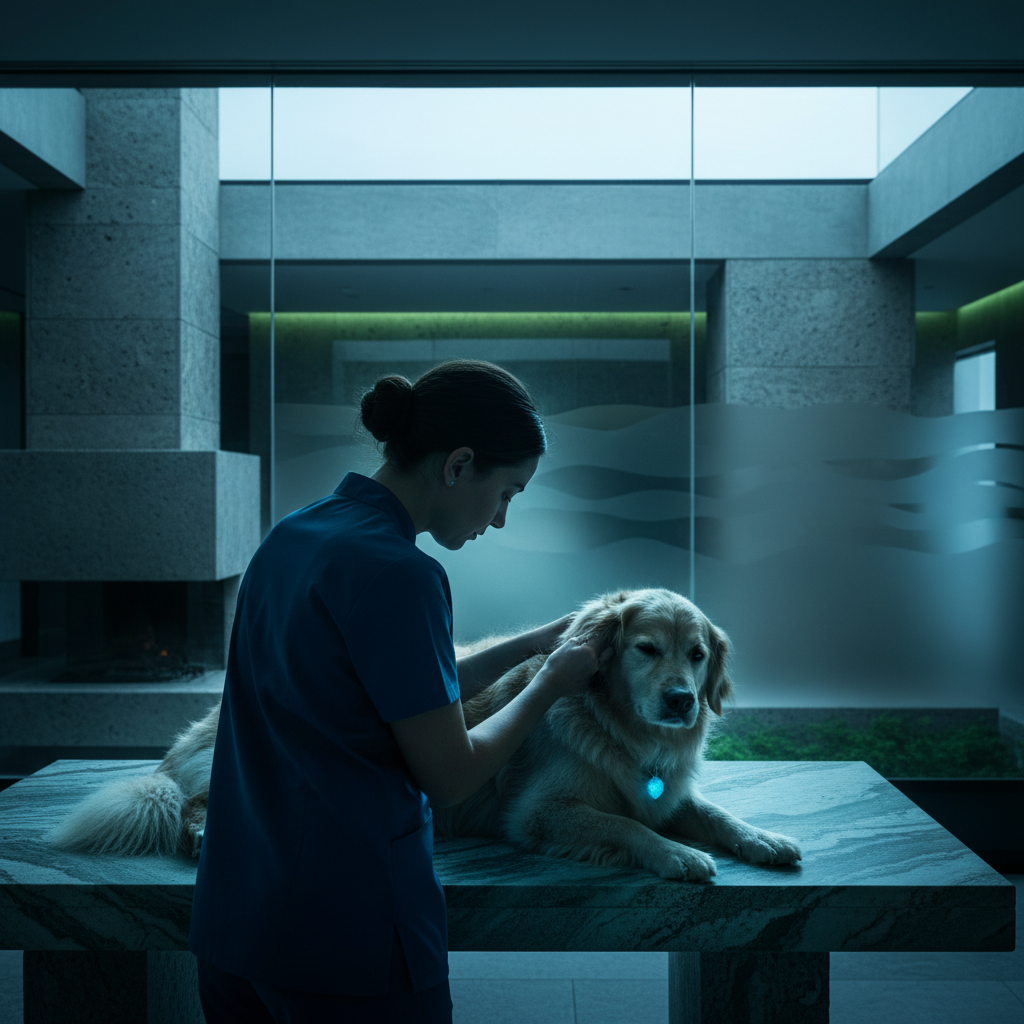
Remember, the best pet accessories are those that enhance your pet’s well-being, not those that simply add to the clutter in your home. Focus on providing your pet with the essentials: nutritious food, clean water, comfortable shelter, and plenty of love and attention. The rest is just icing on the cake.
Beyond the Material: Prioritizing Connection and Enrichment
Ultimately, the most important thing you can give your pet isn’t a fancy accessory, but your time, attention, and affection. A strong bond built on trust and understanding is far more valuable than any material possession.
Instead of focusing solely on buying the latest gadgets, prioritize creating enriching experiences for your pet. Take your dog for walks in new and interesting places. Play interactive games with your cat that stimulate their hunting instincts. Provide your bird with opportunities to explore and forage. Spend time simply cuddling and bonding with your pet.
Mental stimulation is just as important as physical exercise. Puzzle toys, training sessions, and even simple conversations can help keep your pet’s mind sharp and prevent boredom. A bored pet is more likely to develop behavioral problems, such as destructive chewing or excessive barking.
Consider enrolling your pet in training classes or agility courses. These activities not only provide mental and physical stimulation but also strengthen the bond between you and your pet. They also provide opportunities for socialization, which is crucial for many animals, particularly dogs.
Creating a stimulating and enriching environment for your pet doesn’t have to be expensive or time-consuming. Simple things like rotating their toys, providing them with a window to look out of, or hiding treats around the house can make a big difference in their overall well-being.

Remember, the goal is to enhance your pet’s life, not just fill it with stuff. A happy and well-adjusted pet is one that feels loved, safe, and stimulated, not one that is surrounded by expensive accessories. Before you make your next pet store purchase, take a moment to reflect on your pet’s true needs and ask yourself: will this accessory truly improve their life, or will it simply complicate it? The answer may surprise you. It is our responsibility, as pet owners, to advocate for their wellbeing, even if that means saying “no” to the tempting allure of the latest pet gadget. Our pets rely on us to make informed and thoughtful decisions, prioritizing their needs above our own desires for convenience or novelty. Ultimately, a simple life filled with love, attention, and appropriate care is the greatest gift we can give them.

Hi, my name is Robert Max, I live in the United States and I’m the creator of InTechNews. I started this blog with the goal of sharing reliable and practical information about pet care, helping pet owners provide a healthier and happier life for their animals. I’m passionate about animal well-being and believe that good information makes all the difference in responsible pet ownership.