
The Curious Case of Canine Couture: More Than Just a Trend?
We’ve all seen them: dogs strutting down the street in tiny sweaters, cats squeezed into miniature lion’s manes, and even the occasional guinea pig sporting a custom-made tuxedo. Pet clothing, once a niche market, has exploded into a multi-billion dollar industry. But beyond the undeniable cuteness factor, lies a more complex question: Is dressing up our pets a harmless indulgence, a practical necessity, or something else entirely? Are we projecting our own human desires and insecurities onto our furry companions, or are we genuinely enhancing their lives?
The answers, as you might expect, are layered and nuanced. While a chihuahua shivering in the winter wind might genuinely benefit from a cozy jacket, the same cannot be said for a husky overheating in a wool sweater during the summer. Understanding the difference – and making responsible choices based on your pet’s individual needs – is crucial. This isn’t just about fashion; it’s about their well-being.
Beyond the “Awww” Factor: Practical Considerations
Let’s be honest: the initial appeal of pet clothing often stems from the undeniable “awww” factor. A puppy in a tiny dinosaur costume? Irresistible. But before you max out your credit card on a wardrobe fit for a royal corgi, it’s essential to consider the practical implications. Not all clothing is created equal, and some can actually do more harm than good.
For example, consider the fabric. Is it breathable? Does it allow for a full range of motion? Can your pet easily eliminate waste while wearing it? Ill-fitting clothing can cause chafing, skin irritation, and even restrict movement, leading to discomfort and potential injury. Similarly, accessories like dangling charms or loose buttons can pose a choking hazard, especially for curious puppies and kittens. Always prioritize safety and functionality over fleeting trends.
Certain breeds are inherently more vulnerable to temperature extremes than others. Short-haired dogs like greyhounds and dachshunds, for instance, lack the insulating undercoat of their fluffier counterparts and are therefore more susceptible to the cold. A well-fitting coat or sweater can provide a much-needed layer of warmth during chilly walks. Conversely, breeds with thick double coats, such as Siberian Huskies and Alaskan Malamutes, are naturally well-equipped to handle cold weather and may actually overheat if forced to wear অতিরিক্ত clothing.
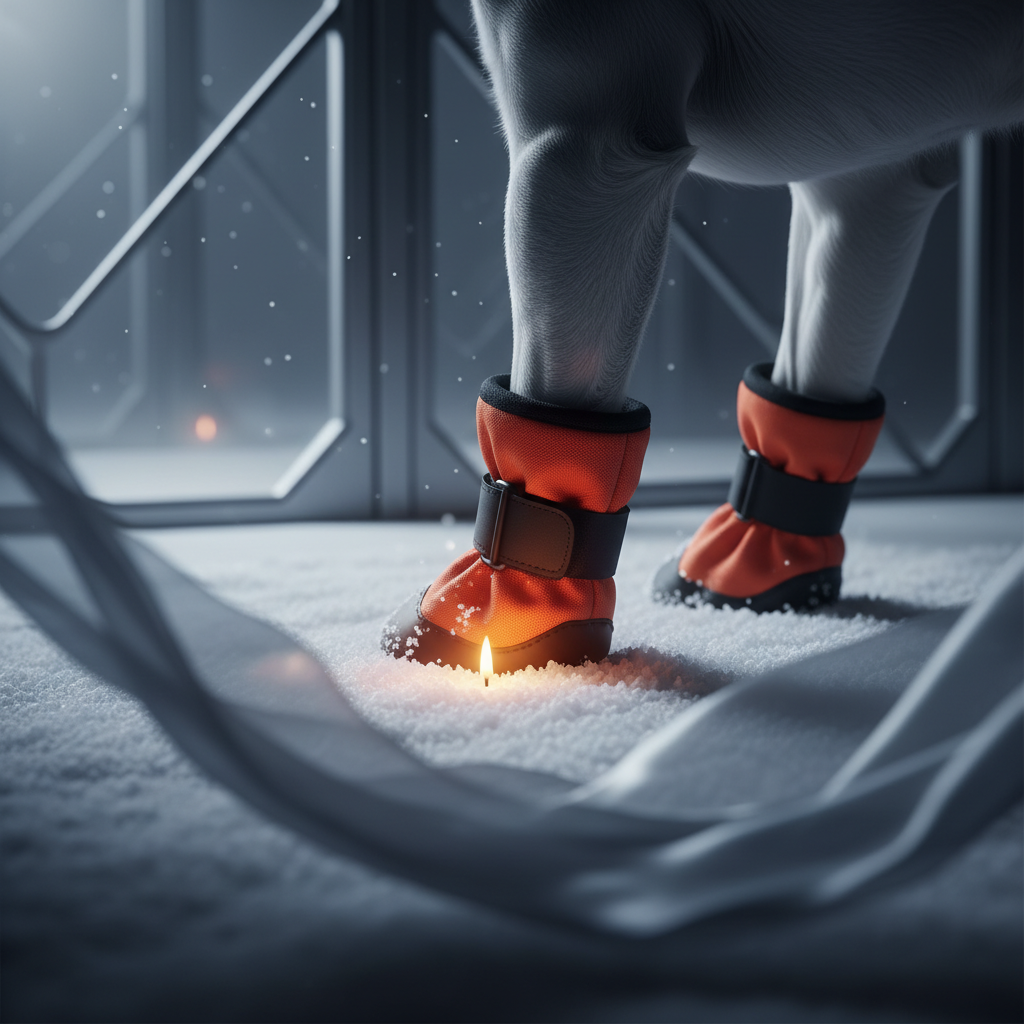
Consider also the intended purpose of the clothing. Is it for protection from the elements, or purely for aesthetic reasons? A waterproof raincoat can be a lifesaver on a soggy day, keeping your dog dry and comfortable while preventing them from tracking mud all over your house. Similarly, booties can protect sensitive paws from hot pavement in the summer or icy sidewalks in the winter. However, if you’re simply dressing your pet in a frilly dress for Instagram photos, it’s important to ensure that they are comfortable and not unduly stressed by the experience.
The Psychology of Pet Clothing: Are We Projecting?
Beyond the practical considerations, there’s a deeper, more philosophical question to consider: What motivates us to dress up our pets in the first place? Are we simply trying to keep them warm and safe, or are we projecting our own human desires and insecurities onto them? Are we treating them as members of the family, or as living dolls to be adorned and displayed?
For some pet owners, clothing can be a way to express their affection and bond with their animals. Dressing up a pet in a silly costume can be a fun and lighthearted way to share a laugh and create lasting memories. It can also be a way to showcase their pet’s unique personality and style. A flamboyant poodle in a sparkly tutu might be a reflection of their owner’s own outgoing and playful nature.
However, it’s important to be mindful of the potential for anthropomorphism – the tendency to attribute human characteristics and emotions to animals. While it’s natural to feel a strong connection with our pets, it’s crucial to remember that they are not furry little humans. They have their own distinct needs and desires, and it’s our responsibility to respect those needs, even if they clash with our own aesthetic preferences.
A classic example is forcing a cat, notoriously independent and fastidious creatures, into a constricting outfit. The cat might tolerate it for a few minutes, but underneath the surface, it might be experiencing significant stress and discomfort. Similarly, a dog that is constantly scratching or trying to wriggle out of its clothes is clearly communicating its displeasure. Learning to read your pet’s body language and respecting their boundaries is essential for maintaining a healthy and happy relationship. Ask yourself: Am I doing this for them, or for me?
Navigating the World of Pet Fashion: A Responsible Guide
So, how can we navigate the world of pet fashion responsibly and ethically? How can we ensure that we’re making choices that are truly in the best interests of our furry companions? Here are a few key guidelines to keep in mind:
- Prioritize Comfort and Functionality: Always choose clothing that is comfortable, well-fitting, and allows for a full range of motion. Avoid anything that is too tight, too restrictive, or made of irritating materials.
- Consider the Climate: Dress your pet appropriately for the weather conditions. Provide extra warmth in cold weather and avoid overheating in hot weather.
- Pay Attention to Your Pet’s Body Language: If your pet is showing signs of discomfort, such as scratching, biting, or trying to remove the clothing, take it off immediately.
- Choose Safe Materials: Avoid clothing with small parts that could be chewed off and swallowed. Opt for durable, non-toxic materials that are easy to clean.
- Introduce Clothing Gradually: Don’t force your pet to wear clothing if they are resistant. Start with short periods of time and gradually increase the duration as they become more comfortable. Use positive reinforcement, such as treats and praise, to create a positive association with wearing clothes.
- Consult with Your Veterinarian: If you have any concerns about your pet’s health or well-being, consult with your veterinarian. They can provide personalized advice based on your pet’s specific needs and breed.
Ultimately, the decision of whether or not to dress up your pet is a personal one. There’s no right or wrong answer, as long as you’re prioritizing their comfort, safety, and well-being. Just remember to approach the world of canine couture with a healthy dose of skepticism and a genuine love for your furry friend.
The Rise of Functional Fashion: Clothing as a Tool for Well-being
While frivolous outfits might raise eyebrows, there’s a growing trend toward functional pet clothing designed to address specific health and safety concerns. This isn’t about dressing your dog in the latest designer trends; it’s about using clothing as a tool to improve their quality of life.
Anxiety vests, for example, are designed to provide gentle, constant pressure that can help calm anxious or fearful dogs. These vests work by mimicking the feeling of being hugged or swaddled, which can trigger the release of calming hormones and reduce stress levels. They are often used to help dogs cope with thunderstorms, fireworks, or separation anxiety. Similarly, compression shirts are used for dogs recovering from surgery or injury. They provide support to muscles and joints, reducing pain and promoting healing.
Another area of innovation is in protective gear. Sun shirts and UV-protective clothing are becoming increasingly popular for breeds with thin or light-colored fur, which are more susceptible to sunburn and skin cancer. Bug repellent clothing is designed to protect pets from ticks, fleas, and mosquitoes, reducing the risk of Lyme disease, heartworm, and other vector-borne illnesses. And for older or disabled pets, mobility aids like support harnesses and slings can provide much-needed assistance with walking and climbing stairs.
The key to functional fashion is to choose products that are specifically designed for your pet’s needs and that are made from high-quality, breathable materials. It’s also important to consult with your veterinarian before using any type of therapeutic clothing, especially if your pet has underlying health conditions.

Case Study: The Diabetic Dog and the Custom-Made Jumpsuit
Let’s consider a real-world example. Meet Buster, a ten-year-old Jack Russell Terrier with diabetes. Buster requires twice-daily insulin injections, a task that his owner, Sarah, found increasingly challenging. Buster was understandably wary of the needle, and the injections were often stressful for both of them.
Sarah consulted with her veterinarian, who suggested a novel approach: a custom-made jumpsuit with a small, reinforced pocket on Buster’s back. The pocket was designed to hold an ice pack, which would numb the injection site before Sarah administered the insulin. The jumpsuit also provided a layer of protection against accidental scratches and bites.
Initially, Buster was hesitant to wear the jumpsuit. Sarah introduced it gradually, using positive reinforcement techniques. She rewarded him with treats and praise whenever he wore the jumpsuit, and she made sure that it was always associated with positive experiences. Slowly but surely, Buster began to tolerate the jumpsuit, and eventually, he actually seemed to enjoy wearing it. The ice pack effectively numbed the injection site, making the injections much less painful and stressful for both Buster and Sarah. The jumpsuit not only improved Buster’s physical comfort but also strengthened the bond between him and his owner.
This case study highlights the potential of pet clothing to address specific health challenges and improve the quality of life for both pets and their owners. It’s a testament to the power of creativity, innovation, and a deep understanding of animal behavior.
Ethical Considerations: The Dark Side of Pet Fashion
While the world of pet fashion can be fun and rewarding, it’s important to be aware of the potential ethical pitfalls. The demand for cheap pet clothing has led to the exploitation of garment workers in developing countries, who are often subjected to unsafe working conditions and unfair wages. Similarly, the use of fur and other animal products in pet clothing raises concerns about animal welfare.
As consumers, we have a responsibility to make informed choices and to support companies that are committed to ethical and sustainable practices. Look for clothing made from organic, recycled, or upcycled materials. Choose brands that prioritize fair labor practices and that are transparent about their supply chain. And avoid products that are made from fur or other animal products that may have been obtained through cruel or inhumane means.
It’s also important to be mindful of the cultural appropriation of traditional clothing. Dressing up a pet in a Native American headdress, for example, is deeply disrespectful and perpetuates harmful stereotypes. Similarly, avoid costumes that are based on religious or cultural symbols that are not your own.
Ultimately, the goal is to enjoy the fun and creativity of pet fashion without causing harm to people, animals, or the environment. By making conscious choices and supporting ethical brands, we can help to create a more sustainable and compassionate industry.
The Future of Pet Clothing: Innovation and Sustainability
The pet clothing industry is constantly evolving, with new innovations and technologies emerging all the time. From smart clothing that monitors vital signs to self-cleaning fabrics that repel dirt and odors, the future of pet fashion is full of exciting possibilities. But as the industry continues to grow, it’s important to prioritize sustainability and ethical practices.
One promising trend is the use of biodegradable and compostable materials. Clothing made from plant-based fibers like bamboo, hemp, and organic cotton can decompose naturally at the end of its life cycle, reducing waste and minimizing environmental impact. Another trend is the development of closed-loop recycling systems, where old pet clothing is collected and recycled into new products.
3D printing is also revolutionizing the pet clothing industry, allowing for the creation of custom-fit garments that are tailored to each individual pet’s unique measurements. This reduces waste and ensures a perfect fit, minimizing the risk of chafing and discomfort. Furthermore, 3D printing enables the creation of complex and intricate designs that would be impossible to achieve with traditional manufacturing methods.
The future of pet clothing is not just about fashion; it’s about functionality, sustainability, and ethical responsibility. By embracing innovation and prioritizing the well-being of both pets and the planet, we can create a more positive and enriching experience for everyone involved.
Beyond the Clothes: Building a Deeper Connection
In the end, dressing up our pets is just one small aspect of a much larger relationship. It’s about building a deeper connection with our furry companions, understanding their needs, and enriching their lives in meaningful ways. It’s about providing them with love, care, and companionship, and treating them with the respect and dignity they deserve. Whether you choose to dress your pet in the latest designer trends or prefer to keep them au naturel, the most important thing is to cherish the unique bond you share and to celebrate the joy and unconditional love they bring into your life.

So, the next time you’re tempted to buy your pet another outfit, pause for a moment and ask yourself: Is this truly in their best interest? Am I prioritizing their comfort and well-being, or am I simply indulging my own desires? By approaching pet fashion with mindfulness and intention, we can ensure that it remains a fun and enriching experience for both pets and their owners.

Hi, my name is Robert Max, I live in the United States and I’m the creator of InTechNews. I started this blog with the goal of sharing reliable and practical information about pet care, helping pet owners provide a healthier and happier life for their animals. I’m passionate about animal well-being and believe that good information makes all the difference in responsible pet ownership.