
The Hidden Cost of Canine Couture: Why Your Pet’s Outfit Might Be Causing Distress
We adore our pets. They’re family. We want to spoil them, pamper them, and include them in all aspects of our lives. And for many pet owners, that includes dressing them up in adorable outfits. From tiny sweaters to elaborate costumes, the pet clothing industry is booming. But beneath the surface of these seemingly innocent sartorial choices, a darker truth may be lurking: our pets might be suffering for our fashion fantasies.
Before you reach for that miniature cowboy hat or that sequined dress, it’s crucial to consider whether you’re truly enhancing your pet’s life, or inadvertently causing them stress, discomfort, and even physical harm. Is that adorable outfit truly for them, or is it for you?
The Psychology Behind Pet Dressing: Whose Needs Are Being Met?
Let’s be honest with ourselves. Dressing up our pets often fulfills a human need, not a canine or feline one. We might do it for the likes and shares on social media, for the amusement of friends and family, or simply because we find it “cute.” But are we considering the perspective of our furry companions? Do they truly appreciate the itchy fabrics, the restrictive designs, and the often-humiliating experience of being paraded around in an outfit they didn’t choose?
Consider the case of a small dog, say a Chihuahua, dressed in a bulky, padded coat in the middle of summer. The owner might think they’re being protective, shielding their delicate pet from the “cold” air conditioning. However, the dog is likely overheating, unable to regulate its body temperature properly. The coat, intended as a gesture of love, becomes a source of significant discomfort and potential danger.
The act of dressing up pets can also be linked to anthropomorphism – the tendency to attribute human characteristics and emotions to animals. While it’s natural to feel affection for our pets and imagine their thoughts and feelings, it’s crucial to avoid projecting our own desires and preferences onto them. Just because we enjoy wearing fashionable clothes doesn’t mean our pets feel the same way. Their needs and priorities are fundamentally different. They prioritize comfort, safety, and freedom of movement, not the latest trends.
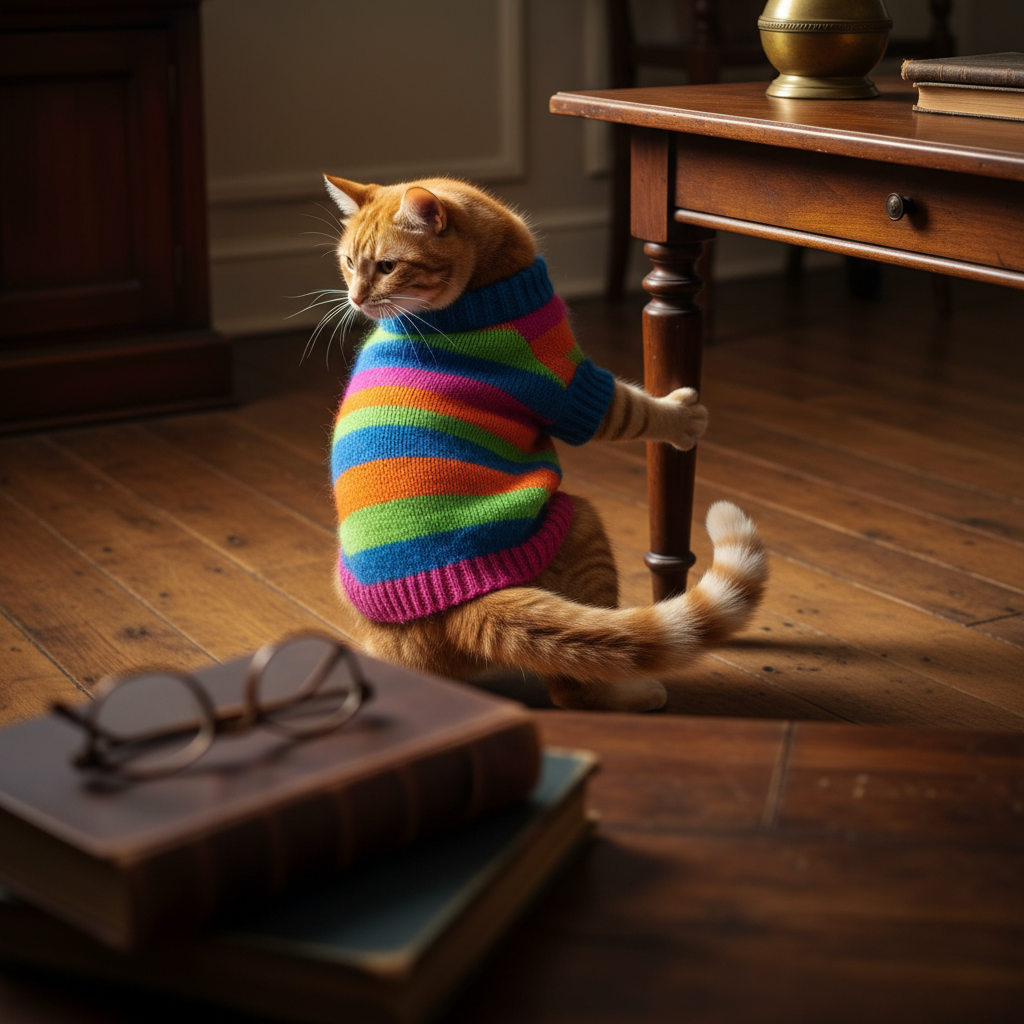
Decoding the Signs: Recognizing Distress Signals in Your Dressed-Up Pet
Our pets can’t verbally tell us they’re uncomfortable, so it’s essential to become adept at reading their body language. Subtle cues can indicate whether your pet is tolerating the outfit or genuinely suffering.
Observable Signs of Discomfort
- Flattened Ears: This is a universal sign of stress in both dogs and cats. If your pet’s ears are pinned back against their head while wearing an outfit, it’s a clear indication that they’re feeling anxious or uncomfortable.
- Tucked Tail: A tucked tail is another common sign of fear or anxiety in dogs. It suggests they’re feeling vulnerable and trying to make themselves smaller.
- Excessive Panting or Shivering: These could be signs of overheating or being too cold, respectively. Clothing can interfere with your pet’s ability to regulate their body temperature, leading to these symptoms.
- Excessive Scratching or Licking: If your pet is constantly scratching or licking at the outfit, it’s likely causing them irritation or discomfort. The fabric might be itchy, too tight, or causing friction against their skin.
- Changes in Posture or Gait: If your pet is walking stiffly, hunching over, or dragging their feet, the outfit might be restricting their movement or causing them pain.
- Changes in Vocalization: Whining, whimpering, or excessive meowing can be signs of distress. Pay attention to any unusual sounds your pet makes while wearing the outfit.
- Avoidance Behavior: If your pet tries to hide, run away, or resist being dressed, it’s a clear sign that they don’t enjoy the experience.
It’s crucial to remember that these signs can be subtle, especially at first. Don’t dismiss them as “just being dramatic.” Pay close attention to your pet’s behavior and trust your instincts. If you suspect they’re uncomfortable, remove the outfit immediately.
Case Study: The Case of the Anxious Pug
Consider the case of Penelope, a five-year-old pug. Her owner, Sarah, loved dressing her up in elaborate costumes for Halloween and other holidays. Penelope, however, exhibited several signs of distress whenever she was forced into these outfits. She would pant excessively, her ears would flatten, and she would try to wriggle out of the costume. Sarah initially dismissed these behaviors as Penelope being “stubborn” or “uncooperative.” However, after consulting with a veterinarian and a certified dog trainer, Sarah realized that Penelope was genuinely suffering from anxiety and discomfort due to the restrictive and often ill-fitting costumes.
Sarah learned that Penelope’s flat face made her particularly susceptible to overheating, and the costumes were exacerbating this problem. She also discovered that the costumes were restricting Penelope’s breathing and movement, causing her significant stress. Sarah made the difficult decision to stop dressing Penelope up, and she immediately noticed a positive change in Penelope’s behavior. Penelope became more relaxed, playful, and affectionate, and her anxiety levels decreased significantly. This case highlights the importance of prioritizing our pets’ well-being over our own desire to dress them up.
The Physical Dangers: From Skin Irritation to Restricted Movement
Beyond the psychological distress, pet clothing can also pose several physical risks. Ill-fitting garments can cause skin irritation, chafing, and even infections. Tight clothing can restrict blood flow, leading to discomfort and potential health problems. And certain materials can be toxic if ingested.
Potential Physical Problems
- Skin Irritation and Allergies: Certain fabrics, dyes, and detergents can irritate your pet’s skin, leading to itching, redness, and inflammation. Pets with sensitive skin are particularly vulnerable.
- Chafing and Pressure Sores: Tight-fitting clothing can rub against your pet’s skin, causing chafing and pressure sores, especially in areas like the armpits, groin, and neck.
- Overheating: Clothing can trap heat, making it difficult for your pet to regulate their body temperature. This is especially dangerous for breeds with short noses (brachycephalic breeds) like pugs and bulldogs, who are already prone to overheating.
- Restricted Breathing: Tight collars or necklines can restrict your pet’s breathing, especially if they have a short nose or a sensitive trachea.
- Impaired Movement: Clothing that is too long or too bulky can impede your pet’s movement, making it difficult for them to walk, run, or play. This can also increase their risk of tripping and falling.
- Ingestion of Toxic Materials: Buttons, zippers, and other embellishments can be choking hazards if ingested. Certain fabrics and dyes can also be toxic if swallowed.
- Entanglement Hazards: Loose straps, ribbons, or other dangling parts of clothing can become entangled in furniture, fences, or other objects, potentially leading to injury.
For example, imagine a long-haired cat wearing a sweater with long, dangling strings. The cat could easily get tangled in the strings while grooming, potentially choking themselves or injuring a limb. Or consider a dog wearing a costume with small, plastic buttons. The dog could chew off and swallow a button, leading to a choking hazard or intestinal blockage.
Choosing the right size and material is crucial to minimizing these risks. Always opt for clothing made from breathable, natural fabrics like cotton or linen. Avoid garments with small, detachable parts. And always supervise your pet while they’re wearing clothing to ensure they don’t get into any trouble.
Alternatives to Clothing: Showing Your Pet Love in Meaningful Ways
If dressing up your pet is off the table, how can you express your affection in ways that truly benefit their well-being? There are countless alternatives that will strengthen your bond and improve their quality of life without compromising their comfort or safety.
Enrichment Activities
- Interactive Toys: Puzzle toys, treat-dispensing toys, and other interactive toys can provide mental stimulation and prevent boredom.
- Training and Agility: Teaching your pet new tricks or participating in agility training can be a fun and rewarding experience for both of you.
- Playtime: Dedicate time each day to playing with your pet. Fetch, tug-of-war, or simply chasing a laser pointer can be great ways to burn energy and strengthen your bond.
- Grooming: Regular grooming sessions can be a relaxing and enjoyable experience for your pet. Brushing, bathing, and nail trimming can help keep them clean and healthy.
- Outdoor Adventures: Take your pet for walks, hikes, or trips to the park. Exploring new environments can be mentally stimulating and physically beneficial.
Comfort and Care
- Cozy Bedding: Provide your pet with a comfortable and supportive bed where they can rest and relax.
- Massages: Gentle massages can help relieve muscle tension and promote relaxation.
- Quality Food and Water: Ensure your pet has access to fresh, clean water and a high-quality diet that meets their nutritional needs.
- Veterinary Care: Regular checkups and preventative care can help keep your pet healthy and prevent serious health problems.
- Affection and Attention: Spend quality time with your pet, showering them with affection and attention. Cuddle on the couch, talk to them, and let them know you love them.
Ultimately, showing your pet love is about understanding their individual needs and preferences. Some pets might enjoy cuddling and being petted, while others might prefer playing fetch or going for walks. Pay attention to your pet’s body language and behavior, and tailor your interactions to their specific personality.
Consider the difference between forcing a cat into a Halloween costume versus spending an extra 15 minutes each day playing with a laser pointer. Which do you think will create a stronger, healthier bond and a happier pet? The answer is obvious.
Exceptions and Considerations: When Is Pet Clothing Acceptable?
While the overall message is to err on the side of caution when it comes to dressing up your pet, there are some situations where clothing can be beneficial or even necessary. However, these situations should always be approached with careful consideration and a focus on your pet’s comfort and safety.
Practical Purposes
- Protection from the Elements: In cold weather, a well-fitting coat or sweater can help keep short-haired or thin-skinned dogs warm. Similarly, in hot weather, a cooling vest can help prevent overheating.
- Protection from Injury: A protective bootie can help protect your pet’s paws from hot pavement, sharp objects, or snow and ice.
- Medical Conditions: Some pets require clothing to protect wounds, prevent licking, or provide support for injuries. For example, a dog recovering from surgery might need to wear a recovery suit to prevent them from licking the incision.
- Anxiety Relief: Some pets find comfort in wearing a snug-fitting vest or wrap, which can help reduce anxiety. These garments work by applying gentle, constant pressure, similar to swaddling a baby.
Important Guidelines
- Choose the Right Fit: Ensure the clothing fits properly and doesn’t restrict your pet’s movement or breathing.
- Use Breathable Materials: Opt for clothing made from breathable, natural fabrics like cotton or linen.
- Avoid Embellishments: Avoid clothing with small, detachable parts that could be choking hazards.
- Supervise Your Pet: Always supervise your pet while they’re wearing clothing to ensure they don’t get into any trouble.
- Introduce Gradually: Introduce clothing gradually, starting with short periods and rewarding your pet with treats and praise.
- Monitor for Signs of Distress: Pay close attention to your pet’s body language and behavior, and remove the clothing immediately if they show any signs of discomfort.
Even in these legitimate situations, it’s crucial to prioritize your pet’s comfort and well-being above all else. Don’t force them to wear clothing if they’re clearly uncomfortable. And always consult with your veterinarian or a certified pet professional if you have any concerns about your pet’s health or behavior.
The Power of Choice: Empowering Your Pet’s Preferences
Ultimately, the decision of whether or not to dress up your pet should be based on their individual needs and preferences, not on your own desires. By empowering your pet to make their own choices, you can build a stronger, more trusting relationship and ensure their well-being.
Offer Options
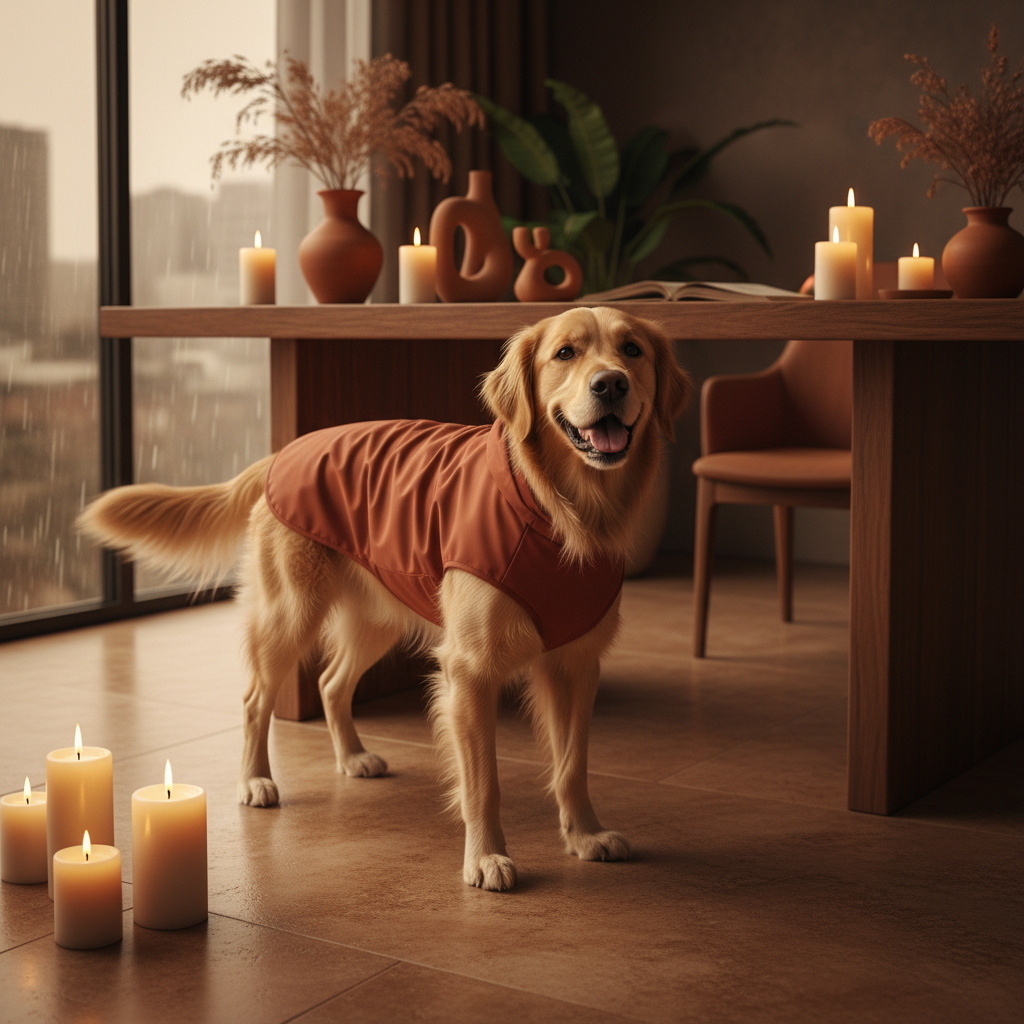
If you’re considering using clothing for practical purposes, such as protection from the cold, offer your pet a choice. Present them with two different coats or sweaters and see which one they seem more comfortable with. You can also try placing the clothing on the floor and observing whether your pet approaches it willingly or avoids it.
Observe Body Language
Pay close attention to your pet’s body language when they’re wearing clothing. Are they relaxed and comfortable, or are they showing signs of stress or discomfort? If they’re uncomfortable, remove the clothing immediately and try a different option or abandon the idea altogether.
Respect Boundaries
If your pet consistently resists being dressed or shows signs of distress when wearing clothing, respect their boundaries. Don’t force them to do something they clearly don’t enjoy. There are plenty of other ways to show them love and affection.
The Ethical Consideration
Ask yourself: Am I doing this for my pet, or for myself? Is this outfit truly enhancing their life, or am I simply projecting my own desires onto them? By being honest with yourself and prioritizing your pet’s well-being, you can make ethical and responsible choices that benefit both of you.
Remember the golden rule: Treat your pet the way you would want to be treated. Would you want to be forced into uncomfortable clothing against your will? Probably not. So why would you do that to your beloved companion?
A Final Thought: Prioritizing Well-being Over “Wow”
The world of pet fashion can be tempting, with its adorable outfits and promises of picture-perfect moments. But before you succumb to the allure of canine couture, take a moment to reflect on what truly matters: the well-being of your beloved companion. Choose to prioritize their comfort, safety, and happiness over fleeting trends and social media validation. By doing so, you’ll not only strengthen your bond but also ensure that your pet lives a happier, healthier, and more fulfilling life, free from the constraints of unnecessary and potentially harmful clothing. Ultimately, the most fashionable accessory your pet can wear is a happy and healthy demeanor, radiating from within.

Hi, my name is Robert Max, I live in the United States and I’m the creator of InTechNews. I started this blog with the goal of sharing reliable and practical information about pet care, helping pet owners provide a healthier and happier life for their animals. I’m passionate about animal well-being and believe that good information makes all the difference in responsible pet ownership.