
The Hidden Cost of Canine Couture: Are We Prioritizing Fashion Over Fido’s Feelings?
We’ve all seen them – the Chihuahuas in tiny tutus, the Labradors sporting miniature sports jerseys, the poodles preened and pom-pommed into perfectly spherical clouds of fur. Pet clothing and accessories have become a booming industry, fueled by our undeniable love for our furry companions and a seemingly insatiable desire to express that love through adorable outfits. But beneath the surface of this seemingly harmless trend lies a question that every pet owner should ask themselves: are we truly enhancing our pets’ lives, or are we merely projecting our own desires onto them, potentially at their expense?
It’s easy to fall prey to the allure of dressing up our pets. The internet is flooded with images of impeccably dressed animals, prompting us to believe that a stylish pet is a happy pet. We see the likes, the shares, the comments – the validation that comes from presenting our pets in a certain light. But are we pausing to consider what our pets are actually telling us with their body language, with their reluctance, with their subtle, yet significant, displays of discomfort?
The truth is, clothing can be a significant source of stress for many animals. Imagine being constantly confined in layers of fabric, restricted in your movement, and unable to groom yourself properly. It’s a recipe for anxiety, frustration, and even physical discomfort. So, how do we reconcile our desire to pamper our pets with their fundamental need for freedom and comfort?
The Psychological Impact: More Than Just an Itch
Beyond the immediate physical discomfort, clothing can have a profound psychological impact on our pets. Animals rely heavily on their senses to navigate the world and communicate with each other. Clothing can interfere with these senses, hindering their ability to perceive their environment and interact effectively with other animals. A dog in a bulky sweater might struggle to pick up subtle scent cues, making it difficult to assess potential threats or communicate their intentions to other dogs. A cat in a restrictive harness might feel vulnerable and exposed, leading to increased anxiety and defensive behaviors.
Consider, for example, a dog who is naturally confident and outgoing. When dressed in a costume that restricts their movement or alters their appearance, they may become hesitant and withdrawn. Other dogs may react differently to them, perceiving them as less confident or even threatening. This can lead to confusion, frustration, and a breakdown in social interactions. The dog, unable to understand the sudden shift in social dynamics, may develop anxiety or even aggression as a result.
Furthermore, some pets may associate clothing with negative experiences, such as vet visits or grooming appointments. If a pet is already anxious about these events, being dressed in clothing beforehand can exacerbate their anxiety and create a conditioned aversion to clothing in general. It’s crucial to consider the potential for negative associations and to take steps to ensure that clothing is presented in a positive and non-threatening manner.
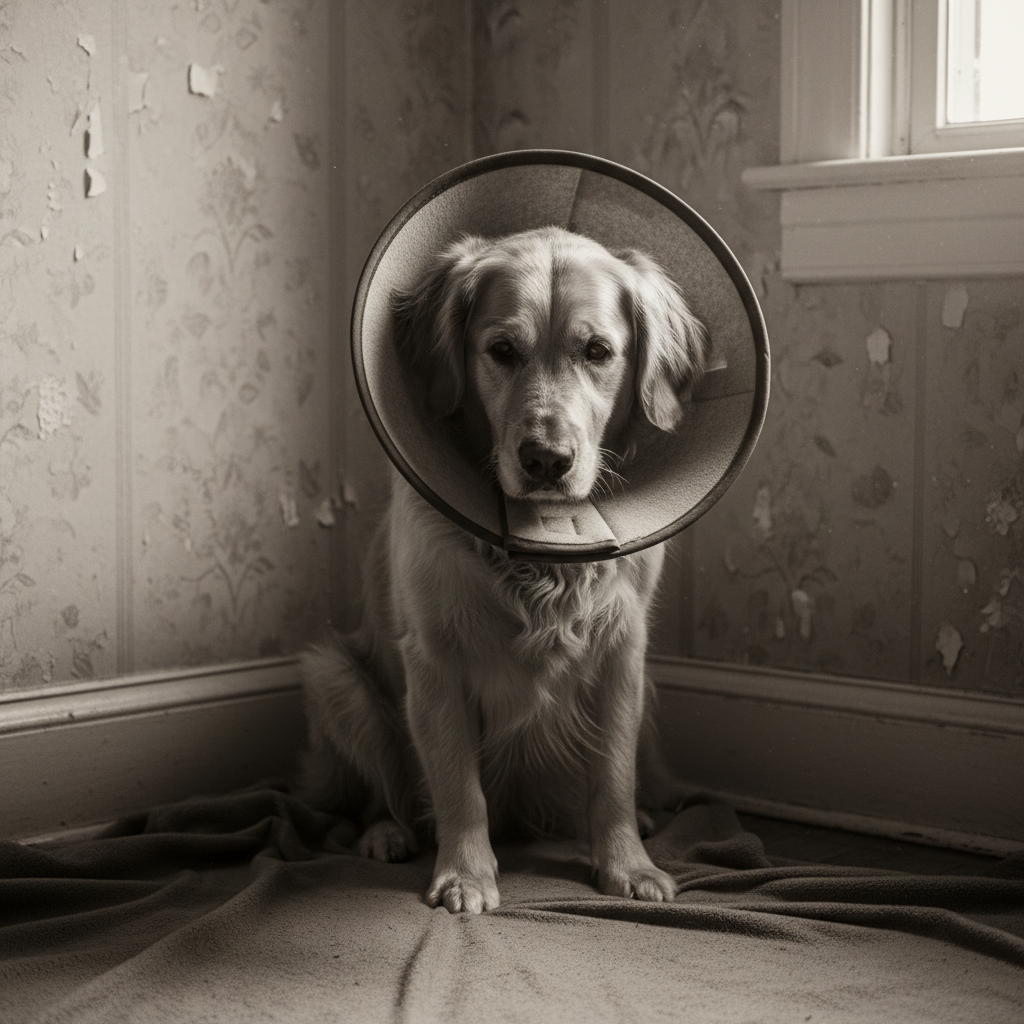
Decoding the Discomfort: Understanding Your Pet’s Body Language
The key to determining whether clothing is truly enhancing your pet’s life lies in understanding their body language. Animals are masters of nonverbal communication, and they will often signal their discomfort long before they resort to vocalizations or overt displays of resistance. It’s our responsibility as pet owners to learn to recognize these subtle cues and to respond accordingly.
Some common signs of discomfort in pets wearing clothing include:
- Flattened ears: This is often an early sign of anxiety or stress.
- Tucked tail: Indicates fear, submission, or discomfort.
- Excessive scratching or licking: May be a sign of skin irritation or anxiety.
- Panting or heavy breathing: Can indicate overheating or stress.
- Reluctance to move: The pet may be trying to avoid the restriction of the clothing.
- Changes in appetite or elimination habits: Can be a sign of underlying stress.
- Avoidance behavior: The pet may try to hide or avoid being dressed.
It’s important to note that these signs can vary depending on the individual animal and the specific clothing item. Some pets may be more stoic than others, while others may be more vocal in their displeasure. The key is to pay close attention to your pet’s overall demeanor and to look for any changes in their behavior when they are wearing clothing.
For example, a cat who normally enjoys being petted may become withdrawn and avoid contact when wearing a sweater. A dog who is usually eager to go for walks may suddenly become reluctant to leave the house when dressed in a coat. These are clear signals that the clothing is causing discomfort and should be removed immediately.
The Right Fit: Prioritizing Comfort and Safety
If you choose to dress your pet, it’s crucial to prioritize their comfort and safety above all else. This means selecting clothing that is appropriately sized, made from breathable materials, and free from any potentially hazardous embellishments. Ill-fitting clothing can restrict movement, cause chafing, and even pose a choking hazard. Materials that are not breathable can trap heat and moisture, leading to overheating and skin irritation.
When selecting clothing for your pet, consider the following factors:
- Size: Measure your pet carefully and choose clothing that is appropriately sized. Avoid clothing that is too tight or too loose.
- Material: Opt for natural, breathable materials such as cotton or linen. Avoid synthetic materials that can trap heat and moisture.
- Design: Choose clothing that is simple and functional. Avoid clothing with excessive embellishments, such as buttons, zippers, or ribbons, which can pose a choking hazard.
- Fit: Ensure that the clothing allows for a full range of motion. Your pet should be able to move freely without feeling restricted.
- Weather: Consider the weather conditions when selecting clothing for your pet. A lightweight sweater may be appropriate for a cool evening, but a heavy coat may be necessary for a cold winter day.
It’s also important to supervise your pet while they are wearing clothing, especially if it is a new item. Watch for any signs of discomfort or distress and remove the clothing immediately if necessary. Never leave your pet unattended while they are wearing clothing, as they could potentially become entangled or injured.
The Ethical Considerations: Are We Treating Pets as Accessories?
Beyond the practical considerations of comfort and safety, there are also ethical considerations to take into account when dressing our pets. Are we treating them as individuals with their own needs and preferences, or are we simply viewing them as accessories to our own self-expression? Are we respecting their dignity and autonomy, or are we reducing them to objects of amusement?
The rise of pet fashion has undoubtedly contributed to a shift in the way we perceive our pets. They are increasingly seen as extensions of our own identities, a way to project a certain image to the world. This can lead to situations where the pet’s needs are secondary to the owner’s desire for attention or validation. A pet may be forced to wear clothing that is uncomfortable or even harmful simply because the owner thinks it looks cute or trendy.
It’s crucial to remember that our pets are not dolls or mannequins. They are living beings with their own feelings, needs, and preferences. We have a moral obligation to treat them with respect and to prioritize their well-being above our own desires. This means being mindful of the potential impact of clothing on their physical and psychological health and making choices that are in their best interests, not ours.
Consider the message we send when we dress our pets in costumes that mock or exaggerate their physical characteristics. Are we reinforcing harmful stereotypes or perpetuating a culture of ridicule? Are we teaching children to respect animals or to view them as objects of amusement? These are important questions to consider as we navigate the increasingly complex world of pet fashion.
Alternatives to Apparel: Showing Love in Meaningful Ways
If you’re looking for ways to show your pet love and affection without resorting to clothing, there are countless alternatives that are far more beneficial to their well-being. Spending quality time with your pet, providing them with plenty of exercise and mental stimulation, and offering them a comfortable and loving home are all ways to enrich their lives without compromising their comfort or dignity.
Consider these alternatives to dressing your pet:
- Regular grooming: Brushing, bathing, and nail trimming are all essential for maintaining your pet’s health and hygiene. They also provide an opportunity for bonding and affection.
- Interactive play: Playing games with your pet, such as fetch or tug-of-war, is a great way to provide them with exercise and mental stimulation. It also strengthens your bond and provides them with a sense of purpose.
- Training and socialization: Enrolling your pet in training classes or exposing them to new environments and experiences can help them become well-adjusted and confident. It also provides them with opportunities to socialize with other animals and people.
- Providing a comfortable and enriching environment: Ensure that your pet has a comfortable bed, plenty of toys, and access to fresh water and food. Create a stimulating environment that encourages them to explore and play.
- Simply spending quality time together: Sometimes, the best way to show your pet love is simply to be present and attentive. Cuddle with them on the couch, take them for a walk in the park, or just spend time talking to them.
Remember, the most important thing is to show your pet that you care about them and that you are committed to their well-being. This can be achieved in countless ways, without resorting to clothing that may be uncomfortable or even harmful.
Case Studies: When Clothing Goes Wrong
Numerous anecdotal accounts and even some veterinary studies highlight the potential negative consequences of pet clothing. One common scenario involves dogs developing skin irritations and allergies due to synthetic fabrics or dyes used in clothing. The constant friction of the fabric against the skin can lead to chafing, inflammation, and even secondary infections.
Another case involves a cat who became increasingly anxious and withdrawn after being forced to wear a sweater. The cat’s owner initially thought the sweater was cute, but failed to recognize the subtle signs of distress. The cat stopped grooming itself, started hiding under furniture, and even began to exhibit aggressive behaviors towards its owner. It wasn’t until the sweater was removed that the cat’s behavior returned to normal.
In a more extreme case, a small dog nearly suffocated after getting its head stuck in the neck of a poorly designed sweater. The dog was left unattended while wearing the sweater and struggled to free itself. Fortunately, the owner returned in time to rescue the dog, but the incident served as a stark reminder of the potential dangers of pet clothing.
These case studies underscore the importance of being mindful of the potential risks associated with pet clothing and of prioritizing the animal’s well-being above all else. It’s crucial to remember that our pets cannot speak for themselves, and it’s our responsibility to be their advocates and to protect them from harm.
The Future of Pet Fashion: A Call for Conscious Consumption
As the pet fashion industry continues to grow, it’s essential to promote a more conscious and ethical approach to pet clothing. This means encouraging manufacturers to prioritize comfort, safety, and sustainability in their designs and educating consumers about the potential risks associated with pet clothing. It also means challenging the notion that pets are simply accessories and promoting a culture of respect and empathy towards animals.
One promising trend is the rise of eco-friendly and sustainable pet clothing brands. These companies are using organic materials, recycled fabrics, and ethical manufacturing practices to create clothing that is both stylish and environmentally responsible. They are also committed to donating a portion of their profits to animal welfare organizations.
Another positive development is the increasing awareness of the importance of pet body language. Veterinarians, trainers, and animal behaviorists are all working to educate pet owners about how to recognize signs of discomfort and stress in their animals. This knowledge can empower pet owners to make more informed decisions about whether or not to dress their pets and to ensure that they are always comfortable and safe.
Ultimately, the future of pet fashion depends on our willingness to prioritize the well-being of our animals above our own desires. By being mindful of the potential risks associated with pet clothing, by choosing clothing that is comfortable and safe, and by respecting our pets’ individual needs and preferences, we can ensure that they live happy, healthy, and fulfilling lives.
The next time you reach for that “cute” outfit, ask yourself: am I doing this for my pet, or for me? The answer might surprise you, and could make all the difference in your furry friend’s happiness.

Hi, my name is Robert Max, I live in the United States and I’m the creator of InTechNews. I started this blog with the goal of sharing reliable and practical information about pet care, helping pet owners provide a healthier and happier life for their animals. I’m passionate about animal well-being and believe that good information makes all the difference in responsible pet ownership.