
The Unseen Burden: How Fashion Affects Our Furry Friends
We love to pamper our pets. They’re family, after all. We buy them the best food, the comfiest beds, and, yes, sometimes even the trendiest outfits. But have you ever stopped to consider whether that adorable little sweater or that dapper bow tie is actually making your beloved companion miserable? The world of pet fashion, while seemingly harmless and often undeniably cute, can carry a hidden burden for our furry, scaled, and feathered friends. It’s a burden of discomfort, stress, and even potential health risks that we, as responsible pet owners, need to understand and address.
We project our own desires and aesthetics onto our pets, often without fully considering their unique needs and sensory experiences. What feels like a fun and fashionable accessory to us might feel like a restrictive and overwhelming constraint to them. The question then becomes: where do we draw the line between loving adornment and unintended animal cruelty?
The Psychological Toll of Pet Fashion
Beyond the physical discomfort, there’s a significant psychological impact to consider. Animals, unlike humans, don’t understand the concept of fashion or the social implications of wearing certain clothes. They don’t see the value in looking “stylish” or “cute.” Instead, they perceive clothing and accessories through the lens of their natural instincts and behaviors.
Imagine being a dog, whose primary way of exploring the world is through scent. Now imagine having your nose constantly brushing against a heavily scented collar or a decorative scarf. The overwhelming olfactory stimulation can be incredibly distracting and even anxiety-inducing. Similarly, a cat who relies on their whiskers for navigation might feel disoriented and insecure if those whiskers are constantly being bumped or restricted by a tight-fitting garment.
Case Study: A client of mine, Sarah, had a playful Golden Retriever named Buddy. Sarah loved dressing Buddy in various outfits for social media, believing she was providing him with enrichment. However, Buddy started exhibiting signs of anxiety, such as excessive panting, pacing, and even destructive behavior when Sarah brought out the costumes. After consulting with a veterinary behaviorist, Sarah realized that Buddy was actually experiencing significant stress due to the clothing, which restricted his movement and interfered with his natural ability to communicate with other dogs. Sarah stopped dressing Buddy up, and his anxiety symptoms gradually subsided.
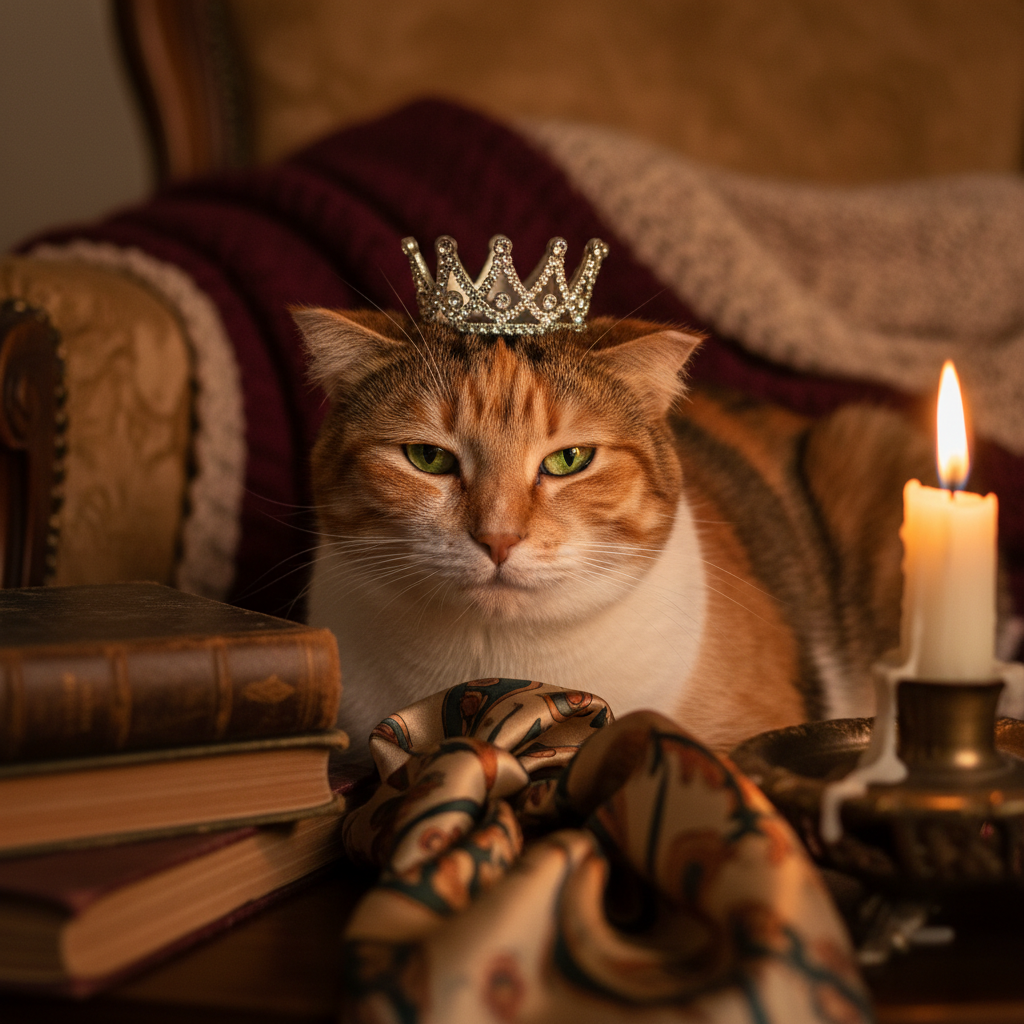
Decoding the Signals: Recognizing Stress in Your Pet
One of the biggest challenges is that pets can’t verbally tell us when they’re uncomfortable or stressed. We need to become astute observers of their body language and behavior to recognize the subtle signs of distress. Here are some key indicators to watch out for:
* **Flattened ears:** This is a common sign of anxiety or fear in both dogs and cats.
* **Tucked tail:** A dog with a tucked tail is often feeling insecure or threatened.
* **Excessive panting or drooling:** While panting is normal for dogs, excessive panting, especially in cool environments, can indicate stress.
* **Pacing or restlessness:** An inability to settle down can be a sign of anxiety.
* **Hiding or withdrawal:** If your pet suddenly starts hiding or avoiding social interaction, it could be a sign that they’re feeling overwhelmed.
* **Changes in appetite:** Stress can lead to a decrease or increase in appetite.
* **Excessive grooming:** Cats, in particular, may engage in excessive grooming as a coping mechanism for stress.
* **Aggression:** In some cases, a stressed pet may become aggressive, especially if they feel trapped or threatened.
It’s crucial to remember that these signs can also indicate underlying medical conditions. If you notice any sudden or persistent changes in your pet’s behavior, it’s always best to consult with a veterinarian to rule out any health issues.
The Physical Hazards of Pet Attire
Beyond the psychological aspects, poorly designed or ill-fitting pet clothing can pose significant physical risks. Tight collars can restrict breathing and blood flow. Garments made from non-breathable materials can lead to overheating, especially in breeds prone to heatstroke. And dangling accessories can become entanglement hazards, posing a choking risk or causing injury if snagged on furniture or other objects.
Consider the materials used in pet clothing. Synthetic fabrics like polyester may look appealing, but they can trap heat and moisture, creating a breeding ground for bacteria and potentially leading to skin irritations or infections. Natural fibers like cotton are generally more breathable, but they can also shrink or stretch, making it difficult to find a consistently good fit.
Another common issue is the use of dyes and chemicals in pet clothing. Many commercially available garments are treated with chemicals to enhance their color, durability, or wrinkle resistance. These chemicals can be irritating to sensitive skin and may even pose a health risk if ingested. It’s essential to look for clothing made from pet-safe, non-toxic materials.
Finding the Right Balance: Comfort and Functionality
So, does this mean we should completely abandon the idea of dressing up our pets? Not necessarily. There are situations where clothing can be beneficial, such as providing warmth in cold weather or protecting wounds after surgery. The key is to prioritize comfort, functionality, and safety above all else.
When choosing clothing for your pet, consider the following factors:
* **Fit:** Ensure the garment is not too tight or too loose. It should allow for a full range of motion without restricting breathing or circulation.
* **Material:** Opt for breathable, natural fabrics like cotton or linen. Avoid synthetic materials that can trap heat and moisture.
* **Design:** Choose simple designs with minimal embellishments. Avoid dangling accessories or small parts that could be a choking hazard.
* **Purpose:** Only dress your pet when there’s a clear and justifiable purpose, such as providing warmth in cold weather or protecting a wound.
* **Supervision:** Never leave your pet unattended while they’re wearing clothing. Regularly check for signs of discomfort or irritation.
Remember, less is often more. A simple, well-fitting sweater or coat is often all that’s needed to provide warmth and protection in cold weather. Avoid elaborate costumes or accessories that serve no practical purpose and may only cause discomfort or stress.
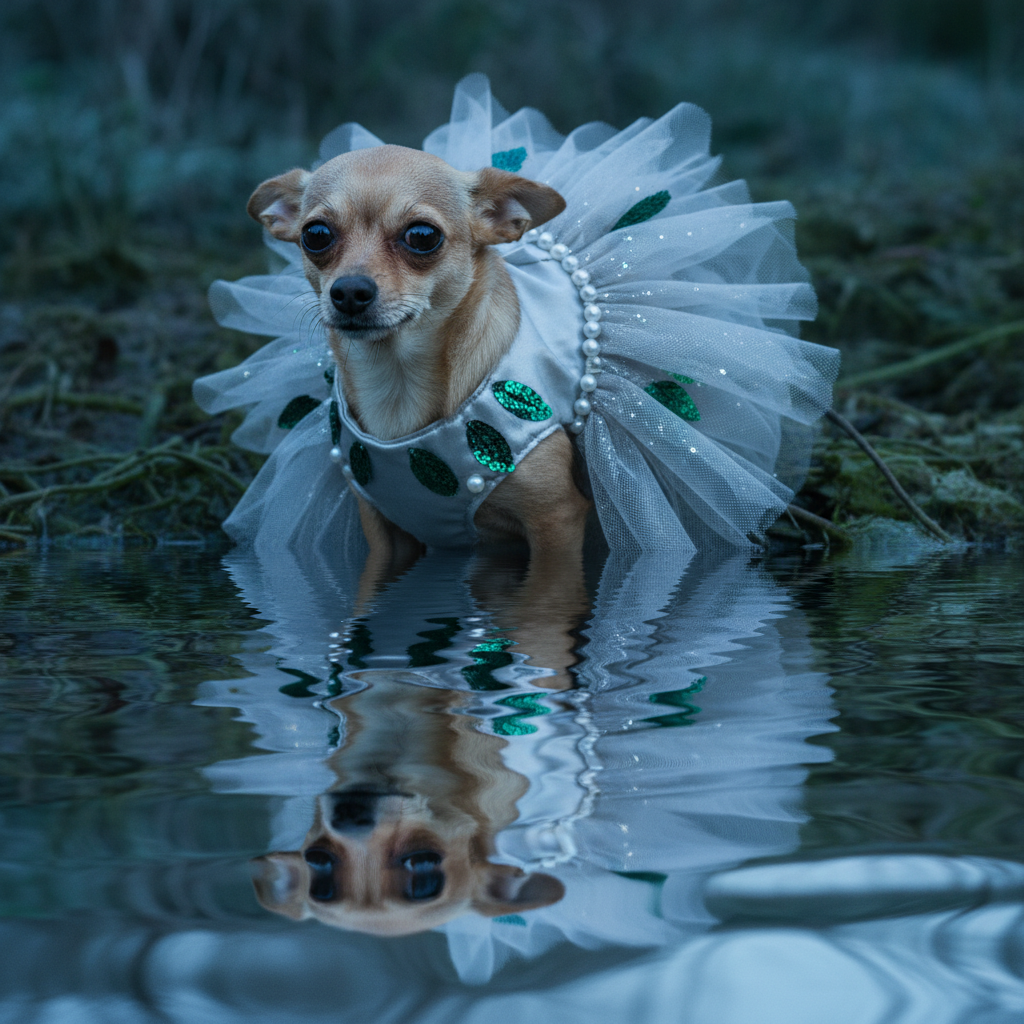
The Ethical Considerations of Pet Ownership
The issue of pet fashion raises a broader ethical question: what are our responsibilities as pet owners? Are we truly prioritizing the well-being of our animals, or are we simply projecting our own desires and insecurities onto them? It’s easy to get caught up in the latest trends and fads, but it’s important to remember that our pets are not accessories. They are living beings with their own unique needs and feelings.
Responsible pet ownership requires us to consider the impact of our choices on our animals’ physical and psychological health. It means educating ourselves about their natural behaviors and instincts and providing them with an environment that allows them to thrive. It means putting their needs first, even when it conflicts with our own desires.
Consider the trend of “designer breeds,” where dogs are selectively bred for specific physical traits, often at the expense of their health and well-being. While these dogs may look appealing, they are often prone to a range of genetic disorders and health problems. Is it ethical to perpetuate these practices simply for the sake of aesthetics?
Beyond Clothing: Alternative Ways to Enrich Your Pet’s Life
If you’re looking for ways to enrich your pet’s life, there are countless alternatives to dressing them up in fashionable attire. Focus on providing them with opportunities for physical exercise, mental stimulation, and social interaction.
For dogs, this might include daily walks, playtime in the park, or participation in dog sports like agility or obedience. For cats, this might include providing them with climbing structures, interactive toys, and opportunities for hunting and pouncing. Even small animals like rabbits and guinea pigs benefit from having plenty of space to run and explore, as well as opportunities for social interaction with other members of their species.
Training is another excellent way to bond with your pet and provide them with mental stimulation. Teaching your dog basic obedience commands or training your cat to perform tricks can be a fun and rewarding experience for both of you. It also helps to strengthen your relationship and improve communication.
Remember, the most important thing is to provide your pet with a loving and supportive environment where they feel safe, secure, and valued. That’s far more important than any fancy outfit or designer accessory.
The Role of Social Media: A Double-Edged Sword
Social media has undoubtedly played a significant role in popularizing pet fashion. Platforms like Instagram and TikTok are flooded with images and videos of pets dressed up in elaborate costumes and accessories. While these images can be entertaining, they can also create unrealistic expectations and pressure pet owners to conform to certain trends.
It’s important to remember that social media is often a curated and idealized version of reality. The pets you see online may not be as happy or comfortable as they appear. And even if they are, that doesn’t mean that your pet will enjoy the same experience. Every animal is an individual, and what works for one pet may not work for another.
Furthermore, the pursuit of online fame and validation can sometimes lead pet owners to prioritize aesthetics over their animals’ well-being. They may subject their pets to uncomfortable or even dangerous situations simply for the sake of a “cute” photo or video. It’s crucial to remember that your pet’s health and happiness should always come first, even if it means sacrificing a few likes or followers.
Instead of focusing on external validation, try to cultivate a deeper and more meaningful connection with your pet. Spend time observing their behavior, learning their preferences, and responding to their needs. That’s the true foundation of a loving and fulfilling relationship.
Looking Ahead: Towards a More Conscious Approach to Pet Ownership
The future of pet ownership should be one of greater awareness and responsibility. We need to move away from the idea of pets as accessories and towards a more holistic understanding of their needs and well-being. This means educating ourselves about their natural behaviors, providing them with appropriate care, and making choices that prioritize their health and happiness above all else.
It also means challenging the norms and expectations that are perpetuated by social media and the pet industry. We need to be critical of trends and fads that prioritize aesthetics over functionality and to advocate for more ethical and sustainable practices in the pet product market. By working together, we can create a world where all animals are treated with respect, compassion, and dignity.
Ultimately, the decision of whether or not to dress up your pet is a personal one. However, it’s a decision that should be made with careful consideration and a deep understanding of the potential consequences. By prioritizing your pet’s comfort, safety, and well-being, you can ensure that your relationship is built on a foundation of love, trust, and respect.
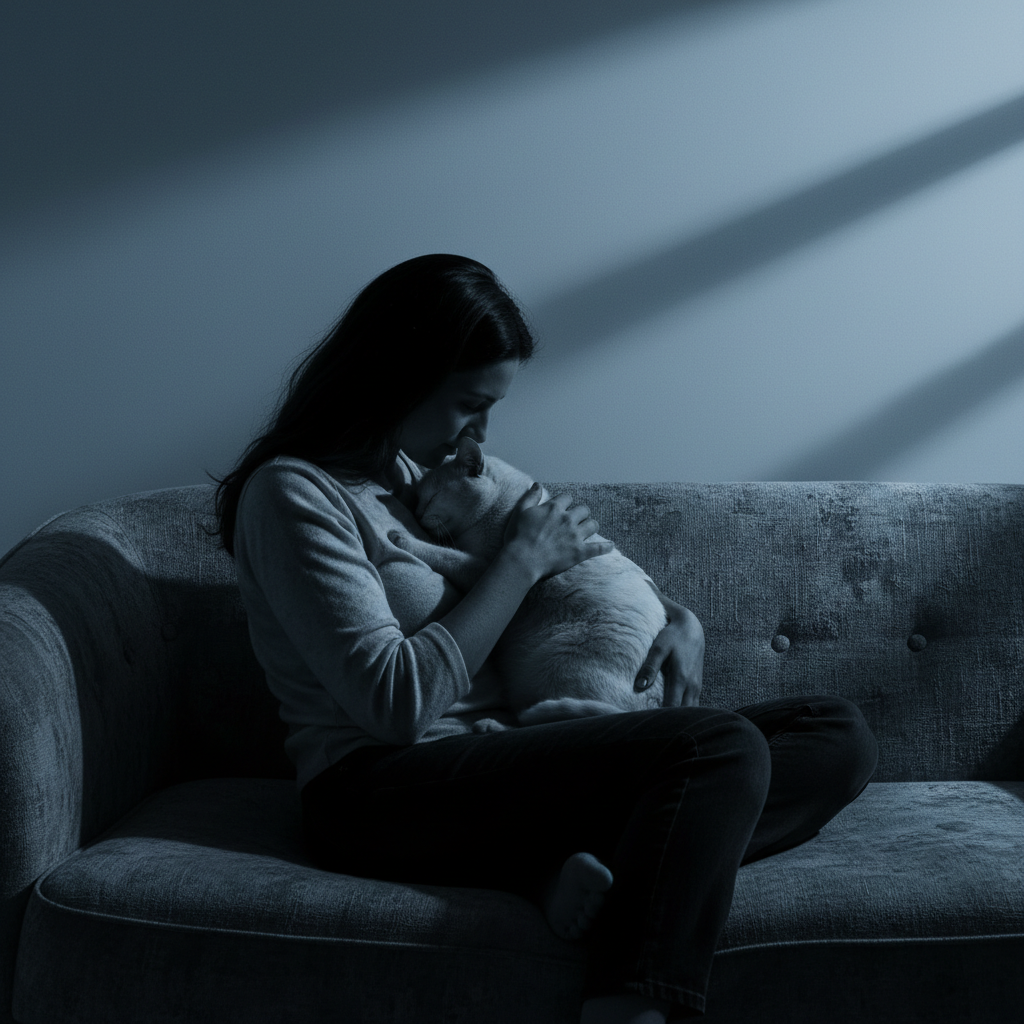
So, the next time you’re tempted to buy that adorable little outfit for your furry friend, take a moment to pause and reflect. Ask yourself: am I doing this for my pet, or am I doing it for myself? The answer to that question might just make all the difference.

Hi, my name is Robert Max, I live in the United States and I’m the creator of InTechNews. I started this blog with the goal of sharing reliable and practical information about pet care, helping pet owners provide a healthier and happier life for their animals. I’m passionate about animal well-being and believe that good information makes all the difference in responsible pet ownership.