
The Silent Killer in Your Pet’s Bowl: Are You Making This Mistake?
We all want the best for our furry companions. We shower them with love, provide cozy beds, and ensure they get plenty of exercise. But when it comes to nutrition, are we truly giving them what they need to thrive, or are we inadvertently setting them up for a lifetime of health problems? The biggest mistake most pet owners make when striving for a healthy pet isn’t a lack of love or concern; it’s a fundamental misunderstanding of what constitutes a truly species-appropriate diet.
It’s easy to be swayed by clever marketing, attractive packaging, and the seemingly endless aisles of pet food options at the local store. But behind the glossy labels and enticing promises often lies a nutritional minefield, packed with ingredients that, while technically “food,” offer little to no benefit and can even be detrimental to your pet’s long-term health.
Think about it: our pets, particularly dogs and cats, evolved on diets vastly different from the processed kibble and canned food that dominate the market today. Their bodies are designed to thrive on whole, unprocessed foods, rich in protein, healthy fats, and essential nutrients. Yet, we often feed them diets loaded with carbohydrates, fillers, and artificial additives, essentially starving them at a cellular level.
The Carbohydrate Conundrum: Are You Feeding Your Pet Candy?
One of the most pervasive and damaging mistakes is overfeeding carbohydrates. Many commercial pet foods are heavily reliant on grains like corn, wheat, and soy, as well as other starchy fillers like potatoes and peas. While these ingredients are inexpensive and provide bulk, they offer minimal nutritional value for carnivorous animals like dogs and cats.
Dogs and cats have a limited ability to digest and utilize carbohydrates efficiently. Their digestive systems are primarily geared towards processing protein and fat. When they consume excessive amounts of carbohydrates, their bodies struggle to break them down, leading to a cascade of negative consequences. This includes:
- Weight Gain and Obesity: Excess carbohydrates are converted into glucose, which, if not used for energy, is stored as fat. This can lead to weight gain and obesity, a major health crisis in pets, predisposing them to a host of other issues like diabetes, arthritis, and heart disease.
- Blood Sugar Imbalances: The rapid influx of glucose from carbohydrate digestion can cause spikes and crashes in blood sugar levels, leading to insulin resistance and eventually diabetes.
- Digestive Problems: Grains and other fillers can be difficult for pets to digest, leading to bloating, gas, diarrhea, and other digestive upsets. They can also disrupt the delicate balance of gut bacteria, paving the way for chronic inflammation and immune dysfunction.
- Allergies and Sensitivities: Many pets develop allergies or sensitivities to common grains like wheat and corn, resulting in skin problems, itching, and digestive issues.
Consider this: would you feed your child a diet consisting primarily of bread, pasta, and potatoes? Probably not. Yet, we often unknowingly subject our pets to a similar nutritional imbalance.

Beyond the Label: Decoding the Deception
Reading pet food labels can feel like deciphering a foreign language. Manufacturers often use vague and misleading terms to disguise the true nature of their ingredients. For example, “meat by-products” can include virtually any part of an animal, including organs, bones, and even feathers. “Animal digest” is a euphemism for processed animal tissues that have been chemically or enzymatically broken down. These ingredients are often of low quality and offer little nutritional value.
Furthermore, ingredient lists are ordered by weight, meaning that the first few ingredients make up the bulk of the food. Look for foods where the first few ingredients are high-quality sources of animal protein, such as meat, poultry, or fish. Be wary of foods where the first ingredient is a grain or filler.
It’s also important to pay attention to the guaranteed analysis, which provides information about the protein, fat, fiber, and moisture content of the food. However, keep in mind that this is just a minimum or maximum value, and it doesn’t tell you anything about the quality of the ingredients.
Don’t be fooled by clever marketing terms like “natural” or “holistic.” These terms are often unregulated and can be used to promote foods that are still loaded with processed ingredients and fillers.
The Power of Real Food: Embracing a Species-Appropriate Diet
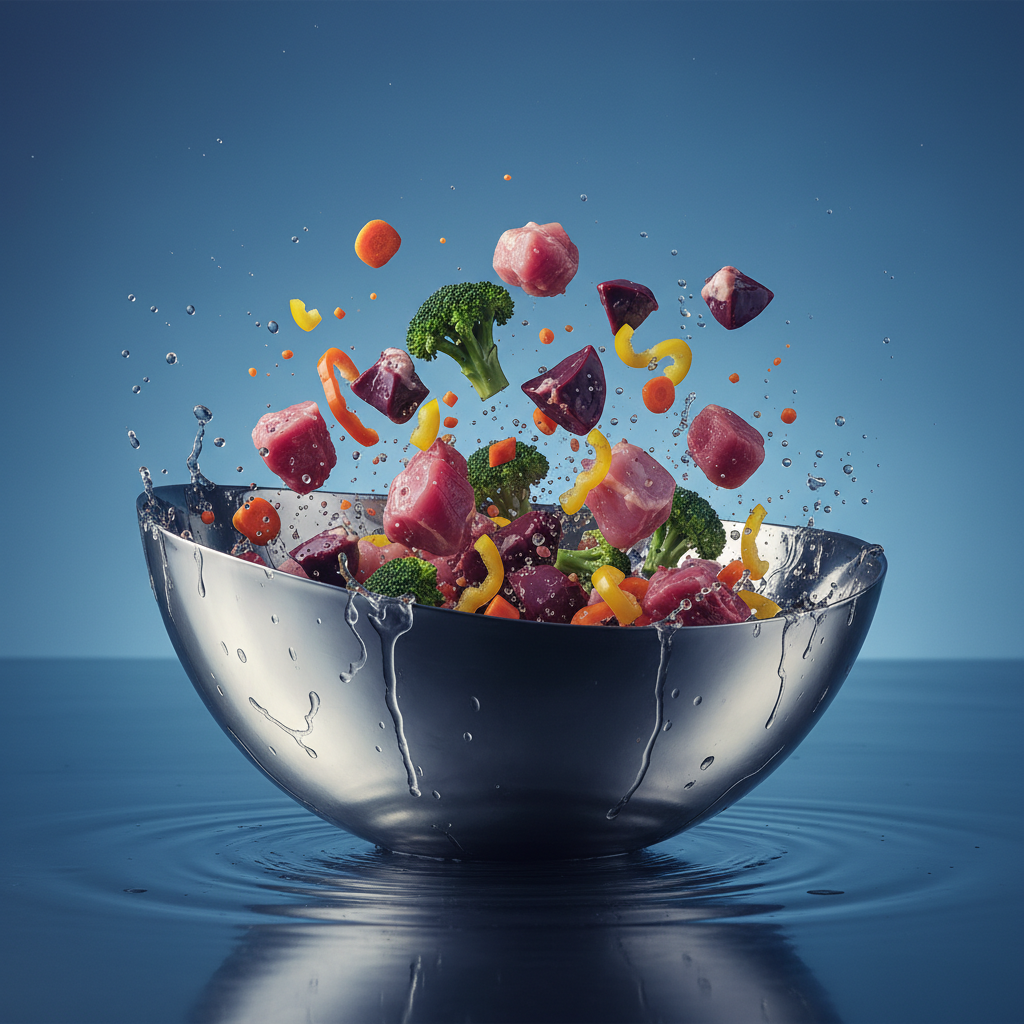
The key to unlocking optimal health for your pet lies in embracing a species-appropriate diet based on whole, unprocessed foods. This means feeding them a diet that closely mimics what their ancestors would have eaten in the wild.
For dogs and cats, this primarily consists of:
- High-Quality Animal Protein: Meat, poultry, fish, and eggs are essential for providing the amino acids they need to build and repair tissues, support immune function, and maintain overall health.
- Healthy Fats: Fats are a vital source of energy and are crucial for brain function, hormone production, and nutrient absorption. Look for healthy fats like omega-3 fatty acids from fish oil or flaxseed oil.
- Limited Carbohydrates: While a small amount of carbohydrates can be beneficial, they should not be the primary source of calories. Focus on low-glycemic vegetables like leafy greens, broccoli, and cauliflower.
- Essential Nutrients: Supplement with essential vitamins and minerals to ensure your pet is getting all the nutrients they need.
There are several ways to implement a species-appropriate diet:
- Raw Feeding: This involves feeding your pet a diet of raw meat, bones, and organs. While it can be incredibly beneficial, it requires careful planning and preparation to ensure it is nutritionally complete and safe. It’s crucial to work with a veterinarian or veterinary nutritionist experienced in raw feeding to develop a balanced and appropriate diet.
- Homemade Cooked Diet: This involves cooking your pet’s food at home using whole, unprocessed ingredients. This allows you to control exactly what your pet is eating and ensure it is nutritionally complete. Again, it’s essential to work with a veterinary nutritionist to develop a balanced recipe.
- High-Quality Commercial Food: If you choose to feed a commercial food, carefully select one that is made with high-quality ingredients and is low in carbohydrates. Look for foods that are grain-free and made with whole, unprocessed ingredients.
Remember, transitioning your pet to a new diet should be done gradually to avoid digestive upset. Start by mixing a small amount of the new food with their old food and gradually increase the amount of new food over several days or weeks.
The Long-Term Benefits: A Healthier, Happier Pet
The benefits of feeding your pet a species-appropriate diet are far-reaching and can significantly improve their quality of life. You can expect to see:
- Improved Digestion: A diet based on whole, unprocessed foods is easier for your pet to digest, leading to fewer digestive problems and better nutrient absorption.
- Increased Energy Levels: When your pet is properly nourished, they will have more energy and vitality.
- Healthier Skin and Coat: A diet rich in healthy fats and essential nutrients will promote a healthy, shiny coat and reduce skin problems.
- Stronger Immune System: Proper nutrition is essential for a strong immune system, helping your pet fight off infections and diseases.
- Weight Management: A species-appropriate diet can help your pet maintain a healthy weight, reducing their risk of obesity-related health problems.
- Reduced Risk of Chronic Diseases: By providing your pet with the nutrients they need and avoiding harmful ingredients, you can reduce their risk of developing chronic diseases like diabetes, arthritis, and heart disease.
Investing in your pet’s nutrition is an investment in their long-term health and happiness. It’s a decision that can add years to their life and improve their overall quality of life.
Beyond Food: The Holistic Approach to Pet Wellness
While nutrition is undoubtedly a cornerstone of pet health, it’s important to remember that it’s just one piece of the puzzle. A truly holistic approach to pet wellness encompasses all aspects of their lives, including exercise, mental stimulation, and regular veterinary care.
Ensure your pet gets plenty of exercise to maintain a healthy weight, strengthen their muscles and bones, and stimulate their mind. Provide them with plenty of toys and opportunities to play and interact with you. Regular veterinary checkups are essential for detecting and treating any health problems early on.
Consider also the emotional well-being of your pet. Are they getting enough attention and affection? Do they have a safe and comfortable environment? Stress can have a significant impact on your pet’s health, so it’s important to create a calm and supportive environment for them.

Case Studies: Real-Life Transformations
The transformative power of a species-appropriate diet is evident in countless real-life cases. Consider the story of Bella, a 7-year-old Labrador Retriever who suffered from chronic skin allergies and digestive problems. Despite numerous visits to the veterinarian and various medications, her condition continued to worsen. Frustrated and desperate, her owner decided to switch her to a raw food diet. Within weeks, Bella’s skin began to clear up, her digestive problems resolved, and her energy levels soared. She was like a new dog.
Or take the case of Max, a 10-year-old Persian cat who was diagnosed with diabetes. His owner, working closely with a veterinary nutritionist, transitioned him to a low-carbohydrate, high-protein diet. Within months, Max’s blood sugar levels stabilized, and he was able to come off insulin. He lived several more years, enjoying a happy and healthy life.
These are just two examples of the many ways that a species-appropriate diet can transform the health of pets. While every pet is different and may require a customized approach, the principles remain the same: feed them whole, unprocessed foods that are rich in animal protein, healthy fats, and essential nutrients, and limit their intake of carbohydrates and fillers.
Taking the First Step: Empowering Yourself with Knowledge
The journey towards a healthier pet starts with education. Arm yourself with knowledge about pet nutrition and learn how to decipher pet food labels. Talk to your veterinarian or a veterinary nutritionist about your pet’s individual needs and how to develop a species-appropriate diet that is right for them.
Don’t be afraid to question the status quo and challenge conventional wisdom. Just because a food is popular or recommended by a friend doesn’t mean it’s the best choice for your pet. Do your own research and make informed decisions based on your pet’s specific needs and your own values.
Remember, you are your pet’s advocate. You have the power to make a positive difference in their lives by providing them with the nutrition they need to thrive. By avoiding the biggest mistake – feeding them a diet that is not species-appropriate – you can unlock their full potential for health and happiness.

Ultimately, providing a healthy diet is an act of love. It’s about recognizing that our pets are unique individuals with specific nutritional needs, and taking the time to understand and meet those needs. By making informed choices and embracing a species-appropriate approach to nutrition, we can give our furry companions the gift of a long, healthy, and happy life.

Hi, my name is Robert Max, I live in the United States and I’m the creator of InTechNews. I started this blog with the goal of sharing reliable and practical information about pet care, helping pet owners provide a healthier and happier life for their animals. I’m passionate about animal well-being and believe that good information makes all the difference in responsible pet ownership.