
The “Good Pet Owner” Myth: Debunking the Perfect Image
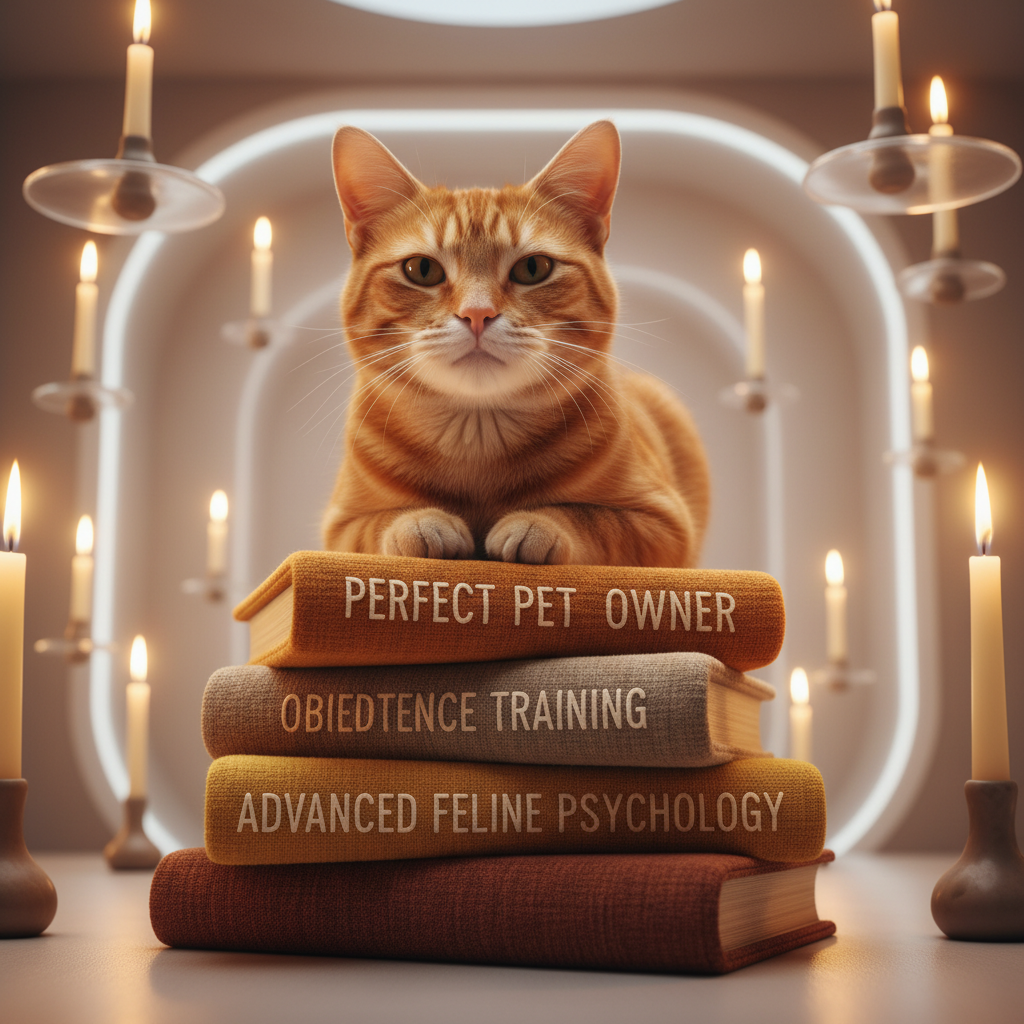
We’ve all seen them – the seemingly perfect pet owners. Their dogs are impeccably groomed, obediently heeling at their side. Their cats lounge serenely, never a hair out of place. Their social media feeds are filled with idyllic scenes of pet-human harmony, creating an image of effortless pet ownership. But what if I told you that this image, this pursuit of the “good pet owner” ideal, is often more harmful than helpful? What if the very notion of perfection in pet ownership is a myth, a construct that sets us up for failure and prevents us from truly connecting with our animals?
The truth is, the relentless pursuit of this idealized image often leads to anxiety, guilt, and a disconnect from the real joys of pet ownership. It focuses on external appearances and societal expectations rather than the unique bond we share with our animals. We become obsessed with ticking all the boxes, attending all the training classes, buying all the latest gadgets, all in the hopes of projecting an image of competence and control. But in doing so, we risk missing the messy, imperfect, and profoundly beautiful reality of living with another species.
Challenging Societal Expectations
From the moment we bring a pet into our lives, we are bombarded with messages about what it means to be a “responsible” owner. We are told to follow strict feeding schedules, enforce rigid training regimes, and maintain impeccable hygiene standards. While some of this advice is undoubtedly valuable, it often comes with an underlying pressure to conform to a narrow definition of success. We are judged by the behavior of our pets, their appearance, and even the type of food we choose to feed them. This constant scrutiny can be overwhelming, leading us to question our abilities and feel inadequate in our role as caregivers.
Think about the dog park, for example. It’s often presented as a social haven for dogs and their owners, a place where pups can frolic and humans can connect. But it can also be a breeding ground for anxiety and judgment. Owners nervously monitor their dogs’ interactions, ready to intervene at the slightest sign of conflict. They compare their dog’s behavior to that of other dogs, worrying that their own pet is too shy, too aggressive, or simply not “well-socialized” enough. The pressure to conform to dog park etiquette can be intense, turning what should be a fun outing into a stressful ordeal. This constant comparison and judgment perpetuate the myth of the “good pet owner,” creating a culture of anxiety and competition among pet lovers.
The Pitfalls of Perfectionism
The pursuit of perfection in pet ownership can also lead to a disconnect from our animals’ needs. When we are focused on achieving a certain standard, we may overlook the subtle cues that our pets are giving us. We may prioritize obedience over well-being, forcing our animals to conform to our expectations rather than responding to their individual needs. For example, a dog who is constantly punished for pulling on the leash may learn to suppress their natural instinct to explore and sniff, leading to frustration and anxiety. A cat who is forced to endure frequent baths and grooming sessions may become fearful and withdrawn, damaging the bond with their owner.
Moreover, the pressure to be a perfect pet owner can prevent us from seeking help when we need it. We may be reluctant to admit that we are struggling with a particular issue, fearing that it will be seen as a sign of incompetence. We may try to solve problems on our own, relying on inaccurate information or outdated techniques. This can not only prolong the problem but also damage our relationship with our pet. Remember, seeking help is a sign of strength, not weakness. A good pet owner is not someone who knows everything but someone who is willing to learn and adapt.
Embracing Imperfection: A More Realistic Approach
So, if the pursuit of perfection is a myth, what does it mean to be a “good” pet owner? The answer, I believe, lies in embracing imperfection. It means accepting that there will be challenges, setbacks, and moments of frustration. It means recognizing that every pet is an individual with their own unique personality, needs, and quirks. And it means focusing on building a strong, loving, and mutually respectful relationship with your animal, rather than striving for an unattainable ideal.
Understanding Your Pet’s Individual Needs
The first step in embracing imperfection is to truly understand your pet. This means taking the time to learn about their breed, their individual personality, and their specific needs. Are they a high-energy dog who needs plenty of exercise? Are they a shy cat who prefers quiet spaces? Are they prone to certain health problems? By understanding your pet’s unique characteristics, you can tailor your care to their individual needs, creating a more fulfilling and harmonious relationship.
For example, instead of trying to force a naturally independent cat to become a lap cat, you can provide them with plenty of opportunities to express their natural behaviors, such as climbing, scratching, and hunting. Instead of punishing a dog for barking, you can try to understand the underlying cause of their barking and address the issue with positive reinforcement techniques. By focusing on your pet’s individual needs, you can create a more enriching and rewarding experience for both of you.
Prioritizing the Bond Over Obedience
Another key element of embracing imperfection is to prioritize the bond with your pet over strict obedience. While training is important, it should not come at the expense of your relationship. Focus on building trust, communication, and mutual respect. Use positive reinforcement techniques, such as praise, treats, and play, to encourage desired behaviors. Avoid punishment, which can damage your relationship and lead to fear and anxiety.
Think about the joy of playing with your dog, the comfort of cuddling with your cat, or the simple pleasure of watching your fish swim. These are the moments that truly define pet ownership, not the perfectly executed sit-stay or the impeccably clean litter box. By prioritizing the bond over obedience, you can create a more meaningful and fulfilling relationship with your pet.
Forgiving Yourself and Your Pet
Finally, embracing imperfection means forgiving yourself and your pet when things go wrong. Accidents happen, mistakes are made, and sometimes, despite our best efforts, our pets will misbehave. Instead of dwelling on these failures, learn from them and move on. Remember that every pet is a work in progress, and that the journey is just as important as the destination. Forgive yourself for not being perfect, and forgive your pet for not always meeting your expectations. The ability to forgive and move forward is essential for building a strong and lasting relationship.
For example, if your dog has an accident in the house, don’t get angry or punish them. Clean it up calmly and try to identify the cause of the accident. Were they not let out frequently enough? Are they experiencing a health problem? By responding with understanding and compassion, you can prevent the accident from happening again and strengthen your bond with your dog.

Redefining “Good Pet Owner”: It’s About Connection, Not Perfection
Ultimately, being a “good” pet owner is not about achieving a certain standard of perfection. It’s about providing your pet with a loving, safe, and enriching environment. It’s about understanding their individual needs, respecting their unique personality, and building a strong and lasting bond. It’s about embracing the messy, imperfect, and profoundly beautiful reality of living with another species.
Focus on Enrichment and Stimulation
Instead of obsessing over obedience training, focus on providing your pet with plenty of enrichment and stimulation. This can include interactive toys, puzzle feeders, walks in nature, social interaction with other animals, and opportunities to engage in their natural behaviors. A bored pet is often a destructive or anxious pet, so providing them with plenty of mental and physical stimulation is essential for their well-being.
For example, you can create a scavenger hunt for your dog by hiding treats around the house. You can provide your cat with a climbing tree or a window perch to observe the world outside. You can introduce new toys or rotate existing ones to keep your pet engaged. By providing your pet with plenty of enrichment and stimulation, you can prevent boredom, reduce anxiety, and improve their overall quality of life.
Building a Strong Emotional Bond
The most important aspect of being a “good” pet owner is building a strong emotional bond with your animal. This means spending quality time together, engaging in activities that you both enjoy, and showing your pet affection. It also means being there for them when they are scared, anxious, or in pain. A strong emotional bond provides pets with a sense of security and belonging, which is essential for their well-being.
Think about the comfort your pet provides you during difficult times. They are always there to offer unconditional love and support, regardless of your mood or circumstances. In return, they deserve your love, attention, and compassion. By building a strong emotional bond with your pet, you can create a relationship that is both fulfilling and mutually beneficial.
Accepting the Imperfect Moments
Life with pets is rarely perfect. There will be accidents, messes, and moments of frustration. But it’s important to remember that these are just temporary setbacks. Don’t let them overshadow the joy and love that your pet brings to your life. Embrace the imperfect moments, learn from your mistakes, and continue to focus on building a strong and lasting relationship with your animal.
So, the next time you find yourself feeling overwhelmed by the pressure to be a “good” pet owner, take a step back and remember what truly matters: the connection you share with your animal. Focus on providing them with love, care, and enrichment, and let go of the need for perfection. Embrace the messy, imperfect, and profoundly beautiful reality of pet ownership, and you will be rewarded with a relationship that is both fulfilling and transformative. Are you ready to redefine what it means to be a “good” pet owner?

Case Studies: Real-Life Examples of Imperfectly Perfect Pet Ownership
To further illustrate the point, let’s explore some real-life examples of pet owners who have embraced imperfection and found joy in their relationships with their animals, even amidst challenges.
The Case of the Anxious Dog and the Patient Owner
Sarah adopted a rescue dog named Max who was incredibly anxious. Max would bark at strangers, cower during thunderstorms, and generally seemed terrified of the world. Sarah initially tried to force Max to conform to her expectations of a “well-behaved” dog. She enrolled him in obedience classes, tried to socialize him aggressively, and even considered giving him back to the shelter. However, she soon realized that this approach was only making Max’s anxiety worse. Sarah decided to shift her focus to understanding Max’s triggers and creating a safe and supportive environment for him. She worked with a veterinary behaviorist to develop a desensitization and counter-conditioning plan. She stopped forcing Max into stressful situations and instead focused on building his confidence through positive reinforcement. Slowly but surely, Max began to relax and trust Sarah. While he never became a “perfect” dog, he learned to manage his anxiety, and Sarah learned to appreciate his unique personality. Their bond deepened through the process, and they became inseparable companions.
The Case of the Independent Cat and the Understanding Owner
John always dreamed of having a lap cat. He adopted a kitten named Luna, expecting her to be cuddly and affectionate. However, Luna turned out to be fiercely independent and preferred to spend her time exploring and hunting. John initially felt disappointed and tried to force Luna to be more affectionate. He would pick her up and try to hold her, but she would always squirm and try to get away. Eventually, John realized that Luna simply wasn’t a lap cat, and he needed to accept her for who she was. He started to focus on providing Luna with opportunities to express her natural behaviors. He bought her a climbing tree, provided her with plenty of toys, and created a safe outdoor space for her to explore. Luna thrived in this environment, and John learned to appreciate her independence and intelligence. While she never became a lap cat, she became a beloved member of the family, and John learned that love doesn’t always look the way you expect it to.
The Case of the Senior Dog and the Compassionate Owner
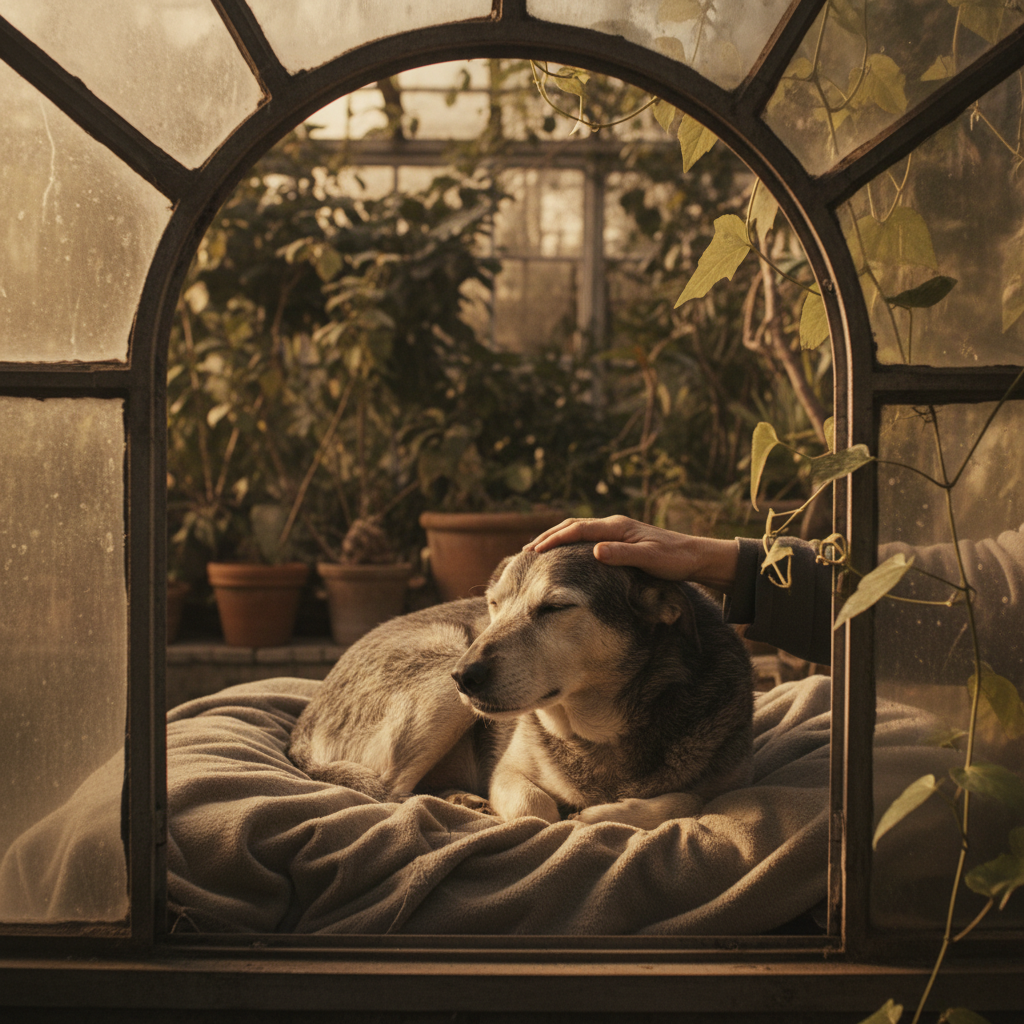
Maria had her dog, Buddy, since he was a puppy. As Buddy aged, he developed arthritis and other health problems. He became slower, less energetic, and required more care. Maria initially struggled to cope with Buddy’s decline. She missed their long walks and active playtime. She felt frustrated by his accidents and his increased need for attention. However, Maria soon realized that Buddy needed her more than ever. She adjusted their routine to accommodate his limitations. She provided him with pain medication, took him for shorter walks, and spent more time cuddling with him. She focused on making his remaining years as comfortable and enjoyable as possible. Maria learned that being a good pet owner means providing unwavering love and support, even when it’s difficult. She cherished the time she had left with Buddy, knowing that their bond would last forever.
The Lasting Impact of Embracing Imperfection
Embracing imperfection in pet ownership is not just about making our lives easier. It’s about creating a deeper, more meaningful connection with our animals. It’s about recognizing their individuality, respecting their needs, and celebrating their unique personalities. It’s about shifting our focus from external appearances to internal well-being. And it’s about learning to forgive ourselves and our pets when things go wrong.
By letting go of the pressure to be perfect, we can create a more relaxed and enjoyable environment for both ourselves and our pets. We can focus on building trust, communication, and mutual respect. We can appreciate the small moments of joy and connection that make pet ownership so rewarding. And we can create a lasting bond that will enrich our lives for years to come. So, let’s ditch the myth of the “good pet owner” and embrace the imperfectly perfect reality of living with our beloved animals. They deserve our love, acceptance, and understanding, and we deserve the joy and companionship that they bring to our lives. It’s time to redefine what it means to be a “good” pet owner, one paw print, one purr, and one imperfect moment at a time.

Hi, my name is Robert Max, I live in the United States and I’m the creator of InTechNews. I started this blog with the goal of sharing reliable and practical information about pet care, helping pet owners provide a healthier and happier life for their animals. I’m passionate about animal well-being and believe that good information makes all the difference in responsible pet ownership.