
The Unseen World of Pet Accessory Hygiene
We lavish our pets with love, attention, and the best possible care. We meticulously choose their food, ensure they get plenty of exercise, and take them for regular vet check-ups. But amidst all this diligent care, there’s a silent oversight that often goes unnoticed: the hygiene of their accessories. Think about it – their collars, leashes, beds, toys, and even their food and water bowls are in constant contact with them, harboring a hidden world of bacteria, allergens, and grime. Are we truly addressing the complete picture of pet hygiene if we neglect these seemingly insignificant details?
The common mistake isn’t malicious; it’s often a simple lack of awareness. We see a cute collar or a comfortable-looking bed and focus on the aesthetic appeal or the apparent comfort it provides. We rarely stop to consider the microscopic life thriving within the fibers, the potential health implications for our beloved companions, or the simple steps we can take to mitigate these risks. It’s time we shed light on this often-overlooked aspect of pet care and understand why maintaining the hygiene of your pet’s accessories is not just a good idea, but a necessity.
Why Accessory Hygiene Matters
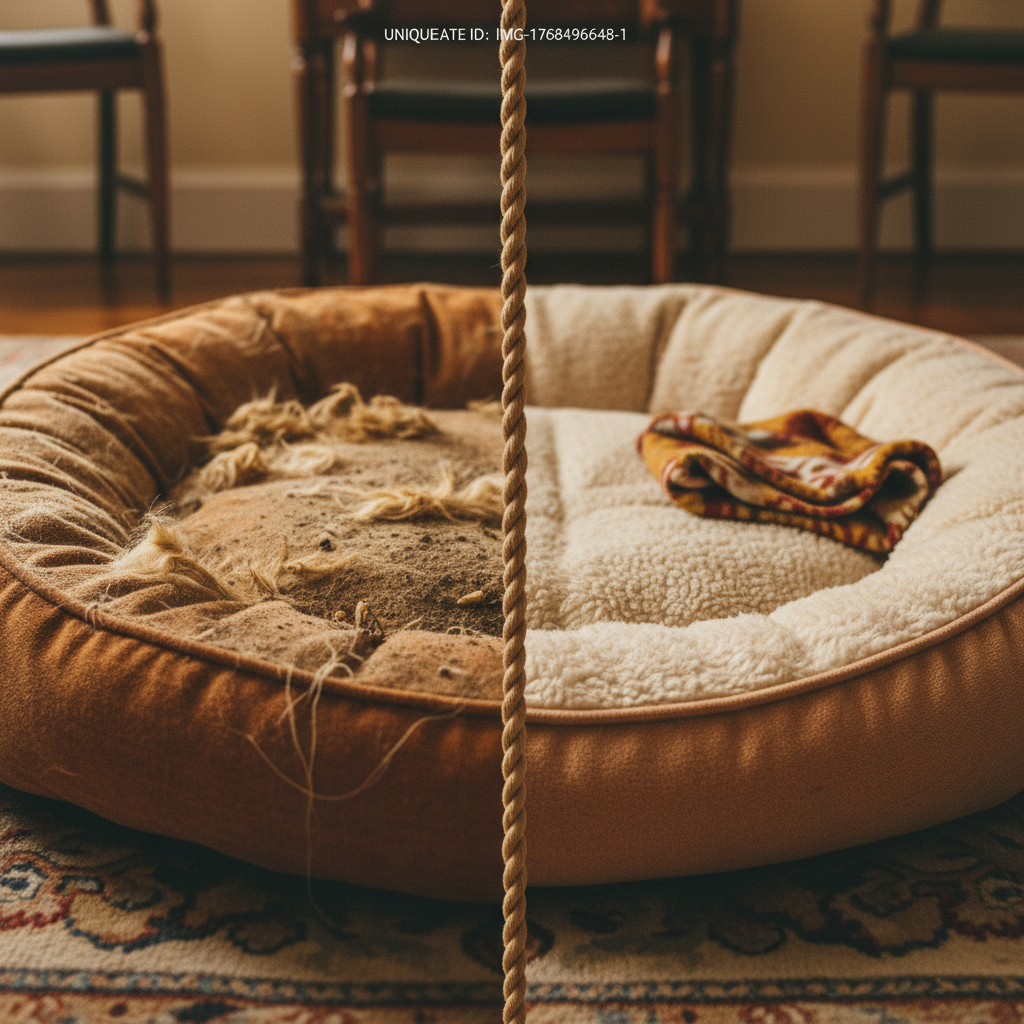
Imagine wearing the same clothes, day in and day out, without ever washing them. The accumulation of sweat, dirt, and dead skin cells would create a breeding ground for bacteria and fungi, potentially leading to skin irritations, infections, and unpleasant odors. The same principle applies to our pets’ accessories. Their collars and harnesses, constantly exposed to the elements during walks, collect dirt, pollen, and environmental pollutants. Their beds become repositories for shed fur, saliva, and microscopic organisms. Their toys, enthusiastically chewed and dragged around, accumulate bacteria from both indoor and outdoor environments.
Furthermore, consider the potential for transmission of parasites. Flea eggs and larvae can easily find refuge in bedding and carpets. Ticks can latch onto collars and harnesses during outdoor adventures. Regular cleaning and disinfection of these accessories are crucial in preventing infestations and safeguarding your pet’s health. Ignoring these potential hazards can lead to a range of problems, from minor skin irritations to more serious allergic reactions and infections, requiring costly vet visits and prolonged treatment.
Beyond the direct impact on your pet’s health, neglecting accessory hygiene can also affect your own well-being. Allergens trapped in pet bedding and furniture can trigger allergic reactions in sensitive individuals, leading to symptoms such as sneezing, coughing, and itchy eyes. Bacteria and fungi present on contaminated accessories can also pose a risk to human health, particularly for young children, elderly individuals, and those with compromised immune systems. Maintaining a clean and hygienic environment for your pet benefits everyone in the household.
Identifying the Culprits: Common Sources of Contamination
To effectively address the issue of accessory hygiene, it’s important to understand the common sources of contamination. These can be broadly categorized into environmental factors, biological factors, and behavioral factors.
Environmental Factors
Our pets are constantly exposed to a variety of environmental pollutants during their daily activities. Walks in the park, romps in the garden, and even indoor air can contribute to the accumulation of dirt, pollen, dust mites, and other allergens on their accessories. Collars and leashes, in particular, bear the brunt of this exposure, collecting grime from the ground, foliage, and even other animals they encounter. Beds and blankets can also trap dust and allergens from the air, creating a haven for microscopic irritants.
Biological Factors
Our pets themselves are a major source of contamination. They shed fur, saliva, and skin cells, all of which can accumulate on their accessories. Saliva, in particular, can harbor bacteria and fungi, especially on toys and food bowls. Skin cells can provide nourishment for dust mites, further exacerbating the problem of allergens. Parasites, such as fleas and ticks, can also find refuge in bedding and carpets, posing a direct threat to your pet’s health.
Behavioral Factors
Our pets’ behavior also plays a role in the contamination of their accessories. Chewing on toys, digging in beds, and even simply sleeping can contribute to the accumulation of dirt and grime. Some pets have a tendency to drool or vomit, further contaminating their surroundings. Understanding these behavioral factors can help you tailor your cleaning routine to address the specific needs of your pet.
For example, a dog that loves to roll in the mud will require more frequent collar and leash cleaning than a dog that prefers to stay indoors. A cat that frequently grooms itself and sheds a lot of fur will require more frequent bedding cleaning. By identifying the specific sources of contamination in your pet’s environment, you can develop a more effective and targeted hygiene plan.
Building a Hygiene Routine: Practical Steps for Clean Accessories
Establishing a consistent cleaning routine for your pet’s accessories is crucial for maintaining their health and well-being. This routine should be tailored to the specific type of accessory, the frequency of use, and your pet’s individual needs. Here are some practical steps you can incorporate into your cleaning regimen:
Collars and Leashes
Collars and leashes are among the most frequently used accessories and, consequently, are exposed to the most dirt and grime. Ideally, collars should be cleaned at least once a week, or more frequently if they become visibly dirty. Leashes should be cleaned after each walk, especially if your pet has been playing in muddy or grassy areas.
For fabric collars and leashes, use a mild detergent and warm water. Gently scrub the fabric with a soft brush or cloth, paying attention to areas that are particularly dirty. Rinse thoroughly with clean water and allow to air dry. For leather collars and leashes, use a leather cleaner and conditioner to remove dirt and maintain the leather’s suppleness. Follow the manufacturer’s instructions carefully. Avoid using harsh chemicals or abrasive cleaners, as these can damage the material and irritate your pet’s skin.
Beds and Bedding
Pet beds and bedding can accumulate a significant amount of fur, saliva, and allergens. They should be cleaned at least once a week, or more frequently if your pet sheds heavily or has allergies. Vacuum the bedding thoroughly to remove loose fur and debris. Wash the bedding in hot water with a mild detergent. If possible, tumble dry the bedding on high heat to kill any remaining bacteria or dust mites. If the bedding is not machine washable, spot clean it with a damp cloth and mild detergent.
Consider using a pet-specific laundry detergent, as these are often formulated to be gentle on your pet’s skin and free of harsh chemicals. You can also use a fabric refresher spray to help eliminate odors and freshen the bedding between washes. For pet beds with removable covers, wash the cover separately and follow the manufacturer’s instructions.
Toys
Pet toys, especially those that are frequently chewed, can harbor a significant amount of bacteria and fungi. They should be cleaned regularly, ideally every few days. Hard toys, such as plastic or rubber balls, can be washed in warm soapy water or placed in the dishwasher. Soft toys, such as plush animals, can be washed in the washing machine on a gentle cycle. Make sure to remove any squeakers or stuffing before washing, as these can become damaged in the wash.
For toys that cannot be washed, wipe them down with a damp cloth and a mild disinfectant. Be sure to rinse the toys thoroughly with clean water after disinfecting them. Avoid using harsh chemicals or abrasive cleaners, as these can be harmful to your pet. Regularly inspect toys for damage and discard any that are broken or worn out, as these can pose a choking hazard.

Food and Water Bowls
Food and water bowls are prime breeding grounds for bacteria and fungi. They should be washed daily with hot soapy water. Use a separate sponge or brush for cleaning pet bowls to avoid cross-contamination. Rinse the bowls thoroughly with clean water after washing. Avoid using harsh chemicals or abrasive cleaners, as these can be harmful to your pet.
Stainless steel bowls are generally considered the most hygienic option, as they are non-porous and easy to clean. Ceramic bowls can also be used, but they are more prone to chipping and cracking, which can create crevices where bacteria can hide. Plastic bowls are the least hygienic option, as they are porous and can harbor bacteria even after washing. If you use plastic bowls, replace them regularly to prevent the accumulation of bacteria.
Choosing the Right Cleaning Products
Selecting the appropriate cleaning products is essential for ensuring the safety and well-being of your pet. Avoid using harsh chemicals, abrasive cleaners, and products containing strong fragrances, as these can irritate your pet’s skin and respiratory system. Opt for mild, pet-friendly detergents and disinfectants that are specifically formulated for use around animals. Look for products that are labeled as “non-toxic” and “hypoallergenic.”
Consider using natural cleaning alternatives, such as vinegar and baking soda. Vinegar is a natural disinfectant and deodorizer, while baking soda is a mild abrasive that can help remove dirt and grime. You can use a solution of vinegar and water to clean hard surfaces and disinfect toys. Baking soda can be used to deodorize pet beds and carpets. Always test any cleaning product on a small, inconspicuous area before using it on a larger surface to ensure that it does not cause any discoloration or damage.
When using any cleaning product, always follow the manufacturer’s instructions carefully. Rinse all surfaces thoroughly with clean water after cleaning to remove any residue. Allow accessories to air dry completely before returning them to your pet. Store cleaning products out of reach of children and pets.
Beyond Cleaning: Proactive Measures for Long-Term Hygiene
Maintaining the hygiene of your pet’s accessories is not just about cleaning; it’s also about taking proactive measures to prevent contamination in the first place. These measures can include regular grooming, proper storage, and environmental control.
Regular Grooming
Regular grooming helps to remove loose fur, dirt, and debris from your pet’s coat, reducing the amount of contamination that ends up on their accessories. Brush your pet regularly, especially if they shed heavily. Bathe your pet as needed, using a pet-specific shampoo and conditioner. Trim your pet’s nails regularly to prevent them from scratching and damaging their accessories.
Proper Storage
Proper storage can help to prevent contamination and prolong the life of your pet’s accessories. Store collars and leashes in a clean, dry place away from direct sunlight. Store pet beds and bedding in a well-ventilated area to prevent the growth of mold and mildew. Store toys in a designated container to prevent them from spreading dirt and bacteria throughout your home.
Environmental Control
Controlling the environment in which your pet lives can also help to maintain the hygiene of their accessories. Vacuum your home regularly to remove dust, dirt, and allergens. Use an air purifier to filter out airborne pollutants. Control pests, such as fleas and ticks, to prevent infestations. Maintain a clean and hygienic litter box for your cat. By taking these proactive measures, you can create a healthier and more comfortable environment for your pet.
Case Studies: The Impact of Accessory Hygiene
To illustrate the importance of accessory hygiene, let’s examine a few case studies that highlight the potential consequences of neglecting this aspect of pet care.
Case Study 1: The Allergic Dog
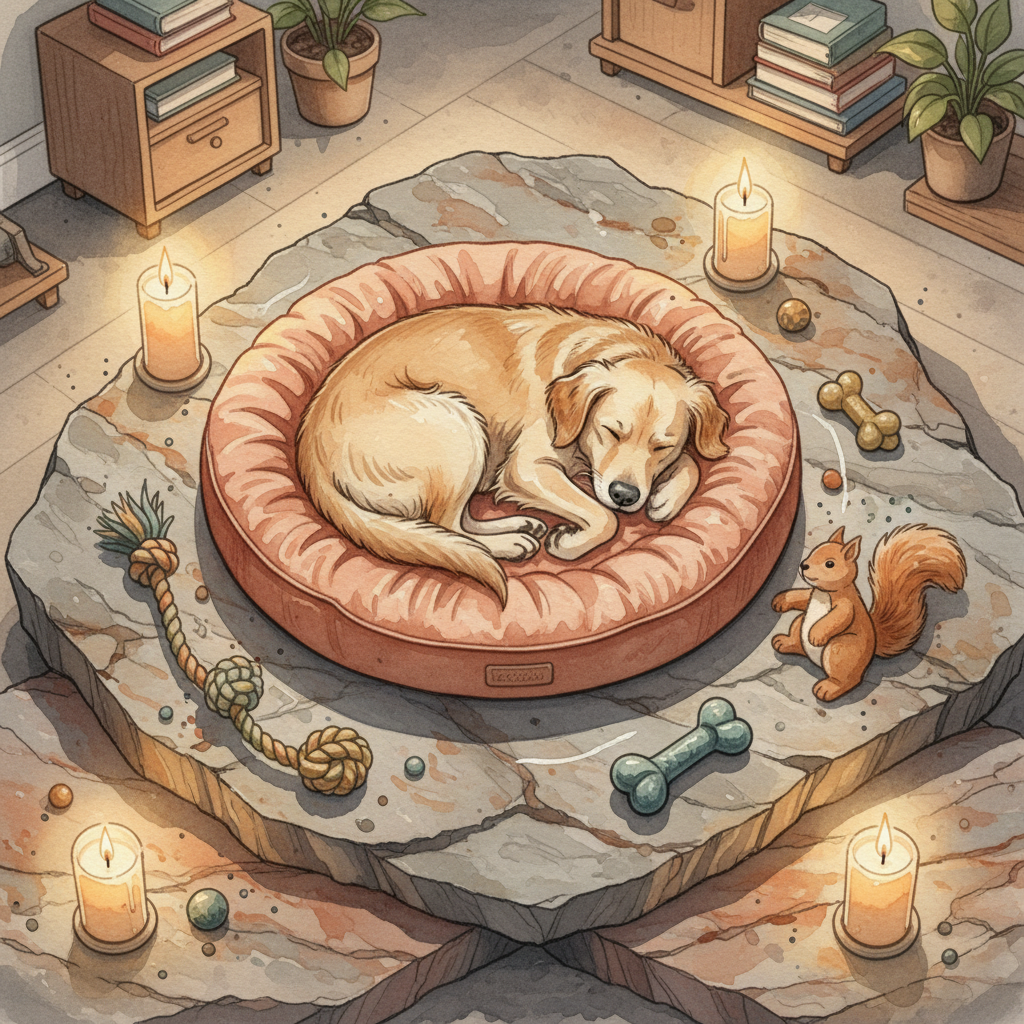
A golden retriever named Buddy suffered from chronic skin allergies. Despite regular vet visits and medication, his condition persisted. After a thorough examination of his environment, it was discovered that his bedding was heavily contaminated with dust mites and mold. Once his bedding was replaced and a strict cleaning routine was implemented, Buddy’s allergy symptoms significantly improved.
Case Study 2: The Flea-Infested Cat
A domestic shorthair cat named Luna was constantly scratching and grooming herself. Her owner noticed small black specks in her fur and suspected a flea infestation. Upon closer inspection, it was discovered that Luna’s bedding was teeming with flea eggs and larvae. After treating Luna with flea medication and thoroughly cleaning and disinfecting her bedding and carpets, the flea infestation was eradicated.
Case Study 3: The Bacteria-Laden Bowls
A young Labrador puppy named Max developed a persistent gastrointestinal infection. His vet suspected that the infection was caused by bacteria in his food and water bowls. Upon testing, it was discovered that Max’s bowls were heavily contaminated with E. coli and Salmonella bacteria. After switching to stainless steel bowls and implementing a daily cleaning routine, Max’s gastrointestinal problems resolved.
These case studies demonstrate the real-world impact of accessory hygiene on pet health. By neglecting this aspect of care, we can inadvertently expose our pets to a variety of health risks. By taking proactive measures to clean and maintain their accessories, we can significantly improve their well-being.
Conclusion: Prioritizing Your Pet’s Complete Well-being
In the grand tapestry of pet care, accessory hygiene often appears as a minor thread, easily overlooked in the face of more pressing concerns. However, as we’ve explored, this seemingly insignificant detail plays a crucial role in safeguarding your pet’s health, comfort, and overall well-being. By recognizing the potential hazards lurking within their accessories and implementing a consistent cleaning routine, you can create a cleaner, healthier, and happier environment for your beloved companion.
Don’t let the unseen world of bacteria, allergens, and grime compromise your pet’s quality of life. Take the time to assess their accessories, identify potential sources of contamination, and develop a tailored hygiene plan. Remember, a clean collar, a fresh bed, and hygienic toys are not just cosmetic improvements; they are investments in your pet’s long-term health and happiness. So, let’s make accessory hygiene a priority, ensuring that every aspect of our pet’s lives reflects the love and care they so richly deserve.

The key takeaway is that proactive and consistent effort, though it may seem tedious at times, yields significant returns in the form of a healthier and happier pet. By focusing on the details, we create a more holistic approach to pet care, one that truly encompasses their needs and contributes to a stronger bond between us and our furry friends. It’s not just about the big gestures of love, but also the small acts of care that make all the difference.

Hi, my name is Robert Max, I live in the United States and I’m the creator of InTechNews. I started this blog with the goal of sharing reliable and practical information about pet care, helping pet owners provide a healthier and happier life for their animals. I’m passionate about animal well-being and believe that good information makes all the difference in responsible pet ownership.