
The Nuances of Pet Ownership: Love vs. Obligation
Pet ownership is often portrayed as a rosy picture of unconditional love and furry cuddles. And while that certainly exists, the reality is far more nuanced. At the heart of a healthy human-animal relationship lies the intention behind the care we provide. Is it driven by a deep, genuine love for our companion animals, or is it fueled by a sense of obligation, a feeling that we *have* to, rather than *want* to? The difference, though subtle, can significantly impact the well-being of both pet and owner.
Think about it. Have you ever felt the weight of pet ownership? The early morning walks in the freezing rain, the unexpected vet bills, the constant shedding on your favorite sweater? These are the moments when the line between love and obligation blurs. How we navigate these challenges reveals the true foundation of our commitment.
The Warm Embrace of Love-Driven Care
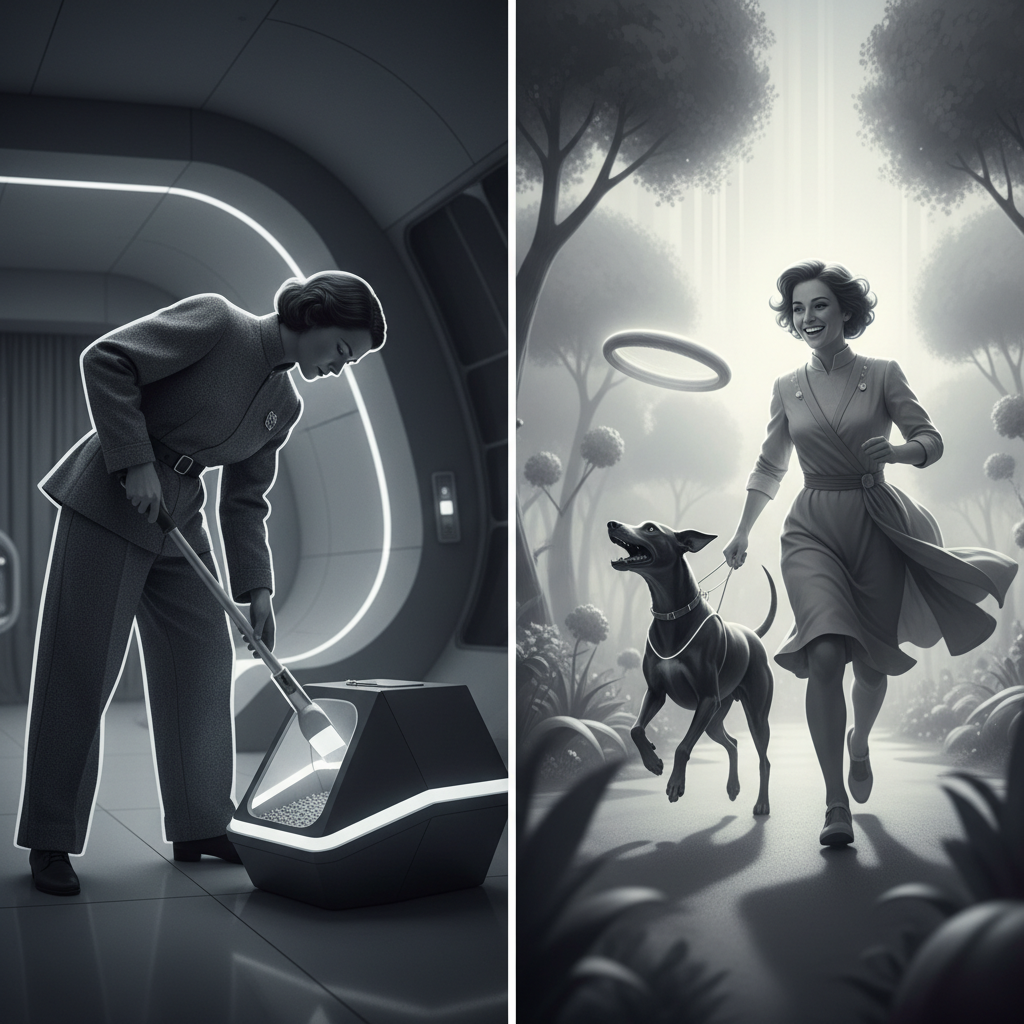
When care stems from love, every interaction becomes an opportunity for connection. The early morning walk isn’t a chore, but a chance to witness the sunrise with your furry friend. The vet bill, though daunting, is a necessary investment in their health and happiness. The shedding, well, it’s a small price to pay for the joy they bring into your life.
Love-driven care is proactive, not reactive. It’s about anticipating your pet’s needs and meeting them with enthusiasm. It’s about noticing the subtle changes in their behavior and addressing them before they escalate. It’s about creating a safe, stimulating, and enriching environment where they can thrive.
Consider Sarah, who adopted a senior cat named Whiskers from a local shelter. Whiskers had a history of neglect and was understandably wary of humans. Sarah didn’t see a burden; she saw an opportunity to heal. She showered Whiskers with patience, gentle affection, and specialized care for his age-related ailments. Slowly, Whiskers began to trust, and a deep bond formed between them. Sarah’s love transformed Whiskers’ life, proving that even the most damaged souls can blossom with the right kind of care.
This kind of love transcends the practicalities of pet ownership. It’s a conscious choice to prioritize your pet’s well-being, even when it’s inconvenient or challenging. It’s about recognizing their inherent value as a sentient being, deserving of respect, compassion, and unconditional love.
The Heavy Burden of Obligation-Based Care
On the other hand, obligation-based care can feel like a constant weight. The joy of pet ownership is overshadowed by resentment, frustration, and a sense of being trapped. The morning walk becomes a tedious task, the vet bill a financial burden, and the shedding a source of constant irritation.
This type of care is often reactive, driven by necessity rather than genuine concern. It’s about doing the bare minimum to meet your pet’s basic needs, without investing in their emotional or mental well-being. It’s about seeing them as a responsibility, rather than a companion.
Imagine Mark, who inherited his grandmother’s poodle, Fifi, after she passed away. Mark wasn’t a dog person, but he felt obligated to care for Fifi out of respect for his grandmother. He provided her with food, water, and shelter, but he rarely interacted with her beyond the essentials. Fifi spent most of her days alone, lacking the stimulation and affection she craved. Mark’s obligation-based care left Fifi feeling isolated and unfulfilled.
Obligation can stem from various sources: guilt, social pressure, or a misplaced sense of duty. Whatever the reason, it ultimately undermines the quality of the relationship between pet and owner. It creates a distance, a sense of disconnect that can lead to neglect, resentment, and even abuse.
The Impact on Your Pet’s Well-being
The type of care we provide has a profound impact on our pets’ well-being. Animals are incredibly sensitive to human emotions and can easily pick up on our underlying feelings. A pet who is cared for out of love will feel safe, secure, and loved. They will be more confident, resilient, and adaptable.
Conversely, a pet who is cared for out of obligation will sense the lack of genuine affection. They may become anxious, fearful, or withdrawn. They may develop behavioral problems as a way of expressing their distress. Chronic stress can also weaken their immune system, making them more susceptible to illness.
Consider the difference between two cats. One, Luna, lives in a home where she is showered with affection, playtime, and mental stimulation. Her owners genuinely enjoy her company and prioritize her needs. Luna is a confident, playful, and affectionate cat who thrives in her environment.
The other cat, Shadow, lives in a home where he is largely ignored. His owners provide him with food and water, but they rarely interact with him beyond the essentials. Shadow is a shy, anxious, and withdrawn cat who spends most of his time hiding under the bed. His lack of love and attention has taken a toll on his emotional well-being.
Recognizing the Signs: Are You Caring Out of Love or Obligation?
It’s not always easy to distinguish between love-driven and obligation-based care. Sometimes, we may genuinely love our pets but still struggle with the responsibilities of ownership. Other times, we may convince ourselves that we care, even when our actions suggest otherwise.
Here are some questions to ask yourself to assess your own motivations:
* Do I genuinely enjoy spending time with my pet?
* Do I look forward to our daily interactions?
* Do I prioritize my pet’s needs, even when it’s inconvenient?
* Do I feel a sense of joy and fulfillment from caring for my pet?
* Am I willing to invest time, energy, and resources in my pet’s well-being?
* Do I feel resentful or burdened by the responsibilities of pet ownership?
* Do I find myself neglecting my pet’s needs?
* Do I avoid interacting with my pet whenever possible?
* Do I feel disconnected from my pet?
* Am I considering rehoming my pet?
If you answered “yes” to most of the first five questions, you are likely caring for your pet out of love. If you answered “yes” to most of the last five questions, you may be struggling with obligation-based care.
It’s important to be honest with yourself about your feelings. Acknowledging the problem is the first step towards finding a solution.
Turning Obligation into Love: Finding Joy in Pet Ownership
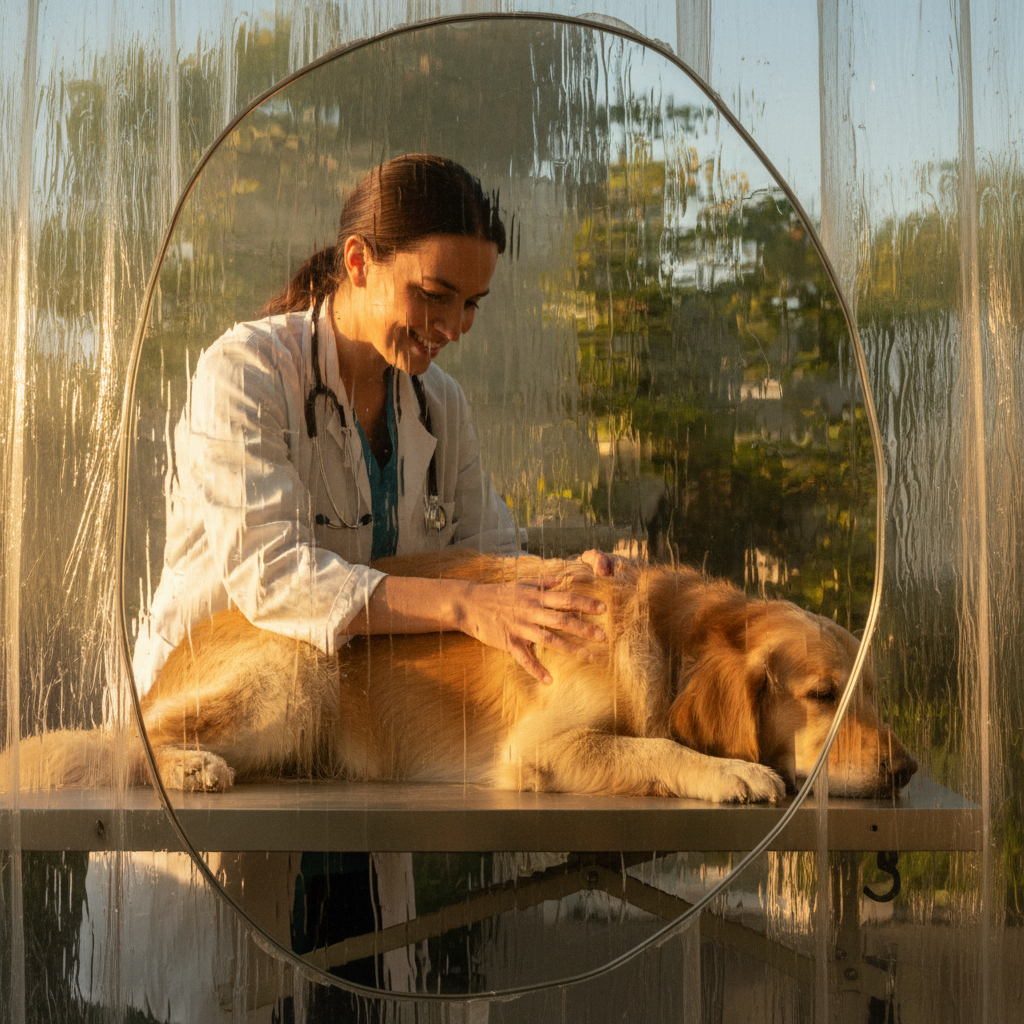
If you realize that you are primarily caring for your pet out of obligation, don’t despair. It’s possible to transform your relationship and find joy in pet ownership. Here are some strategies to try:
* **Reconnect with your pet:** Spend quality time with your pet, engaging in activities that you both enjoy. Play games, go for walks, cuddle on the couch, or simply talk to them.
* **Focus on the positives:** Instead of dwelling on the challenges of pet ownership, focus on the positive aspects. Think about the joy, companionship, and unconditional love your pet brings into your life.
* **Seek professional help:** If you are struggling to bond with your pet, consider seeking professional help from a veterinarian, animal behaviorist, or therapist. They can provide guidance and support to help you improve your relationship.
* **Practice gratitude:** Take time each day to appreciate your pet and express gratitude for their presence in your life. This can help shift your perspective and foster a more positive attitude.
* **Consider rehoming:** If you have exhausted all other options and are still unable to provide your pet with the love and care they deserve, consider rehoming them. This may be the most compassionate choice for both you and your pet.
Remember, it’s okay to admit that you are struggling. Pet ownership is a big responsibility, and it’s not for everyone. The most important thing is to prioritize your pet’s well-being and ensure that they are receiving the love and care they need to thrive.
The Ethical Considerations: Are You the Right Owner?
Beyond the emotional and practical aspects, caring for a pet is also an ethical responsibility. We bring these animals into our lives, promising to provide for their needs and protect them from harm. When we fail to uphold that promise, we are not only harming our pets but also violating their inherent rights.
Consider the case of puppy mills. These breeding facilities prioritize profit over the well-being of the animals. The dogs are often kept in cramped, unsanitary conditions, deprived of adequate food, water, and veterinary care. They are bred repeatedly until they are physically and emotionally exhausted. By purchasing a puppy from a puppy mill, we are perpetuating this cycle of abuse and neglect.
Similarly, when we acquire exotic animals as pets, we are often contributing to the destruction of their natural habitats and the exploitation of their species. These animals are often ill-suited to life in captivity and may suffer from chronic stress, malnutrition, and behavioral problems.
It’s crucial to carefully consider the ethical implications of pet ownership before bringing an animal into our lives. Are we prepared to provide them with the love, care, and resources they need to thrive? Are we supporting responsible breeding practices and protecting their welfare?

The Power of Unconditional Love: A Two-Way Street
Ultimately, the relationship between humans and animals is a two-way street. While we are responsible for providing our pets with the care they need, they also offer us invaluable gifts in return. They provide us with companionship, unconditional love, and a sense of purpose. They teach us about patience, compassion, and the importance of living in the moment.
Studies have shown that pet ownership can have numerous health benefits, including reduced stress, lower blood pressure, and increased levels of physical activity. Pets can also provide emotional support during times of grief, loss, and loneliness.
Think about the comfort a dog can provide to a child who is feeling sad or the joy a cat can bring to an elderly person living alone. These are the moments that remind us of the profound connection between humans and animals.
When we care for our pets out of love, we are not only enriching their lives but also enriching our own. We are creating a bond that transcends species and enriches our lives in countless ways.
Beyond the Cuteness: Recognizing Individual Needs
Another critical aspect of love-driven care is recognizing the individual needs of each animal. Just as humans have unique personalities and preferences, so do our pets. What works for one dog may not work for another, and what a cat enjoys might be different from what a rabbit appreciates.
This means paying close attention to your pet’s behavior, body language, and overall well-being. Are they showing signs of anxiety or stress? Are they getting enough exercise and mental stimulation? Are they eating a balanced diet?
Tailoring your care to meet your pet’s individual needs requires patience, observation, and a willingness to learn. It may involve trying different types of food, toys, or training methods until you find what works best. It may also involve consulting with a veterinarian or animal behaviorist to address any underlying health or behavioral issues.
For example, a high-energy dog like a Border Collie will need more exercise and mental stimulation than a low-energy dog like a Bulldog. A shy cat may prefer quiet, secluded spaces, while a more social cat may enjoy being around people.
By recognizing and responding to your pet’s individual needs, you are demonstrating your love and commitment to their well-being. You are creating a relationship based on mutual respect and understanding, which will strengthen your bond and enhance your lives.

The Long-Term Commitment: Beyond the Initial Excitement
Finally, it’s important to remember that pet ownership is a long-term commitment. It’s not a decision to be taken lightly, as it involves a significant investment of time, energy, and resources. The initial excitement of bringing a new pet home can quickly fade as the realities of pet ownership set in.
Are you prepared to provide your pet with love, care, and support for the rest of their lives? Are you willing to make sacrifices and adjust your lifestyle to accommodate their needs? Are you committed to providing them with a safe, enriching, and stimulating environment?
These are the questions to ask yourself before bringing a pet into your life. If you are not prepared to make a long-term commitment, it may be best to wait until you are in a better position to provide them with the care they deserve.
Pet ownership can be one of the most rewarding experiences in life, but it’s also a serious responsibility. By approaching it with love, commitment, and a genuine desire to provide for your pet’s well-being, you can create a bond that will last a lifetime. The difference between caring out of love and caring out of obligation is not just a matter of semantics; it’s a matter of ensuring a happy, healthy, and fulfilling life for both you and your beloved companion. It’s about making a conscious choice to prioritize their well-being, recognizing their inherent value, and celebrating the unique bond that you share. It’s about transforming a responsibility into a source of joy, companionship, and unconditional love. And that, ultimately, is what pet ownership is all about.

Hi, my name is Robert Max, I live in the United States and I’m the creator of InTechNews. I started this blog with the goal of sharing reliable and practical information about pet care, helping pet owners provide a healthier and happier life for their animals. I’m passionate about animal well-being and believe that good information makes all the difference in responsible pet ownership.