
Beyond the Cute Factor: Decoding Your Pet’s Discomfort
We’ve all seen them: dogs squeezed into tiny costumes, cats sporting miniature hats, and rabbits adorned with frilly collars. The internet is awash with images of pets dressed up in outfits that range from the mildly amusing to the downright ridiculous. But beneath the surface of these seemingly innocent sartorial choices lies a question that every pet owner should consider: are we prioritizing our own amusement over our animal’s well-being? It’s easy to get caught up in the “cute factor,” but what if those outfits are causing your beloved companion silent, unseen discomfort?
Think about it. When was the last time you wore something that looked great but felt awful? Maybe it was a pair of shoes that pinched your toes, a tie that felt too tight, or a dress that restricted your movement. You likely couldn’t wait to take it off. Our pets, however, don’t have that option. They rely on us to make responsible choices for them, and that includes ensuring that their clothing and accessories are comfortable, safe, and appropriate for their needs.
This isn’t just about aesthetics; it’s about understanding your pet’s unique physiology, behavior, and emotional needs. It’s about recognizing that what might seem harmless to us can be a source of stress, anxiety, or even physical harm to our furry, feathered, or scaled friends.
The Silent Language of Discomfort
Animals communicate in ways that are often subtle and easily overlooked. They may not be able to tell us outright that they’re uncomfortable, but their body language speaks volumes. Learning to decipher these cues is crucial for any pet owner who wants to ensure their animal’s well-being.
Consider these examples: a dog in a tight sweater might pant excessively, lick its lips nervously, or tuck its tail between its legs. A cat in a restrictive harness might flatten its ears, twitch its tail, or try to wriggle free. A rabbit in a costume might thump its hind feet repeatedly, a clear sign of distress. These are just a few of the many ways that animals signal their discomfort.
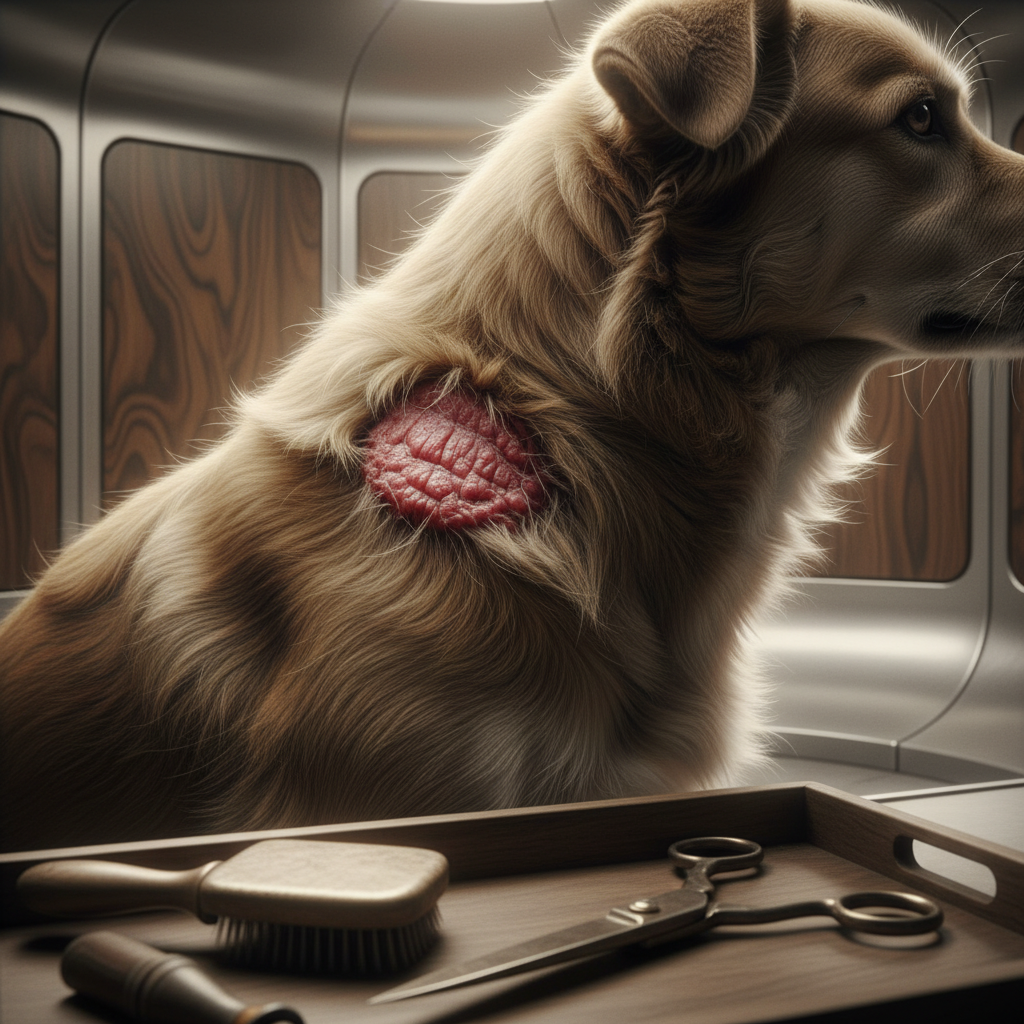
Ignoring these signals can have serious consequences. Chronic stress can weaken the immune system, making your pet more susceptible to illness. It can also lead to behavioral problems, such as aggression, anxiety, and destructive behavior. In severe cases, ill-fitting clothing or accessories can even cause physical injury, such as chafing, skin irritation, or restricted breathing.
The Psychology of Pet Clothing: Whose Needs Are Being Met?
It’s important to ask ourselves honestly why we choose to dress up our pets. Is it for their benefit, or for our own amusement? Are we projecting our own desires and expectations onto them, without considering their individual needs and preferences?
For some pet owners, dressing up their animals is a form of self-expression. They see their pets as an extension of themselves, and they enjoy showcasing their unique style and personality through their animal’s clothing. Others may dress up their pets for special occasions, such as holidays or birthday parties. Still others may believe that clothing provides warmth and protection, especially for short-haired breeds in cold climates.
While these motivations may seem harmless enough, it’s important to remember that our pets are not dolls or accessories. They are sentient beings with their own thoughts, feelings, and needs. Before you decide to dress up your pet, ask yourself:
* Is this truly necessary?
* Is this comfortable for my pet?
* Is this safe for my pet?
* Am I doing this for my pet, or for myself?
If you can’t answer “yes” to all of these questions, it’s probably best to reconsider your decision.
The Illusion of Humanization: Are We Treating Pets Like People?
One of the biggest dangers of pet clothing is that it can contribute to the illusion of humanization. We tend to project our own human characteristics and emotions onto our pets, often without realizing it. This can lead us to treat them in ways that are inappropriate or even harmful.
For example, we might assume that our pets enjoy wearing clothes simply because we enjoy wearing them. We might forget that they have different physical needs and sensitivities than we do. We might even ignore their attempts to communicate their discomfort, assuming that they’re just being stubborn or uncooperative.
It’s crucial to remember that our pets are not miniature versions of ourselves. They are animals with their own unique instincts, behaviors, and needs. While it’s natural to feel affection and empathy for them, we must avoid anthropomorphizing them to the point where we lose sight of their true nature.
The Practical Considerations: Choosing Safe and Comfortable Attire
If you do decide to dress up your pet, it’s essential to prioritize their safety and comfort above all else. Here are some practical considerations to keep in mind:
* **Choose the right size:** Clothing that is too tight can restrict movement, impede breathing, and cause chafing. Clothing that is too loose can be a tripping hazard or become entangled in objects. Always measure your pet carefully and refer to the manufacturer’s sizing chart before purchasing any clothing.
* **Select breathable fabrics:** Avoid synthetic fabrics that can trap heat and moisture, leading to overheating and skin irritation. Opt for natural, breathable fabrics like cotton, linen, or bamboo.
* **Avoid embellishments:** Buttons, zippers, and other embellishments can be choking hazards or cause skin irritation. If you must choose clothing with embellishments, make sure they are securely attached and made of non-toxic materials.
* **Consider the weather:** If you’re dressing up your pet for warmth, choose clothing that is appropriate for the weather conditions. Avoid overdressing them, as this can lead to overheating.
* **Supervise your pet:** Never leave your pet unattended while they are wearing clothing or accessories. This will allow you to monitor them for signs of discomfort and intervene if necessary.
* **Introduce clothing gradually:** Don’t force your pet to wear clothing if they are resistant. Start by letting them sniff and explore the item, then gradually introduce it over a period of days or weeks. Reward them with treats and praise for positive interactions with the clothing.

Alternatives to Clothing: Focusing on Function and Well-being
In many cases, there are alternatives to clothing that can provide the same benefits without the potential risks. For example, if you’re concerned about keeping your pet warm in cold weather, consider using a heated bed or blanket instead of dressing them in a sweater. If you’re worried about protecting their paws from harsh surfaces, try using booties instead of shoes.
The key is to focus on your pet’s individual needs and find solutions that are both functional and comfortable. Remember that their well-being should always be your top priority.
Case Studies: Learning from Real-Life Experiences
To illustrate the importance of understanding your pet’s discomfort, let’s examine a few real-life case studies:
* **Case Study 1: The Sweater Saga:** A small terrier, “Sparky,” was gifted a brightly colored sweater by his well-meaning owner. Initially, Sparky seemed indifferent, but within a few hours, he began scratching incessantly at his chest and rolling on the carpet. The owner, initially amused, soon noticed red welts on Sparky’s skin. It turned out the wool sweater was causing an allergic reaction and extreme discomfort. The lesson? Always consider fabric sensitivities and observe your pet closely for any signs of irritation.
* **Case Study 2: The Harness Hazard:** A cat named “Luna” was fitted with a harness for outdoor walks. While the owner believed it was providing safety, Luna became increasingly withdrawn and anxious. She would hide under furniture and hiss when the harness was brought out. A veterinary behaviorist determined that the harness, although properly fitted, restricted Luna’s natural movements and triggered her anxiety. The lesson? Pay attention to your pet’s emotional response and consider alternative methods if they show signs of distress.
* **Case Study 3: The Costume Catastrophe:** A family decided to dress their guinea pig, “Gus,” in a Halloween costume. Gus, usually a cheerful and active creature, became lethargic and refused to eat. His breathing became shallow and rapid. The family immediately removed the costume and rushed Gus to the veterinarian, who diagnosed him with heatstroke. The lesson? Understand the physiological limitations of your pet and avoid clothing that can impede their natural functions.
These case studies highlight the importance of observation, empathy, and a willingness to prioritize your pet’s well-being over your own desires.
The Ethical Considerations: Are We Exploiting Our Pets for Entertainment?
Beyond the practical considerations, there are also ethical questions to consider. Are we exploiting our pets for our own entertainment when we dress them up in clothing and accessories? Are we treating them with the respect and dignity that they deserve?
These are not easy questions to answer, and there is no one-size-fits-all solution. However, it’s important to be mindful of the potential impact of our actions on our pets and to strive to treat them with kindness and compassion.
Building a Deeper Connection: Understanding Your Pet’s Needs
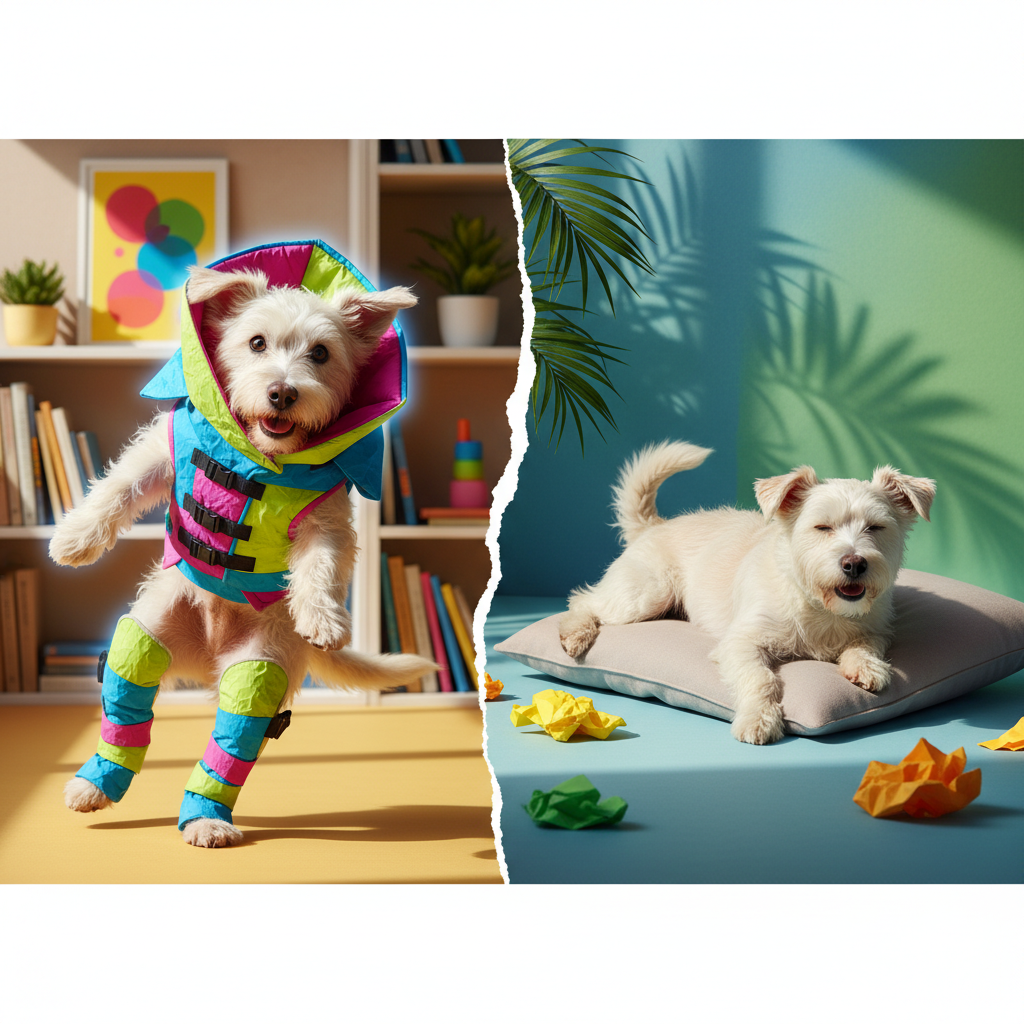
Ultimately, the key to ensuring your pet’s comfort and well-being is to build a deeper connection with them. This means taking the time to learn about their individual needs, preferences, and sensitivities. It means paying attention to their body language and responding to their cues. It means treating them with respect and dignity, and prioritizing their well-being above all else.
Here are some tips for building a stronger bond with your pet:
* **Spend quality time with them:** Set aside time each day to interact with your pet in a meaningful way. This could involve playing games, going for walks, or simply cuddling on the couch.
* **Learn their body language:** Pay attention to your pet’s posture, facial expressions, and vocalizations. This will help you understand how they’re feeling and respond to their needs.
* **Provide enrichment:** Offer your pet a variety of toys, activities, and experiences to keep them mentally and physically stimulated.
* **Respect their boundaries:** Don’t force your pet to do anything they don’t want to do. Allow them to approach you on their own terms.
* **Listen to your vet:** Your veterinarian is a valuable resource for information about your pet’s health and well-being. Follow their recommendations and consult with them if you have any concerns.
The Power of Observation: Becoming a Pet Whisperer
Becoming attuned to your pet’s subtle signals is akin to learning a new language. It requires patience, observation, and a genuine desire to understand their inner world. Start by simply observing your pet in different situations: when they’re eating, playing, sleeping, or interacting with other animals and people.
Notice their posture: Are they relaxed and confident, or tense and anxious? Observe their facial expressions: Are their eyes soft and relaxed, or wide and alert? Listen to their vocalizations: Are they purring contentedly, barking excitedly, or hissing defensively?
The more you observe your pet, the more you’ll learn to recognize their individual cues and understand what they’re trying to communicate. This will enable you to respond to their needs more effectively and build a stronger, more meaningful relationship.

The Future of Pet Fashion: A Shift Towards Functionality and Well-being
The future of pet fashion should prioritize functionality, comfort, and well-being. Instead of focusing on elaborate costumes and trendy accessories, we should be designing clothing and products that enhance our pets’ lives and meet their specific needs.
This could involve creating lightweight, breathable jackets that protect them from the elements, harnesses that provide comfortable and secure support, or even specialized clothing that helps them manage medical conditions. The possibilities are endless, but the focus should always be on improving their quality of life.
Moreover, the industry needs to shift towards sustainable and ethical practices, using eco-friendly materials and ensuring fair labor standards. Consumers should demand transparency and accountability from pet fashion brands, and support companies that prioritize the well-being of both animals and people.
Ultimately, the goal is to create a world where pet fashion is not about exploiting our animals for our own amusement, but about celebrating their unique personalities and providing them with the tools they need to thrive. It’s about moving beyond the “cute factor” and embracing a more compassionate and responsible approach to pet ownership.
By prioritizing our pets’ comfort and well-being, we can create a stronger, more meaningful bond with them and enrich their lives in countless ways. It’s a journey of understanding, empathy, and a deep commitment to their happiness. And that, ultimately, is what being a responsible and loving pet owner is all about.

Hi, my name is Robert Max, I live in the United States and I’m the creator of InTechNews. I started this blog with the goal of sharing reliable and practical information about pet care, helping pet owners provide a healthier and happier life for their animals. I’m passionate about animal well-being and believe that good information makes all the difference in responsible pet ownership.