
The Illusion of Health: Unveiling the Truth About Pet Food
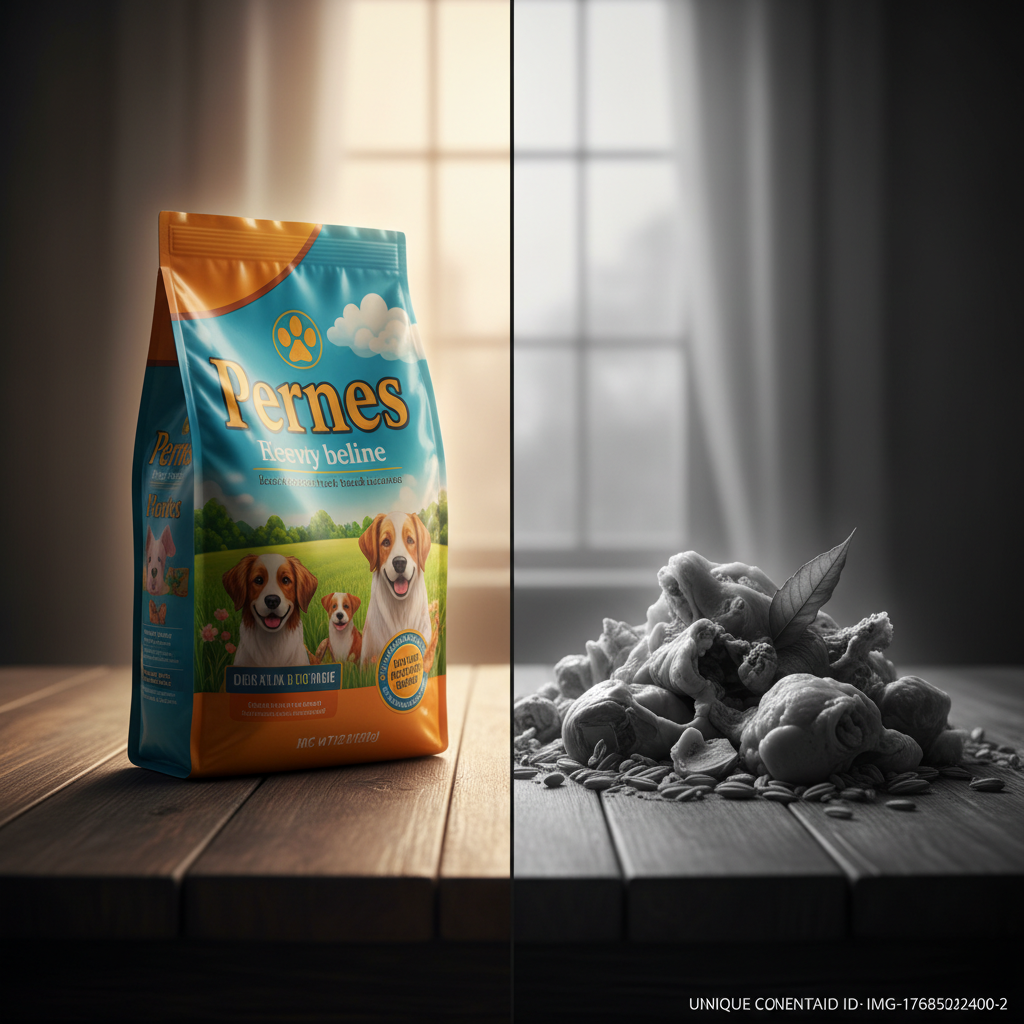
We all want the best for our beloved companions, and that starts with providing them with nutritious and wholesome food. We carefully read labels, searching for ingredients that promise vitality, energy, and a long, happy life for our furry friends. But what if the very food we trust to nourish them is not as healthy as it seems? What if the vibrant images on the packaging and the reassuring claims on the label are merely a carefully constructed illusion, masking a reality that could be detrimental to our pets’ well-being?
The pet food industry, like any other large-scale industry, is driven by profit. This doesn’t inherently mean that all pet food is bad, but it does mean that manufacturers are constantly seeking ways to reduce costs and maximize profits. This pursuit can sometimes lead to compromises in ingredient quality and manufacturing processes, ultimately impacting the nutritional value and safety of the food. So, how can we, as responsible pet owners, navigate this complex landscape and ensure that we are truly providing our pets with the nutrition they need? It starts with understanding the hidden truths and potential pitfalls that lurk behind the appealing facade of commercial pet food.
The Ingredient Deception: Decoding the Label
The first step in uncovering the truth is to scrutinize the ingredient list. While marketing often focuses on a few “star” ingredients, the real story lies in the full composition of the food.
The “Meat” Myth: Many pet foods prominently feature meat in their marketing, but the type and quality of meat can vary significantly. “Meat by-products,” for example, can include less desirable parts of the animal that are not typically consumed by humans. While these by-products can provide some nutritional value, they are often less digestible and may be lower in essential nutrients than whole muscle meat. Furthermore, the term “meat” itself can be misleading. A label might state “chicken” or “beef,” but it’s crucial to understand the source and processing methods. Is it human-grade meat, or is it derived from rendered sources? Is it fresh or frozen? These factors can significantly impact the quality and nutritional value.
The Grain Debate: Grains have long been a controversial topic in pet food. While some grains can provide valuable nutrients and fiber, others are often used as inexpensive fillers. Corn, wheat, and soy are common examples of grains that are frequently used in pet food to increase bulk and reduce costs. However, these grains can be difficult for some pets to digest and may contribute to allergies or sensitivities. The rise of “grain-free” diets has addressed these concerns, but it’s important to note that grain-free doesn’t automatically equate to healthier. Many grain-free formulas simply replace grains with other carbohydrates, such as potatoes or peas, which may not be inherently more nutritious.
The Hidden Sugars and Salts: Just like human food, pet food can also contain hidden sugars and salts. These ingredients are often added to enhance palatability and make the food more appealing to pets. However, excessive sugar can contribute to weight gain, dental problems, and even diabetes, while excessive salt can lead to dehydration and kidney issues. Be wary of ingredients like corn syrup, molasses, and dextrose, which are all forms of sugar. Similarly, watch out for ingredients like sodium chloride and monosodium glutamate (MSG), which are common sources of added salt.
The Processing Paradox: How Manufacturing Affects Nutritional Value
Even if a pet food contains high-quality ingredients, the processing methods used to manufacture it can significantly impact its nutritional value.
The Heat Factor: Many pet foods are processed using high heat, which can destroy essential vitamins, minerals, and enzymes. While some nutrients are added back in after processing, the bioavailability of these added nutrients may not be the same as those found naturally in whole foods. Furthermore, high-heat processing can also create harmful compounds, such as acrylamide, which has been linked to cancer in animals.
The Extrusion Process: Extrusion is a common method used to manufacture dry pet food. This process involves cooking the ingredients under high pressure and then forcing them through a die to create the kibble shape. While extrusion is efficient and cost-effective, it can also denature proteins and reduce the digestibility of nutrients.
The Case for Raw and Fresh Foods: In recent years, there has been a growing trend towards raw and fresh pet food diets. These diets typically consist of uncooked meat, bones, and organs, along with fruits and vegetables. Proponents of raw and fresh diets argue that they are more natural and biologically appropriate for pets, providing them with a higher concentration of nutrients and enzymes. However, raw and fresh diets also require careful planning and preparation to ensure that they are nutritionally balanced and safe from bacterial contamination.
The Regulatory Maze: Understanding Pet Food Standards
The pet food industry is regulated by various organizations, but the regulations are often less stringent than those governing human food.
AAFCO Standards: The Association of American Feed Control Officials (AAFCO) is a non-profit organization that sets standards for pet food ingredients and labeling. While AAFCO standards are widely recognized and adopted by many states, they are not legally binding. This means that pet food manufacturers are not always required to meet AAFCO standards, and enforcement can be inconsistent.
The “Complete and Balanced” Claim: One of the most common claims on pet food labels is “complete and balanced.” This claim indicates that the food meets AAFCO’s minimum nutritional requirements for a specific life stage. However, it’s important to note that these are just minimum requirements, and they may not represent the optimal level of nutrition for all pets. Furthermore, the “complete and balanced” claim is based on feeding trials, which are often conducted on a small number of animals for a relatively short period.
The Importance of Research: Given the limitations of pet food regulations, it’s crucial for pet owners to conduct their own research and make informed decisions about what to feed their pets. Look for brands that are transparent about their ingredients and manufacturing processes. Seek out independent reviews and ratings from reputable sources. Consult with your veterinarian to determine the best diet for your pet’s individual needs.

The Ethical Considerations: Beyond Nutritional Value
Choosing a pet food that is both nutritious and ethical can be a challenging but rewarding endeavor.
Sustainable Sourcing: The pet food industry can have a significant impact on the environment. Consider choosing brands that prioritize sustainable sourcing practices, such as using responsibly farmed ingredients and minimizing waste. Look for certifications like the Marine Stewardship Council (MSC) for seafood and the Rainforest Alliance for other ingredients.
Animal Welfare: The welfare of animals used in pet food production is another important ethical consideration. Look for brands that source their ingredients from farms with high animal welfare standards. Avoid brands that use ingredients from factory farms, where animals are often confined in cramped and unsanitary conditions.
Supporting Local Businesses: Choosing locally made pet food can support your local economy and reduce the environmental impact of transportation. Look for small-batch pet food companies that use fresh, locally sourced ingredients.
Case Studies: Real-Life Examples of Pet Food Issues
To illustrate the potential problems with commercial pet food, let’s examine a few real-life case studies.
The Melamine Crisis: In 2007, a major pet food recall occurred due to the contamination of ingredients with melamine, a chemical used in plastics. This contamination resulted in kidney failure and death in thousands of pets. The melamine crisis highlighted the vulnerability of the pet food supply chain and the importance of ingredient testing and quality control.
The Grain-Free DCM Link: In recent years, the FDA has been investigating a potential link between grain-free diets and dilated cardiomyopathy (DCM), a serious heart condition in dogs. While the exact cause of the link is still unknown, it is believed that certain ingredients commonly used in grain-free diets, such as peas and lentils, may interfere with taurine absorption, leading to DCM. This investigation underscores the importance of conducting thorough research and consulting with a veterinarian before switching to a grain-free diet.
The Case of the Mystery Allergies: Many pet owners struggle to identify the cause of their pets’ allergies. In some cases, the culprit may be hidden ingredients in their pet food. Common allergens include corn, wheat, soy, and artificial additives. Switching to a limited-ingredient diet with novel protein sources can often help to alleviate allergy symptoms.

Practical Solutions: Making Informed Choices for Your Pet
So, what can you do to ensure that you are feeding your pet a healthy and safe diet?
Read Labels Carefully: Pay close attention to the ingredient list and look for high-quality ingredients that are easily digestible. Avoid foods with excessive fillers, artificial additives, and hidden sugars and salts.
Consider Alternative Diets: Explore alternative diets, such as raw, fresh, or homemade pet food. However, be sure to consult with a veterinarian or veterinary nutritionist to ensure that the diet is nutritionally balanced and safe for your pet.
Rotate Food Brands: Rotating food brands can help to reduce the risk of developing allergies or sensitivities to specific ingredients. It can also provide your pet with a wider range of nutrients.
Monitor Your Pet’s Health: Pay attention to your pet’s overall health and well-being. Look for signs of allergies, digestive issues, or other health problems that may be related to their diet.
Consult with Your Veterinarian: Your veterinarian is your best resource for information about your pet’s nutritional needs. They can help you choose a diet that is appropriate for your pet’s age, breed, activity level, and health condition.
The Future of Pet Food: Towards Transparency and Sustainability
The pet food industry is constantly evolving, and there is a growing demand for more transparent and sustainable practices.
Transparency and Traceability: Consumers are increasingly demanding greater transparency about the ingredients and manufacturing processes used in pet food. Look for brands that provide detailed information about their sourcing practices and quality control measures.
Sustainable Ingredients: There is a growing interest in using more sustainable ingredients in pet food, such as insect protein and algae. These ingredients can provide a valuable source of nutrients while reducing the environmental impact of pet food production.
Personalized Nutrition: Advances in technology are making it possible to personalize pet food diets based on individual needs and preferences. This could involve using genetic testing or other diagnostic tools to determine the optimal nutrient requirements for each pet.

Ultimately, the responsibility for ensuring your pet’s health and well-being lies with you, the pet owner. By becoming a more informed and discerning consumer, you can navigate the complex world of pet food and make choices that will support your pet’s long-term health and happiness. Don’t be afraid to question what you see on the label, to research alternative options, and to consult with your veterinarian. Your pet deserves the best, and with a little effort and knowledge, you can provide them with the nutrition they need to thrive. The journey to a healthier pet starts with understanding that sometimes, the food you trust may not be as healthy as it seems. Embrace the challenge, become an advocate for your pet’s well-being, and together, you can unlock the secrets to a vibrant and fulfilling life for your beloved companion.

Hi, my name is Robert Max, I live in the United States and I’m the creator of InTechNews. I started this blog with the goal of sharing reliable and practical information about pet care, helping pet owners provide a healthier and happier life for their animals. I’m passionate about animal well-being and believe that good information makes all the difference in responsible pet ownership.