
The Ever-Evolving Toy Box: A Tale of Neglect?
We shower our beloved pets with affection, nutritious food, and comfortable beds. We meticulously research the best diets, agonize over vet appointments, and dedicate countless hours to training. But how much thought do we *really* put into their toys, beyond the initial impulse buy?
Too often, the toy box becomes a static monument to past puppyhood. A collection of squeaky creatures, tattered ropes, and well-worn balls, many of which haven’t seen the light of day in months, or even years. We assume our pets are content, perhaps even sentimental about their familiar playthings. But are we truly meeting their evolving needs, or are we simply projecting our own human emotions onto their experiences?
The truth, often overlooked, is that a dog’s needs – both physical and mental – change dramatically throughout their life. A toy that thrilled a rambunctious puppy can become utterly boring, or even physically unsuitable, for an aging senior. Ignoring this evolution is akin to feeding a teenager baby food – adequate for survival, perhaps, but hardly stimulating or satisfying. So, why do we so frequently fail to adjust the contents of their toy box to reflect their changing life stage?
Puppyhood: The Age of Exploration and Destruction
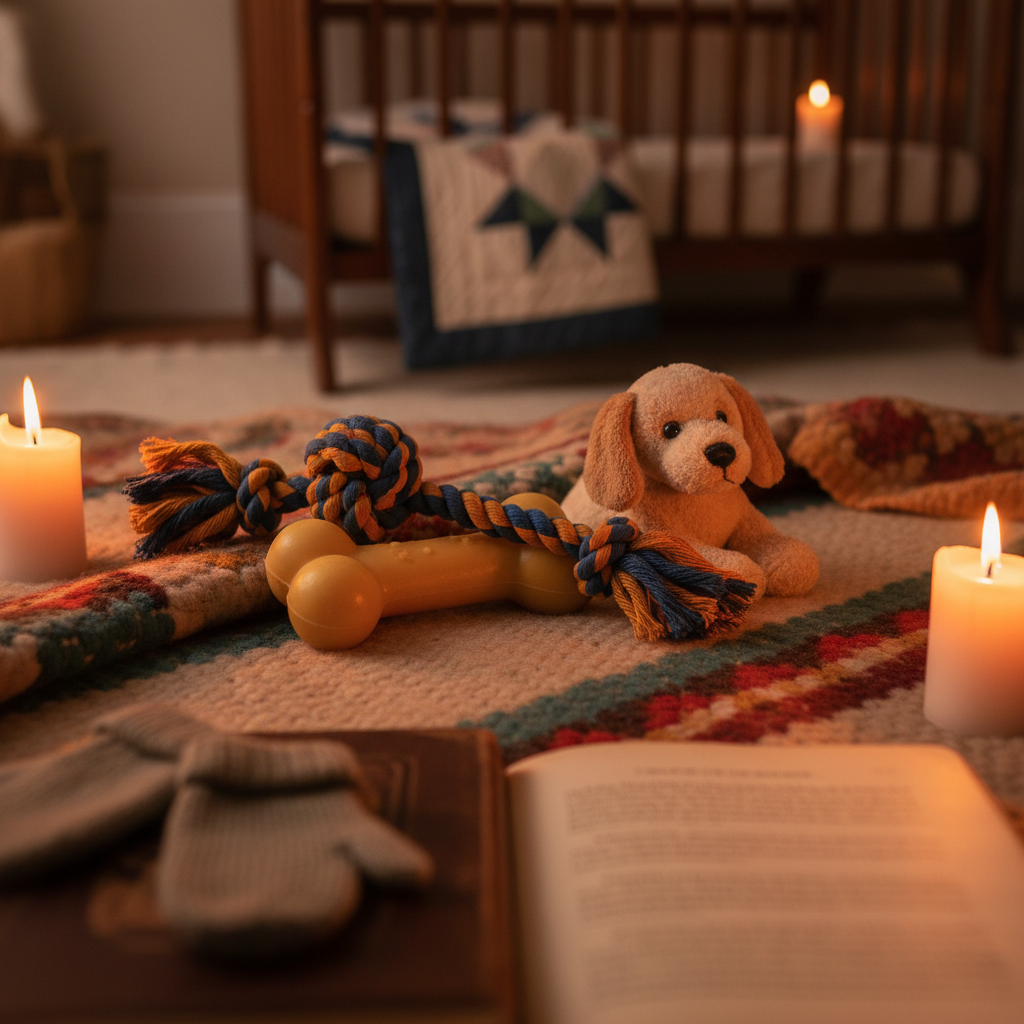
Puppyhood is a whirlwind of discovery, driven by an insatiable curiosity and an abundance of energy. Their primary mission: to explore the world through their mouths. This is the teething phase, a period of intense discomfort as their adult teeth erupt, fueling an almost compulsive need to chew. Forget sentimental value – anything and everything is fair game, from your favorite shoes to the legs of your antique furniture.
Therefore, the ideal puppy toy is one that can withstand the onslaught of sharp teeth and relentless chewing. Think durable rubber toys, sturdy rope chews, and safe, non-toxic chew toys specifically designed for teething puppies. Avoid anything small enough to be swallowed, or easily shredded into potentially dangerous pieces. Remember, your puppy isn’t just playing; they’re learning, developing their jaw muscles, and relieving discomfort. The right toys can redirect their chewing instincts away from your possessions and towards more appropriate outlets.
Beyond chew toys, puppies also benefit from interactive toys that stimulate their developing minds. Puzzle toys that require them to problem-solve to access treats can be incredibly engaging. Soft, plush toys can provide comfort and security, especially during periods of separation anxiety. The key is variety and rotation. Don’t overwhelm them with too many options at once, but regularly swap out toys to keep them interested and prevent boredom.
Consider the story of Luna, a golden retriever puppy whose owners initially provided her with a basket overflowing with plush toys. While Luna enjoyed them for a short time, she quickly lost interest and began targeting the furniture instead. After consulting with a dog trainer, the owners switched to a rotation of durable rubber toys, puzzle feeders, and a single, well-loved plush toy for bedtime. The change was remarkable. Luna’s destructive chewing subsided, and she became more engaged and mentally stimulated.
Adulthood: The Reign of Energy and Focus
As puppies transition into adulthood, their chewing habits may diminish, but their energy levels remain high. Adult dogs typically require more exercise and mental stimulation than their younger counterparts. Their play style also evolves, becoming more focused and goal-oriented. They might enjoy chasing balls, playing tug-of-war, or participating in structured training activities.
The ideal adult dog toy should cater to these evolving needs. Durable balls for fetching, sturdy tug ropes for interactive play, and puzzle toys that offer a greater challenge are all excellent choices. Consider toys that encourage their natural instincts, such as herding balls for herding breeds or scent-work toys for breeds with a strong sense of smell.
One common mistake owners make is sticking with the same toys they used during puppyhood. While some dogs may retain a sentimental attachment to certain toys, many will simply become bored with them. An adult dog needs toys that provide a greater physical and mental challenge. A small, squeaky toy that once captivated them as a puppy might now be completely uninteresting.
Take the case of Max, a border collie whose owners were puzzled by his increasing restlessness and destructive behavior. They had provided him with plenty of toys from his puppy days, but he seemed uninterested in them. After observing Max’s behavior, a canine behaviorist suggested introducing him to herding balls and agility training. Max thrived on the challenge and quickly became a much happier and well-behaved dog. His story highlights the importance of tailoring toys and activities to a dog’s breed and individual personality.
Furthermore, safety remains paramount. Regularly inspect toys for wear and tear, and discard any that are damaged or pose a choking hazard. Avoid toys with small parts that can be easily detached and swallowed. Remember, an ounce of prevention is worth a pound of cure.
Senior Years: Comfort, Gentle Engagement, and Adaptation
As our beloved companions enter their senior years, their energy levels naturally decline, and their physical limitations may increase. Arthritis, joint pain, and decreased vision and hearing can all impact their ability to play. The ideal senior dog toy should be gentle on their aging bodies and provide mental stimulation without being overly strenuous.
Soft, plush toys that offer comfort and companionship are often a good choice. Avoid toys that require a lot of running, jumping, or twisting. Instead, focus on toys that can be enjoyed during quiet cuddle sessions. Puzzle toys that are easy to manipulate and offer a low-impact mental challenge can also be beneficial.
One of the biggest mistakes owners make is continuing to provide their senior dogs with the same toys they used during their younger years. A hard rubber ball that was once perfect for fetching might now be too difficult to grip or chase. A tug rope that was once a source of playful competition might now cause joint pain. It’s crucial to adapt the toy box to reflect their changing physical abilities.
Consider the experience of Emily, whose aging Labrador, Buddy, had lost interest in his usual toys. Emily initially assumed that Buddy was simply losing his zest for life. However, after consulting with her veterinarian, she realized that Buddy’s arthritis was making it difficult for him to play with his old toys. Emily switched to softer, more comfortable toys, and introduced him to a heated dog bed. Buddy’s demeanor changed dramatically. He became more engaged and seemed to enjoy his golden years much more.
Furthermore, senior dogs often benefit from toys that stimulate their senses in gentle ways. Scented toys, soft blankets with different textures, and toys that emit soothing sounds can all provide comfort and enrichment. The key is to observe your dog’s behavior and adjust their toy selection accordingly. Are they struggling to grip a toy? Are they showing signs of pain or discomfort during play? These are all cues that it’s time to make a change.

The Mental and Emotional Toll of Inappropriate Toys
Providing age-inappropriate toys isn’t just a matter of convenience or cost; it can have a significant impact on your pet’s mental and emotional well-being. Imagine being constantly surrounded by activities and objects that are either too challenging or too boring. The resulting frustration, boredom, and lack of stimulation can lead to a variety of behavioral problems, including destructive chewing, excessive barking, anxiety, and even depression.
A puppy given only toys designed for senior dogs might become frustrated by their lack of durability and inability to satisfy their chewing instincts. This can lead to destructive chewing on furniture or other inappropriate items. Conversely, a senior dog given only toys designed for puppies might become overwhelmed by the excessive energy and physical demands, leading to anxiety and withdrawal.
Furthermore, a lack of appropriate toys can deprive your pet of crucial opportunities for mental stimulation and enrichment. Just like humans, dogs need to exercise their minds to stay happy and healthy. Puzzle toys, interactive games, and training activities can all help to keep their minds sharp and prevent boredom. Without these outlets, they may become listless, apathetic, and prone to behavioral problems.
Think of it like this: a child forced to play with toys designed for infants will quickly become bored and frustrated. They need toys that challenge them, stimulate their creativity, and allow them to develop new skills. The same principle applies to our pets. They need toys that are appropriate for their age, breed, and individual personality.
Case Study: The Tale of Two Terriers
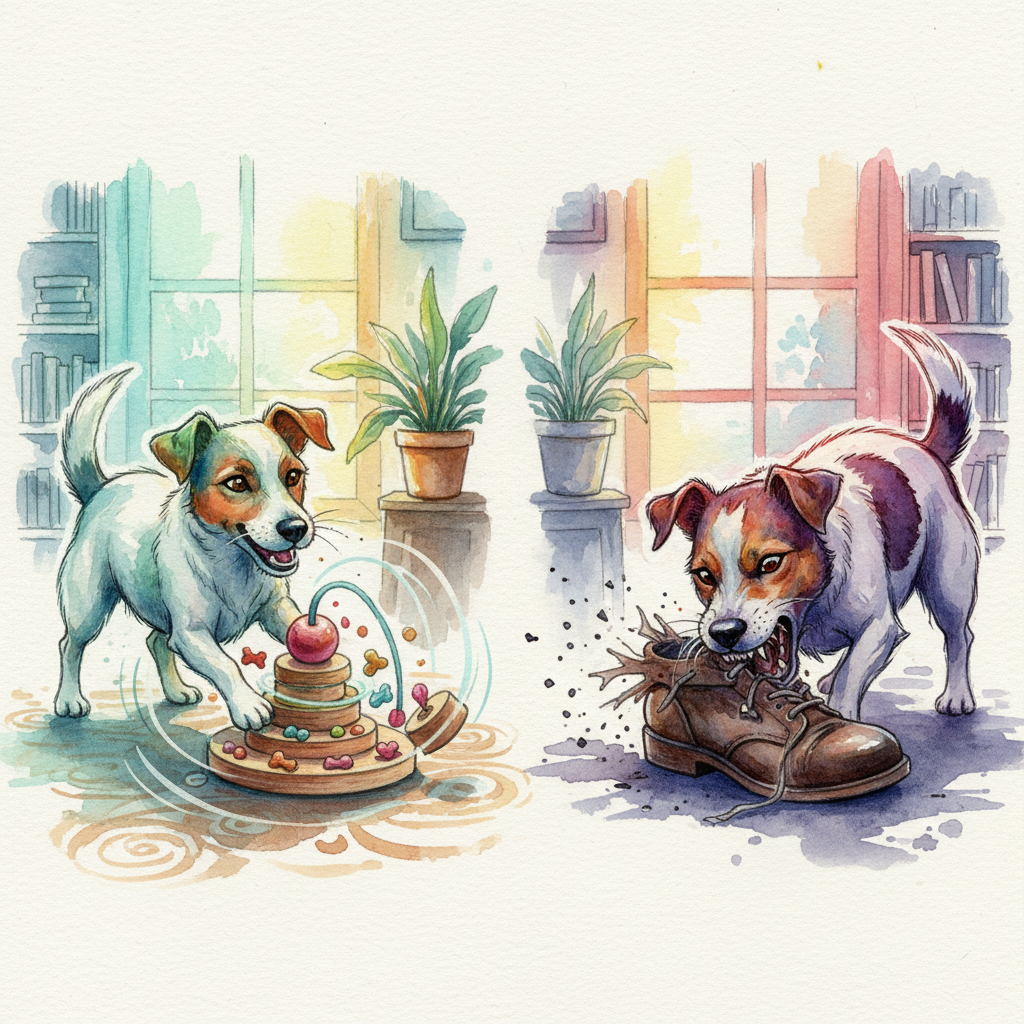
Consider the contrasting experiences of two terrier siblings, both adopted into loving homes at the same age. One terrier, named Pip, was showered with a variety of toys appropriate for his age and breed: durable chew toys, puzzle feeders, and balls for fetching. His owners regularly rotated his toys to keep him engaged and provided him with plenty of opportunities for exercise and mental stimulation.
The other terrier, named Squeaky, was given a basket of leftover toys from the family’s previous dog, a senior poodle. These toys were mostly soft, plush toys that offered little challenge or stimulation. Squeaky’s owners, assuming that all dogs enjoyed the same types of toys, didn’t bother to update his toy selection.
Over time, Pip thrived. He was a happy, well-adjusted dog who enjoyed playing with his toys and participating in training activities. Squeaky, on the other hand, became increasingly restless and destructive. He started chewing on furniture, barking excessively, and showing signs of anxiety. Despite his owners’ best efforts, Squeaky’s behavioral problems persisted.
Eventually, Squeaky’s owners consulted with a canine behaviorist who quickly identified the problem: Squeaky was bored and under-stimulated. The behaviorist recommended updating his toy selection with more appropriate toys and providing him with more opportunities for exercise and mental stimulation. Within a few weeks, Squeaky’s behavior improved dramatically. He became more engaged, less destructive, and happier overall.
Practical Strategies for Updating Your Pet’s Toy Box
So, how can you ensure that your pet’s toy box is always meeting their evolving needs? Here are some practical strategies to consider:
Regularly Assess Their Play Habits
Pay close attention to how your pet interacts with their toys. Are they showing signs of boredom or frustration? Are they struggling to grip or manipulate certain toys? Are they exhibiting any signs of pain or discomfort during play? These are all important clues that it’s time to make a change.
Consider Their Age, Breed, and Personality
Choose toys that are appropriate for your pet’s age, breed, and individual personality. A high-energy herding breed will likely need different toys than a laid-back lapdog. Consider their chewing habits, their preferred play style, and their level of mental stimulation.
Rotate Their Toys Regularly
Don’t leave all of their toys out all the time. Rotate their toys on a regular basis to keep them interested and prevent boredom. This will make their toys seem new and exciting, even if they’ve had them for a long time.
Introduce New Toys Gradually
When introducing a new toy, do so gradually. Let them explore it at their own pace and offer plenty of encouragement and praise. Don’t force them to play with a toy if they’re not interested.
Inspect Toys Regularly for Wear and Tear
Regularly inspect toys for wear and tear, and discard any that are damaged or pose a choking hazard. Replace worn-out toys with new ones that are appropriate for their current life stage.
Consult with Your Veterinarian or a Canine Behaviorist
If you’re unsure about which toys are best for your pet, consult with your veterinarian or a canine behaviorist. They can offer personalized recommendations based on your pet’s individual needs.
Don’t Be Afraid to Donate or Repurpose Old Toys
If you have old toys that your pet no longer uses, don’t be afraid to donate them to a local animal shelter or repurpose them for other uses. Old blankets can be used as bedding, and old t-shirts can be turned into chew toys (under careful supervision, of course).
The key takeaway is that maintaining an engaging and appropriate toy box is an ongoing process, not a one-time event. By being mindful of your pet’s evolving needs and adapting their toy selection accordingly, you can help them live a happier, healthier, and more fulfilling life.

Ultimately, the ideal toy isn’t about the price tag or the latest trend; it’s about understanding your pet’s individual needs and providing them with opportunities for joyful, enriching play throughout their lives. It’s about recognizing that their needs change, and adapting our approach to ensure they continue to thrive. So, take a look at that toy box. Is it a reflection of your pet’s current life stage, or a dusty monument to the past? The answer might just surprise you, and your furry friend will undoubtedly thank you for it.

Hi, my name is Robert Max, I live in the United States and I’m the creator of InTechNews. I started this blog with the goal of sharing reliable and practical information about pet care, helping pet owners provide a healthier and happier life for their animals. I’m passionate about animal well-being and believe that good information makes all the difference in responsible pet ownership.