
The Perils of Pet Pampering: When Fashion Bites Back
We adore our pets. We see them as family, showering them with affection, toys, and yes, often, clothing. The pet apparel industry is booming, fueled by our desire to express our love and, perhaps, project a certain image. But where do we draw the line between harmless fun and actual harm? How do we ensure our furry companions are truly comfortable and happy, rather than merely serving as living mannequins for our sartorial whims?
The allure of dressing up our pets is undeniable. Tiny sweaters on Chihuahuas, raincoats on Golden Retrievers, even full-blown costumes for Halloween – the possibilities seem endless. Social media platforms are flooded with adorable images of pets sporting the latest trends, garnering likes and shares aplenty. It’s a tempting world to dive into, but one that demands a critical eye.
The Comfort Factor: More Than Just Aesthetics
The most immediate concern when considering pet clothing is comfort. A garment that restricts movement, chafes the skin, or causes overheating is simply unacceptable. Imagine wearing a tight, scratchy sweater all day long, unable to remove it or even communicate your discomfort. That’s the reality for many pets forced into ill-fitting or inappropriate attire.
Consider the breed, age, and activity level of your pet. A short-haired dog like a Greyhound might genuinely benefit from a warm coat during cold weather, while a thick-furred Siberian Husky is unlikely to need anything more than their natural insulation. Puppies and senior pets may have more sensitive skin and require softer, more breathable fabrics. And any active dog needs clothing that allows for unrestricted movement, whether they’re chasing a ball or simply going for a walk.
Furthermore, think about the fasteners and embellishments. Buttons, zippers, and dangling decorations can pose choking hazards or cause skin irritation. Opt for simple, well-constructed garments with minimal embellishments and secure closures. Regularly inspect clothing for signs of wear and tear, and promptly repair or discard any damaged items.
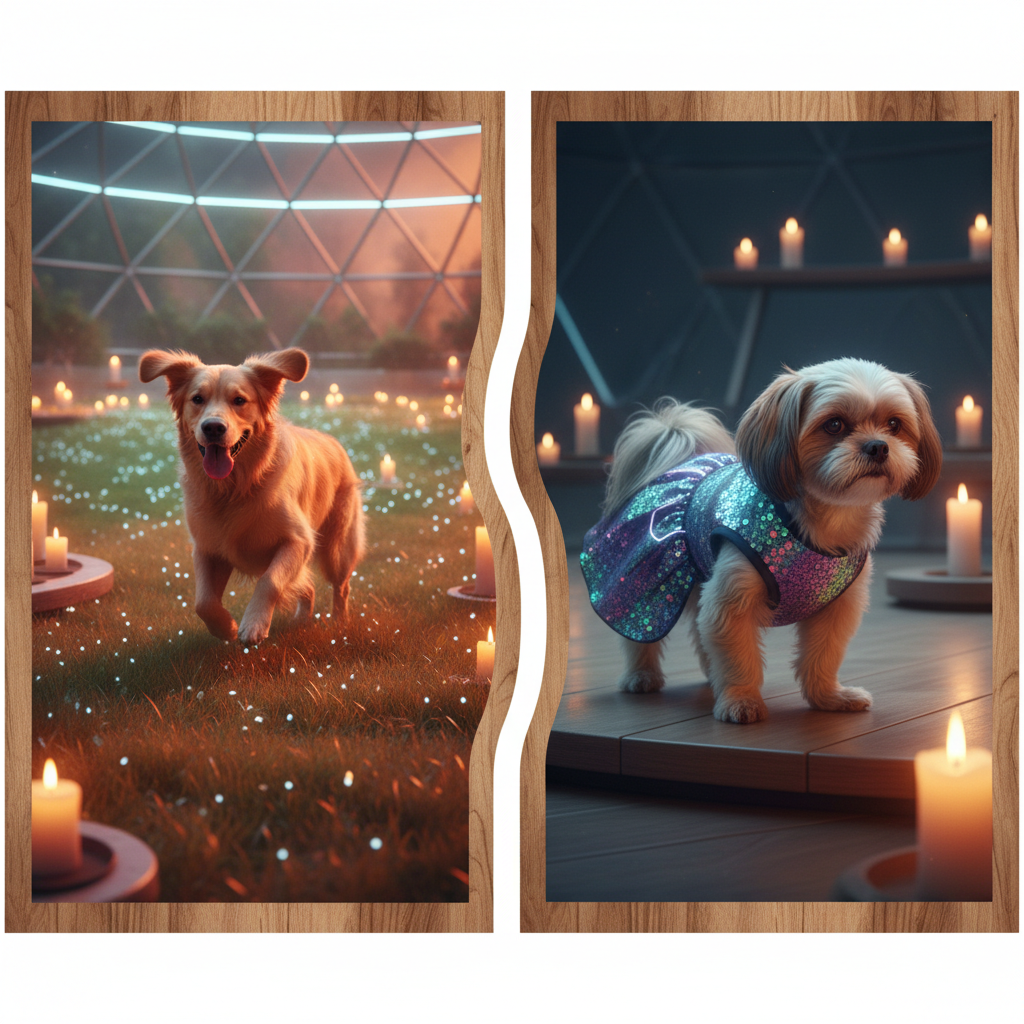
The Psychological Toll: Stress and Anxiety
Beyond physical discomfort, clothing can also have a negative impact on a pet’s psychological well-being. Some animals are simply more sensitive to being dressed up than others. Forcing a reluctant pet into clothing can cause stress, anxiety, and even fear. It can also disrupt their natural grooming behaviors and social interactions.
Dogs, for example, communicate largely through body language. A tail wag, a head tilt, a subtle shift in posture – these are all vital cues that other dogs use to interpret their intentions and emotions. Covering up their body with clothing can obscure these signals, leading to misunderstandings and even aggression. Similarly, cats rely on their whiskers for navigation and spatial awareness. Constricting their whiskers with a tight-fitting hood or collar can be disorienting and stressful.
Observe your pet’s behavior closely when introducing them to clothing. Look for signs of discomfort, such as flattened ears, tucked tail, excessive panting, or attempts to remove the garment. If your pet consistently displays these signs, it’s a clear indication that they don’t enjoy being dressed up. Respect their preferences and avoid forcing them into situations that cause them distress.
The Practical Considerations: Function Over Fashion
While aesthetics may be a primary driver for some pet owners, it’s crucial to prioritize function over fashion. Clothing should serve a practical purpose, such as providing warmth, protection from the elements, or aiding in recovery after surgery. Avoid purely decorative items that offer no real benefit to your pet.
For example, a waterproof raincoat can be a lifesaver for dogs who hate getting wet, allowing them to enjoy their walks even in inclement weather. A protective bootie can shield sensitive paws from hot pavement or sharp objects. And a recovery suit can prevent a pet from licking or scratching at a wound after surgery.
When selecting functional clothing, pay close attention to the materials and construction. Choose breathable, durable fabrics that are easy to clean and maintain. Ensure the garment fits properly and allows for a full range of motion. And always supervise your pet while they’re wearing clothing to prevent accidents or injuries.
The Ethical Dilemma: Exploitation or Expression?
The issue of pet clothing also raises broader ethical questions about our relationship with animals. Are we truly acting in their best interests, or are we simply projecting our own desires and insecurities onto them? Are we treating them as sentient beings with their own needs and preferences, or as mere accessories to our lifestyles?
The line between harmless fun and exploitation can be blurry. Dressing up a pet for a special occasion or a quick photo shoot might seem innocuous, but it’s important to consider the potential consequences. Are we inadvertently perpetuating the idea that animals are objects to be used for our amusement? Are we contributing to a culture of consumerism that prioritizes fashion over welfare?
A more mindful approach involves focusing on enrichment and empowerment. Instead of dressing up our pets in elaborate costumes, we can provide them with opportunities to express their natural behaviors, such as playing, exploring, and socializing. We can invest in toys, training, and activities that stimulate their minds and bodies. And we can create a safe and loving environment where they feel valued and respected for who they are.
The Power of Choice: Giving Pets Agency
One way to promote ethical pet ownership is to give our animals a greater sense of agency. This means allowing them to make choices and exercise control over their environment. It also means respecting their preferences and avoiding situations that cause them distress.
When it comes to clothing, this might involve offering our pets a choice of garments. Instead of simply forcing them into a sweater, we can present them with a few options and see which one they gravitate towards. We can also allow them to remove the clothing if they become uncomfortable. By giving them a say in the matter, we can help them feel more empowered and less like passive recipients of our whims.
Furthermore, we can educate ourselves about animal behavior and welfare. By understanding the needs and preferences of our pets, we can make more informed decisions about their care. We can also support organizations that advocate for animal rights and promote responsible pet ownership.
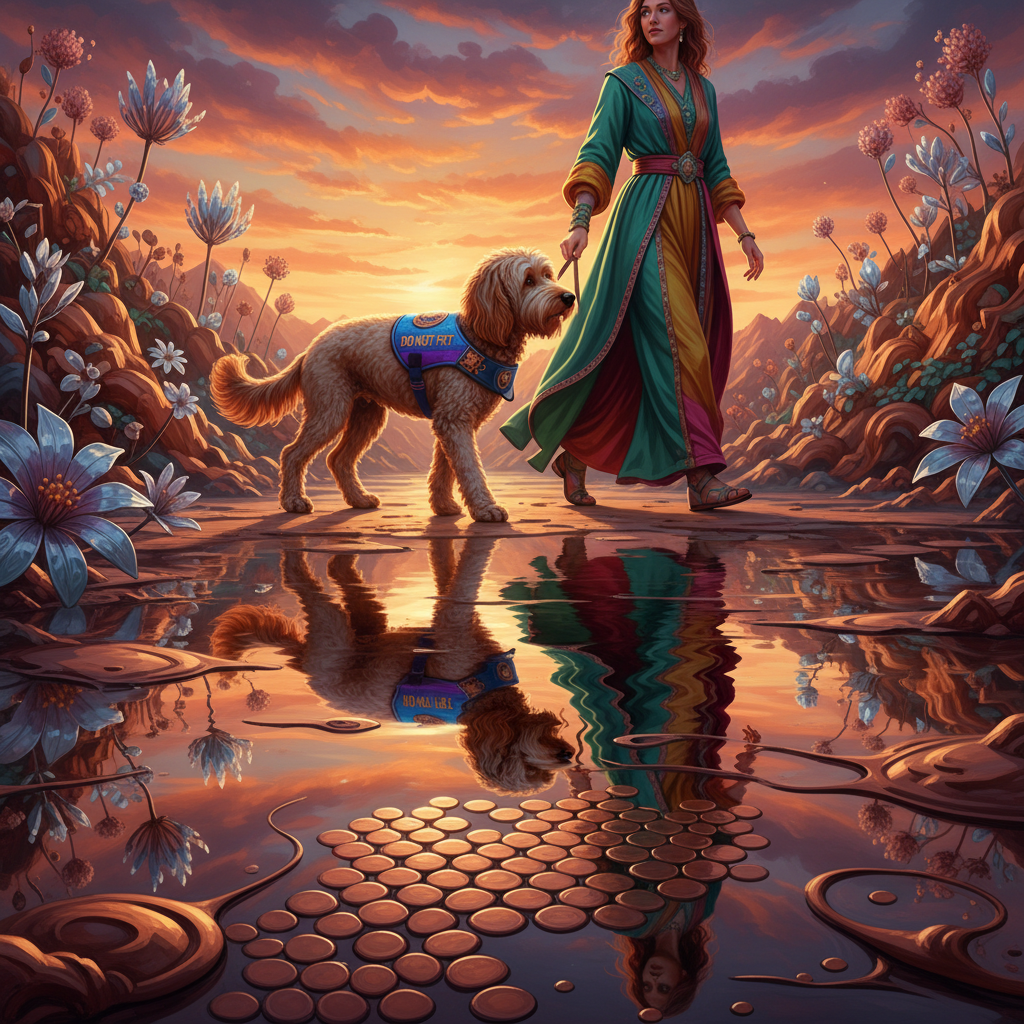
Case Study: The Service Dog Exception
There’s a clear distinction between dressing a pet for aesthetic reasons and providing necessary gear for working animals. Service dogs, for instance, often wear vests or harnesses that identify them as such and provide a means for their handlers to guide them. This isn’t about fashion; it’s about function and safety.
The vest signals to the public that the dog is working and should not be distracted. It also provides a clear visual cue for individuals with disabilities, allowing them to easily identify the service dog. In some cases, the vest may also contain pockets for carrying essential medical supplies or communication devices.
However, even in the case of service dogs, it’s important to ensure that the equipment is comfortable and well-fitting. The vest should not restrict movement or cause chafing. Regular breaks should be provided to allow the dog to stretch and relax without the gear. And the dog’s well-being should always be prioritized over the convenience of the handler.
The Social Media Spectacle: The Pressure to Perform
Social media has undoubtedly amplified the trend of dressing up pets. The desire to capture the perfect photo and share it with the world can be a powerful motivator. However, it’s important to resist the pressure to conform to unrealistic expectations and prioritize our pet’s well-being over social media validation.
The constant stream of adorable pet photos online can create a sense of competition and pressure to keep up with the latest trends. We may feel compelled to dress up our pets in increasingly elaborate costumes in order to stand out from the crowd. However, this can lead to a cycle of consumerism and a disregard for our pet’s actual needs.
It’s crucial to remember that social media is often a curated and idealized representation of reality. The seemingly perfect pet photos we see online may not accurately reflect the true experience of the animals involved. It’s possible that the pet was uncomfortable or stressed during the photo shoot, or that the clothing was ill-fitting or restrictive.
The Authenticity Imperative: Focusing on Real Connection
Instead of chasing social media fame, we should focus on building authentic connections with our pets. This means spending quality time with them, engaging in activities they enjoy, and providing them with a safe and loving environment. It also means respecting their boundaries and avoiding situations that cause them distress.
The most rewarding aspect of pet ownership is the unconditional love and companionship we receive in return. This bond is built on trust, respect, and mutual understanding. It’s not about dressing up our pets in fancy costumes or forcing them to perform for the camera. It’s about accepting them for who they are and celebrating their unique personalities.
Consider documenting your pet’s life in a way that reflects their true character. Capture their playful moments, their quiet cuddles, and their quirky habits. Share these authentic glimpses into their world with your friends and family. And remember that the most beautiful photos are the ones that capture the genuine connection between you and your pet.
Beyond the Clothes: Alternative Forms of Pet Expression
There are countless ways to express our love for our pets without resorting to clothing. We can invest in high-quality food, comfortable bedding, and stimulating toys. We can provide them with regular exercise, training, and socialization opportunities. And we can shower them with affection and attention.
Consider creating a personalized space for your pet in your home. This might be a cozy corner with a comfortable bed and their favorite toys. It could also be an outdoor enclosure where they can safely explore and enjoy the fresh air. The key is to create a space that is tailored to their individual needs and preferences.
We can also express our love through acts of service. This might involve grooming our pets regularly, cleaning their living space, or taking them to the vet for checkups. These seemingly mundane tasks are a powerful way to show our pets that we care about their well-being.
The Future of Pet Fashion: A Call for Conscious Consumption
The pet fashion industry is likely to continue to grow in the coming years, driven by our increasing desire to pamper and personalize our pets. However, it’s important to approach this trend with a critical eye and prioritize ethical and sustainable practices.
We can support companies that prioritize animal welfare and use eco-friendly materials. We can choose to buy from local artisans and small businesses that produce high-quality, ethically made pet products. And we can reduce our consumption by buying fewer items and taking better care of the ones we already own.
Ultimately, the future of pet fashion depends on our collective choices. By becoming more conscious consumers, we can help create a more sustainable and ethical industry that benefits both pets and people.
Let’s remember that our pets are not accessories. They are sentient beings with their own unique personalities, needs, and preferences. Our responsibility as pet owners is to provide them with a safe, loving, and enriching environment where they can thrive. And sometimes, the greatest act of love is simply letting them be themselves, unadorned and perfectly content in their own fur.

Hi, my name is Robert Max, I live in the United States and I’m the creator of InTechNews. I started this blog with the goal of sharing reliable and practical information about pet care, helping pet owners provide a healthier and happier life for their animals. I’m passionate about animal well-being and believe that good information makes all the difference in responsible pet ownership.