
The Unseen Connection: Food, Emotion, and Behavior in Pets
We often think of food as simply fuel, a way to keep our pets’ bodies running. But what if their diet was influencing more than just their physical health? What if the food they eat is intricately linked to their emotional well-being and, consequently, their behavior? This connection, often overlooked, can be a key to understanding and improving our pets’ lives.
Think about it: humans have comfort foods, meals that evoke positive memories, and dietary choices that can impact our mood. Is it so far-fetched to believe that our furry companions experience something similar? The answer, increasingly, appears to be a resounding yes. The field of pet nutrition is evolving, recognizing the profound impact food has on the intricate interplay between a pet’s gut, brain, and behavior.
The Gut-Brain Axis: A Two-Way Street
The foundation of this connection lies in what scientists call the gut-brain axis. This complex communication network links the gastrointestinal tract and the brain, allowing them to influence each other. The gut, often referred to as the “second brain,” is home to trillions of bacteria, collectively known as the gut microbiome. This microbial ecosystem plays a crucial role in digestion, nutrient absorption, and immune function. But its influence extends far beyond these basic physiological processes.
These gut bacteria produce neurotransmitters, chemical messengers that transmit signals between nerve cells. Serotonin, dopamine, and GABA, all crucial for regulating mood and behavior, are synthesized in the gut. An imbalance in the gut microbiome, known as dysbiosis, can disrupt the production of these neurotransmitters, potentially leading to anxiety, depression, and behavioral issues in pets.
Consider a dog with chronic digestive upset. The constant inflammation and discomfort in their gut can trigger the release of stress hormones, like cortisol. Elevated cortisol levels can lead to increased anxiety, reactivity, and even aggression. Similarly, a cat with a diet lacking in essential nutrients may experience deficiencies that affect brain function, resulting in lethargy, cognitive decline, and changes in social interaction.
Furthermore, the vagus nerve, the longest cranial nerve in the body, acts as a direct line of communication between the gut and the brain. It transmits signals from the gut microbiome to the brain, influencing mood, appetite, and overall well-being. A healthy gut microbiome can stimulate the vagus nerve, promoting feelings of calm and contentment. Conversely, an unhealthy gut can send negative signals to the brain, contributing to anxiety and stress.
The gut-brain axis is a dynamic and interconnected system, constantly responding to dietary changes and environmental factors. By understanding its complexities, we can begin to appreciate the profound impact of food on our pets’ emotional and behavioral health.
The Impact of Specific Nutrients
It’s not just the overall balance of the diet that matters; specific nutrients play a crucial role in supporting emotional and behavioral well-being in pets. Certain vitamins, minerals, and amino acids are essential for brain function and neurotransmitter synthesis.
Amino Acids: The Building Blocks of Neurotransmitters
Amino acids are the building blocks of proteins, and they are also precursors to neurotransmitters. Tryptophan, for example, is a precursor to serotonin, the “feel-good” neurotransmitter. A diet deficient in tryptophan can lead to lower serotonin levels, potentially contributing to anxiety and depression. Providing a diet rich in high-quality protein sources, such as meat, poultry, or fish, ensures an adequate supply of tryptophan.
Similarly, tyrosine is a precursor to dopamine and norepinephrine, neurotransmitters involved in motivation, focus, and alertness. A deficiency in tyrosine can lead to lethargy, decreased cognitive function, and difficulty concentrating. Phenylalanine, another essential amino acid, is also converted into tyrosine in the body. Including these amino acids in your pet’s diet is vital for optimal brain function and emotional regulation.
Taurine, an amino acid particularly important for cats, plays a crucial role in brain development and function. Taurine deficiency can lead to a range of neurological problems, including impaired vision and cognitive decline. Ensuring your cat’s diet contains adequate levels of taurine is essential for their overall health and well-being.
Vitamins and Minerals: Essential for Brain Health
Vitamins and minerals are also critical for brain function and neurotransmitter synthesis. B vitamins, such as B1, B6, and B12, are essential for energy production in the brain and for the synthesis of neurotransmitters like serotonin, dopamine, and GABA. A deficiency in B vitamins can lead to fatigue, irritability, and cognitive impairment.
Magnesium plays a crucial role in nerve function and muscle relaxation. Magnesium deficiency can contribute to anxiety, muscle tension, and even seizures. Zinc is important for brain development and immune function. Zinc deficiency can impair cognitive function and increase susceptibility to infections.
Omega-3 fatty acids, particularly EPA and DHA, are essential for brain health. DHA is a major structural component of brain cell membranes, and EPA has anti-inflammatory properties. Supplementation with omega-3 fatty acids has been shown to improve cognitive function, reduce anxiety, and enhance mood in pets. Sources of omega-3 fatty acids include fish oil, flaxseed oil, and algae oil.
Ensuring your pet’s diet is rich in these essential nutrients is vital for supporting their brain health, emotional well-being, and behavioral stability.
The Role of Processed Foods and Additives
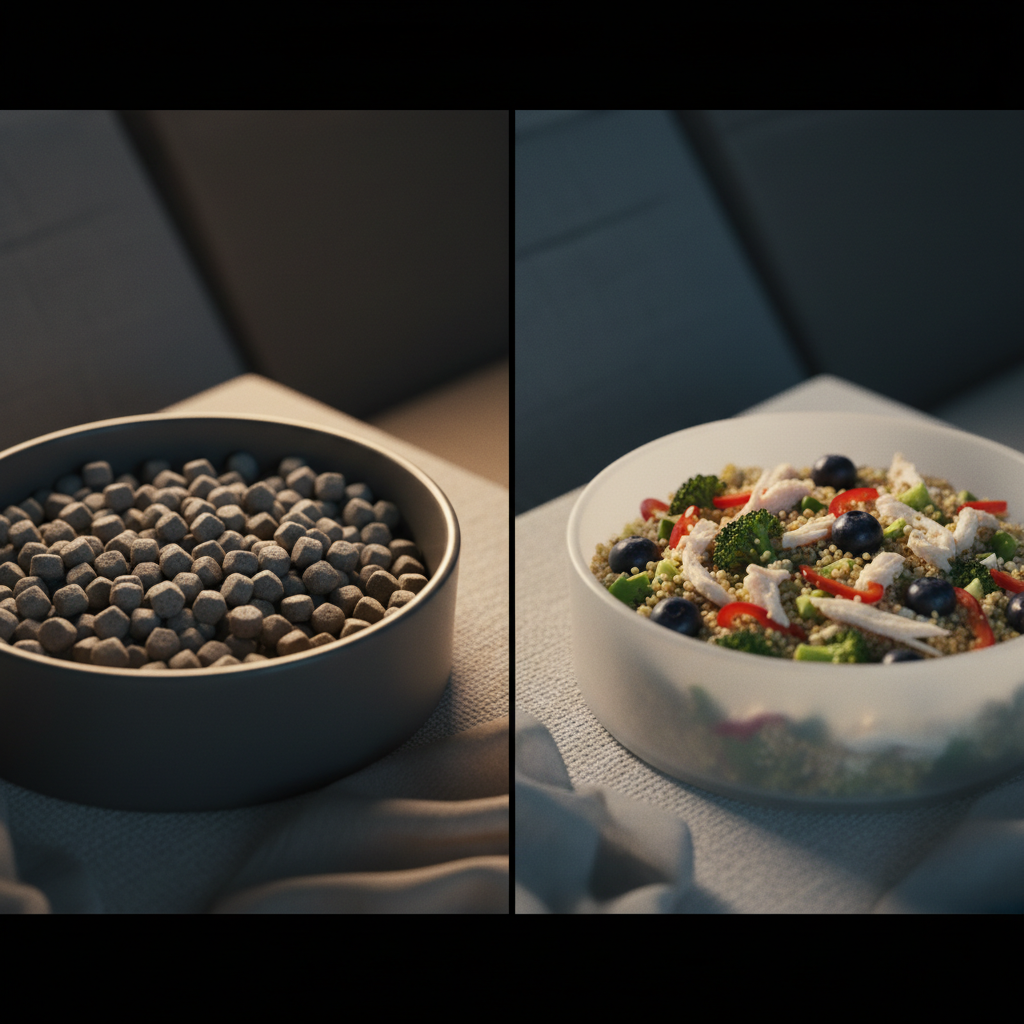
The modern pet food industry has made feeding our pets convenient, but it has also introduced a range of processed ingredients and additives that can negatively impact their health and behavior. Highly processed foods, often loaded with artificial colors, flavors, and preservatives, can disrupt the gut microbiome and contribute to inflammation.
Artificial Additives: Disrupting the Gut and Brain
Artificial colors and flavors are often added to pet food to make it more appealing to pet owners, but they offer no nutritional value and can potentially harm pets. Some artificial colors have been linked to hyperactivity and behavioral problems in children, and they may have similar effects on pets. Artificial flavors can also be problematic, as they can mask the taste of low-quality ingredients and contribute to food sensitivities.
Preservatives, such as BHA, BHT, and ethoxyquin, are added to pet food to extend its shelf life. However, some of these preservatives have been linked to health problems, including cancer and organ damage. Choosing pet foods with natural preservatives, such as vitamin E and vitamin C, is a safer option.
The Impact of Fillers and By-Products
Many commercial pet foods contain fillers, such as corn, wheat, and soy, which offer little nutritional value and can be difficult for pets to digest. These fillers can disrupt the gut microbiome and contribute to inflammation. By-products, such as animal waste and rendered parts, are also often used in pet food. These ingredients are typically low in nutritional value and can be difficult for pets to digest.
A diet high in processed ingredients, artificial additives, and fillers can lead to gut dysbiosis, inflammation, and nutrient deficiencies, all of which can negatively impact a pet’s emotional and behavioral health. Choosing a diet that is rich in whole, unprocessed ingredients is crucial for supporting a healthy gut microbiome and promoting overall well-being.
Hidden Sugars and Their Behavioral Effects
Many commercial pet foods contain hidden sugars, often in the form of corn syrup, molasses, or beet pulp. These sugars can contribute to weight gain, insulin resistance, and inflammation. They can also cause rapid spikes and crashes in blood sugar levels, leading to mood swings and behavioral problems.
Just as in humans, sugar can have a significant impact on a pet’s behavior. A sudden surge of sugar can lead to hyperactivity and excitability, followed by a crash that results in lethargy and irritability. Over time, chronic sugar consumption can disrupt the balance of neurotransmitters in the brain, leading to anxiety, depression, and even aggression.
Identifying Food Sensitivities and Allergies
Food sensitivities and allergies can also play a significant role in a pet’s emotional and behavioral health. Food sensitivities are adverse reactions to food that do not involve the immune system, while food allergies are immune-mediated reactions. Both can manifest in a variety of symptoms, including skin problems, digestive upset, and behavioral changes.
Common Food Allergens in Pets
The most common food allergens in pets include beef, dairy, wheat, corn, soy, and chicken. These ingredients can trigger an immune response, leading to inflammation and a range of symptoms. Skin problems, such as itching, redness, and hair loss, are common signs of food allergies. Digestive upset, such as vomiting, diarrhea, and gas, can also occur. Behavioral changes, such as anxiety, aggression, and hyperactivity, may also be indicative of food sensitivities or allergies.
Recognizing the Signs and Symptoms
Identifying food sensitivities and allergies can be challenging, as the symptoms can be varied and can overlap with other conditions. However, there are some key signs to look out for. If your pet is experiencing persistent skin problems, digestive upset, or behavioral changes, it’s important to consider the possibility of food sensitivities or allergies. Keep a detailed record of your pet’s diet and any symptoms they are experiencing. This information can be helpful for your veterinarian in diagnosing and managing the condition.
Pay close attention to when the symptoms occur in relation to meal times. Do the symptoms worsen after eating a particular food? Are there any patterns you can identify? It’s also important to rule out other potential causes of the symptoms, such as parasites, infections, or environmental allergies.
The Elimination Diet: A Diagnostic Tool
The elimination diet is a common diagnostic tool used to identify food sensitivities and allergies. This involves feeding your pet a novel protein and carbohydrate source for a period of several weeks. A novel protein is one that your pet has never eaten before, such as venison, rabbit, or duck. A novel carbohydrate source could be sweet potato, quinoa, or tapioca.
During the elimination diet, it’s important to avoid feeding your pet any other foods, treats, or supplements. If your pet’s symptoms improve during the elimination diet, it’s likely that they have a food sensitivity or allergy. To confirm the diagnosis, you can then reintroduce individual ingredients one at a time to see if they trigger a reaction. This process can help you identify the specific foods that your pet is sensitive to.

Seeking Professional Guidance
While understanding the connection between food, emotion, and behavior can empower you to make informed choices for your pet, it’s crucial to seek professional guidance from a veterinarian or a veterinary nutritionist. They can assess your pet’s individual needs, identify any underlying health conditions, and recommend a diet that is tailored to their specific requirements.
The Importance of Veterinary Consultation
Your veterinarian can perform a thorough physical examination and run diagnostic tests to rule out any other potential causes of your pet’s symptoms. They can also help you interpret the results of an elimination diet and develop a long-term feeding plan. A veterinary nutritionist can provide expert advice on formulating a balanced and nutritious diet for your pet, taking into account their age, breed, activity level, and any health conditions they may have.
It’s important to remember that every pet is unique, and what works for one pet may not work for another. Working with a qualified professional ensures that your pet receives the individualized care they need to thrive.
Navigating the Pet Food Market
The pet food market can be overwhelming, with a vast array of brands and formulations to choose from. It’s important to be a discerning consumer and to carefully evaluate the ingredients and nutritional content of pet foods. Look for foods that are made with whole, unprocessed ingredients and that are free from artificial additives, fillers, and by-products. Read the ingredient list carefully and pay attention to the order in which the ingredients are listed. The ingredients that are listed first are present in the largest amounts.
Be wary of marketing claims that sound too good to be true. Terms like “natural” and “holistic” are often used loosely and may not necessarily indicate a high-quality product. Do your research and choose brands that have a reputation for quality and transparency.
The Benefits of a Holistic Approach
A holistic approach to pet health considers the whole animal, including their physical, emotional, and behavioral well-being. This approach recognizes the interconnectedness of all aspects of health and emphasizes the importance of addressing the root causes of illness rather than just treating the symptoms.
When it comes to nutrition, a holistic approach involves feeding your pet a diet that is tailored to their individual needs and that supports their overall health and well-being. This may involve choosing a raw food diet, a home-cooked diet, or a high-quality commercial diet. It may also involve supplementing with vitamins, minerals, and other nutrients to address any deficiencies or imbalances.

Practical Steps to Improve Your Pet’s Diet
Improving your pet’s diet can have a profound impact on their emotional and behavioral health. Here are some practical steps you can take to create a more nourishing and balanced diet for your furry friend:
Transitioning to a New Diet
When transitioning your pet to a new diet, it’s important to do so gradually to avoid digestive upset. Start by mixing a small amount of the new food with your pet’s current food, gradually increasing the amount of new food and decreasing the amount of old food over a period of several days or weeks.
Monitor your pet’s stool consistency during the transition. If they develop diarrhea or vomiting, slow down the transition or consult with your veterinarian. It’s also important to ensure that your pet is drinking plenty of water during the transition, as changes in diet can affect hydration levels.
Adding Fresh Foods to Your Pet’s Diet
Adding fresh foods to your pet’s diet can provide a boost of essential nutrients and improve their overall health. Some good options include cooked vegetables, such as sweet potatoes, carrots, and broccoli, as well as lean proteins, such as chicken, turkey, and fish. Avoid feeding your pet raw meat, as it can contain harmful bacteria.
Fruits can also be a healthy addition to your pet’s diet, but it’s important to choose fruits that are safe for pets and to feed them in moderation. Some safe fruits include blueberries, apples, and bananas. Avoid feeding your pet grapes, raisins, or avocados, as these can be toxic.
Supplementation: Addressing Nutrient Deficiencies
Supplementation can be a helpful way to address nutrient deficiencies and support your pet’s overall health. However, it’s important to consult with your veterinarian before starting any new supplements. They can help you determine which supplements are appropriate for your pet and what dosages to use.
Some common supplements for pets include omega-3 fatty acids, probiotics, and digestive enzymes. Omega-3 fatty acids can help reduce inflammation and improve cognitive function. Probiotics can help restore balance to the gut microbiome. Digestive enzymes can help improve digestion and nutrient absorption.
The Long-Term Benefits of a Healthy Diet
Investing in your pet’s nutrition is an investment in their long-term health and well-being. A healthy diet can improve their physical health, boost their emotional well-being, and promote positive behavior. It can also help prevent chronic diseases, such as obesity, diabetes, and arthritis.
Improved Physical Health
A healthy diet can help your pet maintain a healthy weight, build strong muscles and bones, and support a strong immune system. It can also improve their skin and coat health, giving them a shiny and healthy appearance.
Enhanced Emotional Well-Being
A healthy diet can help regulate your pet’s mood and reduce anxiety. It can also improve their cognitive function, making them more alert and responsive. By providing them with the nutrients they need to thrive, you can help them feel happier and more content.
Positive Behavioral Changes
A healthy diet can reduce behavioral problems, such as hyperactivity, aggression, and anxiety. It can also improve their trainability and make them more responsive to commands. By addressing any underlying nutrient deficiencies or imbalances, you can help them become more well-behaved and balanced.

Ultimately, understanding the intricate relationship between food, emotion, and behavior in pets is about more than just providing sustenance. It’s about recognizing the profound impact that nutrition has on their overall well-being and making conscious choices that support their physical, emotional, and behavioral health. By prioritizing a healthy, balanced diet, we can empower our furry companions to live happier, healthier, and more fulfilling lives, strengthening the bond we share and enriching our own lives in the process. Are we not obligated to provide the best possible care for these creatures who offer us so much unconditional love and companionship?

Hi, my name is Robert Max, I live in the United States and I’m the creator of InTechNews. I started this blog with the goal of sharing reliable and practical information about pet care, helping pet owners provide a healthier and happier life for their animals. I’m passionate about animal well-being and believe that good information makes all the difference in responsible pet ownership.