
The Silent Language of Care
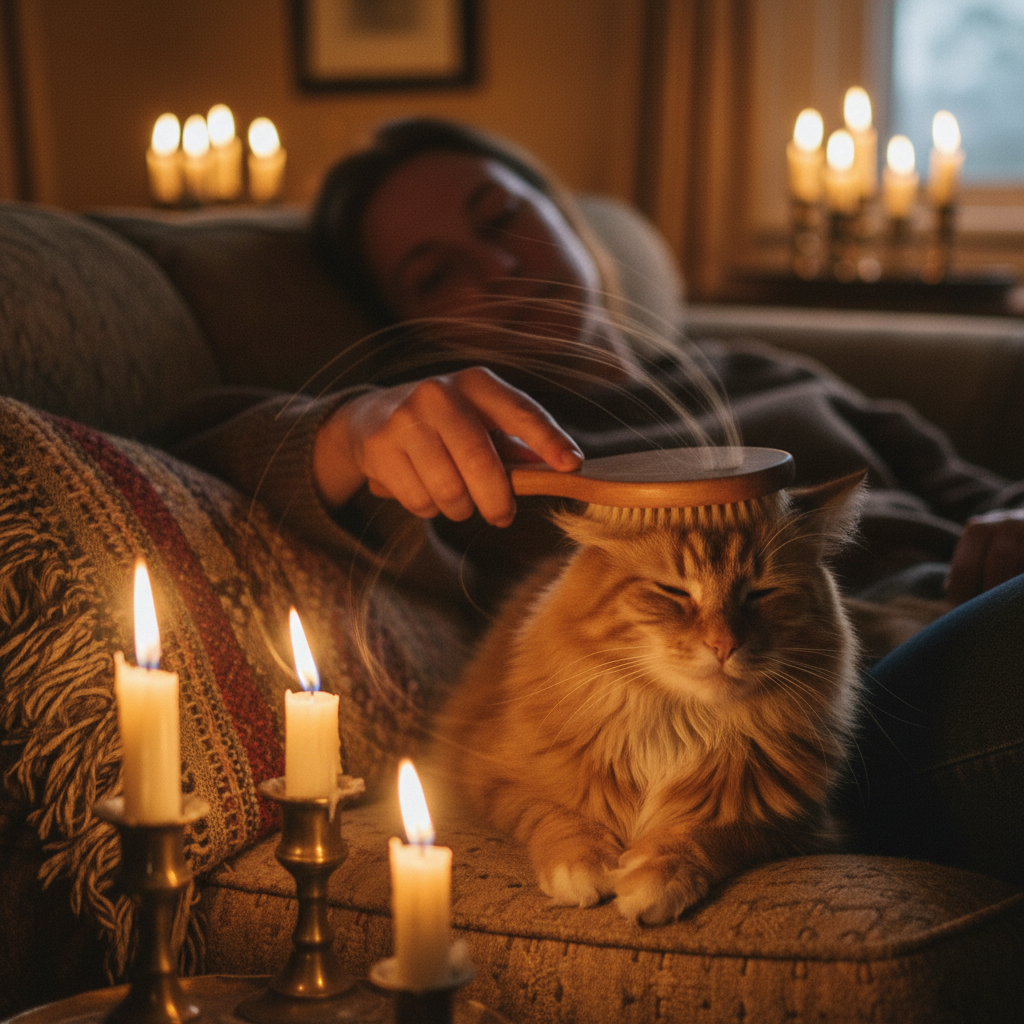
We often talk about love as a feeling, an emotion that swells in our hearts and compels us to acts of grand gesture. We declare it, sing about it, and search for it relentlessly. But with our pets, love often speaks in a different, quieter language: the language of care. It’s in the consistent feeding, the gentle grooming, the playful toss of a ball, and the vigilant watch for signs of discomfort. It’s a language they understand implicitly, a language that builds trust and solidifies the extraordinary bond we share.
However, just as the right care can nurture and deepen this connection, the wrong kind of care – or a lack thereof – can slowly, almost imperceptibly, erode it. It’s not always about outright neglect or malice, but rather about the subtle misunderstandings, the overlooked needs, and the well-intentioned mistakes that can chip away at the foundation of trust and affection. Are we truly seeing our pets for who they are, with their unique needs and personalities, or are we projecting our own desires and expectations onto them?
The Foundation of Trust: Consistency and Understanding
Imagine a world where the rules constantly shift, where what was once rewarded is now punished, and where your basic needs are met inconsistently. This is the world a pet experiences when care is erratic or misinformed. Consistency is paramount. A regular feeding schedule, predictable walks, and a stable environment provide a sense of security and predictability. This allows your pet to relax, to trust that their needs will be met, and to feel safe in your presence. Conversely, inconsistent care can lead to anxiety, fear, and behavioral problems. A dog who is sometimes fed on time and other times left waiting for hours will develop food insecurity, potentially leading to resource guarding or frantic eating. A cat whose litter box is infrequently cleaned will associate the experience with discomfort and may begin to eliminate elsewhere.
Understanding your pet’s specific needs is equally crucial. A high-energy dog confined to a small apartment with minimal exercise will become frustrated and destructive, regardless of how much you verbally express your “love.” A cat who craves affection but is overwhelmed by constant petting will become withdrawn and avoidant. It’s about learning to read their body language, understanding their breed-specific tendencies, and tailoring your care to their individual personality. This requires observation, patience, and a willingness to adapt your approach.
Consider the case of Sarah, who adopted a rescue greyhound. Greyhounds, bred for racing, have unique needs and sensitivities. Initially, Sarah showered her new dog, Flash, with affection, constantly petting him and talking to him in a loud, enthusiastic voice. However, Flash became increasingly anxious and withdrawn, often hiding under the furniture. It wasn’t until Sarah consulted with a greyhound rescue organization that she understood Flash’s need for personal space and quiet. She learned that greyhounds are often sensitive to loud noises and sudden movements and that they prefer gentle, predictable interactions. By adjusting her approach and providing Flash with a calm and consistent environment, Sarah gradually earned his trust, and he eventually blossomed into a confident and affectionate companion.
The Pitfalls of Misguided Affection
We often equate love with indulgence, believing that showering our pets with treats, toys, and attention is the ultimate expression of our affection. While these things can certainly be enjoyable for our pets, they can also be detrimental if not approached with moderation and awareness. Overfeeding, for example, is a common mistake that can lead to obesity, diabetes, and a host of other health problems. Similarly, overwhelming a shy or anxious pet with constant attention can exacerbate their anxiety and create a sense of unease. The key is to find a balance between providing enrichment and respecting their boundaries.
Treats and Toys: A Double-Edged Sword
Treats are a powerful tool for training and rewarding good behavior, but they should never be used as a substitute for proper nutrition or as a means of appeasing a pet’s every whim. Many commercially available pet treats are loaded with sugar, salt, and artificial additives that can be harmful to their health. Opt for healthy, natural treats in moderation, and always factor them into your pet’s daily calorie intake. Similarly, toys can provide mental stimulation and prevent boredom, but it’s important to choose toys that are safe and appropriate for your pet’s size and chewing habits. Avoid toys with small parts that can be easily swallowed, and always supervise your pet during playtime.
Consider the story of Mark, who loved to spoil his Labrador retriever, Buddy, with table scraps and an endless supply of dog biscuits. Buddy quickly gained weight and developed a number of health problems, including joint pain and breathing difficulties. Despite Mark’s good intentions, his misguided affection was ultimately harming his beloved companion. It wasn’t until his veterinarian warned him about the dangers of obesity that Mark realized the error of his ways. He worked with a veterinary nutritionist to develop a healthy diet plan for Buddy and incorporated regular exercise into their daily routine. Over time, Buddy lost weight, regained his energy, and lived a much happier and healthier life.
Ignoring the Subtle Signs: The Importance of Observation
Our pets can’t verbally tell us when they’re feeling unwell or experiencing discomfort, so it’s crucial to be attentive to subtle changes in their behavior. A decrease in appetite, changes in sleeping patterns, excessive grooming, or a reluctance to participate in activities they once enjoyed can all be signs of an underlying health issue. Ignoring these signs can allow a minor problem to escalate into a more serious condition, potentially jeopardizing your pet’s health and well-being. Regular veterinary checkups are essential for preventative care, but it’s equally important to be vigilant at home and to trust your instincts if you suspect something is amiss.
Consider the case of Emily, who noticed that her cat, Whiskers, was spending more time sleeping and less time playing. Whiskers also seemed to be grooming himself excessively, particularly around his abdomen. Initially, Emily dismissed these changes as signs of aging, but she eventually decided to take Whiskers to the veterinarian. After a thorough examination, the veterinarian diagnosed Whiskers with hyperthyroidism, a common condition in older cats. With medication and regular monitoring, Whiskers was able to regain his energy and live comfortably for many more years. Emily’s attentiveness and prompt action prevented Whiskers’ condition from worsening and significantly improved his quality of life.
The Power of Presence: Being Truly There
In our increasingly busy lives, it’s easy to get caught up in our own concerns and to neglect the simple act of being present with our pets. We may provide them with food, shelter, and toys, but we often fail to give them the one thing they crave most: our undivided attention. Taking the time to truly connect with our pets, to engage in meaningful interaction, and to simply be present in the moment can have a profound impact on their well-being and on the strength of our bond.
Beyond the Basics: Enriching Their Lives
Providing for your pet’s basic needs is essential, but it’s not enough to simply survive. They also need mental stimulation, physical exercise, and social interaction to thrive. Enriching their lives can be as simple as taking them for a walk in a new park, playing a game of fetch, or introducing them to a new friend. Puzzle toys, interactive feeders, and training sessions can also provide mental stimulation and prevent boredom. The key is to find activities that your pet enjoys and that challenge them in a positive way.
Consider the example of David, who worked long hours and often felt guilty about not spending enough time with his border collie, Skye. He made sure Skye had plenty of food and water and that she was taken for a walk each day, but he rarely engaged with her beyond the bare minimum. One day, David decided to take Skye to a dog agility class. Skye immediately took to the challenge, eagerly leaping over hurdles and weaving through poles. David was amazed to see Skye’s enthusiasm and her natural talent for agility. He started taking Skye to agility classes regularly, and they quickly formed a close bond. Through agility, David was not only providing Skye with much-needed exercise and mental stimulation, but he was also spending quality time with her, building trust, and deepening their connection.
The Gift of Unconditional Love: A Two-Way Street
Perhaps the most remarkable aspect of the bond we share with our pets is the unconditional love they offer us. They don’t judge us for our mistakes, they don’t hold grudges, and they’re always happy to see us, no matter what kind of day we’ve had. This unwavering affection can be incredibly healing and comforting, particularly during times of stress or hardship. But unconditional love is a two-way street. To truly reciprocate the love our pets give us, we must strive to provide them with the best possible care, to understand their needs, and to be there for them, both in good times and in bad.
Think about the countless stories of pets who have provided emotional support to their owners during times of illness, loss, or loneliness. These animals offer a unique kind of companionship, one that is free from judgment and filled with unwavering loyalty. Their presence can be a powerful source of comfort and strength, helping us to cope with difficult emotions and to navigate life’s challenges. In return, we owe them our love, our care, and our unwavering commitment to their well-being.

The Ethical Responsibility: Beyond Ownership
Owning a pet is not merely a matter of acquiring property; it’s a commitment to providing for the physical, emotional, and social needs of a living being. It’s an ethical responsibility that extends beyond providing food and shelter to encompass a deep understanding of their individual needs and a willingness to prioritize their well-being. This responsibility requires us to be informed, proactive, and compassionate in our approach to pet care.
Combating the Culture of Convenience: Making Informed Choices
In a society that prioritizes convenience, it’s easy to fall into the trap of making choices that are convenient for us but not necessarily in the best interests of our pets. This can include choosing inexpensive but low-quality pet food, neglecting to provide adequate exercise or mental stimulation, or resorting to quick fixes for behavioral problems instead of addressing the underlying cause. It’s crucial to resist this culture of convenience and to make informed choices that prioritize our pets’ health and well-being, even if it requires more time, effort, or expense.
Consider the issue of puppy mills and backyard breeders, who prioritize profit over the welfare of their animals. These facilities often subject their animals to inhumane conditions, neglecting their basic needs and contributing to a cycle of suffering. By choosing to adopt from reputable shelters or rescue organizations, or by purchasing from responsible breeders who prioritize the health and well-being of their animals, we can help to combat this culture of convenience and support ethical breeding practices. Similarly, by educating ourselves about responsible pet ownership and by advocating for stricter animal welfare laws, we can help to create a more compassionate and just world for all animals.
Advocating for Animal Welfare: A Collective Responsibility
Protecting the well-being of animals is not just an individual responsibility; it’s a collective responsibility that requires us to advocate for stronger animal welfare laws and to support organizations that are working to improve the lives of animals in need. This can include volunteering at local shelters, donating to animal rescue organizations, or contacting our elected officials to express our support for animal welfare legislation. By working together, we can create a society that values the lives of all animals and that holds those who mistreat them accountable.
The fight against animal cruelty and neglect is an ongoing battle, but it’s a battle worth fighting. By speaking out against injustice, by supporting organizations that are working to protect animals, and by making ethical choices in our own lives, we can help to create a world where all animals are treated with respect and compassion. This is not just a moral imperative; it’s also a reflection of our own humanity. The way we treat animals says a great deal about who we are as individuals and as a society.

The Everlasting Impact: A Legacy of Love and Care
The bond we share with our pets is a precious and irreplaceable gift. It’s a bond that enriches our lives in countless ways, providing us with companionship, love, and unwavering support. But it’s also a bond that comes with a responsibility, a commitment to providing our pets with the best possible care, to understanding their needs, and to being there for them throughout their lives. By embracing this responsibility, we not only enhance the lives of our pets but also leave behind a legacy of love and care that will endure long after we’re gone.
Let us strive to be the kind of pet owners who are not only loving and affectionate but also informed, proactive, and compassionate. Let us commit to providing our pets with the physical, emotional, and social enrichment they need to thrive. And let us never forget the profound impact we have on their lives and the enduring power of the bond we share. Because in the end, it’s not just about the love we receive from our pets; it’s about the love we give back, the care we provide, and the legacy we leave behind.

Hi, my name is Robert Max, I live in the United States and I’m the creator of InTechNews. I started this blog with the goal of sharing reliable and practical information about pet care, helping pet owners provide a healthier and happier life for their animals. I’m passionate about animal well-being and believe that good information makes all the difference in responsible pet ownership.