
Unlocking the Secret to a Happier Pet: The Power of Nutrition
Have you ever considered that your pet’s seemingly unexplainable behavior might actually be a cry for help from their own body? We often focus on training, socialization, and providing a loving environment, which are all incredibly important. But what if a fundamental piece of the puzzle is missing – the right nutrition? Just as the food we eat impacts our mood, energy levels, and overall well-being, the same holds true, perhaps even more profoundly, for our beloved animal companions. Their bodies are finely tuned machines, and the fuel we provide dictates how efficiently those machines operate. Could a change in diet truly transform a grumpy, anxious, or hyperactive pet into a calm, content, and well-behaved member of the family?
The answer, more often than not, is a resounding yes. Nutrition isn’t just about filling a bowl; it’s about providing the building blocks for a healthy body and a balanced mind. It’s about understanding the intricate connection between what your pet eats and how they feel, both physically and emotionally. Let’s delve into the fascinating world of pet nutrition and discover how you can harness its power to unlock your pet’s full potential.
The Gut-Brain Axis: Where Food Meets Behavior
The link between the gut and the brain, often referred to as the gut-brain axis, is a revolutionary concept that has transformed our understanding of health. It reveals a complex communication network where the bacteria in your pet’s gut (the microbiome) directly influence brain function and behavior. Think of it as a two-way street: the brain sends signals to the gut, and the gut, in turn, sends signals back to the brain. An imbalance in the gut microbiome, often caused by a poor diet, can disrupt this communication, leading to a cascade of behavioral problems.
Imagine a bustling city where the roads are congested and the traffic lights are malfunctioning. This is what happens when the gut microbiome is out of balance. “Bad” bacteria thrive, producing harmful toxins that can irritate the gut lining and trigger inflammation. This inflammation can then spread to the brain, disrupting neurotransmitter production and affecting mood, anxiety levels, and cognitive function. On the other hand, a healthy gut microbiome, teeming with beneficial bacteria, supports the production of essential neurotransmitters like serotonin, dopamine, and GABA, which promote calmness, happiness, and overall well-being.
The Role of Neurotransmitters
Neurotransmitters are chemical messengers that transmit signals between nerve cells in the brain and throughout the body. They play a critical role in regulating a wide range of functions, including mood, sleep, appetite, and behavior. A deficiency in certain neurotransmitters can manifest as various behavioral issues in pets. For example:
- Serotonin: Often referred to as the “happy hormone,” serotonin regulates mood, sleep, and appetite. Low levels of serotonin have been linked to anxiety, aggression, and obsessive-compulsive behaviors in pets.
- Dopamine: Dopamine is involved in reward, motivation, and pleasure. Deficiencies in dopamine can lead to lethargy, lack of interest in activities, and even depression.
- GABA (Gamma-Aminobutyric Acid): GABA is an inhibitory neurotransmitter that promotes relaxation and reduces anxiety. Low levels of GABA can result in hyperactivity, restlessness, and difficulty focusing.
A diet rich in prebiotics and probiotics can help nourish the beneficial bacteria in your pet’s gut, promoting a healthy microbiome and supporting the production of these essential neurotransmitters. Prebiotics are non-digestible fibers that serve as food for beneficial bacteria, while probiotics are live microorganisms that directly add to the population of good bacteria in the gut.

Identifying Nutritional Deficiencies: Spotting the Warning Signs
Recognizing the signs of nutritional deficiencies is crucial for addressing behavioral problems at their root cause. While a veterinarian is the best resource for diagnosing specific deficiencies, there are several telltale signs that pet owners can watch out for:
- Coat and Skin Issues: A dull, dry coat, excessive shedding, itchy skin, and hot spots can all indicate a deficiency in essential fatty acids, vitamins, or minerals. These issues can also contribute to behavioral problems as discomfort and irritation can make a pet irritable and anxious.
- Digestive Problems: Frequent diarrhea, constipation, vomiting, or excessive gas can signal an imbalance in the gut microbiome or a sensitivity to certain ingredients in the diet. Digestive discomfort can lead to decreased appetite, lethargy, and even aggression.
- Lethargy and Weakness: A lack of energy, reluctance to exercise, and muscle weakness can indicate a deficiency in protein, vitamins, or minerals. These deficiencies can affect a pet’s overall well-being and make them less responsive to training and socialization.
- Changes in Appetite: A sudden decrease or increase in appetite can be a sign of an underlying nutritional deficiency or health problem. Some pets may develop unusual cravings for non-food items (pica), which can also indicate a deficiency.
- Behavioral Changes: As we’ve discussed, nutritional deficiencies can directly impact brain function and behavior. Look out for signs of anxiety, aggression, hyperactivity, depression, or cognitive dysfunction.
If you notice any of these signs in your pet, it’s essential to consult with your veterinarian. They can perform a thorough examination, run diagnostic tests, and recommend a diet tailored to your pet’s specific needs. Don’t underestimate the power of a simple blood test to reveal hidden deficiencies that could be impacting your pet’s well-being.
Case Studies: Real-Life Transformations Through Nutrition
The impact of nutrition on pet behavior is not just theoretical; it’s evident in countless real-life success stories. Let’s explore a few examples of how dietary changes have transformed the lives of pets and their owners:
Case Study 1: The Anxious Terrier
Meet Bella, a five-year-old Jack Russell Terrier who was plagued by anxiety. She would bark incessantly, tremble at the slightest noise, and become destructive when left alone. Her owners, Sarah and Tom, had tried everything – training classes, calming aids, and even medication – but nothing seemed to work. Desperate for a solution, they consulted with a holistic veterinarian who recommended a diet change. Bella was switched from a commercial kibble to a fresh, whole-food diet rich in omega-3 fatty acids, antioxidants, and prebiotics. Within weeks, Sarah and Tom noticed a significant improvement in Bella’s behavior. She was calmer, less reactive to stimuli, and no longer exhibited destructive tendencies. The veterinarian explained that the new diet had helped to reduce inflammation in Bella’s brain and support the production of calming neurotransmitters.
Case Study 2: The Hyperactive Labrador
Max, a two-year-old Labrador Retriever, was a whirlwind of energy. He would jump, chew, and run around uncontrollably, making it impossible for his owners, Emily and David, to manage him. They attributed his hyperactivity to his breed and age, but their veterinarian suggested that his diet might be a contributing factor. Max was being fed a high-carbohydrate kibble that was providing him with excessive energy. He was switched to a high-protein, low-carbohydrate diet that helped to stabilize his blood sugar levels and reduce his energy spikes. Emily and David also incorporated puzzle feeders and interactive toys into Max’s routine to provide him with mental stimulation. Within a few weeks, Max’s hyperactivity decreased significantly, and he became a much more manageable and enjoyable companion.
Case Study 3: The Aggressive Cat
Luna, a seven-year-old Siamese cat, had a history of aggression towards other cats in the household. She would hiss, swat, and even bite, creating a stressful environment for everyone. Her owner, Jessica, had tried separating Luna from the other cats, but the aggression persisted. A veterinary behaviorist suggested that Luna’s diet might be contributing to her aggression. She was being fed a dry food diet that was low in taurine, an essential amino acid for cats. Jessica switched Luna to a wet food diet that was rich in taurine and other essential nutrients. She also added a calming supplement to Luna’s food. Over time, Luna’s aggression decreased significantly, and she began to coexist peacefully with the other cats in the household. The veterinary behaviorist explained that the taurine deficiency had likely been affecting Luna’s brain function and contributing to her aggression.
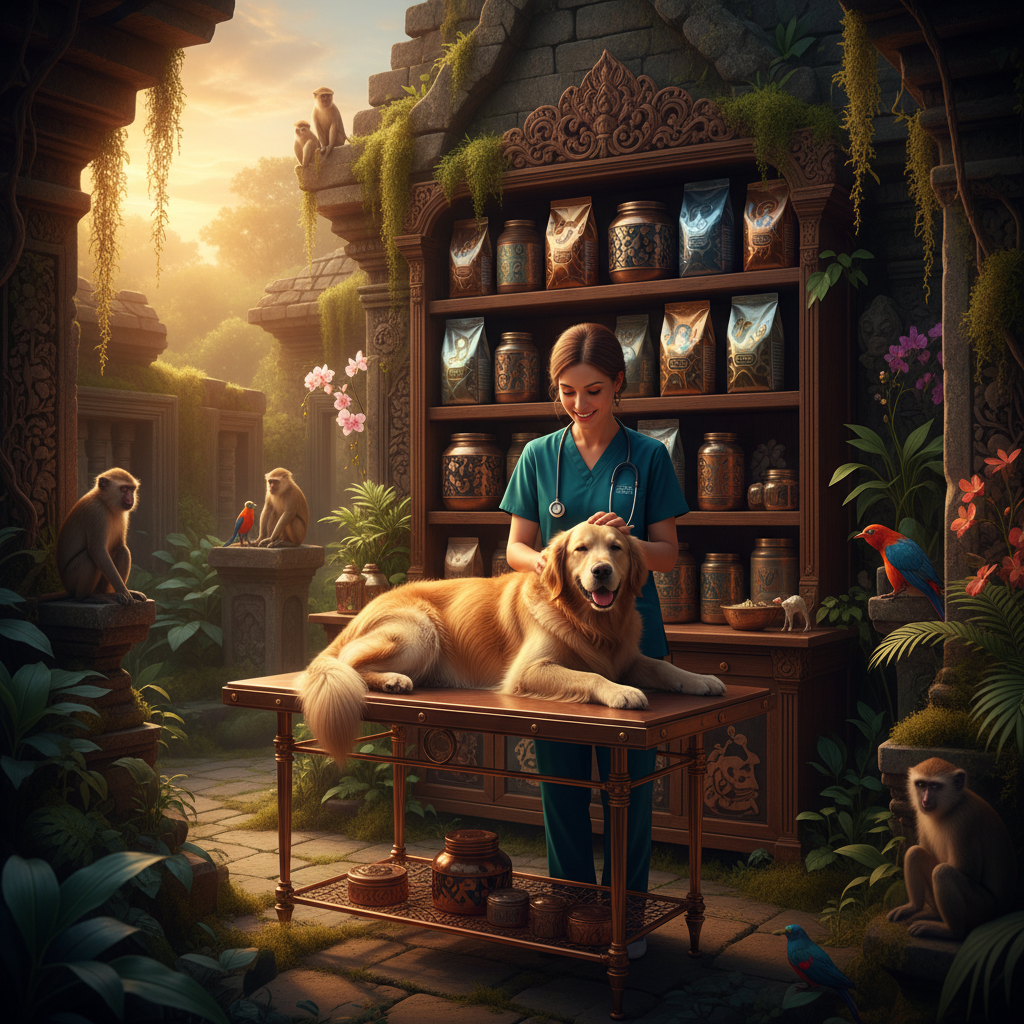
Creating a Tailored Nutritional Plan for Your Pet
Every pet is an individual with unique nutritional needs. Factors such as age, breed, activity level, and health conditions all play a role in determining the optimal diet. It’s crucial to work with your veterinarian or a board-certified veterinary nutritionist to create a tailored nutritional plan that meets your pet’s specific requirements.
Here are some key considerations when developing a nutritional plan:
- Choose High-Quality Ingredients: Look for pet foods that contain real meat, whole grains, and fresh fruits and vegetables. Avoid foods that are high in fillers, artificial colors, flavors, and preservatives.
- Consider Life Stage: Puppies and kittens have different nutritional needs than adult or senior pets. Choose a food that is specifically formulated for your pet’s life stage.
- Address Specific Health Concerns: If your pet has any health conditions, such as allergies, diabetes, or kidney disease, choose a food that is specifically formulated to address those concerns.
- Incorporate Supplements: Supplements can be a valuable addition to your pet’s diet, especially if they have any nutritional deficiencies or health problems. Consider adding omega-3 fatty acids, probiotics, prebiotics, vitamins, and minerals to your pet’s diet.
- Monitor Your Pet’s Response: Pay close attention to your pet’s coat, skin, digestion, energy levels, and behavior. If you notice any negative changes, adjust the diet accordingly.
Remember that transitioning to a new diet should be done gradually to avoid digestive upset. Start by mixing a small amount of the new food with your pet’s old food and gradually increase the proportion of the new food over a period of several days or weeks.
Beyond the Bowl: Lifestyle Factors That Support Behavior
While nutrition plays a crucial role in shaping pet behavior, it’s important to remember that it’s just one piece of the puzzle. Lifestyle factors such as exercise, mental stimulation, and socialization also contribute to a pet’s overall well-being and behavior.
- Exercise: Regular exercise helps to burn off excess energy, reduce stress, and improve sleep. Aim for at least 30 minutes of exercise per day for dogs and 15 minutes for cats.
- Mental Stimulation: Puzzle feeders, interactive toys, and training sessions can help to keep your pet mentally stimulated and prevent boredom. Boredom can often lead to destructive behaviors.
- Socialization: Exposing your pet to a variety of people, places, and situations can help them to develop into well-adjusted and confident individuals. Socialization is especially important for puppies and kittens.
- Create a Safe and Comfortable Environment: Ensure that your pet has a safe and comfortable place to retreat to when they feel stressed or overwhelmed. This could be a crate, a bed, or a quiet room.
By combining a tailored nutritional plan with a healthy lifestyle, you can create a recipe for a happy, well-behaved, and thriving pet.

Debunking Common Myths About Pet Nutrition
The world of pet nutrition can be confusing, with conflicting information and misleading marketing claims abound. Let’s debunk some common myths to help you make informed decisions about your pet’s diet:
- Myth: Grain-free diets are always healthier. While some pets may benefit from a grain-free diet due to allergies or sensitivities, grains are not inherently bad for pets. Whole grains can provide valuable nutrients, such as fiber and vitamins.
- Myth: Raw food diets are the best option. Raw food diets can be beneficial for some pets, but they also carry a higher risk of bacterial contamination. It’s essential to consult with your veterinarian before switching to a raw food diet and to follow strict food safety guidelines.
- Myth: Homemade diets are always better than commercial diets. Homemade diets can be a great option for some pets, but they require careful planning and preparation to ensure that they are nutritionally balanced. It’s essential to consult with a board-certified veterinary nutritionist to develop a balanced homemade diet.
- Myth: All treats are created equal. Many commercial treats are high in calories, sugar, and unhealthy fats. Choose treats that are made with healthy ingredients and are low in calories.
Be wary of fad diets and marketing hype. Focus on choosing a high-quality diet that is tailored to your pet’s individual needs and backed by scientific evidence.
The Future of Pet Nutrition: Personalized Approaches
The field of pet nutrition is constantly evolving, with new research and technologies emerging all the time. One of the most exciting trends is the development of personalized nutrition plans based on a pet’s individual genetic makeup. Imagine being able to tailor your pet’s diet to their specific needs based on their DNA! This could revolutionize the way we feed our pets and help to prevent and treat a wide range of health and behavioral problems.
Another promising area of research is the development of functional foods and supplements that target specific health concerns. These products contain bioactive compounds that have been shown to have therapeutic benefits. For example, some supplements contain ingredients that can help to reduce anxiety, improve cognitive function, or support joint health.

A Lifetime of Wellness: Investing in Your Pet’s Future
Investing in your pet’s nutrition is an investment in their overall health, well-being, and behavior. By providing them with a balanced, high-quality diet, you can help them to live a longer, healthier, and happier life. Don’t underestimate the power of nutrition to transform your pet from a troubled companion into a joyful and well-adjusted member of the family.
Remember, the journey to optimal pet health is a marathon, not a sprint. Be patient, consistent, and always listen to your veterinarian’s advice. With dedication and a little bit of knowledge, you can unlock the secret to a happier, healthier, and better-behaved pet through the power of nutrition.

Hi, my name is Robert Max, I live in the United States and I’m the creator of InTechNews. I started this blog with the goal of sharing reliable and practical information about pet care, helping pet owners provide a healthier and happier life for their animals. I’m passionate about animal well-being and believe that good information makes all the difference in responsible pet ownership.