
Unlocking Your Pet’s Potential: The Power of Play
Have you ever stopped to consider the profound impact a simple toy can have on your beloved pet? It’s easy to dismiss toys as mere objects of amusement, but they are so much more than that. They are tools for enrichment, engagement, and even behavioral modification. The right toy can unlock your pet’s natural instincts, provide mental stimulation, and ultimately, shape their behavior in positive ways. But how do you choose the right toy from the overwhelming array of options available? And how can you use toys strategically to address specific behavioral challenges?
The world of pet toys has exploded in recent years, offering a dizzying selection of plush toys, interactive puzzles, durable chew toys, and high-tech gadgets. This abundance of choice can be both exciting and overwhelming. It’s tempting to simply grab the cutest or most popular toy off the shelf, but a more thoughtful approach is crucial. Understanding your pet’s individual needs, preferences, and play style is the key to selecting toys that will truly make a difference.
Understanding Your Pet’s Play Style
Before diving into the specifics of toy selection, take some time to observe your pet’s play style. Is your dog a relentless chewer, obsessed with destroying anything they can get their paws on? Or are they a gentle soul who prefers soft, cuddly companions? Does your cat stalk and pounce with the stealth of a jungle predator, or are they more interested in batting around a colorful ball of yarn? Understanding these nuances is essential for choosing toys that will be both engaging and safe.
Consider your pet’s breed and natural instincts. Herding breeds, for example, often enjoy toys that allow them to chase and herd, while terriers may be drawn to toys they can dig and burrow with. Observe how your pet interacts with different objects in their environment. Do they gravitate towards things that squeak, crinkle, or move erratically? Do they prefer solo play or interactive games with you? These observations will provide valuable clues about their preferred play style and the types of toys they are most likely to enjoy.
The Right Toy for the Right Job
Once you have a better understanding of your pet’s play style, you can start to explore the different types of toys available and how they can be used to address specific behavioral needs. For example, if your dog suffers from separation anxiety, a durable chew toy filled with treats can provide a distraction and help them cope with your absence. For a cat who tends to scratch furniture, a scratching post combined with interactive toys can redirect their scratching behavior to a more appropriate outlet.
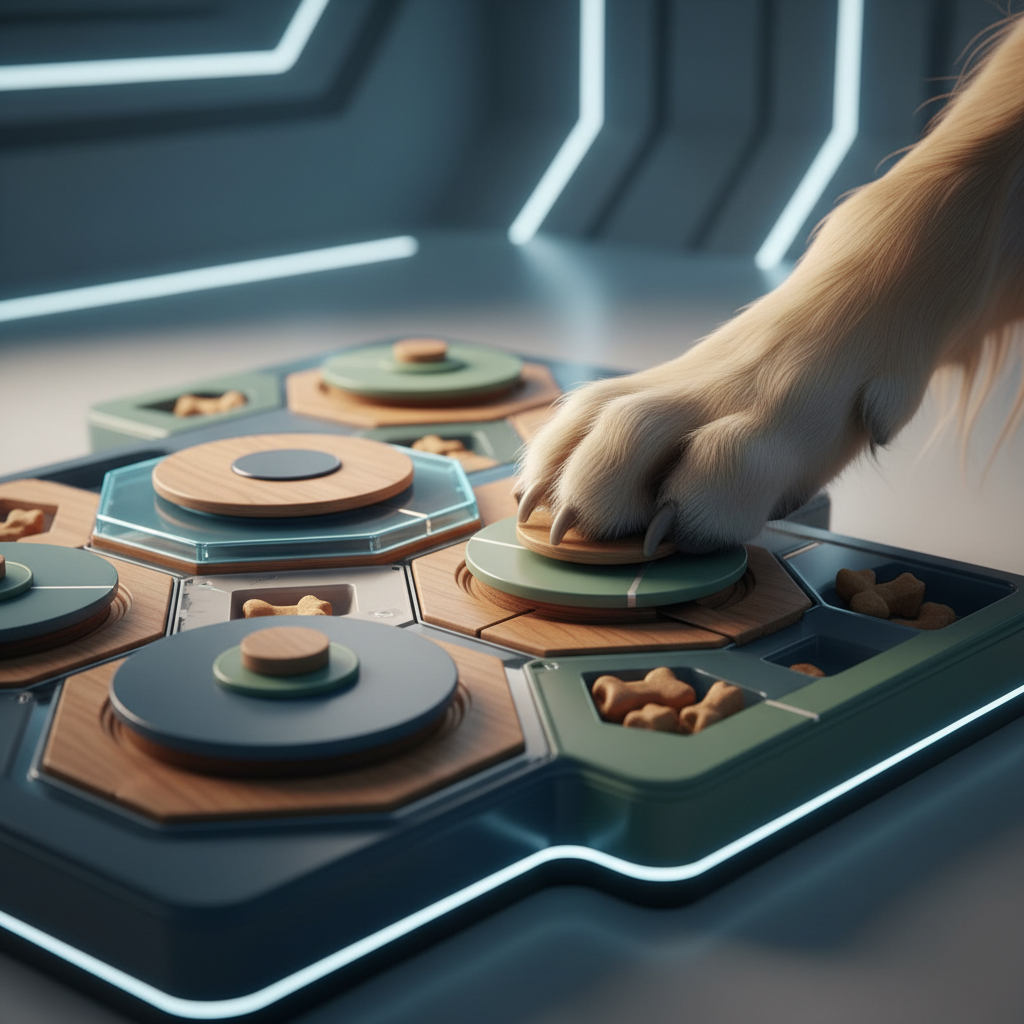
Puzzle toys are another excellent option for providing mental stimulation and preventing boredom. These toys require your pet to solve a problem or complete a task to access a reward, such as a treat or a piece of kibble. Puzzle toys can help to keep your pet mentally engaged and prevent them from developing destructive behaviors out of boredom.
Addressing Behavioral Challenges Through Play
Toys are not just for fun and games; they can also be powerful tools for addressing a wide range of behavioral challenges. From excessive barking to destructive chewing to anxiety, the right toy can help to redirect unwanted behaviors and promote a calmer, more balanced state of mind. However, it’s important to remember that toys are just one piece of the puzzle. In some cases, professional training or behavioral therapy may be necessary to address more serious underlying issues.
Combating Destructive Chewing
Destructive chewing is a common complaint among pet owners, particularly those with puppies or young dogs. While chewing is a natural behavior for dogs, it can become problematic when they start to target furniture, shoes, or other valuable items. The key to combating destructive chewing is to provide your dog with plenty of appropriate chew toys and to redirect their attention whenever they start to chew on something they shouldn’t.
Choose chew toys that are durable, safe, and appealing to your dog. Avoid toys that are too small or that can be easily broken into pieces, as these can pose a choking hazard. Rotate your dog’s chew toys regularly to keep them interested and engaged. You can also try stuffing chew toys with treats or peanut butter to make them even more enticing. When you catch your dog chewing on something they shouldn’t, calmly redirect their attention to an appropriate chew toy and praise them when they start chewing on it.
Managing Separation Anxiety
Separation anxiety is another common behavioral issue that can manifest in a variety of ways, including excessive barking, destructive chewing, and house soiling. Toys can play a valuable role in helping dogs cope with separation anxiety by providing a distraction and a sense of comfort. Before you leave your dog alone, offer them a special toy that they only get when you’re away. This could be a durable chew toy filled with treats, a puzzle toy, or a plush toy that smells like you.
The key is to make the toy as appealing as possible and to associate it with your departure. Avoid making a big fuss when you leave or return, as this can exacerbate your dog’s anxiety. Simply give them the toy and leave calmly. When you return, take the toy away and put it out of reach until the next time you leave. This will help to maintain the toy’s specialness and ensure that it continues to provide a distraction for your dog.
Encouraging Exercise and Activity
Many behavioral problems stem from a lack of exercise and mental stimulation. A bored and under-stimulated pet is more likely to engage in destructive behaviors, excessive barking, and other unwanted habits. Toys can be a great way to encourage exercise and activity, both indoors and outdoors. Fetch toys, frisbees, and tug-of-war ropes are all excellent options for getting your dog moving and burning off excess energy. For cats, laser pointers, wand toys, and interactive puzzles can provide hours of entertainment and exercise.
Make sure to choose toys that are appropriate for your pet’s age, size, and physical condition. Start slowly and gradually increase the intensity and duration of the activity as your pet gets more fit. Remember to always supervise your pet during playtime and to provide them with plenty of water to stay hydrated.
Safety First: Choosing Toys Wisely
While toys can be incredibly beneficial for your pet’s well-being, it’s important to choose them wisely and prioritize safety. Not all toys are created equal, and some can pose significant risks to your pet’s health. Always inspect toys carefully before giving them to your pet and discard any that are damaged or worn. Avoid toys that are too small or that can be easily broken into pieces, as these can be choking hazards. Be particularly cautious with toys that contain small parts, such as squeakers or buttons, which can be easily swallowed.
Consider the materials the toy is made from. Choose toys made from non-toxic, durable materials that are safe for your pet to chew on. Avoid toys made from cheap plastic or rubber, as these can contain harmful chemicals. Always supervise your pet during playtime and remove any toy that they start to destroy or ingest. Regularly clean your pet’s toys to prevent the buildup of bacteria and dirt. Follow these simple safety guidelines, you can ensure that playtime is both fun and safe for your furry friend.

Decoding Toy Materials: What’s Safe and What’s Not
The market is flooded with pet toys made from a variety of materials, each with its own set of pros and cons. Understanding these materials is crucial for making informed choices that prioritize your pet’s safety. Natural rubber, for example, is a popular choice for chew toys due to its durability and non-toxic properties. However, not all rubber is created equal. Look for toys made from 100% natural rubber that is free from harmful chemicals like BPA and phthalates.
Plush toys are another popular option, but it’s important to choose ones that are made from high-quality, non-toxic fabrics. Avoid plush toys with small parts, such as buttons or plastic eyes, that can be easily swallowed. Regularly inspect plush toys for tears or loose seams and repair or discard them as needed. Rope toys can be a great option for tug-of-war and fetch, but it’s important to choose ones made from durable, natural fibers like cotton or hemp. Avoid rope toys made from synthetic materials, as these can fray and pose a choking hazard.
Size Matters: Choosing the Right Size Toy
The size of the toy is another important factor to consider when making your selection. A toy that is too small can be a choking hazard, while a toy that is too large may be difficult for your pet to handle. Choose toys that are appropriately sized for your pet’s age, breed, and size. For puppies and small dogs, avoid toys that are smaller than their mouth. For large dogs, choose toys that are durable enough to withstand their powerful jaws. When in doubt, it’s always better to err on the side of caution and choose a toy that is slightly larger than necessary.
Beyond the Basics: Advanced Toy Strategies
Once you’ve mastered the basics of toy selection and safety, you can start to explore more advanced strategies for using toys to enrich your pet’s life and address specific behavioral challenges. This might involve creating a stimulating play environment, rotating toys regularly to keep your pet engaged, or using toys in conjunction with training exercises.
Creating a Stimulating Play Environment
Your pet’s environment plays a crucial role in their overall well-being. A stimulating play environment can help to prevent boredom, reduce stress, and promote positive behaviors. Provide your pet with a variety of toys to choose from and rotate them regularly to keep things interesting. Create designated play areas in your home where your pet can safely engage in active play. These areas should be free from hazards and distractions. You can also add elements to your pet’s environment that encourage exploration and play, such as climbing structures for cats or digging boxes for dogs.
Consider your pet’s natural instincts when designing their play environment. For example, cats are natural climbers, so providing them with a cat tree or climbing shelves can help to satisfy their urge to climb. Dogs are natural explorers, so providing them with opportunities to explore new environments and scents can help to keep them mentally stimulated. By creating a stimulating play environment, you can help to ensure that your pet is happy, healthy, and well-behaved.
The Power of Rotation: Keeping Toys Fresh
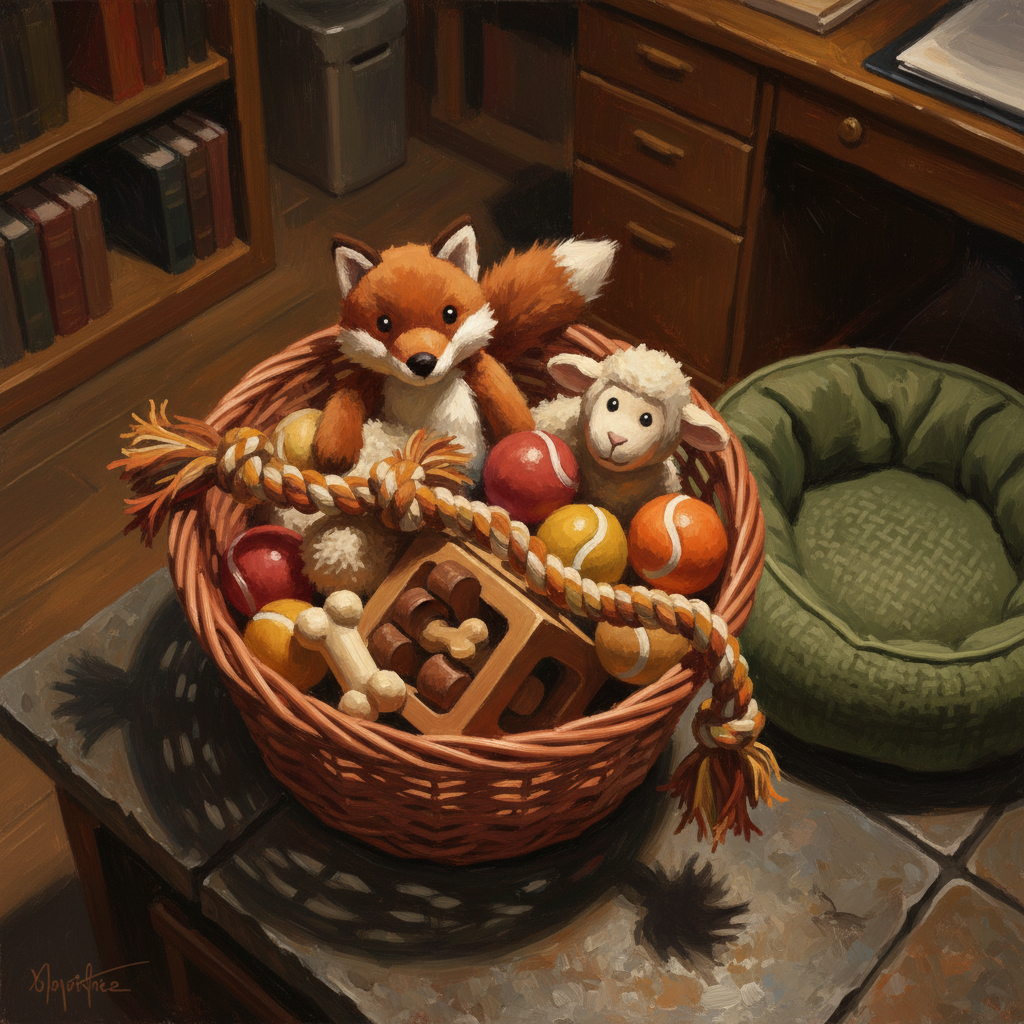
Just like humans, pets can get bored with the same old toys after a while. To keep your pet engaged and prevent them from losing interest in their toys, it’s important to rotate them regularly. This means putting some toys away for a few days or weeks and then bringing them back out later. When you reintroduce a toy that your pet hasn’t seen in a while, it will feel like a brand new toy and they will be more likely to play with it. You can also rotate the types of toys that you offer your pet to provide them with a variety of different play experiences. For example, you might rotate between chew toys, puzzle toys, and interactive toys.
Toys as Training Tools
Toys can also be used as valuable tools in training your pet. Many dogs are highly motivated by toys, and you can use this to your advantage by using toys as rewards during training sessions. For example, if you’re teaching your dog to sit, you can reward them with a quick game of fetch or tug-of-war when they perform the desired behavior. Toys can also be used to teach your pet new tricks or to improve their recall. By incorporating toys into your training sessions, you can make the process more fun and engaging for both you and your pet.
Real-World Examples: Toys That Changed Lives
The impact of the right toy can be profound. Countless stories exist of pets whose lives have been transformed by a carefully chosen plaything. Take, for instance, the case of Bella, a rescue dog with severe anxiety. Initially, Bella would cower in the corner, terrified of her new surroundings. Her owner, Sarah, tried everything to comfort her, but nothing seemed to work. Then, Sarah discovered a plush toy that emitted a gentle heartbeat sound. Bella immediately gravitated towards the toy, snuggling up to it and falling asleep. Over time, the toy became a source of comfort and security for Bella, helping her to overcome her anxiety and blossom into a confident, playful companion. This is just one example of how a simple toy can make a world of difference in a pet’s life.
Another inspiring story involves Max, a hyperactive Border Collie who was constantly getting into trouble. Max’s owner, John, was at his wit’s end, unable to control Max’s boundless energy. He tried long walks and intense exercise, but nothing seemed to tire Max out. Then, John discovered a puzzle toy that required Max to solve a series of challenges to access a hidden treat. Max was immediately captivated by the puzzle, spending hours trying to figure it out. The puzzle toy not only provided Max with much-needed mental stimulation but also helped to channel his energy into a productive activity. As a result, Max became calmer, more focused, and less prone to destructive behaviors.
These examples highlight the transformative power of toys. When chosen thoughtfully and used strategically, toys can address a wide range of behavioral challenges and significantly improve a pet’s quality of life.

The Future of Play: Emerging Trends in Pet Toys
The world of pet toys is constantly evolving, with new and innovative products emerging all the time. One of the most exciting trends is the increasing focus on interactive and technology-driven toys. These toys are designed to provide mental stimulation, encourage exercise, and even allow you to interact with your pet remotely. For example, there are now interactive toys that dispense treats when your pet solves a puzzle, as well as remote-controlled toys that allow you to play with your pet from anywhere in the world. Another trend is the growing popularity of eco-friendly and sustainable pet toys. These toys are made from recycled materials or sustainable resources, making them a more environmentally conscious choice.
As technology continues to advance, we can expect to see even more innovative and sophisticated pet toys in the future. These toys will not only provide entertainment and enrichment for our pets but also help us to better understand their needs and behaviors. The future of play is bright, and it promises to bring even more joy and connection to the bond between humans and their animal companions.
Ultimately, the right toy can be a game-changer. By understanding your pet’s individual needs and preferences, choosing toys wisely, and using them strategically, you can unlock their full potential and create a happier, healthier, and more fulfilling life for your furry friend. It’s an investment that pays dividends in the form of a stronger bond, improved behavior, and a lifetime of joyful moments shared.

Hi, my name is Robert Max, I live in the United States and I’m the creator of InTechNews. I started this blog with the goal of sharing reliable and practical information about pet care, helping pet owners provide a healthier and happier life for their animals. I’m passionate about animal well-being and believe that good information makes all the difference in responsible pet ownership.