
The Silent Scream of a Stuffed Animal: Unveiling the Link Between Toys and Pet Anxiety
We shower our beloved pets with toys, believing we’re enriching their lives, providing stimulation, and solidifying our bond. Mountains of plush animals, durable chew toys, and intricate puzzle feeders often fill corners of our homes, a testament to our affection. But have we ever stopped to consider that some of these well-intentioned gifts might be doing more harm than good? Could that squeaky toy actually be a source of silent anxiety for your furry friend?
It’s a question that deserves careful consideration. We often anthropomorphize our pets, projecting our own feelings and desires onto them. We assume that if we find something fun or entertaining, they will too. However, the canine and feline minds operate in fundamentally different ways than ours. What we perceive as a harmless plaything could be triggering a cascade of stress hormones in our companions, leading to behavioral problems, health issues, and a diminished quality of life.
This isn’t about demonizing pet toys altogether. Many toys are incredibly beneficial, providing much-needed exercise, mental stimulation, and a healthy outlet for natural instincts. The key lies in understanding your individual pet’s personality, sensitivities, and needs, and then selecting toys that align with those factors, rather than blindly following trends or succumbing to marketing hype. The goal is to create a stimulating and enriching environment, not a stressful and anxiety-inducing one.
The Squeaky Toy Paradox: High-Pitched Hysteria or Harmless Fun?
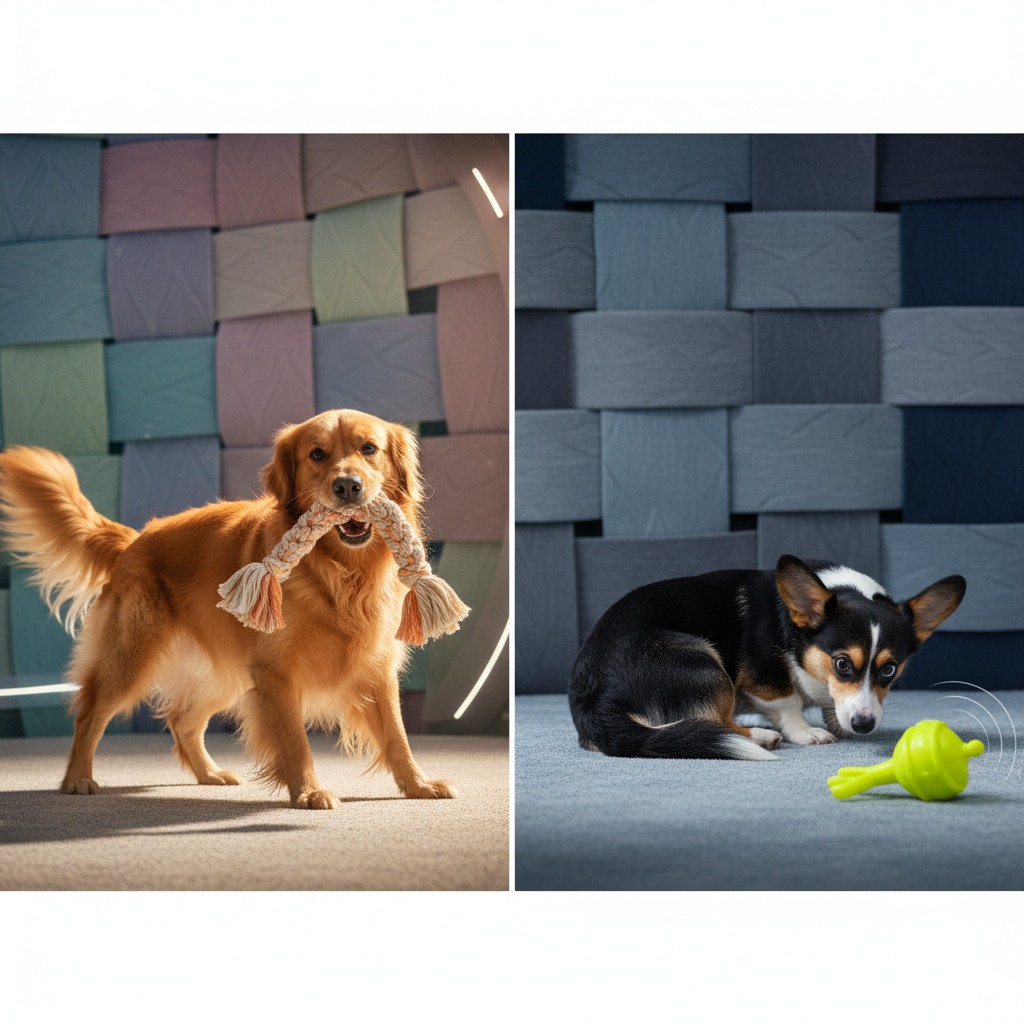
Let’s delve into a common culprit: the ubiquitous squeaky toy. For many dogs, the high-pitched squeal elicits an immediate and enthusiastic response, triggering their prey drive and fueling hours of playful engagement. They shake, toss, and relentlessly chomp on the toy, reveling in the “hunt.” But for other dogs, the same sound can be deeply unsettling.
Consider the perspective of a dog with a highly sensitive nervous system or a history of trauma. The sudden, piercing squeak can be jarring and unpredictable, mimicking the distress cries of small animals. This can trigger a fear response, leading to anxiety, hypervigilance, and even aggression. The dog may become fixated on the toy, constantly anticipating the next squeak, or they may actively avoid it, exhibiting signs of stress such as panting, pacing, and lip-licking.
Furthermore, the repetitive nature of squeaking can be problematic. The constant auditory stimulation can overexcite the nervous system, leading to sensory overload. This is particularly true for dogs with anxiety disorders or those prone to obsessive-compulsive behaviors. The squeaky toy can become a trigger for these underlying issues, exacerbating their symptoms and making it more difficult for them to cope with everyday stressors.
A case study illustrates this point: a young German Shepherd named Luna was surrendered to a local animal shelter due to “unexplained aggression.” After a thorough behavioral assessment, it was discovered that Luna had a deep-seated fear of high-pitched noises, stemming from a traumatic experience with fireworks as a puppy. Her previous owners, unaware of her phobia, had filled her toy basket with squeaky toys. The constant squeaking triggered her anxiety, leading to unpredictable outbursts of aggression towards anyone who approached her while she was playing with the toys. Once the squeaky toys were removed and Luna was provided with a calm and predictable environment, her aggression subsided significantly.
The lesson here is clear: observe your dog’s reaction to squeaky toys carefully. If they exhibit any signs of stress or anxiety, it’s best to remove the toys and explore alternative options that are less likely to trigger a negative response. There are countless other toys available that provide mental and physical stimulation without the potential for auditory overload.
Beyond the Squeak: Other Toy-Related Anxiety Triggers
The squeaky toy is just one example of how seemingly harmless playthings can contribute to pet anxiety. Other potential triggers include:
- Toys that are too small or too large: Toys that are easily swallowed pose a choking hazard and can induce anxiety in both the pet and the owner. Conversely, toys that are too large or heavy can be difficult for the pet to manipulate, leading to frustration and discouragement.
- Toys with small, detachable parts: Buttons, ribbons, and other small parts can be easily chewed off and ingested, causing gastrointestinal distress and anxiety. Always supervise your pet while they are playing with toys that have small parts, and discard any toys that are damaged or falling apart.
- Toys that mimic prey animals: Some toys are designed to resemble real animals, such as birds or squirrels. While these toys can be appealing to pets with strong prey drives, they can also trigger obsessive behaviors and anxiety. The pet may become fixated on “hunting” the toy, constantly stalking and pouncing on it, and becoming agitated when they are unable to “catch” it.
- Toys that are too challenging: Puzzle feeders and other interactive toys can be a great way to provide mental stimulation, but if they are too difficult for the pet to solve, they can lead to frustration and anxiety. Start with simple puzzles and gradually increase the difficulty as your pet becomes more proficient.
- Toys that are associated with negative experiences: If a pet has had a negative experience with a particular toy, such as being accidentally hit with it or having it taken away as punishment, they may develop a fear or aversion to that toy. Avoid using toys as punishment, and always approach playtime with a positive and encouraging attitude.
It’s crucial to remember that every pet is an individual, and what triggers anxiety in one pet may not affect another. The key is to be observant, pay attention to your pet’s body language, and adjust your toy selection accordingly. If you’re unsure whether a particular toy is appropriate for your pet, consult with a veterinarian or a certified professional dog trainer.
The Power of Observation: Decoding Your Pet’s Body Language
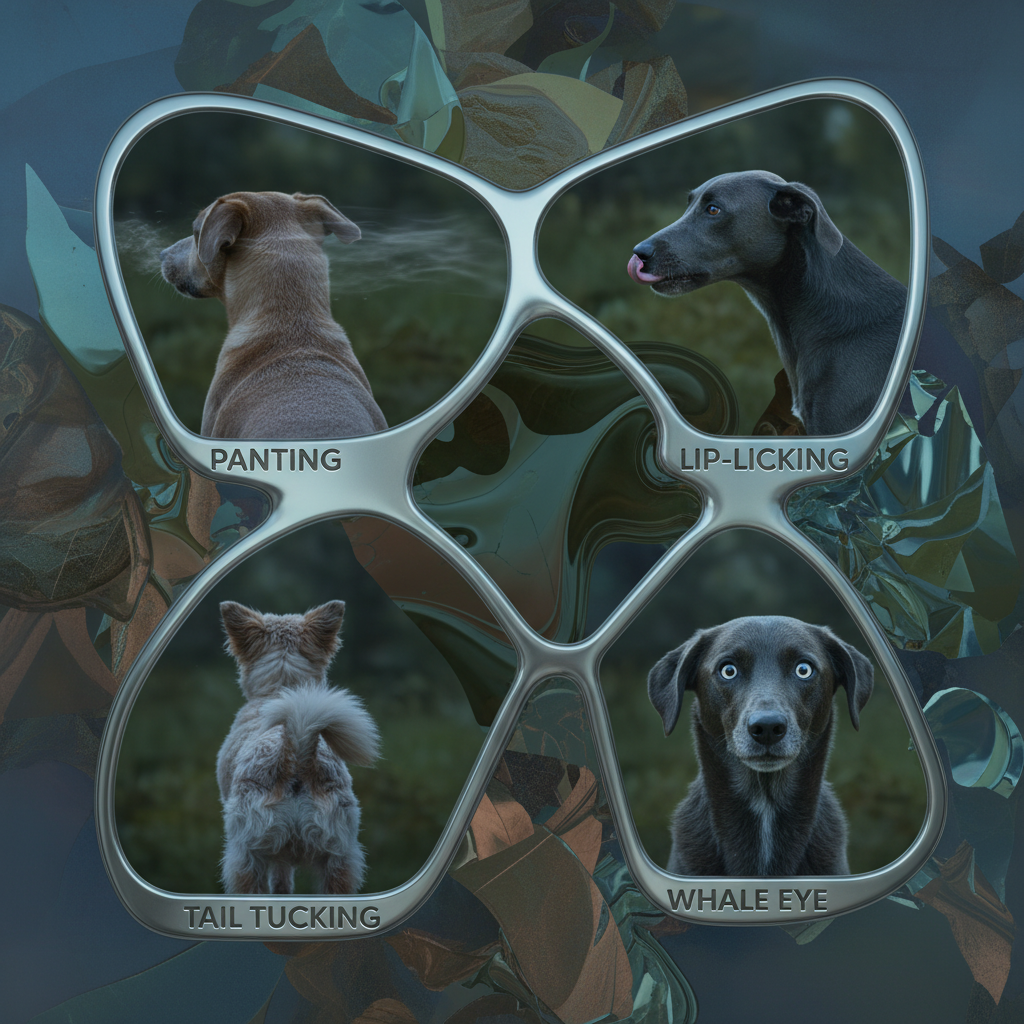
Our pets can’t verbally express their anxieties, but their body language often speaks volumes. Learning to interpret these subtle cues is essential for identifying potential anxiety triggers and creating a more comfortable and enriching environment for your furry friend. Some common signs of anxiety in pets include:
- Panting: Excessive panting, even when the pet is not hot or exerting themselves, can be a sign of stress or anxiety.
- Pacing: Restless pacing back and forth can indicate nervousness or agitation.
- Lip-licking: Frequent lip-licking, especially when it’s not related to eating or grooming, can be a sign of anxiety.
- Yawning: Excessive yawning, even when the pet is not tired, can be a displacement behavior, indicating that they are feeling stressed or uncomfortable.
- Tail tucking: A tucked tail is a classic sign of fear or anxiety.
- Ears back: Flattened ears can indicate fear, submission, or anxiety.
- Whale eye: Showing the whites of the eyes, also known as “whale eye,” can indicate that the pet is feeling uncomfortable or threatened.
- Trembling: Shaking or trembling can be a sign of fear or anxiety, especially when it’s not related to cold.
- Hiding: Retreating to a safe place, such as under a bed or behind a couch, can indicate that the pet is feeling overwhelmed or anxious.
- Changes in appetite: A sudden decrease or increase in appetite can be a sign of stress or anxiety.
If you observe any of these signs in your pet while they are playing with a particular toy, it’s important to remove the toy and assess the situation. Try introducing the toy again later in a more relaxed environment, and observe your pet’s reaction carefully. If the anxiety persists, it’s best to avoid using that toy altogether.
Creating a Toy-Safe Haven: Practical Tips for Reducing Anxiety
Creating a toy-safe haven for your pet involves more than just selecting the right toys. It also requires creating a calm and predictable environment, providing plenty of opportunities for exercise and mental stimulation, and addressing any underlying anxiety issues. Here are some practical tips to help you create a more comfortable and enriching environment for your furry friend:
- Choose toys that are appropriate for your pet’s size, age, and breed. Consider your pet’s chewing style and select toys that are durable and safe.
- Introduce new toys gradually. Allow your pet to explore the toy at their own pace, and avoid forcing them to play with it if they seem hesitant.
- Rotate toys regularly. Keeping a variety of toys on hand and rotating them regularly can help prevent boredom and keep your pet engaged.
- Provide plenty of opportunities for exercise and mental stimulation. Regular walks, playtime, and training sessions can help reduce anxiety and improve your pet’s overall well-being.
- Create a calm and predictable environment. Avoid sudden changes in routine, and provide your pet with a safe and comfortable space where they can retreat when they feel overwhelmed.
- Address any underlying anxiety issues. If your pet is experiencing chronic anxiety, consult with a veterinarian or a certified professional dog trainer to develop a treatment plan. This may involve medication, behavioral therapy, or a combination of both.
- Supervise playtime, especially with new toys. Always monitor your pet while they are playing with toys, especially new ones, to ensure they are not chewing off and swallowing small parts.
- Regularly inspect toys for damage. Discard any toys that are damaged, broken, or falling apart, as these can pose a choking hazard.
Remember, the goal is to create a positive and enriching play experience for your pet, one that promotes their physical and mental well-being. By carefully selecting toys, observing your pet’s body language, and addressing any underlying anxiety issues, you can help ensure that playtime is a source of joy and relaxation, rather than stress and fear.
The Importance of Enrichment: Beyond the Toy Box
While toys play a significant role in enriching a pet’s life, they are just one piece of the puzzle. True enrichment encompasses a wide range of activities and experiences that stimulate the mind, body, and senses. This can include:
- Puzzle feeders: These interactive toys require pets to solve a puzzle to access their food, providing mental stimulation and slowing down their eating.
- Snuffle mats: These mats have hidden pockets where you can hide treats or kibble, encouraging pets to use their sense of smell and foraging skills.
- Agility training: Agility training is a fun and challenging activity that helps improve a pet’s coordination, confidence, and focus.
- Clicker training: Clicker training is a positive reinforcement method that can be used to teach pets a variety of behaviors, from basic obedience commands to complex tricks.
- Sensory walks: Taking your pet on a walk in a new and interesting environment can provide them with a wealth of sensory stimulation, including new sights, smells, and sounds.
- Socialization: Exposing your pet to a variety of people, animals, and environments can help them become more confident and well-adjusted.
By providing a diverse range of enrichment activities, you can help prevent boredom, reduce anxiety, and improve your pet’s overall quality of life. Remember to tailor the activities to your pet’s individual needs and preferences, and always supervise them during playtime to ensure their safety.

When to Seek Professional Help: Navigating Persistent Anxiety
While many cases of toy-related anxiety can be resolved with simple adjustments to toy selection and environmental management, some pets may require professional help. If your pet is experiencing persistent anxiety, despite your best efforts, it’s important to consult with a veterinarian or a certified professional dog trainer. They can help you identify the underlying cause of the anxiety and develop a comprehensive treatment plan.
A veterinarian can rule out any underlying medical conditions that may be contributing to the anxiety and can prescribe medication if necessary. A certified professional dog trainer can help you develop a behavioral modification plan to address the anxiety and teach your pet coping skills. This may involve desensitization and counter-conditioning techniques, which gradually expose the pet to the anxiety-provoking stimulus in a safe and controlled environment, while pairing it with positive reinforcement.
It’s important to remember that treating anxiety is often a long-term process that requires patience, consistency, and a commitment to your pet’s well-being. With the right support and guidance, you can help your pet overcome their anxiety and live a happier, healthier life.
The Gift of Understanding: A Final Thought
Ultimately, providing our pets with the best possible life requires more than just showering them with toys. It requires understanding their individual needs, sensitivities, and preferences, and creating an environment that supports their physical and emotional well-being. By being mindful of the potential anxiety triggers hidden within our pet’s toy boxes, and by embracing a holistic approach to enrichment, we can ensure that our furry friends are truly happy and content.

The key takeaway? Be observant. Be empathetic. Be a thoughtful guardian. A little awareness can transform playtime from a potential source of stress into a genuine opportunity for connection and joy.

Hi, my name is Robert Max, I live in the United States and I’m the creator of InTechNews. I started this blog with the goal of sharing reliable and practical information about pet care, helping pet owners provide a healthier and happier life for their animals. I’m passionate about animal well-being and believe that good information makes all the difference in responsible pet ownership.