
The Absurdity of Runway-Ready Rovers: When Pet Fashion Misses the Mark
We love our pets. We pamper them, we spoil them, and we often treat them like members of the family – because, let’s face it, they are. This deep affection has fueled a booming industry: pet fashion. From tiny tutus for teacup poodles to miniature motorcycle jackets for macho mutts, the options are endless. But at what point does our desire to dress up our furry friends cross the line from cute to cruel? When does pet fashion become more about our own amusement than our pets’ comfort and well-being?
Isn’t there something fundamentally strange about forcing animals into outfits that restrict their movement, overheat them, or simply make them look deeply unhappy? The answer, I believe, lies in understanding the difference between functional clothing and purely aesthetic “fashion.”
Consider this: humans wear clothes for a multitude of reasons – warmth, protection, modesty, and yes, even self-expression. But our pets have natural defenses that we often overlook in our quest to turn them into miniature versions of ourselves. Their fur provides insulation, their instincts guide their behavior, and their body language is often compromised by the very garments we force upon them.
Functional vs. Frivolous: Drawing the Line
The key distinction lies in necessity. A dog wearing a waterproof coat in a torrential downpour? Absolutely practical. A cat sporting a sequined jumpsuit at a costume party? Utterly ridiculous, and potentially distressing for the animal.
Let’s break it down further:
* **Practical clothing:** This includes items like winter coats for short-haired breeds in freezing climates, booties to protect paws from salt and ice, and even recovery suits after surgery. These garments serve a clear purpose: to protect the animal from harm or aid in their recovery.
* **Frivolous fashion:** This encompasses everything else – the tiny hats, the elaborate costumes, the bedazzled collars, and the miniature human clothes. These items are primarily for the owner’s amusement and often disregard the animal’s comfort and natural behavior.
The problem arises when we prioritize fashion over function, when we choose style over substance, and when we forget that our pets are not dolls to be dressed up according to our whims.
The Comfort Conundrum: How Clothing Impacts Animal Well-being
Imagine being forced to wear a tight, itchy sweater on a sweltering summer day. Uncomfortable, right? Now imagine you can’t take it off, can’t communicate your discomfort, and are simply expected to endure it for the amusement of others. This is the reality for many pets subjected to ill-fitting or inappropriate clothing.
Animals regulate their body temperature differently than humans. Dogs, for example, primarily cool themselves through panting and through the pads of their paws. Encasing them in layers of fabric can hinder this natural process, leading to overheating and potentially dangerous heatstroke. Cats, on the other hand, are meticulous groomers. Clothing can interfere with their ability to groom themselves properly, leading to skin irritation and stress.
Beyond the physical discomfort, there’s also the psychological impact to consider. Many animals find clothing restrictive and anxiety-inducing. It can limit their range of motion, impair their ability to communicate with other animals, and even trigger fear or aggression.
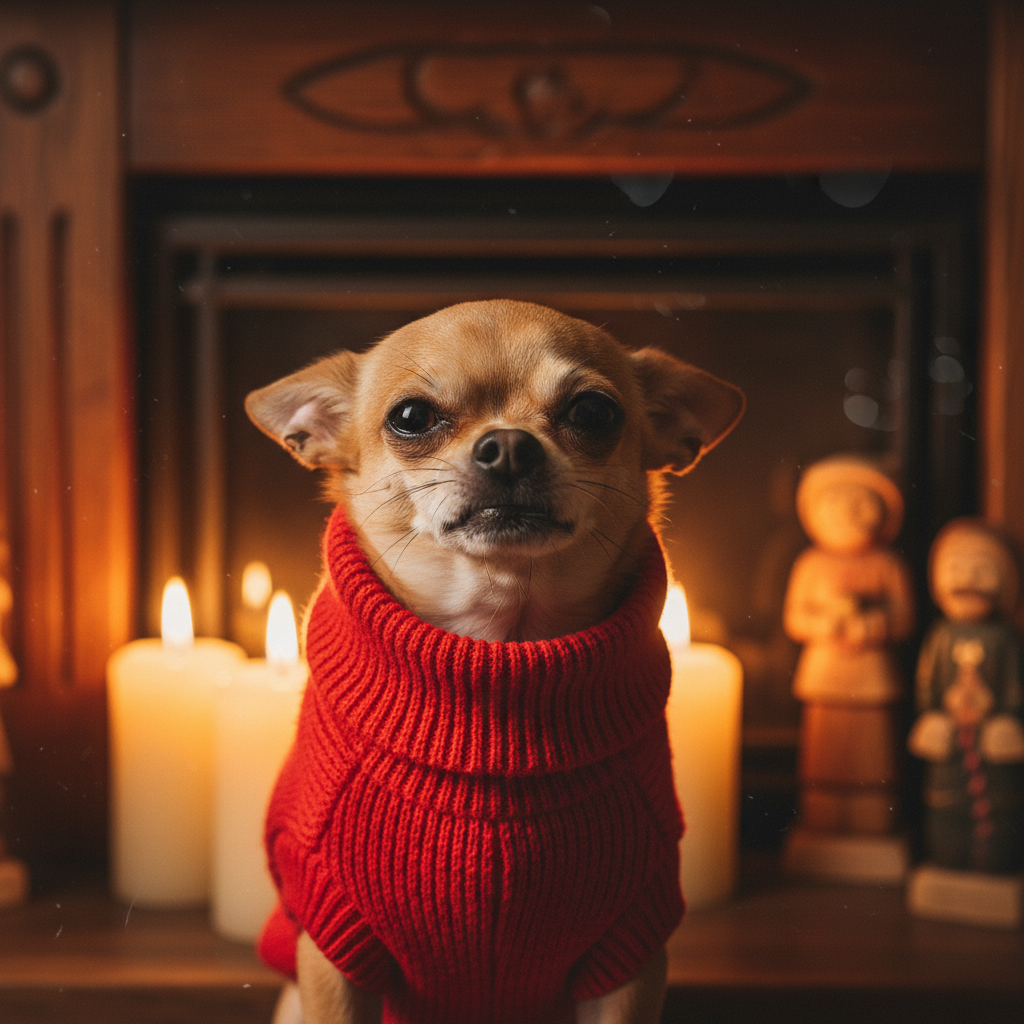
Case Study: The Rise of the “Emotional Support Animal” Outfit
The trend of dressing up “emotional support animals” is particularly concerning. While some animals genuinely benefit from the presence of a vest or harness that provides a sense of security, the line between therapeutic aid and fashion accessory is often blurred.
I’ve seen dogs adorned in elaborate “emotional support” vests covered in patches and pins, looking more like walking billboards than companions. Are these vests truly providing comfort and support, or are they simply a way for owners to draw attention to themselves and their pets?
The potential for exploitation is significant. Some individuals may exploit the “emotional support animal” designation to gain access to places where pets are normally prohibited, further fueling the demand for elaborate outfits and accessories. This not only undermines the legitimacy of genuine emotional support animals but also puts undue stress on the animals themselves.
The Social Media Spectacle: Fueling the Fashion Frenzy
Social media platforms have undoubtedly contributed to the rise of pet fashion. Instagram accounts dedicated to stylishly dressed pets abound, showcasing everything from designer dog collars to custom-made cat costumes. The pressure to keep up with the latest trends can be intense, leading some owners to prioritize aesthetics over their pets’ well-being.
The allure of likes, shares, and followers can be a powerful motivator, especially in a world where social media validation is increasingly valued. But at what cost? Are we sacrificing our pets’ comfort and happiness for the sake of online attention?
Think about it: How often do you see a picture of a pet in clothing looking genuinely happy and relaxed? More often than not, they appear uncomfortable, stiff, or even distressed. Yet, these images are often celebrated and shared widely, perpetuating the cycle of pet fashion absurdity.
Ethical Considerations: Are We Treating Our Pets Like Props?
At its core, the issue of pet fashion raises fundamental ethical questions about our relationship with animals. Are we treating them with the respect and dignity they deserve, or are we simply using them as props in our own personal dramas?
Consider the following:
* **Autonomy:** Animals have the right to express their natural behaviors and to make choices that are in their own best interests. Forcing them into clothing that restricts their movement or impairs their senses violates this right to autonomy.
* **Respect:** Treating animals with respect means recognizing their intrinsic value and acknowledging their needs and desires. Dressing them up in silly costumes for our own amusement undermines this principle of respect.
* **Responsibility:** As pet owners, we have a responsibility to provide for our animals’ physical and emotional well-being. This includes ensuring that they are comfortable, safe, and free from unnecessary stress.
When we prioritize fashion over these ethical considerations, we risk turning our pets into objects of our own vanity, rather than treating them as sentient beings with their own unique needs and desires.
The “But My Pet Likes It!” Argument: Debunking the Myth
Some pet owners argue that their animals actually enjoy wearing clothes. They may point to instances where their dog seems excited to put on a coat or where their cat purrs while being dressed in a sweater. But is this truly an indication of enjoyment, or is it simply a learned behavior?
Animals are highly adaptable creatures, and they often learn to tolerate things that they don’t necessarily enjoy. A dog may associate putting on a coat with going for a walk, and therefore exhibit excitement in anticipation of the outing. A cat may tolerate being dressed in a sweater because it has learned that resistance is futile.
It’s important to distinguish between tolerance and genuine enjoyment. Just because an animal doesn’t actively resist being dressed up doesn’t mean that it actually likes it. In many cases, they are simply complying with their owner’s wishes, even if it makes them uncomfortable.
Furthermore, animals often communicate their discomfort through subtle cues that we may miss. A dog that is panting excessively, licking its lips, or yawning frequently may be trying to tell us that it’s too hot or stressed. A cat that is twitching its tail, flattening its ears, or hissing may be indicating that it’s feeling anxious or threatened.
It’s our responsibility as pet owners to pay attention to these subtle cues and to respect our animals’ boundaries. If they seem uncomfortable or distressed, it’s time to ditch the fashion and let them be themselves.
Beyond the Clothes: Alternative Ways to Express Your Pet’s Personality
If you’re looking for ways to express your pet’s personality without resorting to ridiculous clothing, there are plenty of other options:
* **Grooming:** A well-groomed pet is a happy pet. Regular brushing, bathing, and nail trimming not only keep your animal looking their best but also provide an opportunity for bonding and relaxation.
* **Accessories:** If you insist on accessorizing, choose items that are functional and comfortable. A stylish collar with an ID tag, a comfortable harness for walks, or a cozy bed are all great options.
* **Training:** Teaching your pet new tricks and commands is a fantastic way to stimulate their mind and strengthen your bond. It also allows you to showcase their intelligence and personality.
* **Photography:** Capture your pet’s unique personality through photography. A well-composed photograph can be a far more meaningful and lasting tribute than any silly outfit.
Remember, your pet’s personality shines through their behavior, their interactions with you, and their unique quirks. You don’t need to dress them up in ridiculous clothing to make them stand out.
The Future of Pet Fashion: A Call for Conscious Consumption
The pet fashion industry is unlikely to disappear anytime soon. However, we can all play a role in promoting more ethical and responsible practices. As consumers, we have the power to demand better products, to support companies that prioritize animal welfare, and to reject trends that are harmful or exploitative.
Here are some steps you can take:
* **Educate yourself:** Learn about the potential risks and benefits of pet clothing.
* **Choose wisely:** Opt for functional clothing made from breathable materials that fit properly.
* **Prioritize comfort:** Always put your pet’s comfort and well-being first.
* **Reject the ridiculous:** Say no to costumes, accessories, and trends that are purely for your own amusement.
* **Speak out:** Share your concerns with friends, family, and online communities.
By making conscious choices and advocating for responsible practices, we can help create a future where pet fashion is more about function and less about frivolousness, a future where animals are treated with the respect and dignity they deserve.
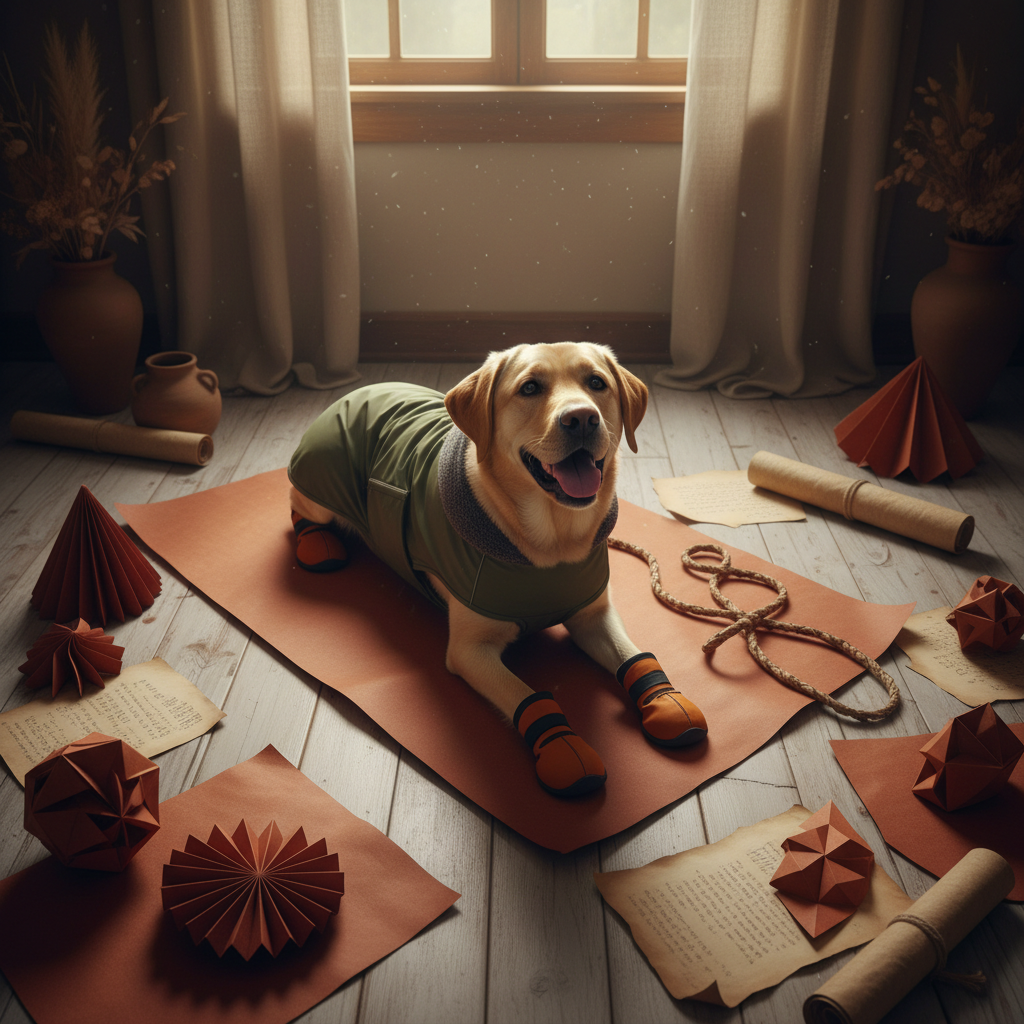
Beyond Trends: Prioritizing Your Pet’s Well-Being
Let’s face it, fashion trends come and go. What’s considered “in” today might be utterly ridiculous tomorrow. But your pet’s well-being should never be a trend. It should be a constant, unwavering priority.
Before you even consider dressing your pet in any garment, ask yourself these questions:
* Is this clothing necessary for my pet’s health and safety?
* Is it comfortable and well-fitting?
* Will it restrict my pet’s movement or impair their senses?
* Will it cause my pet stress or anxiety?
* Am I doing this for my pet’s benefit, or for my own amusement?
If you can’t answer “yes” to all of these questions, it’s best to leave the clothing on the rack.
Remember, your pet loves you for who you are, not for what they wear. They appreciate your care, your attention, and your companionship far more than any fancy outfit.
The Deeper Connection: Understanding Your Pet’s Needs
Ultimately, the issue of pet fashion boils down to understanding and respecting your pet’s needs. It’s about recognizing that they are sentient beings with their own unique personalities, preferences, and limitations. It’s about fostering a relationship based on mutual respect, trust, and love.
When we truly connect with our pets, we realize that their well-being is far more important than any fleeting fashion trend. We understand that their happiness is not dependent on the clothes they wear, but on the love and care we provide.
And perhaps, in the end, that’s the most fashionable thing of all.
So, the next time you’re tempted to dress your pet in a ridiculous outfit, take a moment to pause and reflect. Ask yourself if you’re truly doing it for their benefit, or for your own. Consider the ethical implications, the potential discomfort, and the impact on their well-being.
Choose wisely, prioritize comfort, and always remember that your pet’s happiness is far more important than any fleeting fashion trend. Let’s celebrate their unique personalities and embrace their natural beauty, without subjecting them to the absurdities of runway-ready rover fashion. Let’s prioritize their well-being above all else, fostering a deeper connection built on respect, understanding, and unconditional love. Because, at the end of the day, isn’t that what being a pet owner is all about?

Hi, my name is Robert Max, I live in the United States and I’m the creator of InTechNews. I started this blog with the goal of sharing reliable and practical information about pet care, helping pet owners provide a healthier and happier life for their animals. I’m passionate about animal well-being and believe that good information makes all the difference in responsible pet ownership.