
The Paradox of Plenty: Toys and Our Furry Friends
We love our pets, and we show that love in countless ways. One of the most common? Showering them with toys. A squeaky ball here, a plush animal there, a puzzle toy for mental stimulation – the options seem endless. Walk into any pet store, and you’re greeted by aisles overflowing with colorful, enticing playthings designed to capture your pet’s attention (and your wallet). But have you ever stopped to consider if there’s such a thing as *too* many toys?
It’s a question that often gets overlooked in our consumer-driven society. We’re conditioned to believe that more is always better. But when it comes to our pets, particularly dogs and cats, the abundance of toys can actually backfire, leading to a range of unexpected and often undesirable consequences. It’s a paradox of plenty: we aim to enrich their lives, but inadvertently diminish their enjoyment and even impact their behavior.
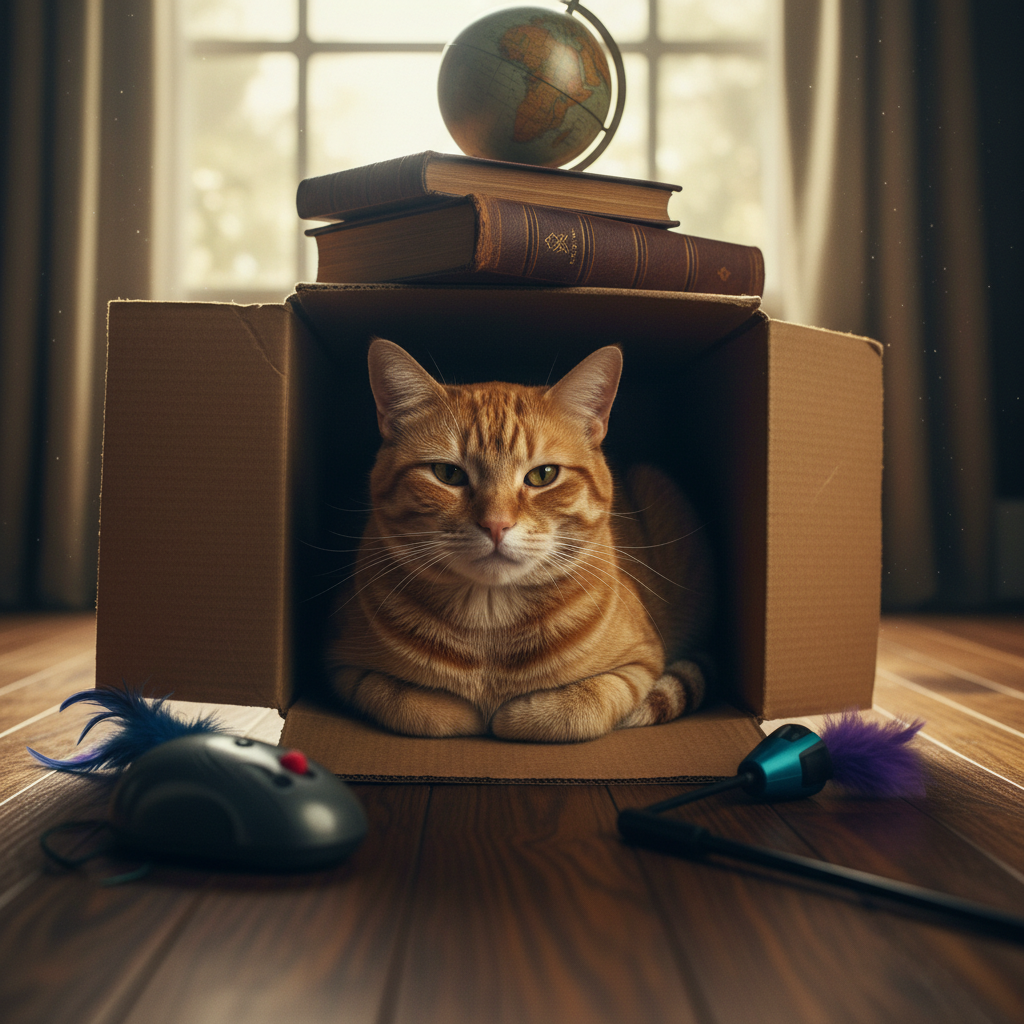
Think about it: Have you ever given your dog a brand-new toy, only for them to play with it intensely for a few minutes before losing interest and moving on to the next one? Or perhaps your cat seems more interested in the cardboard box the toys came in than the toys themselves? This isn’t necessarily a sign of a “bad” toy or a picky pet. It could be a symptom of overstimulation, a consequence of being bombarded with too many options at once.
The Dangers of Overstimulation
Overstimulation occurs when an animal is exposed to more sensory input than it can effectively process. This can manifest in various ways, including anxiety, hyperactivity, decreased focus, and even aggression. While the primary culprits are often loud noises, chaotic environments, or negative experiences, a constant barrage of toys can also contribute to this state.
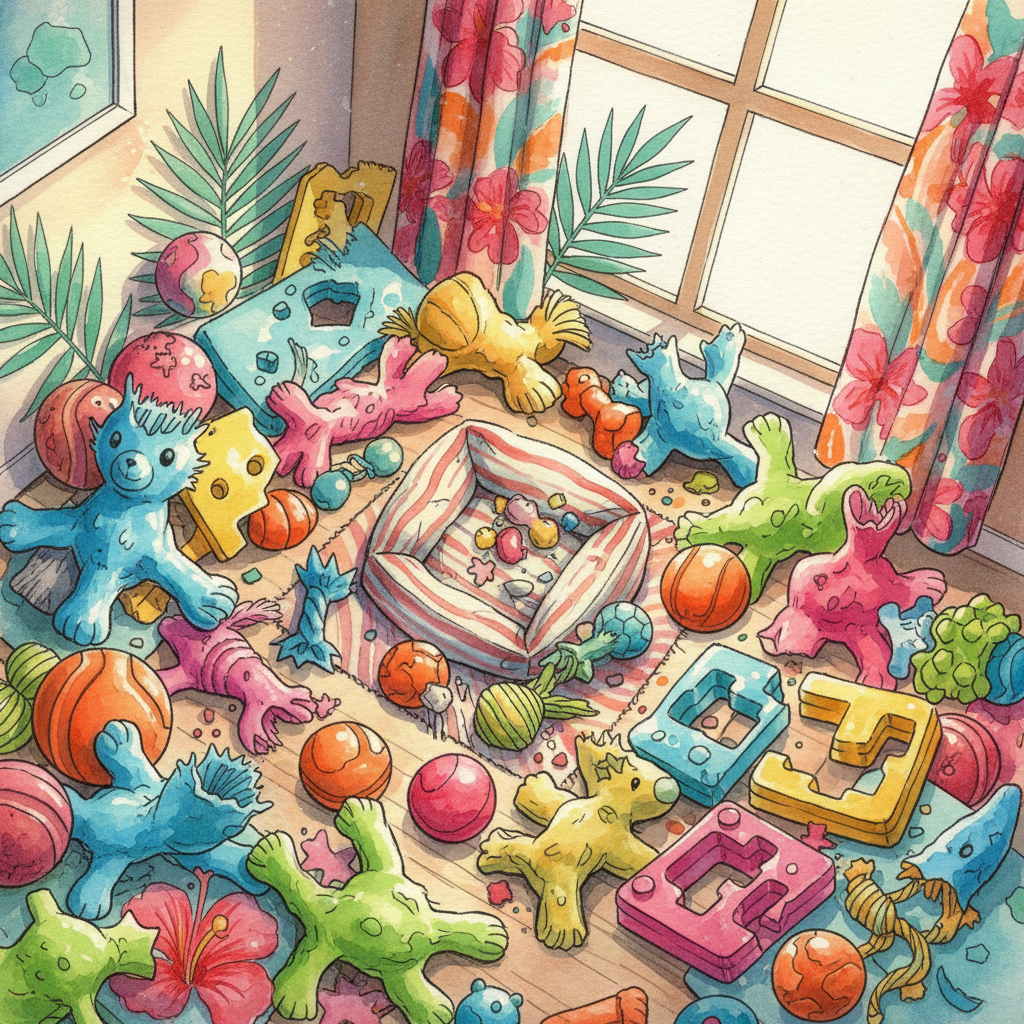
Imagine a child’s playroom overflowing with every imaginable toy. While it might seem like a paradise, the child can quickly become overwhelmed, unable to decide what to play with and ultimately feeling frustrated and anxious. The same principle applies to our pets. When faced with an excessive number of toys, they can become paralyzed by choice, leading to diminished engagement and increased stress levels.
Consider a case study: A family adopted a young Labrador retriever puppy and, eager to provide the best possible life, immediately stocked up on dozens of toys. Balls, ropes, plush animals, puzzle toys – the puppy had it all. However, instead of a happy, playful pup, they found themselves with a hyperactive, easily distracted dog who constantly chewed on inappropriate items like furniture and shoes. After consulting with a professional dog trainer, they realized the issue wasn’t a lack of toys, but rather an excess. By reducing the number of available toys and rotating them regularly, they saw a dramatic improvement in the dog’s behavior and focus.
The Loss of Value and the Rise of Boredom
Another significant consequence of too many toys is the devaluation of each individual toy. When toys are readily available and constantly present, they lose their novelty and appeal. Just as a child who receives a mountain of presents on Christmas morning quickly forgets about most of them, a pet who is constantly surrounded by toys fails to appreciate the unique qualities of each one.
This can lead to a cycle of boredom and disinterest. The pet quickly tires of each toy, moving on to the next in search of novelty, but never truly engaging with any of them. This constant pursuit of novelty can be exhausting for the pet and frustrating for the owner. Furthermore, it can contribute to destructive behaviors, as the pet seeks out other ways to entertain themselves, often at the expense of your furniture or belongings.
Think about the power of scarcity. A toy that is only brought out occasionally, perhaps during specific playtime sessions, becomes much more valuable and exciting. The pet anticipates the opportunity to play with that special toy and engages with it more fully when the time comes. This controlled access not only increases the toy’s appeal but also strengthens the bond between you and your pet, as playtime becomes a shared and anticipated experience.
The Art of Toy Rotation: Quality Over Quantity
So, how do we avoid the pitfalls of toy overload and ensure that our pets are truly benefiting from their playthings? The answer lies in the art of toy rotation. This simple yet effective strategy involves limiting the number of toys available to your pet at any given time and rotating them regularly to maintain their novelty and appeal.
The benefits of toy rotation are numerous:
* **Reduced Overstimulation:** By limiting the number of available toys, you reduce the sensory overload and create a calmer, more focused environment for your pet.
* **Increased Engagement:** When toys are rotated regularly, they remain novel and exciting, encouraging your pet to engage with them more fully.
* **Prevented Boredom:** Toy rotation prevents boredom by constantly introducing new challenges and stimuli, keeping your pet mentally stimulated and entertained.
* **Reduced Destructive Behaviors:** By keeping your pet engaged and entertained with appropriate toys, you reduce the likelihood of them engaging in destructive behaviors out of boredom or frustration.
* **Strengthened Bond:** Playtime with rotated toys becomes a special and anticipated event, strengthening the bond between you and your pet.
Implementing a Successful Toy Rotation System
Implementing a successful toy rotation system is surprisingly simple. Here’s a step-by-step guide:
1. **Inventory:** Gather all of your pet’s toys and assess their condition. Discard any broken or unsafe toys.
2. **Categorize:** Divide the remaining toys into categories based on their function and appeal. For example, you might have categories for chew toys, fetch toys, puzzle toys, and plush toys.
3. **Select a Rotation Group:** Choose a small selection of toys from each category to form your initial rotation group. A good rule of thumb is to start with around 3-5 toys.
4. **Store the Rest:** Store the remaining toys out of sight, in a closet or storage bin.
5. **Rotate Regularly:** Rotate the toys in the rotation group every few days or weeks, depending on your pet’s preferences and engagement level. Observe your pet’s behavior to determine the optimal rotation schedule.
6. **Introduce New Toys Gradually:** When introducing a new toy, do so in a controlled and engaging manner. Play with your pet using the new toy, showing them how it works and encouraging them to explore its different features.
Beyond the Basics: Tailoring the Rotation to Your Pet
While the basic principles of toy rotation remain the same, it’s important to tailor the system to your pet’s individual needs and preferences. Consider their breed, age, personality, and play style when selecting toys and determining the rotation schedule.
For example, a high-energy dog who loves to fetch might benefit from a rotation that includes a variety of balls and frisbees, while a more mellow cat might prefer a rotation of plush toys and interactive puzzle feeders. Observe your pet’s behavior and adjust the rotation accordingly to ensure that they are engaged, entertained, and stimulated.
Remember, the goal of toy rotation is not simply to provide your pet with a constant stream of new toys, but rather to create a more enriching and engaging play experience. By carefully curating the selection of toys and rotating them regularly, you can help your pet develop a deeper appreciation for each individual toy and foster a stronger bond between you.
The Psychology of Play: Understanding Your Pet’s Needs
Beyond simply providing toys, it’s crucial to understand the underlying psychology of play and how it contributes to your pet’s overall well-being. Play is not just a frivolous activity; it’s an essential part of their physical, mental, and emotional development.
For dogs, play serves a variety of purposes. It allows them to express their natural instincts, such as hunting, chasing, and retrieving. It also provides an opportunity for social interaction, both with humans and other dogs. Through play, dogs learn important social skills, develop their physical coordination, and relieve stress.
Cats, on the other hand, tend to engage in more solitary play. Their play behavior is often driven by their predatory instincts, as they stalk, pounce, and bat at toys that mimic the movement of prey. Play also helps cats to maintain their physical fitness, sharpen their reflexes, and relieve boredom.
Understanding your pet’s specific play needs is essential for selecting appropriate toys and creating a stimulating play environment. Consider their breed, age, personality, and energy level when choosing toys. A high-energy dog might benefit from toys that encourage vigorous exercise, while a more laid-back cat might prefer toys that provide mental stimulation.

The Importance of Interactive Play
While providing toys is important, it’s even more crucial to engage in interactive play with your pet. Interactive play involves actively participating in your pet’s play sessions, rather than simply providing them with toys and leaving them to entertain themselves.
Interactive play offers a multitude of benefits. It strengthens the bond between you and your pet, provides them with valuable social interaction, and helps them to develop important skills and behaviors. It also allows you to monitor their physical and mental well-being, identifying any potential problems early on.
There are countless ways to engage in interactive play with your pet. You can play fetch with your dog, chase a laser pointer with your cat, or simply cuddle and groom them while they play with their favorite toy. The key is to be present and engaged, paying attention to your pet’s cues and responding to their needs.
Avoiding Common Play Mistakes
Even with the best intentions, it’s easy to make common mistakes that can detract from your pet’s play experience. Here are a few things to avoid:
* **Using Toys as Punishment:** Never use toys as a form of punishment. This can create negative associations with the toys and discourage your pet from playing.
* **Forcing Play:** Don’t force your pet to play if they are not in the mood. Respect their boundaries and allow them to choose when and how they want to play.
* **Ignoring Safety:** Always supervise your pet during playtime and ensure that the toys are safe and appropriate for their size and breed.
* **Neglecting Variety:** Don’t stick to the same old toys and routines. Introduce new toys and activities regularly to keep your pet engaged and stimulated.
By understanding the psychology of play and avoiding common mistakes, you can create a more enriching and enjoyable play experience for your pet. Remember, play is not just about providing toys; it’s about fostering a strong bond, promoting physical and mental well-being, and enriching your pet’s life in countless ways.
The Financial Factor: Toys as an Investment, Not an Expense
Beyond the behavioral and psychological implications, the abundance of pet toys also raises a financial question: Are we truly getting our money’s worth? The pet industry is a multi-billion dollar business, and toys represent a significant portion of that revenue. We often justify these purchases as investments in our pet’s happiness and well-being, but is that always the case?
Consider the sheer volume of toys that many pets accumulate over their lifetimes. From puppyhood to old age, they are showered with plush animals, squeaky balls, and interactive puzzles, often costing hundreds or even thousands of dollars. But how many of these toys actually get used regularly and provide lasting value?
The truth is, a significant portion of these toys end up forgotten, discarded, or even destroyed within a short period of time. They become just another piece of clutter in the home, contributing to a sense of overwhelm and diminishing the value of each individual toy.
Shifting the Focus: Quality Over Quantity
Instead of focusing on quantity, we should shift our attention to quality. Investing in a smaller number of durable, well-designed toys that are tailored to our pet’s specific needs and preferences can provide far greater value in the long run.
These toys should be made from safe, non-toxic materials and designed to withstand the rigors of regular play. They should also be engaging and stimulating, providing our pets with opportunities to exercise their minds and bodies.
Think about it: A single, well-made puzzle toy that challenges your dog’s problem-solving skills and keeps them entertained for hours is far more valuable than a dozen flimsy squeaky toys that are quickly destroyed. Similarly, a durable catnip-filled kicker toy that your cat loves to wrestle with is a better investment than a pile of cheap plastic toys that they ignore.
Making Informed Purchasing Decisions
When choosing toys for your pet, it’s important to do your research and make informed purchasing decisions. Read reviews, compare prices, and consider the toy’s durability, safety, and suitability for your pet’s needs.
Avoid impulse purchases and resist the temptation to buy every new toy that catches your eye. Instead, take the time to observe your pet’s play habits and preferences, and choose toys that align with their individual needs.
Consider the long-term value of the toy. Will it provide lasting entertainment and stimulation? Is it likely to withstand regular use? Is it made from safe, non-toxic materials? By asking these questions, you can ensure that you are making a wise investment in your pet’s happiness and well-being.
The Power of DIY: Creating Homemade Toys
Another way to save money and provide your pet with unique and engaging toys is to create them yourself. DIY pet toys can be surprisingly simple and cost-effective to make, using materials that you already have around the house.
For dogs, you can create rope toys from old t-shirts, puzzle toys from cardboard boxes, or snuffle mats from fleece fabric. For cats, you can make catnip-filled socks, feather wands from dowel rods, or cardboard scratchers from recycled boxes.
Not only are DIY pet toys a great way to save money, but they also provide you with an opportunity to bond with your pet and express your creativity. By making your own toys, you can ensure that they are safe, durable, and tailored to your pet’s specific needs and preferences.
Beyond Toys: Enriching Your Pet’s Life in Other Ways
While toys play an important role in enriching our pets’ lives, they are just one piece of the puzzle. There are countless other ways to provide our furry friends with stimulation, entertainment, and opportunities to thrive.
Consider the importance of environmental enrichment. Creating a stimulating and engaging environment for your pet can have a profound impact on their well-being. This can involve providing them with access to outdoor spaces, creating climbing structures for cats, or simply rearranging their living space to provide new perspectives and challenges.
Socialization is another crucial aspect of pet enrichment. Allowing your pet to interact with other animals and people can help them to develop important social skills, build confidence, and prevent boredom. This can involve taking your dog to the park, arranging playdates for your cat, or simply inviting friends and family over to interact with your pet.
The Power of Training and Mental Stimulation
Training and mental stimulation are also essential for keeping our pets happy and engaged. Teaching your pet new tricks, providing them with puzzle toys, or simply engaging in regular training sessions can help to sharpen their minds, build their confidence, and strengthen the bond between you.
Training doesn’t have to be a chore. It can be a fun and rewarding experience for both you and your pet. Use positive reinforcement methods, such as treats and praise, to encourage your pet to learn and succeed.
Consider enrolling your pet in obedience classes, agility training, or other specialized programs to provide them with additional challenges and opportunities for growth. These programs can not only help your pet to develop new skills but also provide them with valuable social interaction and mental stimulation.
The Importance of Routine and Consistency
Finally, remember the importance of routine and consistency in your pet’s life. Pets thrive on predictability and structure. Establishing a consistent daily routine, including regular feeding times, exercise sessions, and playtime, can help to reduce stress and anxiety and promote overall well-being.
Be consistent with your training methods, your rules, and your expectations. This will help your pet to understand what is expected of them and avoid confusion and frustration.
By providing your pet with a stimulating environment, opportunities for socialization and training, and a consistent daily routine, you can ensure that they are living a happy, healthy, and fulfilling life. Toys are a valuable tool, but they are just one piece of the puzzle. The key is to take a holistic approach to pet enrichment, considering all aspects of their physical, mental, and emotional well-being. The end result will be a happier pet, and a stronger bond between you. And that’s something that no mountain of toys can replace.

Hi, my name is Robert Max, I live in the United States and I’m the creator of InTechNews. I started this blog with the goal of sharing reliable and practical information about pet care, helping pet owners provide a healthier and happier life for their animals. I’m passionate about animal well-being and believe that good information makes all the difference in responsible pet ownership.