
The Silent Language of Connection: Observing Your Pet
Training a pet isn’t merely about teaching tricks or enforcing commands. It’s a profound dance of understanding, a silent conversation built on observation and empathy. It begins not when your pet learns to sit, stay, or fetch, but when you, the owner, learn to truly observe. To see beyond the wagging tail or the demanding meow, and to understand the complex tapestry of emotions and instincts that drive your animal companion.
Consider this: we often project our own human interpretations onto our pets’ behaviors. We assume they’re acting out of spite when they chew our favorite shoes, or that they understand the intricacies of our apologies after a scolding. But the reality is far more nuanced. Their actions are rooted in a different world, a world of scent, instinct, and immediate experience. To bridge this gap, we must become diligent observers, dedicated students of their unique language.
Think of it as learning a foreign language. You wouldn’t expect to become fluent without immersing yourself in the culture, listening intently to native speakers, and studying the subtle nuances of their expressions. Similarly, you can’t expect to truly connect with your pet without dedicating yourself to understanding their world, observing their behaviors, and interpreting their silent cues.
Unlocking the Secrets of Body Language
A crucial aspect of observation is understanding your pet’s body language. This is their primary form of communication, a visual symphony of subtle movements and postures that convey a wealth of information. A dog’s tail, for example, isn’t simply a happiness indicator. The height, direction, and speed of the wag can reveal a range of emotions, from excitement and playfulness to anxiety and uncertainty. A tucked tail, flattened ears, and a lowered head are clear signs of fear or submission, while a stiff tail and raised hackles indicate aggression or defensiveness.
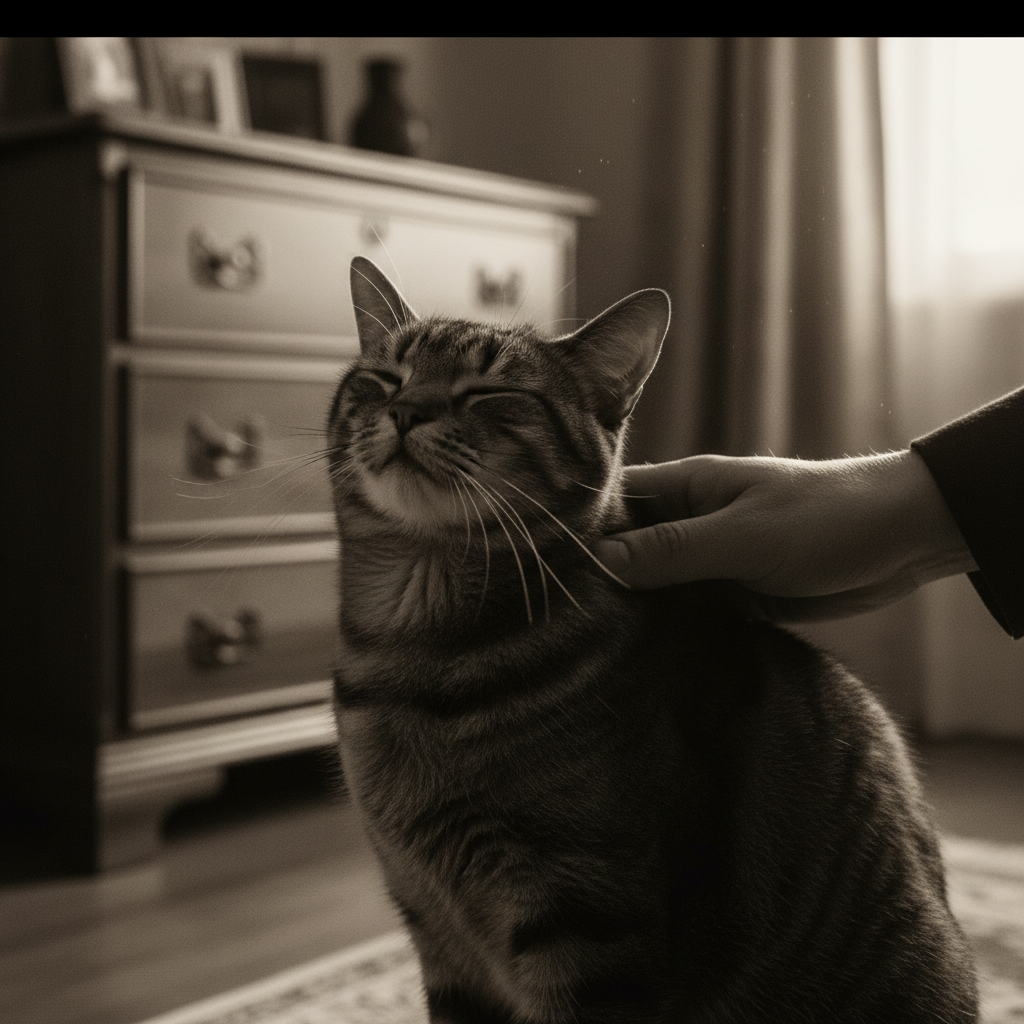
Cats, too, are masters of subtle communication. A slow blink, often referred to as a “cat kiss,” is a sign of trust and affection. A puffed-up tail and arched back signal fear or aggression, while a gentle headbutt is a sign of bonding and affection. Paying close attention to these subtle cues can help you understand your cat’s emotional state and respond accordingly.
It’s not just about recognizing individual signals, but also about understanding the context in which they occur. A dog might wag its tail when meeting a new person, but the accompanying body posture will reveal whether the dog is genuinely happy and excited or simply nervous and unsure. Similarly, a cat might purr while being petted, but if its ears are flattened and its tail is twitching, it might be a sign that it’s feeling overwhelmed.
Case Study: The Anxious Retriever Imagine a golden retriever named Buddy, who always seemed anxious during walks. His owner, initially focused on getting Buddy to “heel” perfectly, didn’t notice the subtle signs of discomfort. Buddy would pull on the leash, pant excessively, and constantly scan his surroundings. One day, the owner decided to simply observe Buddy, without any agenda or expectations. He noticed that Buddy’s anxiety peaked near busy intersections and loud construction sites. By rerouting their walks to quieter, less stimulating areas, the owner significantly reduced Buddy’s anxiety and created a much more enjoyable experience for both of them. This simple act of observation transformed their relationship and improved Buddy’s overall well-being.
The Power of Routine and Ritual
Animals thrive on routine and predictability. A consistent schedule of feeding, walks, and playtime provides them with a sense of security and control. By observing your pet’s behavior within the context of their daily routine, you can gain valuable insights into their needs and preferences.
For example, if your dog consistently paces and whines around 5 pm, it might be a sign that they’re anticipating their dinner. If your cat always seeks out a sunny spot in the afternoon, it might be a sign that they enjoy basking in the warmth. By recognizing these patterns, you can create a more harmonious environment that caters to your pet’s natural instincts.
Rituals, too, play an important role in strengthening the bond between you and your pet. A nightly cuddle session, a morning walk in the park, or a regular game of fetch can become cherished traditions that reinforce your connection and provide your pet with a sense of belonging. Observing how your pet responds to these rituals can reveal their individual preferences and help you tailor them to their specific needs.
Decoding Vocalizations: More Than Just Barks and Meows
While body language is a primary mode of communication, vocalizations also play a significant role in expressing your pet’s emotions and intentions. A dog’s bark, for example, can convey a range of messages, from excitement and playfulness to fear and aggression. The tone, pitch, and frequency of the bark can provide valuable clues about the dog’s emotional state.
Cats, too, have a diverse range of vocalizations, each with its own distinct meaning. A gentle purr is a sign of contentment, while a hiss is a clear warning signal. A meow can be a simple greeting, a request for attention, or a plea for food. By listening attentively to your cat’s vocalizations, you can gain a deeper understanding of their needs and desires.
It’s important to remember that vocalizations are often influenced by context. A dog might bark excitedly when playing with a toy, but the same bark might be a sign of aggression if directed at a stranger. Similarly, a cat might meow incessantly when hungry, but the same meow might be a sign of loneliness if it’s accompanied by other signs of distress, such as pacing and restlessness.
Example: The Case of the Chatty Siamese A Siamese cat named Luna was known for her constant meowing. Her owners initially dismissed it as “just her personality,” but after observing her more closely, they realized that Luna’s meows varied depending on the situation. A short, high-pitched meow was a greeting, while a long, drawn-out meow was a plea for attention. A series of rapid meows accompanied by pacing indicated that she was hungry or thirsty. By learning to differentiate between Luna’s meows, her owners were able to better understand her needs and respond accordingly, significantly reducing her overall anxiety and improving her quality of life.

Beyond the Obvious: Recognizing Subtle Shifts in Behavior
Sometimes, the most important clues are the most subtle. A slight change in appetite, a subtle shift in sleep patterns, or a fleeting expression of discomfort can be early warning signs of a potential health issue or emotional distress. By paying close attention to these subtle changes, you can often identify problems before they escalate into more serious issues.
For example, if your dog suddenly becomes less enthusiastic about their favorite treats, it might be a sign of dental pain or gastrointestinal upset. If your cat starts hiding more frequently or grooming excessively, it might be a sign of stress or anxiety. A subtle limp or stiffness can be an early indicator of arthritis or other musculoskeletal problems.
It’s important to establish a baseline understanding of your pet’s normal behavior so that you can easily recognize any deviations from the norm. This requires consistent observation and a keen awareness of your pet’s individual quirks and habits.
The Importance of Early Detection Catching subtle changes early on can be crucial for preventing serious health problems. Consider the case of a senior dog who started sleeping more than usual. The owner initially attributed it to old age, but after noticing that the dog also seemed less interested in playing, they took him to the vet. The vet discovered that the dog had developed hypothyroidism, a condition that can cause fatigue and lethargy. By catching the condition early, the vet was able to prescribe medication that significantly improved the dog’s energy levels and overall quality of life.
The Role of Empathy: Walking in Your Pet’s Paws
Ultimately, effective observation requires empathy. It’s about putting yourself in your pet’s paws, trying to understand their perspective, and seeing the world through their eyes. What might be frightening or overwhelming to them? What might be exciting or stimulating? By developing a deeper understanding of your pet’s emotional landscape, you can create a more supportive and nurturing environment.
Empathy allows you to anticipate your pet’s needs and respond proactively. If you know that your dog is afraid of thunderstorms, you can create a safe and comfortable space for them to retreat to during a storm. If you know that your cat is easily startled by loud noises, you can avoid sudden movements and speak in a calm and reassuring voice.
It’s also important to recognize that your pet’s emotional needs can change over time. A young, energetic dog might require a lot of physical activity and mental stimulation, while a senior dog might prefer shorter walks and more quiet time. By observing your pet’s behavior and responding with empathy, you can ensure that their needs are met throughout their lives.
Moving Beyond Training: Building a True Partnership
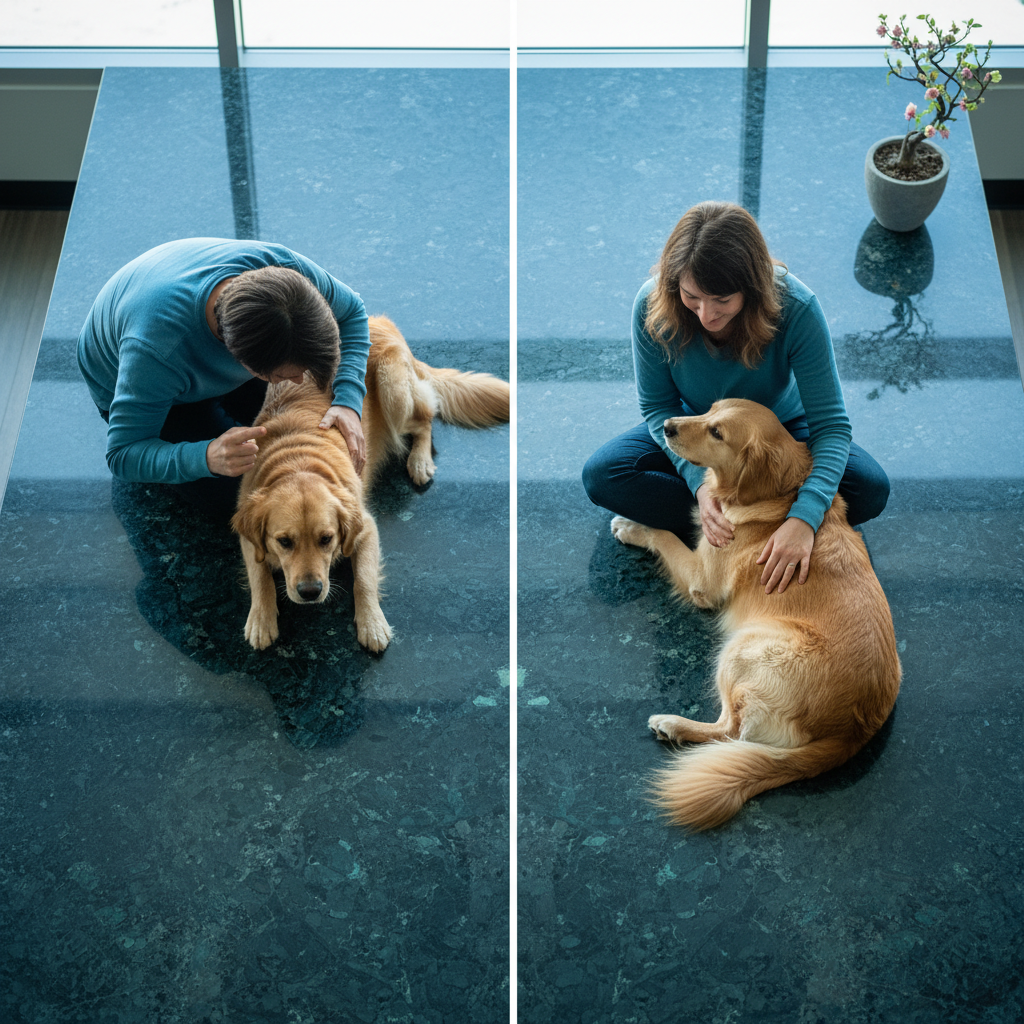
Observing your pet is not just about training them to obey commands; it’s about building a true partnership based on mutual respect and understanding. It’s about recognizing that your pet is an individual with their own unique personality, preferences, and needs. By embracing this perspective, you can move beyond simply controlling your pet’s behavior and start cultivating a deeper, more meaningful relationship.
This involves being flexible and adaptable in your approach to training. What works for one pet might not work for another. Some pets respond well to positive reinforcement, while others are more motivated by praise and affection. By observing your pet’s reactions to different training techniques, you can tailor your approach to their individual learning style.
It also involves being patient and understanding. Learning takes time, and there will be setbacks along the way. It’s important to celebrate small victories and to avoid getting discouraged by occasional lapses in behavior. Remember that your pet is doing their best to understand what you’re asking of them, and that a little patience and encouragement can go a long way.
The Long-Term Rewards The rewards of observing your pet extend far beyond simply improving their obedience. It strengthens your bond, deepens your understanding, and enhances your appreciation for the unique qualities that make your pet so special. It transforms the relationship from one of owner and pet to one of companions, partners, and friends. This deeper connection brings immeasurable joy and enriches both your lives in countless ways.
Consider the journey of a rescue dog named Shadow. He was initially withdrawn and fearful, clearly traumatized by his past experiences. His new owner, instead of immediately trying to force him into obedience, simply observed him, patiently learning his triggers and anxieties. She discovered that he was particularly afraid of loud noises and sudden movements. By creating a safe and predictable environment, and by gradually exposing him to these triggers in a controlled manner, she helped him overcome his fears and build trust. Over time, Shadow transformed from a frightened and withdrawn dog into a confident and loving companion. This transformation was a direct result of the owner’s unwavering commitment to observing and understanding Shadow’s unique needs.

The Ongoing Journey of Discovery
Observing your pet is not a one-time event; it’s an ongoing journey of discovery. As your pet grows and changes, their needs and preferences will evolve. By continuing to observe them closely, you can stay attuned to their evolving needs and provide them with the best possible care.
This means being open to learning new things and challenging your assumptions. Just when you think you have your pet figured out, they might surprise you with a new behavior or a hidden talent. By embracing this sense of curiosity and wonder, you can continue to deepen your understanding of your animal companion and strengthen your bond for years to come.
It also means being willing to seek out expert advice when needed. Veterinarians, trainers, and behaviorists can provide valuable insights and guidance, helping you to better understand your pet’s needs and address any challenges that may arise. Remember that seeking help is not a sign of weakness; it’s a sign of commitment to your pet’s well-being.
In conclusion, training a pet truly begins when the owner learns to observe. It’s a continuous process of paying attention, interpreting cues, and responding with empathy. It’s about understanding your pet’s unique language and building a relationship based on mutual respect and trust. By embracing the art of observation, you can unlock the secrets of your pet’s heart and create a bond that will enrich both your lives in countless ways. The most profound lessons are often learned not through commands and corrections, but through quiet observation and a genuine desire to understand the silent language of connection.

Hi, my name is Robert Max, I live in the United States and I’m the creator of InTechNews. I started this blog with the goal of sharing reliable and practical information about pet care, helping pet owners provide a healthier and happier life for their animals. I’m passionate about animal well-being and believe that good information makes all the difference in responsible pet ownership.