
The Power of the Plate: Why Pet Nutrition Matters More Than You Think
We often think of our pets as family, showering them with affection, providing them with cozy beds, and ensuring they get plenty of playtime. But are we truly considering the long-term implications of what we put in their food bowls each day? The truth is, the food we choose for our beloved companions plays a pivotal role in shaping their health, energy levels, and overall well-being for years to come. It’s not just about filling their bellies; it’s about fueling their bodies with the nutrients they need to thrive.
Think of it like this: would you consistently feed a child processed junk food and expect them to excel in school, maintain a healthy weight, and avoid chronic illnesses? Probably not. The same principle applies to our pets. While a quick and convenient kibble might seem like the easiest option, it often lacks the vital nutrients found in whole, unprocessed foods. These deficiencies can accumulate over time, leading to a range of health problems that could have been prevented with a more thoughtful approach to nutrition.
Building a Foundation for a Healthy Future
From the moment a puppy or kitten is weaned, their dietary needs are crucial for proper growth and development. A balanced diet rich in essential amino acids, vitamins, and minerals helps build strong bones, muscles, and immune systems. This foundation sets the stage for a lifetime of health and vitality. Conversely, a diet lacking in these essential nutrients can stunt growth, weaken the immune system, and increase susceptibility to diseases later in life. This stage is critical; are we truly giving them what they need?
Consider the case of a Labrador puppy fed a generic, low-quality kibble during its first year. While the puppy may have initially seemed healthy, it later developed hip dysplasia, a painful joint condition that is often linked to nutritional deficiencies during the rapid growth phase. A diet rich in glucosamine and chondroitin, along with appropriate calcium and phosphorus levels, could have helped prevent this debilitating condition. This illustrates the profound impact of early nutrition on long-term health outcomes.

Understanding the Ingredients: Decoding the Pet Food Label
Navigating the world of pet food can feel like deciphering a foreign language. The labels are often filled with confusing terms, percentages, and ingredients that are difficult to understand. However, taking the time to learn how to read and interpret these labels is essential for making informed choices about your pet’s diet. What exactly are you feeding your furry friend?
The first step is to pay attention to the ingredient list. Ingredients are listed in descending order by weight, so the first few ingredients make up the bulk of the food. Look for recognizable, whole food ingredients like meat, vegetables, and fruits. Avoid foods that list “meat by-products,” “animal digest,” or “fillers” like corn and wheat as primary ingredients. These ingredients are often low in nutritional value and can contribute to digestive issues and allergies.
For instance, compare two different dog food labels. One lists “chicken,” “brown rice,” “sweet potatoes,” and “peas” as the first four ingredients. The other lists “corn,” “soybean meal,” “meat by-products,” and “wheat gluten.” Which option sounds more nutritious and beneficial for your dog’s health? The answer is clear: the first option provides a more balanced and wholesome source of nutrients.
The Truth About Fillers and By-Products
The term “filler” often refers to ingredients like corn, wheat, and soy that are used to add bulk to pet food without providing significant nutritional value. These ingredients are often difficult for pets to digest and can contribute to digestive problems, allergies, and obesity. Similarly, “meat by-products” can include a variety of less desirable animal parts, such as organs, bones, and blood. While some by-products can be nutritious, they are often of lower quality than whole meat sources.
Many pet owners are unaware that these ingredients are common in many commercially available pet foods. They may assume that because the food is labeled as “complete and balanced,” it must be healthy for their pet. However, it’s important to remember that the term “complete and balanced” only means that the food meets the minimum nutritional requirements established by organizations like the Association of American Feed Control Officials (AAFCO). It doesn’t necessarily mean that the food is optimal for your pet’s health.
Grain-Free vs. Grain-Inclusive: What’s Right for Your Pet?
The debate over grain-free versus grain-inclusive diets has become increasingly popular in recent years. Grain-free diets have gained popularity, fueled by the misconception that grains are inherently harmful to pets. While some pets may have sensitivities or allergies to certain grains, most pets can tolerate grains in moderation. The key is to choose high-quality, easily digestible grains like brown rice, quinoa, or oats, rather than processed grains like corn or wheat.
The Food and Drug Administration (FDA) has been investigating a potential link between grain-free diets and dilated cardiomyopathy (DCM), a type of heart disease, in dogs. While the exact cause of this link is still under investigation, it’s important to be aware of the potential risks associated with grain-free diets. It’s always best to consult with your veterinarian to determine the most appropriate diet for your pet’s individual needs and health status. Is a trendy diet really worth risking their health?

Beyond the Bowl: Exploring Alternative Feeding Options
While commercially available pet food can be a convenient option, there are also alternative feeding options that can provide your pet with a more nutritious and balanced diet. These options include homemade diets, raw diets, and fresh food delivery services. Each of these options has its own set of benefits and risks, so it’s important to do your research and consult with your veterinarian before making any changes to your pet’s diet.
Homemade diets involve preparing your pet’s food from scratch using whole food ingredients. This allows you to have complete control over the ingredients and ensure that your pet is getting a balanced and nutritious diet. However, creating a homemade diet requires careful planning and research to ensure that you are meeting all of your pet’s nutritional needs. It’s essential to work with a veterinary nutritionist to develop a recipe that is tailored to your pet’s individual needs and health status.
The Rise of Raw Feeding: Benefits and Risks
Raw feeding, also known as BARF (Biologically Appropriate Raw Food), involves feeding your pet a diet consisting of raw meat, bones, and organs. Proponents of raw feeding argue that it is a more natural and species-appropriate diet for pets. They claim that raw feeding can improve digestion, boost the immune system, and promote healthy skin and coat. However, raw feeding also carries potential risks, such as bacterial contamination and nutritional imbalances. It requires careful handling and preparation to minimize the risk of foodborne illness.
It’s important to note that the American Veterinary Medical Association (AVMA) does not currently endorse raw feeding due to the potential risks to both pets and humans. If you are considering raw feeding, it’s crucial to consult with your veterinarian and take precautions to minimize the risk of bacterial contamination. Proper hygiene practices, such as washing your hands thoroughly after handling raw meat and disinfecting food preparation surfaces, are essential.
Fresh Food Delivery Services: Convenience Meets Nutrition
Fresh food delivery services have become increasingly popular in recent years, offering a convenient way to provide your pet with a fresh and nutritious diet. These services typically deliver pre-portioned meals made with whole food ingredients directly to your doorstep. Many of these services work with veterinary nutritionists to formulate recipes that are balanced and tailored to your pet’s individual needs.
While fresh food delivery services can be a convenient option, it’s important to research the company and ensure that they are using high-quality ingredients and following proper food safety protocols. Look for services that use human-grade ingredients and have a strong track record of safety and quality. It’s also a good idea to read reviews from other pet owners to get an idea of their experiences with the service. Is the convenience worth the cost, and are you truly confident in the quality?
Addressing Common Dietary Concerns
Many pet owners face common dietary concerns, such as food allergies, weight management, and digestive issues. Addressing these concerns requires a careful approach that takes into account your pet’s individual needs and health status. It’s essential to work with your veterinarian to diagnose the underlying cause of the problem and develop a plan that is tailored to your pet’s specific needs.
Food allergies can manifest in a variety of ways, including skin problems, digestive issues, and respiratory problems. The most common food allergens in pets are beef, chicken, dairy, and wheat. If you suspect that your pet has a food allergy, your veterinarian may recommend an elimination diet to identify the offending ingredient. An elimination diet involves feeding your pet a novel protein and carbohydrate source for a period of several weeks to see if their symptoms improve.
Weight Management: Finding the Right Balance
Obesity is a common problem in pets, and it can lead to a variety of health problems, including diabetes, arthritis, and heart disease. Maintaining a healthy weight is essential for your pet’s overall health and well-being. If your pet is overweight, your veterinarian may recommend a weight management plan that involves reducing their calorie intake and increasing their physical activity.
It’s important to feed your pet the appropriate amount of food based on their age, breed, activity level, and health status. Avoid free-feeding, which allows your pet to eat as much as they want, and instead feed them measured portions at set times each day. You can also incorporate interactive feeding toys or puzzle feeders to make mealtime more engaging and slow down their eating.
Soothing Sensitive Stomachs: Digestive Health
Digestive issues, such as vomiting, diarrhea, and constipation, are common in pets. These issues can be caused by a variety of factors, including food sensitivities, infections, and stress. If your pet is experiencing digestive problems, your veterinarian may recommend a diet that is easily digestible and contains prebiotics and probiotics to support gut health.
Prebiotics are non-digestible fibers that promote the growth of beneficial bacteria in the gut, while probiotics are live microorganisms that can help restore balance to the gut microbiome. These supplements can be particularly helpful for pets who have recently taken antibiotics or have a history of digestive problems. What steps are you taking to ensure their digestive comfort?
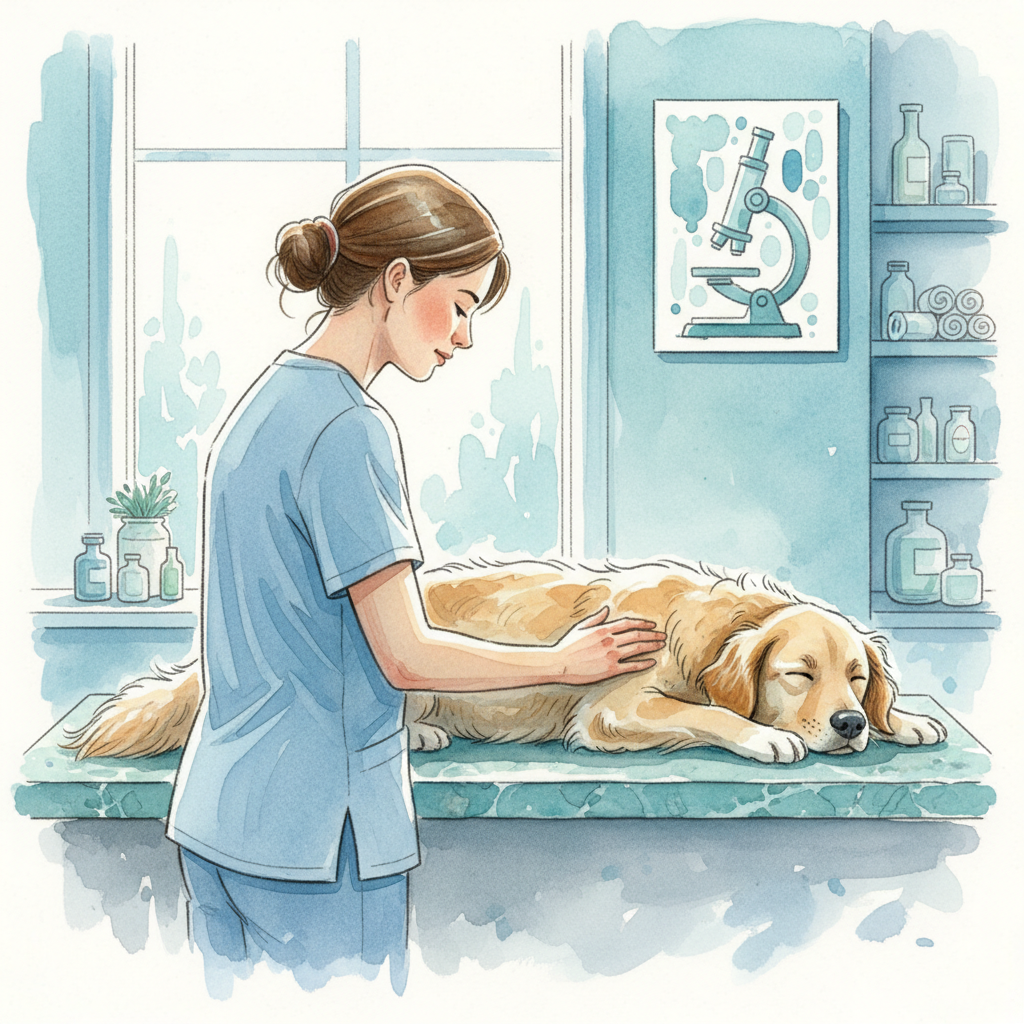
The Role of the Veterinarian: Your Partner in Pet Nutrition
Your veterinarian is your best resource for information and guidance on pet nutrition. They can help you choose the right diet for your pet based on their individual needs and health status. They can also help you address any dietary concerns or health problems that your pet may be experiencing. Regular checkups with your veterinarian are essential for monitoring your pet’s health and ensuring that they are getting the nutrients they need to thrive.
Don’t hesitate to ask your veterinarian questions about your pet’s diet. They can provide you with valuable insights and recommendations based on their expertise and knowledge of your pet’s medical history. They can also help you navigate the confusing world of pet food labels and marketing claims. Are you leveraging the expertise available to you?
Beyond the Basics: Personalized Nutrition Plans
In some cases, your veterinarian may recommend a personalized nutrition plan for your pet. This plan may involve a specific diet, supplements, or feeding schedule that is tailored to your pet’s individual needs. Personalized nutrition plans are often recommended for pets with specific health conditions, such as kidney disease, diabetes, or food allergies.
Working with a veterinary nutritionist can be particularly helpful in developing a personalized nutrition plan for your pet. Veterinary nutritionists are specialists in pet nutrition who can provide expert guidance on creating a diet that is both balanced and appropriate for your pet’s individual needs. They can also help you monitor your pet’s progress and make adjustments to the plan as needed.
The Long-Term Investment: A Healthier, Happier Pet
Choosing the right diet for your pet is an investment in their long-term health and well-being. By providing your pet with a nutritious and balanced diet, you can help them live a longer, healthier, and happier life. It’s not just about preventing diseases; it’s about optimizing their overall quality of life and allowing them to enjoy their time with you to the fullest. Are you willing to make that investment?
Think of the senior dog who, thanks to a carefully managed diet throughout its life, remains active and playful well into its golden years. Or the cat with a gleaming coat and boundless energy, a testament to the quality of its food. These are the rewards of prioritizing nutrition.

Making the Change: Transitioning to a New Diet
If you’re considering changing your pet’s diet, it’s important to do so gradually to avoid digestive upset. A sudden change in diet can lead to vomiting, diarrhea, and loss of appetite. The best way to transition to a new diet is to mix the new food with the old food, gradually increasing the amount of new food and decreasing the amount of old food over a period of several days or weeks.
Start by mixing a small amount of the new food (about 25%) with the old food (about 75%). Over the next few days, gradually increase the amount of new food and decrease the amount of old food until your pet is eating only the new food. Monitor your pet’s stool for any signs of digestive upset, such as diarrhea or constipation. If your pet experiences any digestive problems, slow down the transition and consult with your veterinarian.
Ultimately, what you feed your pet today will directly influence their health outcomes in the future. Investing the time and effort to understand their nutritional needs and choose a high-quality diet is one of the most loving and responsible things you can do as a pet owner. It’s a decision that will pay dividends in the form of a happier, healthier, and longer life for your beloved companion.

Hi, my name is Robert Max, I live in the United States and I’m the creator of InTechNews. I started this blog with the goal of sharing reliable and practical information about pet care, helping pet owners provide a healthier and happier life for their animals. I’m passionate about animal well-being and believe that good information makes all the difference in responsible pet ownership.